122 posts tagged with "Sales Playbooks"

Cold calling scripts, outbound strategies, SDR workflows, and objection handling

View All Tags

Best Lead Management Software for B2B Sales Teams [2026]

Β· 19 min read
sunder
Founder, marketbetter.ai

Best lead management software comparison for B2B sales teams in 2026

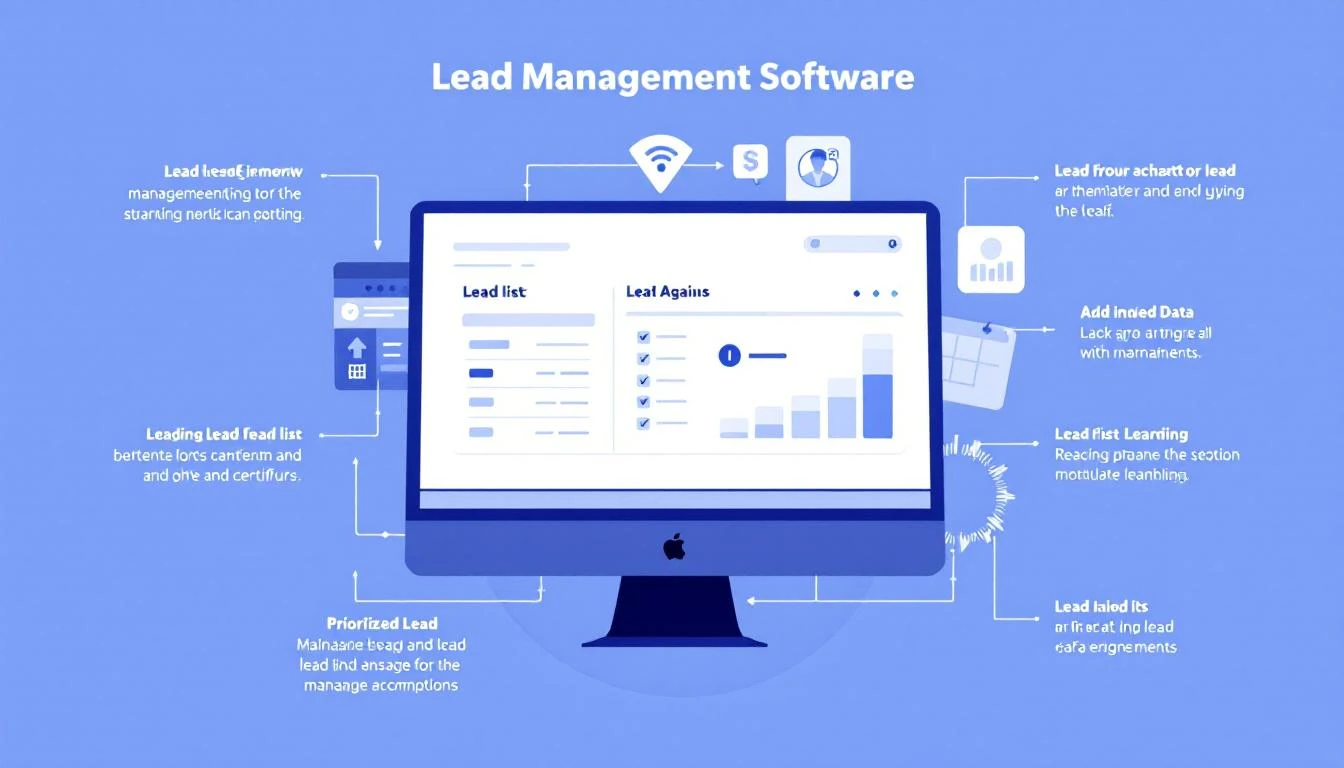
Your SDRs are drowning in leads they can't manage. Every B2B sales team has the same problem: leads come in from six different channels, sit in a spreadsheet or CRM that nobody updates, and the ones that were actually ready to buy went cold three days ago.

Lead management software exists to solve this. But most platforms just give you a database with filters. They tell you who your leads are. They don't tell you what to do next.

That distinction matters more than any feature comparison table. The best lead management tools in 2026 don't just organize contacts β€” they prioritize, route, enrich, and sequence leads so your SDRs spend time selling, not sorting.

We evaluated 14 platforms across five criteria: lead capture and enrichment, prioritization and scoring, routing and assignment, workflow automation, and actual SDR usability. Here's what we found.

Related reading: Best Sales Prospecting Tools 2026 Β· Best Website Visitor Tracking Software Β· Best Lead Enrichment Tools

What Makes Great Lead Management Software in 2026?​

Before diving into the tools, let's define what "lead management" actually means for modern B2B sales teams:

Lead capture β€” How leads enter the system. Website visitors, form fills, inbound emails, event attendees, referrals. The best tools capture leads you didn't even know existed (like anonymous website visitors).

Lead enrichment β€” Raw leads are useless without context. Company size, tech stack, funding stage, recent news. Enrichment turns a name + email into a qualified prospect.

Lead scoring and prioritization β€” Not all leads are equal. Scoring models rank leads by fit (firmographic) and intent (behavioral). The best tools combine both signals to surface who's ready to buy right now.

Lead routing β€” Getting the right lead to the right rep, instantly. Territory-based, round-robin, or skill-based. Slow routing kills conversion rates β€” Harvard Business Review found that responding within 5 minutes makes you 100x more likely to connect.

Workflow automation β€” What happens after a lead is assigned? Auto-sequences, follow-up reminders, task creation. The best tools eliminate manual data entry entirely.

Quick Comparison: Top 14 Lead Management Platforms​

PlatformBest ForStarting PriceLead ScoringVisitor IDAuto-Sequencing
MarketBetterSignal-driven SDR teams$500/moβœ… AI-poweredβœ… Built-inβœ… Multi-channel
HubSpot CRMSMBs scaling salesFree–$1,200/moβœ… Basic–AdvancedβŒβœ…
SalesforceEnterprise organizations$25–$500/user/moβœ… Einstein AIβŒβœ…
Apollo.ioData-first prospecting$49–$119/user/moβœ…βŒβœ… Email only
ZoomInfoLarge sales teams~$15K+/yrβœ…βœ… (add-on)βœ…
PipedriveVisual pipeline management$14–$99/user/moβœ… BasicβŒβœ… Limited
FreshsalesBudget-conscious teamsFree–$69/user/moβœ… Freddy AIβŒβœ…
Close CRMInside sales teams$29–$139/user/moβœ…βŒβœ… Built-in dialer
Zoho CRMCost-effective full suiteFree–$52/user/moβœ… Zia AIβŒβœ…
LeadfeederWebsite visitor tracking$99–$299/moβœ… Basicβœ… Company-level❌
6senseABM enterprise teamsCustom (~$60K+/yr)βœ… Predictiveβœ…βŒ
WarmlyReal-time buyer intent$700–$1,400/moβœ…βœ…βŒ Limited
Monday Sales CRMTeams already on Monday$12–$28/seat/moβœ… BasicβŒβœ… Limited
NutshellSimple SMB sales$16–$67/user/moβœ…βŒβœ…

1. MarketBetter​

Best for: B2B sales teams that want one platform for lead capture, enrichment, prioritization, and SDR execution.

MarketBetter approaches lead management differently than traditional CRMs. Instead of being a database you query, it's an operating system that tells your SDRs exactly what to do each morning.

How lead management works:

Website visitors are identified automatically β€” even anonymous ones. Each visitor is enriched with company data, tech stack, funding signals, and recent news. The platform scores every lead based on both fit (do they match your ICP?) and intent (are they actively researching solutions?).

The Daily SDR Playbook is where it gets interesting. Instead of reps logging into a CRM and building their own call lists, MarketBetter generates a prioritized task list each morning: call this person first, send this email second, follow up on this deal third. Every action is backed by a specific signal β€” they visited your pricing page, their competitor just churned, their champion moved to a new company.

Lead routing happens automatically based on territory rules, deal ownership, and team capacity. Leads don't sit in a queue β€” they're assigned and sequenced within minutes of showing intent.

Key strengths:

  • Anonymous visitor identification + enrichment in one platform
  • AI-powered daily playbook prioritizes leads by real-time intent signals
  • Multi-channel sequencing (email, LinkedIn, phone) from one interface
  • Smart dialer built in β€” no third-party dialer needed
  • AI chatbot engages visitors instantly, qualifies, and routes to reps

Pricing: Starter at $500/mo (3 SDR seats), Growth at $1,500/mo (5 seats with full playbook), Scale at $3,000/mo (10 seats, unlimited actions).

What real users say: 4.97/5 on G2 with recognition for Best Support, Easiest Setup, and Best ROI across 15 lead generation categories.

Best for teams that: Want to consolidate 5-6 point solutions into one platform and give SDRs a daily action plan instead of a database to search through.

See MarketBetter in action β†’

2. HubSpot CRM​

Best for: SMBs that want a free starting point with room to scale.

HubSpot's free CRM remains the most popular entry point for B2B lead management. The free tier includes contact management, deal tracking, email tracking, and basic reporting β€” enough for teams under 5 reps.

How lead management works:

Leads enter through forms, chatbots, or manual import. HubSpot's contact record centralizes every interaction β€” emails, calls, meetings, website visits. Lead scoring is available on Professional ($800/mo) and Enterprise ($3,600/mo) plans, using both demographic and behavioral criteria.

The challenge with HubSpot is that lead management features are spread across Marketing Hub, Sales Hub, and Service Hub. A comprehensive setup often requires bundling multiple hubs, which gets expensive fast.

Key strengths:

  • Generous free tier for early-stage teams
  • Massive integration ecosystem (1,400+ apps)
  • Excellent email tracking and notification system
  • Built-in meeting scheduler eliminates back-and-forth

Key limitations:

  • Advanced lead scoring requires Professional+ ($800+/mo)
  • No native website visitor identification (company-level)
  • Sequences limited to Sales Hub Professional and above
  • Customization gets complex at scale

Pricing: Free for basics. Sales Hub Professional starts at $800/mo (5 users). Enterprise at $3,600/mo.

G2 Rating: 4.4/5 (11,000+ reviews)

3. Salesforce Sales Cloud​

Best for: Enterprise organizations with complex sales processes and dedicated admins.

Salesforce is the 800-pound gorilla of CRM. It can do virtually anything β€” but that flexibility comes with complexity. Lead management in Salesforce revolves around Lead and Contact objects, with Einstein AI adding predictive scoring and automated insights.

How lead management works:

Leads are created through web-to-lead forms, imports, or API integrations. Salesforce's Lead object tracks prospects until they're "converted" to Contacts + Opportunities. Assignment rules route leads based on criteria you define. Einstein Lead Scoring (available in Enterprise+) uses machine learning to predict which leads are most likely to convert.

The learning curve is steep. Most teams need a dedicated admin or consultant to configure Salesforce properly. But once configured, it's the most customizable lead management platform on the market.

Key strengths:

  • Unlimited customization through custom objects, flows, and Apex code
  • Einstein AI for predictive lead scoring and opportunity insights
  • Largest partner ecosystem in B2B software
  • AppExchange marketplace with thousands of extensions

Key limitations:

  • Implementation takes months, not days
  • Per-user pricing adds up fast for large teams
  • Einstein features require Enterprise+ ($165/user/mo minimum)
  • Requires dedicated admin to maintain

Pricing: Starter at $25/user/mo. Professional at $80/user/mo. Enterprise at $165/user/mo. Unlimited at $330/user/mo. Einstein 1 Sales at $500/user/mo.

G2 Rating: 4.4/5 (23,000+ reviews)

4. Apollo.io​

Best for: Outbound-heavy teams that need a massive B2B database with built-in sequencing.

Apollo combines a 275M+ contact database with email sequencing, making it popular with SDR teams focused on outbound prospecting. The free tier includes 10,000 email credits/month, which is generous enough for solo operators.

How lead management works:

Apollo's strength is data-first prospecting. Search by title, company size, industry, funding stage, tech stack, and dozens of other filters. Build lists, enrich contacts, and drop them into email sequences β€” all within Apollo. The platform tracks engagement (opens, clicks, replies) and surfaces leads showing the most intent.

Where Apollo falls short is inbound lead management. It's designed for outbound β€” finding and reaching new prospects. If you need to manage inbound leads from your website, Apollo requires pairing with a CRM or visitor identification tool.

Key strengths:

  • 275M+ contact database with direct dials and verified emails
  • Built-in email sequencing with A/B testing
  • Generous free tier (10,000 credits/month)
  • Intent data integration shows which companies are researching your category

Key limitations:

  • No website visitor identification
  • Email-heavy β€” limited multi-channel capabilities
  • Data quality varies by region (strongest in US)
  • CRM sync can be buggy according to G2 reviews

Pricing: Free tier available. Basic at $49/user/mo. Professional at $79/user/mo. Organization at $119/user/mo.

G2 Rating: 4.8/5 (7,500+ reviews)

5. ZoomInfo SalesOS​

Best for: Mid-market and enterprise teams that need comprehensive B2B intelligence.

ZoomInfo is the enterprise standard for B2B data. SalesOS combines a massive contact database, intent data, website visitor identification (via its acquisition of Clickagy), and workflow automation.

How lead management works:

ZoomInfo's approach is intelligence-first. The platform identifies companies showing buying intent for your category, enriches them with contact data, and pushes them into your CRM or sequencing tool. Website visitor identification is available as an add-on (WebSights), revealing which companies visit your site.

The challenge with ZoomInfo is price. Annual contracts typically start at $15,000 for a small team and scale to $50,000+ for larger deployments. Per-seat pricing plus data credit limits mean costs can spiral.

Key strengths:

  • Largest and most accurate B2B contact database
  • Comprehensive intent data across 4,000+ topics
  • Website visitor identification (company-level)
  • Workflow automation with Engage for sequencing

Key limitations:

  • Expensive β€” $15K+ annually for most teams
  • Annual contracts with auto-renewal (notoriously hard to cancel)
  • Visitor ID is company-level, not person-level
  • Feature sprawl β€” many teams use less than 30% of what they pay for

Pricing: Custom pricing. Typical starting range is $15,000–$25,000/year for small teams.

G2 Rating: 4.5/5 (8,800+ reviews)

6. Pipedrive​

Best for: Small sales teams that want visual, intuitive pipeline management.

Pipedrive was built by salespeople for salespeople. Its Kanban-style pipeline view makes it easy to see every deal at a glance. Drag and drop deals between stages, set activities, and track everything visually.

How lead management works:

Leads enter through web forms, email integration, or manual entry. Pipedrive's visual pipeline lets you track deals through custom stages. The AI Sales Assistant identifies patterns in your data and suggests next actions. Lead scoring is available but basic compared to AI-powered alternatives.

Key strengths:

  • Most intuitive visual pipeline interface
  • Activity-based selling methodology built in
  • Email integration with tracking and templates
  • Affordable starting price for small teams

Key limitations:

  • Lead scoring is basic (no AI-powered prioritization)
  • No website visitor identification
  • Limited reporting on lower tiers
  • Automation features require Professional+ ($49/user/mo)

Pricing: Essential at $14/user/mo. Advanced at $34/user/mo. Professional at $49/user/mo. Power at $64/user/mo. Enterprise at $99/user/mo.

G2 Rating: 4.3/5 (1,900+ reviews)

7. Freshsales (Freshworks)​

Best for: Budget-conscious teams wanting AI features without enterprise pricing.

Freshsales offers a surprisingly capable free tier and mid-range plans that include Freddy AI β€” an assistant that scores leads, suggests next actions, and predicts deal outcomes.

How lead management works:

Freddy AI analyzes historical data to score leads based on engagement and fit. Territory management assigns leads to the right reps. Built-in phone, email, and chat mean you can manage all communication from one place. The AI-powered deal insights predict which deals will close and which are at risk.

Key strengths:

  • Freddy AI included at lower price points than competitors
  • Built-in phone system (no third-party dialer needed)
  • Free tier with unlimited users (basic features)
  • Clean, modern interface

Key limitations:

  • Smaller integration ecosystem than HubSpot or Salesforce
  • Advanced workflows require Enterprise ($69/user/mo)
  • Limited brand recognition can be a harder internal sell
  • Territory management only on Enterprise

Pricing: Free tier available. Growth at $9/user/mo. Pro at $39/user/mo. Enterprise at $69/user/mo.

G2 Rating: 4.5/5 (1,200+ reviews)

8. Close CRM​

Best for: Inside sales teams that live on the phone.

Close was built for inside sales. It has a native dialer, SMS, and email built directly into the CRM β€” no tab-switching, no third-party tools. For teams that make 50+ calls per day, Close eliminates the friction that kills productivity.

How lead management works:

Leads are organized in Smart Views β€” dynamic lists filtered by any criteria. The Power Dialer auto-dials through a list, logging each call and outcome. Sequences combine calls, emails, and SMS into automated cadences. The lack of a visual pipeline is a tradeoff β€” Close prioritizes activity over visualization.

Key strengths:

  • Best-in-class built-in dialer (Power Dialer, Predictive Dialer)
  • Native SMS alongside email and calling
  • Smart Views create dynamic lead lists
  • Fast implementation (days, not months)

Key limitations:

  • No website visitor identification
  • Limited marketing automation capabilities
  • Smaller ecosystem than HubSpot/Salesforce
  • UI is functional but less polished

Pricing: Startup at $29/user/mo. Professional at $99/user/mo. Enterprise at $139/user/mo.

G2 Rating: 4.7/5 (900+ reviews)

9. Zoho CRM​

Best for: Cost-conscious teams that want a full-featured CRM suite.

Zoho CRM offers the most features per dollar of any CRM on this list. With Zia AI, workflow automation, multichannel communication, and 500+ integrations via the Zoho ecosystem, it's a legitimate Salesforce alternative at a fraction of the cost.

How lead management works:

Leads are captured through web forms, social media, email, and live chat. Zia AI scores leads, detects anomalies, and suggests the best time to contact prospects. Blueprint automation enforces your sales process β€” reps follow defined steps, ensuring consistency. Territory management and assignment rules route leads automatically.

Key strengths:

  • Best value for money in B2B CRM
  • Zia AI is surprisingly capable for the price
  • Blueprint enforces consistent sales processes
  • Extensive Zoho ecosystem (40+ products)

Key limitations:

  • UI can feel dated compared to newer tools
  • Implementation complexity increases with customization
  • Support quality varies by plan
  • Some users report slow performance with large databases

Pricing: Free for up to 3 users. Standard at $14/user/mo. Professional at $23/user/mo. Enterprise at $40/user/mo. Ultimate at $52/user/mo.

G2 Rating: 4.1/5 (2,700+ reviews)

10. Leadfeeder (by Dealfront)​

Best for: Teams that want to know which companies visit their website.

Leadfeeder identifies companies visiting your website using reverse IP lookup and integrates with Google Analytics to show which pages they viewed, how long they stayed, and where they came from. It's a focused tool that does one thing well β€” website visitor identification.

How lead management works:

Leadfeeder tracks anonymous website traffic and matches it to company profiles. Custom feeds filter visitors by criteria (industry, company size, pages visited). Leads are scored based on visit behavior and pushed to your CRM automatically. It identifies companies, not individuals β€” you still need to find the right contact.

Key strengths:

  • Focused on website visitor ID β€” does it well
  • Easy setup (just a tracking script)
  • Good CRM integrations (Salesforce, HubSpot, Pipedrive)
  • Custom scoring based on visit behavior

Key limitations:

  • Company-level identification only (no individual contacts)
  • Limited beyond visitor tracking (no sequencing, no dialer)
  • Requires pairing with other tools for complete lead management
  • Smaller company database than ZoomInfo

Pricing: Free tier (last 7 days of data). Paid plans from $99/mo (unlimited users).

G2 Rating: 4.3/5 (800+ reviews)

11. 6sense​

Best for: Enterprise ABM teams with large budgets and complex buying committees.

6sense uses AI to predict which accounts are in-market before they fill out a form. Its Revenue AI platform analyzes intent signals across the web to identify buying committees, predict purchase timing, and orchestrate multi-channel campaigns.

How lead management works:

6sense ingests first-party data (website, CRM, MAP) and third-party intent signals to build a buying stage prediction for every account in your TAM. Accounts are segmented by their predicted stage (Awareness β†’ Decision), and marketing/sales plays are triggered accordingly. The platform excels at enterprise ABM but is overkill (and overpriced) for SMB outbound.

Key strengths:

  • Predictive buying stage modeling is genuinely powerful
  • Website visitor identification at company + keyword level
  • Comprehensive intent data coverage
  • Orchestration across ads, email, web, and sales

Key limitations:

  • Expensive β€” contracts typically $60K–$120K/year
  • Steep learning curve for full platform adoption
  • Better for marketing-led ABM than sales-led outbound
  • Long implementation timeline (3-6 months typical)

Pricing: Custom pricing. Most contracts start at $60,000/year.

G2 Rating: 4.0/5 (900+ reviews)

12. Warmly​

Best for: Teams that want real-time buyer alerts when prospects visit their website.

Warmly focuses on real-time intent. When a prospect visits your website, Warmly identifies them, enriches the lead, and can trigger instant actions β€” Slack alerts, email sequences, or even live chat initiated by a bot. The speed-to-lead angle is their core differentiator.

How lead management works:

Warmly's Reveal identifies website visitors at both the company and (in some cases) individual level. Orchestrator automates outreach based on visitor behavior β€” a pricing page visit can trigger an email sequence within minutes. The platform integrates intent signals from third-party sources alongside first-party web data.

Key strengths:

  • Fast website visitor identification and alerting
  • Real-time orchestration (trigger sequences on page visit)
  • Combines first-party and third-party intent signals
  • Clean, modern interface

Key limitations:

  • No built-in dialer β€” phone outreach requires another tool
  • Limited email sequencing capabilities
  • Relatively new platform (smaller customer base)
  • No daily playbook or task prioritization for SDRs

Pricing: Observe (free). Reveal at $700/mo. Orchestrate at $1,400/mo. Custom pricing for enterprise.

G2 Rating: 4.7/5 (200+ reviews)

13. Monday Sales CRM​

Best for: Teams already using Monday.com for project management.

Monday Sales CRM extends the familiar Monday.com interface into sales. If your team already lives in Monday, adding CRM capabilities is seamless. The customizable boards and automations translate well to pipeline management.

How lead management works:

Leads are tracked on customizable boards. Automations trigger based on status changes, dates, or column values. Email integration logs communication automatically. The platform is highly visual and customizable, but lacks the depth of purpose-built sales tools.

Key strengths:

  • Familiar interface for Monday.com users
  • Highly customizable boards and views
  • Strong automation builder for workflows
  • Affordable per-seat pricing

Key limitations:

  • Not purpose-built for sales (adapted from project management)
  • No native lead scoring intelligence
  • No website visitor identification
  • Limited sales-specific analytics

Pricing: Basic at $12/seat/mo. Standard at $17/seat/mo. Pro at $28/seat/mo. Enterprise pricing on request.

G2 Rating: 4.6/5 (800+ reviews)

14. Nutshell​

Best for: Small B2B teams that want simplicity without sacrificing automation.

Nutshell is the anti-Salesforce. It's intentionally simple β€” built for teams that want lead management without months of implementation. Email sequences, pipeline automation, and reporting come standard, without the configuration overhead.

How lead management works:

Leads are captured through forms and imports, scored based on criteria you define, and moved through a visual pipeline. Nutshell's personal email sequences automate follow-ups, and activity reminders ensure nothing falls through the cracks. It's straightforward and effective for teams running a simple sales process.

Key strengths:

  • Fastest implementation on this list (hours, not weeks)
  • Unlimited data storage and contacts on all plans
  • Personal email sequences included on all plans
  • Excellent customer support (highly rated on G2)

Key limitations:

  • Limited for complex enterprise sales processes
  • No AI-powered features
  • Smaller integration library
  • Less suitable as teams grow past 20 reps

Pricing: Foundation at $16/user/mo. Pro at $42/user/mo. Power AI at $52/user/mo. Enterprise at $67/user/mo.

G2 Rating: 4.3/5 (1,100+ reviews)

How to Choose: Decision Framework​

The right lead management software depends on three factors:

By Team Size​

  • Solo or 1-3 reps: Start with HubSpot Free, Apollo Free, or Freshsales Free. Upgrade when you hit limits.
  • 4-10 reps: MarketBetter, Close, or Pipedrive. You need automation and routing β€” manual processes break at this size.
  • 11-50 reps: MarketBetter, HubSpot Professional, or Salesforce. Territory management and advanced scoring become essential.
  • 50+ reps: Salesforce or ZoomInfo. Enterprise-grade customization and compliance matter.

By Sales Motion​

  • Inbound-heavy: MarketBetter (visitor ID + auto-routing), HubSpot (forms + nurture), or Warmly (real-time alerts).
  • Outbound-heavy: Apollo (data + sequences), Close (dialer + SMS), or ZoomInfo (intelligence + Engage).
  • ABM/Enterprise: 6sense (predictive + orchestration), ZoomInfo, or Salesforce + partner tools.
  • Hybrid: MarketBetter (signals + outbound in one), HubSpot Professional, or Salesforce.

By Budget​

  • $0/month: HubSpot Free, Apollo Free, Freshsales Free, Zoho Free
  • $200-500/month: Pipedrive, Close, Nutshell, MarketBetter Starter
  • $500-2,000/month: MarketBetter Growth, HubSpot Professional, Warmly
  • $2,000-5,000/month: MarketBetter Scale, Salesforce Enterprise, ZoomInfo
  • $5,000+/month: 6sense, ZoomInfo Enterprise, Salesforce Unlimited

See also: Best Intent Data Providers 2026 Β· Best Sales Intelligence Software Β· Best Outbound Sales Tools

The Shift: From Lead Databases to Signal-Driven Selling​

Traditional lead management is a solved problem. Every CRM on this list can store contacts, track interactions, and generate reports. That's table stakes.

The real question in 2026 is: does your lead management tool tell your SDRs what to do?

Most tools give you a dashboard. You log in, filter, search, build a call list, manually check intent signals across three different tabs, cross-reference with your CRM, and finally start making calls. By the time you've done all that, the buyer who was on your pricing page 20 minutes ago already booked a demo with your competitor.

Signal-driven lead management flips this. Instead of SDRs building their own workflows every morning, the platform generates a prioritized action list based on real-time signals: website visits, champion job changes, funding events, competitor research, email engagement. The SDR opens one tab and starts executing.

That's the direction lead management is heading. Whether you choose MarketBetter, HubSpot with add-ons, or Salesforce with Einstein β€” the platform that reduces time-to-action wins.

Free Tool

Try our AI Lead Generator β€” find verified LinkedIn leads for any company instantly. No signup required.

Ready to See Signal-Driven Lead Management?​

MarketBetter turns anonymous website visitors into prioritized SDR action items β€” automatically. No spreadsheets, no manual research, no switching between five tabs.

Book a 15-minute demo β†’

Best Sales Coaching Software for SDR Teams [2026]

Β· 15 min read
sunder
Founder, marketbetter.ai

Best Sales Coaching Software 2026

Sales coaching software promises to turn B-players into A-players. The reality? Most platforms record calls, generate transcripts, and create dashboards that managers never look at.

The actual problem isn't capturing conversations β€” it's turning coaching insights into changed behavior. Your SDRs don't need another tool that tells them what they did wrong on yesterday's call. They need a system that tells them what to do differently on the next one.

We evaluated 12 sales coaching platforms across conversation intelligence, AI role-play, performance management, and real-time assistance. Here's what actually works for SDR teams in 2026.

Quick Comparison: Sales Coaching Software at a Glance​

PlatformPrimary FocusBest ForPricing
MarketBetterSignal-driven coachingSDR teams that need daily direction$500–$3,000/mo
GongRevenue intelligenceEnterprise deal coaching$120–$250/user/mo + $5K–$50K platform fee
Chorus (ZoomInfo)Conversation intelligenceTeams already on ZoomInfoBundled with ZoomInfo ($15K–$40K+/yr)
MindtickleSales readinessOnboarding + skill developmentCustom (est. $20–$40/user/mo)
AllegoVideo coachingDistributed sales teamsCustom pricing
SalesLoftEngagement + coachingTeams using SalesLoft cadences$125–$165/user/mo
Clari CopilotReal-time assistanceReps needing in-call supportCustom pricing
AmbitionPerformance managementGamification-driven teamsCustom pricing
Second NatureAI role-playTeams prioritizing practiceCustom pricing
JiminnyConversation intelligenceMid-market sales teamsFrom $85/user/mo
SpekitJust-in-time enablementIn-workflow guidanceFrom $20/user/mo
BrainsharkContent + coachingTraining-heavy organizationsCustom pricing

What to Look For in Sales Coaching Software​

Before diving into individual tools, here's what separates useful coaching platforms from expensive call recorders:

Signal-to-action conversion. The best coaching tools don't just surface problems β€” they prescribe next steps. "Rep talked 72% of the call" is an observation. "Before your next call with Acme Corp, prepare a question about their Q2 budget timeline" is coaching.

Manager time savings. If your managers need to listen to every call to coach effectively, the tool has failed. Look for AI that surfaces the 3-5 calls per week that actually need human attention.

Rep adoption. The most powerful coaching platform is useless if reps hate using it. Mobile access, quick insights, and non-intrusive workflows matter more than feature depth.

CRM integration. Coaching data that lives in a separate silo creates extra work. The best tools sync insights directly into your CRM so coaching context follows the deal.

1. MarketBetter β€” Signal-Driven SDR Coaching​

Best for: SDR teams that need daily direction, not just call reviews

Pricing: $500–$3,000/mo (team-based, not per-seat for coaching features)

Most coaching tools focus backward β€” analyzing what happened on past calls. MarketBetter approaches coaching differently by building a Daily SDR Playbook that tells each rep exactly who to contact, what channel to use, and what to say. The coaching happens before the conversation, not after.

The platform aggregates buying signals from website visits, email engagement, and intent data, then translates those signals into a prioritized task list. Instead of a manager saying "you should have asked about budget," the system ensures the rep walks into the call already knowing the prospect visited the pricing page three times this week.

Key coaching capabilities:

  • Daily playbook with prioritized prospect actions based on real-time signals
  • Website visitor identification that feeds directly into rep workflows
  • AI-powered email personalization based on prospect behavior
  • Smart dialer with context cards that prep reps before every call
  • Team deduplication and territory management to prevent stepping on toes

What users say: MarketBetter has a 4.97 rating on G2 with recognition for Best Support and Easiest Setup. Users consistently highlight how the playbook eliminates the "who should I call next?" paralysis that kills SDR productivity.

Best for teams that: Want proactive coaching baked into the daily workflow rather than reactive analysis of past calls.

Book a demo β†’

2. Gong β€” Revenue Intelligence and Deal Coaching​

Best for: Enterprise revenue teams focused on deal inspection and forecasting

Pricing: $120–$250/user/month + $5,000–$50,000 annual platform fee + $15,000–$65,000 implementation (source: Oliv.ai, Vendr negotiations)

Gong is the elephant in the sales coaching room. With patented conversation intelligence technology, it captures interactions across calls, emails, and meetings, then uses AI to identify patterns that correlate with closed deals.

The coaching angle is strongest in deal inspection β€” Gong can flag when a deal is going sideways based on conversation patterns, missing stakeholders, or competitor mentions. Managers get a pipeline view that highlights which deals need coaching attention and why.

Key coaching capabilities:

  • AI-powered conversation analytics with talk pattern identification
  • Deal risk scoring based on conversation signals
  • Competitor mention tracking and win/loss pattern analysis
  • Manager coaching dashboards with team performance benchmarks
  • Forecast accuracy improvement through conversation intelligence

The pricing reality: Gong's total cost for a 10-person SDR team typically runs $36,000–$75,000 in year one when you factor in platform fees, per-user costs, and implementation. RevOps leaders on Reddit consistently report that negotiation is essential β€” list prices are starting points, not final offers.

The gap: Gong excels at analyzing what happened but doesn't prescribe what to do next. Managers still need to translate Gong's insights into specific coaching actions for each rep.

3. Chorus by ZoomInfo β€” Conversation Intelligence with B2B Data​

Best for: Teams already using ZoomInfo who want integrated conversation intelligence

Pricing: Bundled with ZoomInfo contracts (typically $15,000–$40,000+/yr depending on ZoomInfo tier and seats)

Chorus brings conversation intelligence with the added advantage of ZoomInfo's massive B2B contact database. The unique angle: when Chorus detects a competitor mention or buying signal in a call, it can cross-reference against ZoomInfo data to provide additional context about the prospect's company, tech stack, and org chart.

Key coaching capabilities:

  • Real-time transcription with 14 proprietary ML patents for accuracy
  • Multi-channel conversation capture (calls, video, email)
  • Automated CRM data sync for contact and activity logging
  • Deal intelligence tied to ZoomInfo's company and contact data
  • Snippet sharing for cross-functional coaching moments

The catch: Chorus's coaching value is directly tied to how much your team invests in ZoomInfo. As a standalone conversation intelligence tool, it competes with Gong but lacks some of the deal inspection depth. The real value emerges when conversation data enriches your broader ZoomInfo workflows.

Worth knowing: Users on G2 praise Chorus for transcription accuracy and CRM integration but note that the coaching scorecards can feel generic without manager customization.

4. Mindtickle β€” Sales Readiness and Skill Development​

Best for: Teams scaling onboarding and continuous skill development

Pricing: Custom (industry estimates suggest $20–$40/user/month for mid-market teams)

Mindtickle is less "conversation intelligence" and more "sales readiness platform." Where Gong and Chorus analyze real customer calls, Mindtickle focuses on building rep competency before they get on calls through AI role-plays, training modules, and competency assessments.

Key coaching capabilities:

  • AI-powered role-play simulations for objection handling practice
  • Personalized training paths based on skill gaps
  • Competency tracking with readiness index scoring
  • Certification programs for new product launches or methodology changes
  • Manager coaching workflows tied to skill assessments

Where it shines: Onboarding. Mindtickle can cut ramp time significantly by giving new reps structured practice environments before they touch real prospects. The AI role-play feature lets reps practice cold calls, discovery, and objection handling with AI-generated personas.

Where it struggles: Ongoing coaching for experienced reps. Once someone has ramped, the training-module approach can feel more like school than coaching. Experienced SDRs often resist mandatory training that doesn't connect to their live pipeline.

5. Allego β€” Video-First Peer Coaching​

Best for: Distributed and remote sales teams that need async coaching

Pricing: Custom (enterprise-focused, typically demo-led pricing)

Allego takes a different approach: peer learning through video. Instead of relying solely on managers to coach, Allego enables reps to share recordings of successful calls, role-plays, and deal strategies with the broader team. Think of it as a knowledge-sharing platform where your best reps become coaching resources.

Key coaching capabilities:

  • Video recording and sharing for peer-to-peer learning
  • Async feedback workflows (managers coach on their schedule)
  • AI-generated content recommendations based on deal stage
  • Mobile-first design for field sales teams
  • Content management for sales enablement materials

The unique value: Allego's peer coaching model scales better than traditional 1:1 manager coaching. When your top performer shares a recording of how they handled a pricing objection, every rep benefits β€” not just the one who got the coaching session.

G2 feedback: Users praise Allego's mobile experience and content management but note that adoption requires cultural buy-in. Teams accustomed to manager-led coaching may resist the peer-sharing model initially.

6. SalesLoft β€” Coaching Within Engagement Workflows​

Best for: Teams already using SalesLoft for sales engagement who want integrated coaching

Pricing: $125–$165/user/month (Advanced and Premier tiers include coaching features)

SalesLoft's coaching capabilities live inside its broader sales engagement platform. The advantage: coaching insights are directly connected to cadence performance, email metrics, and call outcomes. Managers can see which reps are struggling with specific cadence steps and coach accordingly.

Key coaching capabilities:

  • Call recording and transcription within cadence workflows
  • Performance analytics tied to engagement metrics
  • One-click coaching feedback from recorded conversations
  • Team benchmarking across cadence completion and response rates
  • CRM sync for activity and coaching data

The positioning: SalesLoft isn't a coaching-first platform β€” it's an engagement platform with coaching bolted on. For teams that live in SalesLoft for daily execution, the integrated coaching is convenient. For teams that need deep conversation intelligence or skill development, it may feel surface-level.

7. Clari Copilot β€” Real-Time In-Call Assistance​

Best for: Reps who need live support during customer conversations

Pricing: Custom (typically bundled with Clari's revenue platform)

Formerly Wingman, Clari Copilot provides real-time coaching during live calls. While most tools analyze conversations after they happen, Copilot surfaces battlecards, competitor responses, and talking points while the rep is still on the phone.

Key coaching capabilities:

  • Live battlecard delivery during competitive mentions
  • Monologue alerts when reps talk too long
  • Real-time cue cards for objection handling
  • Post-call summaries with coaching highlights
  • Deal intelligence tied to Clari's revenue platform

When it works: High-velocity SDR environments where reps handle a high volume of calls with limited prep time. The real-time prompts help newer reps navigate conversations they're not yet comfortable with.

When it doesn't: Experienced reps often find real-time prompts distracting. There's a learning curve to glancing at prompts while maintaining natural conversation flow.

8. Ambition β€” Gamification and Performance Coaching​

Best for: Teams that respond to competition, leaderboards, and public recognition

Pricing: Custom (demo-led, scaled by team size)

Ambition approaches coaching through gamification and performance management. Instead of analyzing conversations, it tracks rep activities (calls made, emails sent, meetings booked) and creates leaderboards, contests, and coaching scorecards around performance metrics.

Key coaching capabilities:

  • Real-time leaderboards and sales contests
  • Coaching scorecard workflows for structured 1:1s
  • TV display dashboards for office energy
  • Goal tracking and milestone celebrations
  • Integration with dialers and CRM for automatic activity tracking

The honest take: Gamification works for some teams and backfires for others. Competitive SDR teams with a "Wolf of Wall Street" culture thrive on leaderboards. Teams that value collaboration over competition may find it demoralizing β€” nobody wants to be at the bottom of a public scoreboard.

9. Second Nature β€” AI Role-Play for Practice​

Best for: Teams that need reps to practice before they prospect

Pricing: Custom (demo-led)

Second Nature focuses entirely on AI-powered role-play simulations. Reps practice conversations with AI-generated personas that simulate real buyer scenarios β€” cold calls, discovery, pricing objections, executive presentations.

Key coaching capabilities:

  • AI-generated buyer personas for realistic practice
  • Customizable scenarios based on your sales methodology
  • Performance scoring with specific improvement suggestions
  • Manager review workflows for practice session analysis
  • Certification programs tied to role-play completion

Where it excels: New hire ramp. Second Nature can compress onboarding by giving reps dozens of practice conversations before they make a single real call. The AI personas are surprisingly realistic and adapt to the rep's responses.

The limitation: Practice without real-world context only goes so far. A rep who crushes AI role-plays may still struggle when a real prospect throws an unexpected curveball. Second Nature works best as a complement to live call coaching, not a replacement.

10. Jiminny β€” Flexible Conversation Intelligence for Mid-Market​

Best for: Mid-market sales teams that want conversation intelligence without enterprise pricing

Pricing: From $85/user/month

Jiminny offers conversation intelligence at a price point that makes sense for mid-market teams. It records calls, generates transcripts, and provides AI-driven coaching insights β€” similar to Gong but without the $50K platform fee.

Key coaching capabilities:

  • Call recording and AI transcription
  • Flexible AI queries (ask questions about any conversation)
  • CRM sync for automatic activity logging
  • Team performance dashboards
  • Coaching playlists of best-practice calls

The value proposition: Jiminny delivers 80% of Gong's conversation intelligence at roughly 30% of the cost. For teams that don't need enterprise-grade deal inspection and forecast accuracy, it's a compelling alternative.

G2 feedback: Users praise the value-to-price ratio and customer support. Common complaints include occasional transcription inaccuracies and a less polished UI compared to Gong.

11. Spekit β€” Just-in-Time Enablement​

Best for: Teams that need contextual coaching within daily tools (Salesforce, Slack, etc.)

Pricing: From $20/user/month

Spekit takes a unique approach: coaching in the flow of work. Instead of a separate coaching platform, Spekit surfaces training content, playbook guidance, and process reminders directly within the tools reps already use β€” Salesforce, Slack, LinkedIn, email.

Key coaching capabilities:

  • In-app guidance overlays within Salesforce and other tools
  • Knowledge base with searchable playbook content
  • Change management alerts for process updates
  • Analytics on content engagement and knowledge gaps
  • Chrome extension for browser-based coaching

The difference: Spekit isn't conversation intelligence β€” it's contextual enablement. When a rep opens a deal in Salesforce, Spekit can surface the relevant playbook page, competitor battlecard, or process reminder without the rep leaving their workflow.

Best for: Teams with complex processes or frequent methodology changes that need ongoing reinforcement.

12. Brainshark β€” Content-Driven Coaching and Readiness​

Best for: Training-heavy organizations that need content creation and delivery

Pricing: Custom (enterprise-focused, Bigtincan acquired)

Brainshark (now part of Bigtincan) combines coaching with content creation. Managers can build training presentations with voiceover, create video coaching assignments, and track completion across the team.

Key coaching capabilities:

  • Content authoring tools for training materials
  • Video coaching assignments with AI scoring
  • Readiness scorecards for team and individual assessment
  • Course completion tracking and certification
  • Integration with LMS and CRM systems

The honest assessment: Brainshark is strongest for organizations that already invest heavily in formal sales training programs. For agile SDR teams that need quick, practical coaching, the content-creation overhead may slow things down.

The Real Cost of Sales Coaching Software​

Here's what a 10-person SDR team actually pays across these platforms:

PlatformYear 1 Cost (10 users)Includes
MarketBetter$6,000–$36,000Full platform + coaching signals
Gong$36,000–$75,000Platform fee + per-user + implementation
Chorus/ZoomInfo$15,000–$40,000+Bundled with ZoomInfo contract
Mindtickle$24,000–$48,000Estimated from per-user pricing
SalesLoft$15,000–$19,800Advanced/Premier tiers
Jiminny$10,200+From $85/user/mo
Spekit$2,400+From $20/user/mo

The pricing gap is enormous. Enterprise platforms like Gong can cost 10-30x what lighter tools charge. The question isn't "which is best?" β€” it's "which delivers ROI at your team's scale?"

How to Choose: Decision Framework​

You need signal-to-action coaching if: Your SDRs waste time figuring out who to call and what to say. β†’ MarketBetter

You need deal inspection if: Your pipeline is large but forecast accuracy is poor. β†’ Gong or Chorus

You need faster onboarding if: New reps take 3+ months to ramp. β†’ Mindtickle or Second Nature

You need peer coaching if: Your team is remote and managers can't coach everyone. β†’ Allego

You need real-time help if: Reps struggle during live conversations. β†’ Clari Copilot

You need affordable CI if: You want call recording and insights without enterprise pricing. β†’ Jiminny

You need in-workflow coaching if: Reps forget processes and playbook steps. β†’ Spekit

The Bottom Line​

Sales coaching software has split into two camps: backward-looking tools that analyze past conversations and forward-looking tools that shape future behavior.

Most platforms β€” Gong, Chorus, Jiminny β€” live in the backward-looking camp. They're excellent at telling you what went wrong. But the coaching gap remains: who translates those insights into changed behavior?

The forward-looking approach embeds coaching into the daily workflow. Instead of reviewing yesterday's calls, reps start each day with a signal-driven playbook that tells them exactly where to focus. The coaching is the workflow.

The best teams don't choose one or the other β€” they layer signal-driven daily coaching with periodic conversation review. Start with the tool that solves your biggest gap, then expand.

Free Tool

Try our AI Lead Generator β€” find verified LinkedIn leads for any company instantly. No signup required.

Ready to see signal-driven SDR coaching in action? Book a demo with MarketBetter β†’

Best Sales Productivity Tools for SDR Teams [2026]

Β· 20 min read
sunder
Founder, marketbetter.ai

Best sales productivity tools for SDR teams in 2026

The average SDR spends 65% of their time on tasks that aren't selling. Data entry. List building. Researching prospects. Switching between tabs. Updating the CRM. Attending meetings about updating the CRM.

That means a $60K/year SDR generates about $21K worth of actual selling activity. The rest is overhead.

Sales productivity tools exist to shift that ratio. But "productivity tool" has become a junk drawer category β€” it includes everything from CRM plugins to AI note-takers to Pomodoro timers. Most of those won't move the needle.

We focused on the tools that directly reduce time-to-first-touch, eliminate manual data entry, and help SDRs prioritize the right accounts. These are the 15 platforms that top-performing B2B SDR teams actually use in 2026.

What Actually Kills SDR Productivity?​

Before buying tools, understand the problems:

Problem 1: Too many tabs. The average SDR switches between 8-12 tools daily β€” CRM, email, dialer, LinkedIn, enrichment tool, calendar, Slack, intent data platform. Each switch costs 23 minutes of refocus time (UC Irvine research). Over a day, that's hours lost to context-switching.

Problem 2: Manual research. SDRs spend 20-30 minutes per prospect researching company size, tech stack, recent news, and mutual connections. Multiply that by 50 prospects per day, and research alone consumes the entire workday.

Problem 3: No prioritization. Without intent signals, SDRs treat every lead equally. They work alphabetically, by import date, or by gut feel. Meanwhile, the prospect who visited the pricing page three times yesterday gets the same generic sequence as someone who downloaded a whitepaper six months ago.

Problem 4: Manual CRM updates. Reps hate updating CRMs because it takes time and delivers zero personal value. But managers need the data. This creates an adversarial dynamic where CRM data is always stale and incomplete.

The best productivity tools eliminate these problems at the root β€” not by adding another tab.

Related reading: Best AI SDR Tools 2026 Β· Best Sales Automation Software Β· Best Cold Email Software

Quick Comparison: 15 Sales Productivity Tools​

ToolCategoryKey Time SaverStarting Price
MarketBetterAll-in-one SDR OSDaily playbook eliminates list-building$500/mo
Apollo.ioProspecting + SequencesDatabase search β†’ sequence in one clickFree–$119/user/mo
OutreachSales engagementMulti-step sequence automation~$100/user/mo
SalesLoftSales engagementCadence + Rhythm AI prioritization~$125/user/mo
GongConversation intelligenceAuto call notes + coaching insights~$100/user/mo
LavenderEmail coachingReal-time email scoring and rewriting$29/user/mo
LinkedIn Sales NavigatorSocial sellingAdvanced people/company search$99–$169/user/mo
CalendlyMeeting schedulingEliminates booking back-and-forthFree–$16/user/mo
ZoomInfoB2B intelligenceInstant contact data + intent signals~$15K+/yr
ClayData enrichmentWaterfall enrichment from 75+ sources$149–$800/mo
Chili PiperInbound routingInstant lead-to-meeting conversion$150–$300/mo
Close CRMCRM + dialerBuilt-in calling + SMS + email$29–$139/user/mo
Fireflies.aiMeeting notesAI transcription + action itemsFree–$29/user/mo
VidyardVideo prospectingPersonalized video at scaleFree–$59/user/mo
Troops/SalesforceCRM automationSlack-based CRM updates (no tab switch)Included in SFDC

1. MarketBetter β€” The Daily SDR Playbook​

Category: All-in-one SDR operating system Time saved: 2-3 hours/day (eliminates list building, research, and prioritization)

Most productivity tools solve one piece of the SDR workflow. MarketBetter replaces the workflow entirely.

How it boosts productivity:

When an SDR logs in, they don't see a CRM dashboard they need to interpret. They see today's playbook β€” a ranked list of exactly who to contact, how, and why. Each task is backed by a specific signal:

  • "Call James at Acme Corp β€” visited pricing page 3x this week, company just raised Series B"
  • "Email Sarah at TechCo β€” her champion at your current customer just moved there"
  • "Follow up with Mike β€” opened your last email 4 times but hasn't replied"

This eliminates three massive time-sinks simultaneously:

  1. No list building β€” The platform identifies and prioritizes prospects automatically
  2. No research β€” Every lead is enriched with company data, signals, and context
  3. No tab-switching β€” Email, calling, and LinkedIn actions happen from one interface

The smart dialer is built directly into the platform. Click-to-call from the playbook, auto-log the outcome, and move to the next task. No switching to a separate dialer app, no manual call logging.

The AI chatbot handles website visitors 24/7 β€” qualifying leads, answering questions, and booking meetings while your SDRs sleep. Conversations are routed to the right rep based on territory and availability.

Real impact: MarketBetter customers report 70% less manual SDR work, 2x faster speed-to-lead, and 90% faster lead response times.

Pricing: $500/mo (Starter, 3 seats), $1,500/mo (Growth, 5 seats), $3,000/mo (Scale, 10 seats).

G2 Rating: 4.97/5 β€” Top Performer across 15 lead generation categories.

See how the Daily Playbook works β†’

2. Apollo.io β€” Prospecting + Sequences in One​

Category: B2B database with built-in sequencing Time saved: 1-2 hours/day (eliminates manual prospecting and list building)

Apollo is the Swiss Army knife for outbound SDRs. Search a 275M+ contact database, filter by any criteria imaginable, build a list, and drop prospects directly into an email sequence β€” without leaving the platform.

How it boosts productivity:

The database search eliminates the hours SDRs spend finding prospects manually. Filters include job title, company size, funding stage, tech stack, industry, and intent signals. Once you've built a list, one click drops the entire batch into a multi-step email sequence with personalization variables.

Apollo's Chrome extension pulls LinkedIn profile data directly into the platform, adding contacts to sequences while browsing LinkedIn. The email tracking shows opens, clicks, and replies in real-time.

Key limitation: Apollo is email-heavy. Phone and LinkedIn outreach require additional tools or manual effort. And there's no website visitor identification β€” you're finding new prospects, not leveraging existing website traffic.

Pricing: Free (10K email credits/mo). Basic $49/user/mo. Professional $79/user/mo. Organization $119/user/mo.

G2 Rating: 4.8/5

3. Outreach β€” Enterprise Sales Engagement​

Category: Sales engagement platform Time saved: 1-2 hours/day (automates multi-step sequences across channels)

Outreach is the market leader in sales engagement for a reason β€” it handles the complexity of enterprise outbound at scale. Multi-step sequences combine email, phone, LinkedIn, and SMS into automated cadences that fire based on prospect behavior.

How it boosts productivity:

Sequences automate the follow-up process entirely. An SDR creates a sequence once, and Outreach handles the timing, channel selection, and personalization for hundreds of prospects simultaneously. The platform's analytics show which sequences perform best, which steps to optimize, and which prospects are engaging.

Outreach Kaia provides real-time conversation intelligence during calls β€” surfacing competitor mentions, objections, and talk-time ratios live, so reps can adjust on the fly.

Key limitation: Outreach is built for larger teams. The pricing reflects that β€” expect $100+/user/month with annual contracts. For teams under 10 reps, it may be overkill.

Pricing: Custom pricing. Typically $100-130/user/mo on annual contracts.

G2 Rating: 4.3/5

4. SalesLoft β€” Rhythm AI Prioritization​

Category: Sales engagement platform Time saved: 1-2 hours/day (AI-prioritized task list across all channels)

SalesLoft's Rhythm feature is the closest any pure sales engagement tool gets to MarketBetter's playbook approach. Rhythm ingests signals from across your sales stack and generates a prioritized daily workflow β€” telling reps which actions to take first based on predicted impact.

How it boosts productivity:

Instead of working through sequences linearly, Rhythm dynamically reorders an SDR's task list based on real-time signals. If a high-value prospect just opened an email, that call moves to the top. If a deal's primary contact went dark, Rhythm surfaces the multithreading task.

The Deals dashboard gives managers visibility into pipeline health without reps manually updating stages. SalesLoft automatically captures activity data and maps it to deal stages.

Key limitation: SalesLoft's intelligence features require the full platform. Pricing has increased significantly (Vendr data shows $8K+ for 50 seats at the low end), and the add-on pricing for Deals, Conversations, and Analytics can push total cost above $200/user/mo.

Pricing: Custom pricing. Starting around $125-175/user/mo for full platform.

G2 Rating: 4.5/5

5. Gong β€” Conversation Intelligence​

Category: Conversation intelligence and revenue intelligence Time saved: 30-60 minutes/day (eliminates manual note-taking, surfaces coaching insights)

Gong records, transcribes, and analyzes every sales conversation β€” calls, video meetings, and emails. The AI extracts key topics, competitor mentions, objections, next steps, and risk signals automatically.

How it boosts productivity:

SDRs stop taking notes during calls. Gong captures everything, generates a summary, and identifies action items. Managers use Gong to review calls at 2x speed, spot coaching opportunities, and understand why deals are winning or losing β€” without sitting in on every call.

The reality-based forecasting analyzes conversation patterns to predict which deals will close, independent of what reps put in the CRM. This eliminates the fiction of manually updated pipeline stages.

Key limitation: Gong is primarily useful for teams that do significant phone/video selling. If your SDR workflow is email-heavy, the ROI is lower. Pricing is also enterprise-focused β€” expect $100+/user/month.

Pricing: Custom pricing. Typically $100-150/user/mo.

G2 Rating: 4.8/5

6. Lavender β€” AI Email Coach​

Category: Email writing assistant Time saved: 20-30 minutes/day (faster, better-performing emails)

Lavender sits inside your email client and scores every email before you send it. The AI analyzes subject line, length, reading level, personalization, and mobile readability, then suggests specific improvements. It's like having a writing coach for every email.

How it boosts productivity:

The average SDR sends 50+ emails per day. Lavender reduces writing time by providing real-time suggestions β€” shorter subject lines, simpler language, better opening lines. More importantly, it improves reply rates. Lavender claims their users see 2-3x higher reply rates from AI-scored emails.

The prospect research panel pulls LinkedIn data, recent news, and company info directly into the compose window, eliminating the research tab-switch.

Key limitation: Lavender helps you write better emails, but it doesn't automate sending or sequencing. It pairs well with Outreach, SalesLoft, or Apollo β€” it's not a standalone productivity solution.

Pricing: Free (5 emails/mo). Starter $29/user/mo. Team plans available.

G2 Rating: 4.9/5

7. LinkedIn Sales Navigator β€” Social Selling Intelligence​

Category: Social selling and prospecting Time saved: 30-60 minutes/day (advanced search, lead recommendations, InMail)

Sales Navigator is a non-negotiable for most B2B SDR teams. Advanced search filters, lead and account alerts, and InMail access make it the primary tool for LinkedIn-based prospecting and research.

How it boosts productivity:

Lead recommendations surface prospects similar to your best customers. Account alerts notify you when key contacts change jobs, post content, or engage with your company's page. Saved searches automatically surface new prospects matching your ICP as they join LinkedIn.

The TeamLink feature shows warm paths to prospects through your colleagues' connections β€” turning cold outreach into warm introductions.

Key limitation: Sales Navigator is an intelligence tool, not an execution tool. You still need a separate platform to sequence, call, and manage leads. The data stays in LinkedIn β€” syncing to your CRM requires additional tools.

Pricing: Core at $99/user/mo. Advanced at $149/user/mo. Advanced Plus at $169/user/mo.

G2 Rating: 4.3/5

8. Calendly β€” Meeting Scheduling​

Category: Meeting scheduling automation Time saved: 15-30 minutes/day (eliminates scheduling back-and-forth)

Calendly seems simple, but the time savings compound. Every meeting booked without back-and-forth emails saves 5-10 minutes. For SDRs booking 5-10 meetings per week, that's 1-2 hours saved on scheduling alone.

How it boosts productivity:

Share a booking link in emails, sequences, or on your website. Prospects pick a time that works. Calendly handles timezone conversion, calendar conflicts, buffer time, and confirmation emails automatically. Round-robin scheduling distributes meetings across your team evenly.

The Routing feature (on Teams plan) qualifies leads via form questions and routes them to the right rep β€” turning inbound meeting requests into qualified, properly-routed demos.

Key limitation: Calendly is a point solution. It doesn't replace your CRM, sequencing tool, or dialer. But it eliminates one specific friction point so effectively that it's essentially mandatory.

Pricing: Free (1 event type). Standard $10/user/mo. Teams $16/user/mo. Enterprise custom.

G2 Rating: 4.7/5

9. ZoomInfo SalesOS β€” B2B Intelligence Platform​

Category: B2B contact data + intent signals Time saved: 1-2 hours/day (eliminates manual research and data entry)

ZoomInfo is the enterprise standard for B2B contact and company data. Direct dials, verified emails, org charts, tech stack data, and intent signals β€” all searchable and exportable to your CRM.

How it boosts productivity:

Instead of manually researching each prospect, SDRs search ZoomInfo for contacts matching their ICP, export enriched records directly to CRM, and start sequencing immediately. Intent data shows which companies are actively researching your category, so SDRs focus on accounts that are actually in-market.

The Engage feature adds basic sequencing capabilities directly in ZoomInfo, though most teams pair it with Outreach or SalesLoft for execution.

Key limitation: ZoomInfo is expensive. Annual contracts typically start at $15,000+ and auto-renew. Data quality, while generally strong in the US, varies by region and industry. And the credit system means heavy users can burn through their allocation quickly.

Pricing: Custom. Typically $15,000-$30,000/year for small teams.

G2 Rating: 4.5/5

10. Clay β€” Waterfall Data Enrichment​

Category: Data enrichment and workflow automation Time saved: 1-2 hours/day (automates multi-source research)

Clay is a data enrichment powerhouse. It connects to 75+ data providers and runs "waterfall" enrichment β€” trying multiple sources sequentially until it finds the data you need. Think of it as automated research that checks dozens of databases for each prospect.

How it boosts productivity:

Instead of an SDR manually checking LinkedIn, company websites, Crunchbase, and news sites for each prospect, Clay does it automatically. Import a list of companies, and Clay enriches them with contacts, emails, tech stack, funding data, recent news, and even AI-generated personalization snippets.

The table-based interface lets you build complex enrichment workflows visually. Add a column for "recent company news," another for "tech stack," and Clay populates both automatically.

Key limitation: Clay has a learning curve. The flexible interface means you need to build your own workflows, which takes time to set up. Credit-based pricing can also get expensive β€” heavy users report spending $500-800/mo on enrichment credits alone.

Pricing: Starter $149/mo. Explorer $349/mo. Pro $800/mo. Enterprise custom.

G2 Rating: 4.9/5

11. Chili Piper β€” Instant Inbound Routing​

Category: Inbound lead routing and scheduling Time saved: Variable (eliminates lead response delay entirely)

Chili Piper's core insight: every minute between a form submission and a sales response reduces conversion probability. Their platform lets prospects book a meeting on the thank-you page immediately after submitting a form β€” cutting response time from hours to seconds.

How it boosts productivity:

When a lead fills out a form, Chili Piper qualifies them based on form responses, routes them to the right rep based on territory/round-robin rules, and presents available time slots immediately. No waiting for an SDR to review and respond. No lead sitting in a queue.

For SDR teams, this means fewer inbound leads slip through the cracks. The rep gets a qualified, scheduled meeting β€” not a cold lead they need to chase.

Key limitation: Chili Piper is specifically for inbound routing. It doesn't help with outbound prospecting, list building, or cold outreach. It's a focused tool that pairs with your CRM and marketing automation platform.

Pricing: Instant Booker at $150/mo. Handoff at $200/mo. Form Concierge at $300/mo. Distro at $150/mo.

G2 Rating: 4.6/5

12. Close CRM β€” Built for Inside Sales Speed​

Category: CRM with native dialer Time saved: 1-2 hours/day (eliminates tool-switching between CRM and dialer)

Close CRM eliminates the biggest productivity killer for phone-heavy SDR teams: switching between CRM and dialer. The native Power Dialer auto-dials through a list, logs outcomes, and moves to the next call β€” all without leaving the CRM.

How it boosts productivity:

Smart Views create dynamic lead lists filtered by any criteria. The Power Dialer works through these lists automatically β€” dial, talk, log, next. The Predictive Dialer (Enterprise) dials multiple numbers simultaneously and connects reps only when someone answers, maximizing talk time.

Built-in SMS and email mean reps handle all communication channels from one interface. Activity logging is automatic β€” calls, emails, and SMS are tracked without manual entry.

Key limitation: Close is designed for inside sales teams doing high-volume calling. It lacks website visitor identification, advanced intent data, and the enterprise customization of Salesforce. For teams that don't do heavy phone outreach, it's overkill in some areas and light in others.

Pricing: Startup $29/user/mo. Professional $99/user/mo. Enterprise $139/user/mo.

G2 Rating: 4.7/5

13. Fireflies.ai β€” AI Meeting Notes​

Category: Meeting transcription and intelligence Time saved: 15-30 minutes per meeting (eliminates manual note-taking)

Fireflies joins your video calls, transcribes the conversation, and generates structured notes with action items, questions asked, and key topics discussed. For SDRs running 3-5 discovery calls per day, the time savings are significant.

How it boosts productivity:

No more typing notes during calls (which splits attention and makes you a worse listener). No more spending 10 minutes after each call writing up a summary. Fireflies does both automatically and pushes the summary to your CRM.

The AI search lets you find specific moments across hundreds of calls β€” "show me every time a prospect mentioned budget" or "find calls where competitors were discussed." This is gold for coaching and win/loss analysis.

Key limitation: Fireflies is a point solution for meetings. It doesn't help with prospecting, sequencing, or lead management. The transcription quality depends on audio quality and speaker accents.

Pricing: Free (800 min storage). Pro $10/user/mo. Business $19/user/mo. Enterprise $29/user/mo.

G2 Rating: 4.5/5

14. Vidyard β€” Video Prospecting​

Category: Personalized video creation for sales Time saved: Variable (can increase reply rates 2-3x on targeted accounts)

Vidyard lets SDRs record and send personalized video messages embedded directly in emails. For high-value accounts where personalization matters, a 30-second video mentioning the prospect's name, company, and a specific insight dramatically outperforms text emails.

How it boosts productivity:

Record a video in your browser, and Vidyard generates a thumbnail, hosting link, and embed code automatically. Analytics show who watched, how long they watched, and whether they rewatched specific sections. Integration with Outreach, SalesLoft, and HubSpot embeds videos directly in sequences.

The AI script generator helps reps create personalized scripts quickly, and the teleprompter feature keeps them on track without looking scripted.

Key limitation: Video prospecting doesn't scale like email. It works best for high-value targets β€” using it for every prospect in a 500-person list isn't practical. The ROI depends heavily on your SDR team's comfort with video.

Pricing: Free (25 videos). Pro $29/user/mo. Plus $59/user/mo. Enterprise custom.

G2 Rating: 4.5/5

15. Troops (Salesforce Native) β€” CRM Updates from Slack​

Category: CRM automation and Slack integration Time saved: 20-30 minutes/day (eliminates tab-switching to update CRM)

Troops (now part of Salesforce) brings CRM updates into Slack. Instead of switching to Salesforce to update a deal stage, log a call, or check pipeline β€” reps do it directly from Slack with structured prompts. Alerts notify teams when deals move, new leads arrive, or key metrics change.

How it boosts productivity:

The biggest CRM productivity killer is the tab switch. Reps don't want to stop what they're doing, open Salesforce, navigate to the right record, and update fields. Troops puts that workflow in Slack β€” where reps already live. Structured prompts make updates take seconds instead of minutes.

Revenue signals push alerts to relevant channels when deals need attention, reducing the lag between something happening in the pipeline and someone acting on it.

Key limitation: Troops is Salesforce-only. If you use HubSpot, Pipedrive, or another CRM, this isn't an option. It also requires Slack as your team communication tool.

Pricing: Included with Salesforce for basic features. Advanced features require Salesforce Premium or Enterprise editions.

See also: Best Sales Engagement Software Β· Best Sales Prospecting Tools Β· Best Lead Management Software

Building Your SDR Productivity Stack​

No single tool solves every productivity problem. The goal is a stack that eliminates the four killers: tab-switching, manual research, no prioritization, and CRM data entry.

The Consolidated Approach​

Use a platform that combines multiple capabilities instead of buying point solutions for each:

MarketBetter covers visitor identification, lead enrichment, prioritization (daily playbook), sequencing, dialing, and chatbot β€” eliminating the need for 4-5 separate tools. For teams that want to reduce stack complexity, this is the most efficient path.

The Best-of-Breed Approach​

If you prefer specialized tools, here's the minimum viable SDR stack:

  1. CRM: HubSpot (free) or Salesforce (enterprise)
  2. Data: Apollo ($49/user/mo) or ZoomInfo ($15K+/yr)
  3. Engagement: Outreach ($100/user/mo) or SalesLoft ($125/user/mo)
  4. Scheduling: Calendly ($10/user/mo)
  5. Calling: Close ($99/user/mo) or native dialer in engagement platform

Total cost per rep: $260-$350/month in tool costs alone, plus CRM.

Compare that to a consolidated platform at $100-300/user/month that covers all five capabilities. The economics of consolidation are compelling β€” and that's before accounting for the productivity gains from not switching between five separate tools.

The "Can't Afford Anything" Stack​

Every tool below is free:

  1. Apollo Free β€” 10K email credits, basic sequences
  2. HubSpot Free β€” Contact management, email tracking
  3. Calendly Free β€” One event type scheduling
  4. Fireflies Free β€” 800 minutes of transcription
  5. Vidyard Free β€” 25 video messages

This stack costs $0/month and covers basic prospecting, CRM, scheduling, note-taking, and video. It's not ideal β€” you'll outgrow it fast β€” but it works for a solo SDR or very early-stage team.

The One Metric That Matters​

Every tool on this list should be evaluated against one question: does it reduce the time between a buying signal and your SDR's first touch?

If a prospect visits your pricing page at 10am and your SDR doesn't reach out until 3pm, no amount of email optimization or CRM automation will overcome that 5-hour lag. Speed-to-lead is the single most correlated factor with conversion rates in B2B sales.

The tools that win in 2026 aren't the ones with the most features. They're the ones that detect signals faster and put actionable tasks in front of reps sooner.

Free Tool

Try our AI Lead Generator β€” find verified LinkedIn leads for any company instantly. No signup required.

Ready to Give Your SDRs a Daily Playbook?​

MarketBetter consolidates visitor identification, lead enrichment, AI prioritization, sequencing, and dialing into one daily SDR workflow. No more 8-tab mornings.

Book a 15-minute demo β†’

Sales Trigger Events: The Complete Guide + 10 Best Tools for 2026

Β· 15 min read
sunder
Founder, marketbetter.ai

Sales Trigger Events Guide for B2B Prospecting

Cold outreach has a 1-3% reply rate. Trigger-based outreach hits 15-25%.

That's not a marginal improvement β€” it's a completely different game. The difference? Timing and relevance.

A sales trigger event is any change in a prospect's world that creates a window of opportunity for your product. New VP of Sales hired? They're rebuilding the tech stack. Company just raised a Series B? They're scaling the team. Prospect visited your pricing page three times this week? They're evaluating.

The best SDR teams in 2026 don't prospect randomly. They react to triggers β€” and the ones who react fastest win.

This guide covers everything: what trigger events are, the 15 types that actually convert, how to build response playbooks, and the 10 best tools for detecting triggers automatically.

What Are Sales Trigger Events?​

A sales trigger event is a specific, observable change in a company or contact that signals potential buying intent. Unlike static firmographic data ("they're a 200-person SaaS company"), triggers are dynamic β€” they represent movement.

Why triggers work:

  • Timing: You're reaching out when something just changed, not randomly
  • Relevance: Your message connects to something real in their world
  • Urgency: Many trigger windows close in 7-14 days as decisions get made
  • Differentiation: While competitors blast generic sequences, you reference specific events

The math is simple: If 3% of your TAM is actively buying at any given time, trigger events help you find that 3% instead of spraying the other 97%.

The 15 Sales Trigger Events That Actually Convert​

Not all triggers are created equal. Here's a ranked breakdown by conversion potential, detection difficulty, and response urgency.

Tier 1: High Intent β€” Act Within 48 Hours​

1. Website Visits (Pricing/Product Pages)​

What it is: A target account or known contact visits your website, especially pricing, product, or comparison pages.

Why it converts: This is the strongest first-party signal you can get. Someone at a potential customer is actively researching your product. They may be comparing you to competitors right now.

Response window: 24-48 hours. After that, they've moved on or chosen someone else.

Playbook:

  • Pricing page visit β†’ Personalized email referencing their industry use case + offer a demo
  • Product page (specific feature) β†’ Reference that specific capability and how similar companies use it
  • Blog/resource visit β†’ Softer touch β€” share a related resource, don't sell yet
  • Multiple visits in a week β†’ They're evaluating. Direct outreach with a calendar link

Key insight: Most marketing automation platforms detect this but don't act on it. The signal goes into a dashboard. What you need is the signal showing up in an SDR's daily task list with a recommended action β€” that's the difference between intelligence and execution.

2. Champion Job Change​

What it is: A current customer or warm contact moves to a new company.

Why it converts: They already know your product, trust it, and want to look good in their new role by bringing proven solutions. UserGems data shows champion job changes convert at 3-5x the rate of cold outreach.

Response window: First 90 days at new role. The first 30 are golden β€” they're building their stack.

Playbook:

  • Week 1-2: Congratulations message (no pitch)
  • Week 3-4: "Now that you're settled, would it make sense to explore [product] for [new company]?"
  • If they were a power user: Reference specific results they achieved

3. Funding Round Announced​

What it is: A company raises venture capital, private equity, or debt financing.

Why it converts: Fresh capital means hiring, scaling, and buying tools. Series A companies build their initial stack. Series B companies professionalize it. Growth equity means the board is pushing for efficiency.

Response window: 2-4 weeks after announcement. Budget conversations happen fast.

Playbook:

  • Reference the funding and the stated use of funds
  • Connect your product to their growth plan
  • If they're hiring SDRs (check job boards), lead with how you help new SDR teams ramp faster

Tier 2: Strong Signal β€” Act Within 1 Week​

4. Executive Hire (VP Sales, CRO, Head of Growth)​

What it is: A company hires or promotes a new leader in a relevant department.

Why it converts: New leaders evaluate the existing tech stack within their first 90 days. They want to put their stamp on the organization and bring tools they trust.

Response window: 30-60 days after start date. They need time to assess before they buy.

Playbook:

  • Wait 2-3 weeks (let them settle)
  • Reference their background and what you've seen work for similar leaders
  • Offer a peer conversation, not a demo

5. Hiring Surge (SDR/BDR Roles)​

What it is: A company posts multiple SDR, BDR, or sales development roles.

Why it converts: If they're hiring SDRs, they need tools for those SDRs. More reps = more seats = bigger deal. They're also feeling pain β€” hiring means current capacity can't keep up with demand.

Response window: 2-4 weeks. They want tools ready before new hires start.

Playbook:

  • "I noticed you're growing the SDR team β€” when those new reps start, how will you handle [specific workflow]?"
  • Lead with ramp time reduction and onboarding efficiency

6. Technology Change (New CRM, New Tool Adoption)​

What it is: A company adopts, switches, or removes a technology in their stack.

Why it converts: Technology changes signal budget availability, process transformation, and openness to new tools. If they just adopted Salesforce, they'll need tools that integrate with it.

Response window: 1-4 weeks depending on the change.

Playbook:

  • "Congrats on the move to [new tool]. Teams we work with who use [tool] typically also need [your category] β€” happy to show you how they work together."

7. Contract Renewal Period​

What it is: A competitor's contract with a prospect is up for renewal (typically annual).

Why it converts: Renewal periods are natural evaluation windows. If they're unhappy with their current tool, this is when they look at alternatives.

Response window: 60-90 days before renewal date.

Playbook:

  • "Many teams evaluate alternatives 2-3 months before their [competitor] renewal. If you're open to a comparison, I can show you what's different."

Tier 3: Contextual Signal β€” Act Within 2 Weeks​

8. Expansion or New Office​

What it is: A company opens a new office, enters a new market, or expands geographically.

Why it converts: Expansion means new team members, new processes, and often new tools. The pain of managing distributed teams creates demand for unified platforms.

Response window: 2-4 weeks after announcement.

9. Product Launch​

What it is: A company launches a new product, service, or major feature.

Why it converts: Product launches require marketing support, sales enablement, and GTM execution. New products need pipeline.

Response window: 1-3 weeks. They're in "build mode."

10. Merger or Acquisition​

What it is: Two companies merge or one acquires another.

Why it converts: M&A forces tech stack consolidation. The acquiring company typically standardizes on one platform, and the acquired company's tools are up for replacement.

Response window: 3-6 months. M&A moves slowly, but decisions get made.

11. Earnings Report / Revenue Growth​

What it is: A public company reports strong earnings, revenue growth, or increased guidance.

Why it converts: Growth means investment. Companies spending more on growth are buying tools to support that growth.

Response window: 2-4 weeks after earnings.

12. Industry Regulatory Change​

What it is: New regulations, compliance requirements, or industry standards that affect your prospect's business.

Why it converts: Compliance drives urgency. When GDPR hit, every company in Europe bought consent management tools within 6 months.

Response window: Depends on regulation timeline. Usually months of lead time.

13. Conference or Event Attendance​

What it is: A prospect attends, sponsors, or speaks at an industry conference.

Why it converts: Conference attendance signals active engagement in the space. Sponsors especially are investing in their category.

Response window: During or immediately after the event.

Playbook:

  • "Saw you're attending [conference]. We'll be there too β€” would you have 15 minutes to connect?"
  • Post-event: Reference a specific session or trend from the event

14. Negative News About Current Vendor​

What it is: A prospect's current vendor experiences an outage, data breach, price increase, or negative press.

Why it converts: Dissatisfaction with a current tool is the #1 reason companies evaluate alternatives.

Response window: 1-2 weeks while the frustration is fresh.

15. Social Engagement​

What it is: A prospect likes, comments, or shares content related to your product category on LinkedIn or Twitter.

Why it converts: Social engagement reveals what people are thinking about. If a VP Sales shares an article about AI SDR tools, they're interested in the category.

Response window: 24-72 hours. Social signals decay quickly.

Building Your Trigger Response Playbook​

Knowing about triggers is useless without a system to detect and act on them. Here's how to build one:

Step 1: Map Triggers to Your ICP​

Not all triggers matter equally for your product. Prioritize:

Your Product CategoryTop 3 Triggers
SDR/Sales toolsHiring surge, champion job change, website visit
Marketing automationFunding round, executive hire, technology change
CRMM&A, expansion, executive hire
Security/ComplianceRegulatory change, data breach, audit period
HR TechHiring surge, expansion, funding round

Step 2: Define Response Timing​

Create a response matrix:

TriggerDetection SourceResponse TimeChannelFirst Touch
Pricing page visitVisitor ID toolSame dayEmail + LinkedInPersonalized demo offer
Champion job changeLinkedIn alertsWeek 2-3EmailCongratulations
Funding roundNews monitoringWeek 1-2Email + phoneGrowth conversation
SDR hiringJob board APIWeek 1-2EmailRamp time pitch

Step 3: Pre-Build Templates​

For each trigger, create a message framework:

Structure: [Trigger reference] + [Empathy/insight] + [Value prop tied to their situation] + [Soft CTA]

Example (funding trigger):

"Congrats on the Series B β€” building out the go-to-market team is always the exciting (and chaotic) part. We help SDR teams at [similar company] go from first hire to first meeting in under a week. Worth a 15-minute look?"

Step 4: Automate Detection​

This is where tools matter. Manual trigger detection doesn't scale past 50 accounts.

10 Best Sales Trigger Event Tools for 2026​

1. MarketBetter​

Trigger types detected: Website visits (company + individual level), email engagement, chatbot interactions, content downloads, return visits

What makes it different: MarketBetter doesn't just detect triggers β€” it converts them into a Daily SDR Playbook. Every morning, each SDR sees a prioritized list of accounts to contact, which channel to use, and a personalized message to send. The trigger detection and response action are unified in one platform.

Pricing: From $500/mo (Starter) to $3,000/mo (Scale)

Best for: SDR teams that want trigger detection AND execution in one tool, not two separate platforms that require manual stitching.

See how the playbook works β†’

2. UserGems​

Trigger types detected: Champion job changes, new hires, promotions, departures

What makes it different: The gold standard for tracking champion movement. When your buyer moves companies, UserGems alerts your team and syncs the new contact into your CRM automatically.

Pricing: Custom β€” typically $30K-$80K/yr for mid-market

Best for: Companies with large customer bases where champion tracking has the highest ROI.

3. Cognism​

Trigger types detected: Funding rounds, hiring signals, technographic changes, leadership changes

What makes it different: Combines a B2B contact database with real-time trigger events. Their Diamond Data verification ensures phone numbers actually connect. GDPR-compliant across Europe.

Pricing: Custom β€” estimated $15K-$50K/yr

Best for: European-focused teams that need compliant data with trigger overlays.

4. ZoomInfo​

Trigger types detected: Funding, hiring, technology installs/removals, leadership changes, corporate news, Scoops (crowdsourced intent)

What makes it different: The broadest trigger detection in the market. ZoomInfo tracks 14+ trigger types across their 100M+ company database. Their Scoops feature adds crowdsourced intelligence from verified contributors.

Pricing: Professional from $14,995/yr. Advanced from $24,995/yr. Elite from $39,995/yr.

Best for: Enterprise teams that need maximum trigger breadth across a large TAM.

5. Bombora​

Trigger types detected: Topic-level intent surges (third-party intent data)

What makes it different: Bombora operates the largest B2B intent data co-op, tracking content consumption across 5,000+ publisher sites. When a company researches your category more than baseline, Bombora flags the surge.

Pricing: Custom β€” typically $25K-$60K/yr

Best for: ABM teams that want to identify in-market accounts before they visit your site.

6. 6sense​

Trigger types detected: Intent surges, account engagement, buying stage changes, contact-level engagement

What makes it different: Goes beyond trigger detection to buying stage prediction. 6sense tells you not just that an account is active, but whether they're in awareness, consideration, or decision stage.

Pricing: Custom β€” typically $60K-$120K/yr

Best for: Enterprise ABM teams with budget for comprehensive intent infrastructure.

7. Dealfront (formerly Leadfeeder)​

Trigger types detected: Website visits, company news, trigger events across European markets

What makes it different: Strong European coverage, GDPR-native. Combines website visitor identification with firmographic triggers. Good for teams selling into EMEA.

Pricing: Free plan available. Paid from €99/mo.

Best for: European-focused B2B teams needing website visitor tracking with compliance.

8. LinkedIn Sales Navigator​

Trigger types detected: Job changes, company growth, lead/account activity, shared content engagement

What makes it different: Direct access to LinkedIn's data β€” the most accurate source for job changes and professional movement. Lead alerts notify you when saved leads change roles, post content, or are mentioned in news.

Pricing: Core at $99.99/mo. Advanced at $149.99/mo. Advanced Plus custom.

Best for: Individual SDRs and small teams who prospect primarily through LinkedIn.

9. Apollo.io​

Trigger types detected: Job changes, company news, technology installs, hiring signals, email engagement

What makes it different: Combines trigger detection with a contact database and outreach sequences at a fraction of the price of ZoomInfo or Cognism. The signal-to-noise ratio isn't as refined, but the value-to-cost ratio is hard to beat.

Pricing: Free plan available. Basic at $49/mo. Professional at $79/mo.

Best for: Budget-conscious teams that need basic trigger detection bundled with prospecting.

10. Common Room​

Trigger types detected: Community engagement, social signals, product usage, content engagement, job changes

What makes it different: Common Room aggregates signals from communities (Slack, Discord, GitHub), social media, and product analytics. Strongest for companies with active developer communities or user bases.

Pricing: Free plan available. Team from $625/mo. Enterprise custom.

Best for: Product-led growth companies where community engagement signals buying intent.

Trigger Event Detection: Build vs. Buy​

You don't necessarily need a dedicated trigger tool. Here's what you can do for free:

Free Trigger Monitoring​

  • Google Alerts β€” Set up alerts for target companies (funding, news, hires)
  • LinkedIn Sales Navigator β€” Free alerts on saved leads and accounts
  • Job board monitoring β€” Check Indeed/LinkedIn for SDR postings at target accounts
  • Google News β€” Search "[company] funding" or "[company] new hire" weekly
  • Press releases β€” Monitor PRWeb, BusinessWire for target account announcements

When to Buy a Tool​

Free monitoring works for 20-50 target accounts. Beyond that, you need automation:

  • 50-200 accounts: LinkedIn Sales Navigator + Google Alerts
  • 200-1,000 accounts: Apollo or Dealfront for automated trigger monitoring
  • 1,000+ accounts: MarketBetter, ZoomInfo, or Cognism for full-scale trigger detection
  • Enterprise ABM: 6sense or Bombora for intent data overlays

Common Trigger Selling Mistakes​

1. Waiting Too Long​

The #1 mistake. A funding announcement has a 2-week window. A pricing page visit has a 24-hour window. If your response time is "next sprint planning," you've already lost.

2. Being Too Obvious​

"I noticed you visited our pricing page" is creepy. "I noticed companies in [your industry] are evaluating [your category] right now" is relevant. Reference the category, not the surveillance.

3. Treating All Triggers Equally​

A pricing page visit is a Tier 1 signal. A LinkedIn post like is Tier 3. Don't deploy the same response intensity for both.

4. Manual Processes That Don't Scale​

"I check LinkedIn every morning for job changes" works for 20 accounts. It fails at 200. Automate detection, keep personalization human.

5. No Follow-Up System​

Detecting a trigger and sending one email is barely better than cold outreach. Build a multi-touch sequence around each trigger type: email β†’ LinkedIn β†’ phone β†’ email.

Free Tool

Try our AI Lead Generator β€” find verified LinkedIn leads for any company instantly. No signup required.

The Future: From Trigger Detection to Trigger-Driven Execution​

The gap in most sales stacks isn't detection β€” it's the bridge between "we know something happened" and "an SDR took the right action."

Today, trigger detection and sales execution live in different tools:

  • ZoomInfo detects the trigger
  • Salesforce stores the lead
  • Outreach sends the email
  • The SDR clicks between all three

Tomorrow's best platforms collapse this into one flow. The trigger is detected, the playbook is updated, and the SDR's morning starts with: "Here are the 12 accounts that had trigger events overnight. Here's what to do for each one."

That's not a prediction β€” it's how the top-performing SDR teams already operate in 2026.

See trigger-driven selling in action β†’


Related reading:

SDR Onboarding Guide: How to Cut Ramp Time in Half [2026]

Β· 11 min read
sunder
Founder, marketbetter.ai

The average SDR takes 3 to 6 months to reach full productivity. That's 3 to 6 months of salary, benefits, and management attention before a single qualified meeting hits your pipeline.

For a team hiring 5 SDRs per quarter, that's the equivalent of $150K–$300K in unproductive payroll before anyone hits quota.

The problem isn't the SDRs. It's the onboarding.

Most sales teams still onboard reps the same way they did in 2019: dump a pile of PDFs, schedule a week of product training, assign a buddy, and pray. Then they wonder why ramp times keep stretching.

In 2026, the best SDR teams are cutting ramp time to 6–8 weeks β€” not by rushing training, but by replacing information dumps with structured, signal-driven onboarding systems.

This guide breaks down exactly how to do it.

SDR Onboarding Timeline

Why SDR Ramp Time Is Getting Worse (Not Better)​

Before we fix it, let's understand why it's broken.

The Information Overload Problem​

New SDRs face more complexity than ever:

  • More tools: The average sales tech stack includes 10–15 tools (CRM, sequencer, dialer, enrichment, LinkedIn, intent data, chatbot, calendar...)
  • More channels: Email, phone, LinkedIn, video, chat β€” reps need fluency in all of them
  • More data: Intent signals, visitor identification, technographics, job changes β€” knowing what to act on is harder than finding it
  • More competition: Buyers get 50+ cold outreach messages per week. Differentiation requires deep product and persona knowledge

The Coaching Bandwidth Problem​

Sales managers average 6–9 meetings per day. They don't have time to sit with every new rep. So training becomes passive: recordings to watch, docs to read, maybe a weekly 1:1 to "check in."

The result? New reps learn in isolation, build bad habits unchecked, and take months to course-correct.

The Metrics Misalignment Problem​

Most onboarding programs measure the wrong things:

  • ❌ "How many calls did you make today?"
  • ❌ "Did you complete the training modules?"
  • ❌ "How many emails did you send?"

None of these tell you whether a rep is actually learning to sell. Activity metrics during onboarding create the illusion of progress while hiding fundamental gaps in messaging, targeting, and qualification skills.

The 8-Week SDR Onboarding Framework​

Here's the framework top-performing teams use to get SDRs productive in half the time:

Week 1–2: Foundation (Product, ICP, Tools)​

Goal: The rep can articulate your value proposition to any persona in your ICP without reading from a script.

Day 1–3: Company and Product Immersion

  • Company history, mission, and competitive positioning
  • Product demo (as a buyer, not a feature walkthrough)
  • Listen to 5 recorded discovery calls from top performers
  • Read 10 customer case studies or G2 reviews

Day 4–7: ICP and Persona Deep Dive

  • Define your top 3 buyer personas (title, pain points, language they use)
  • Map the buying committee for each target account size
  • Study 5 closed-won deals: what triggered the purchase? Who was involved?
  • Assignment: Write a 1-paragraph pitch for each persona. Get feedback from your AE.

Day 8–10: Tool Proficiency

  • CRM setup, pipeline stages, deal hygiene standards
  • Sequencer/email platform: build a test sequence
  • Dialer: make 10 practice calls (to internal team, not prospects)
  • LinkedIn Sales Navigator: build a sample target list
  • Signal tools setup: Configure visitor identification alerts, intent data filters, champion tracking notifications

Key Metric: Role-play assessment score (graded by manager or AE on value prop delivery, persona awareness, objection handling basics).

Week 3–4: Shadowing and Guided Practice​

Goal: The rep can run a cold call and send a personalized email sequence without step-by-step guidance.

Shadowing Protocol:

  • Shadow 10+ live calls from experienced SDRs (mix of cold calls, follow-ups, and discovery)
  • After each call, write a 3-sentence debrief: what worked, what didn't, what they'd do differently
  • Shadow 2 AE discovery calls to understand what "good" looks like downstream

Guided Practice:

  • Co-pilot calls: rep leads the call, experienced SDR listens and coaches after
  • Send first real email sequences (manager reviews before send)
  • Respond to first inbound leads with manager oversight

Daily Rhythm:

  • Morning: 30 min call review + coaching
  • Mid-day: Outreach block (with feedback)
  • End of day: 15 min debrief with manager or buddy

Key Metric: Number of "coachable moments" identified per call (not call volume). If a rep isn't making mistakes, they're not pushing themselves hard enough.

Week 5–6: Independent Outreach with Training Wheels​

Goal: The rep is working their own book of business with decreasing oversight.

Transition Steps:

  • Assign a real territory or account list
  • Rep builds their own target list using intent data and visitor identification signals
  • Rep prioritizes outreach based on buying signals (not alphabetical order)
  • Manager reviews sequences weekly (not daily)
  • Rep attends team call reviews and contributes feedback

Signal-Based Selling Introduction:

This is where modern onboarding diverges from the old playbook. Instead of giving reps a static list and saying "go," you teach them to read and act on buying signals:

  • Website visitors: "Company X visited your pricing page 3 times this week β€” that's your first call"
  • Champion job changes: "Your contact at Acme just moved to TechCorp β€” warm intro opportunity"
  • Content engagement: "This VP downloaded your ROI calculator β€” they're evaluating"
  • Tech stack signals: "They just adopted Salesforce β€” they'll need outbound tools next"

Reps who learn signal-based prioritization during onboarding consistently outperform those who start with cold lists. The data is clear: warm outreach based on buying signals converts 3–5x better than cold spray-and-pray.

Key Metric: Signal-to-meeting conversion rate (how many identified signals turn into booked meetings).

Week 7–8: Quota Ramp and Performance Calibration​

Goal: Rep hits 50–75% of full quota with increasing independence.

This Phase Includes:

  • Full quota assignment (or ramped quota at 50–75%)
  • Weekly pipeline review with manager
  • Monthly deal review with AE
  • Peer coaching sessions (reps review each other's calls)
  • Self-directed learning: rep identifies their own skill gaps

Graduation Criteria:

  • Can articulate value prop for all personas without notes
  • Has booked meetings from at least 2 different channels
  • Pipeline generation meets or exceeds ramped quota
  • AE confirms lead quality is acceptable
  • Can handle top 5 objections without coaching

5 Common Onboarding Mistakes That Double Ramp Time​

1. Training on Features Instead of Problems​

New reps don't need to know every feature your product has. They need to know what problems buyers are trying to solve and how your product solves them differently than alternatives.

Fix: Replace feature training with "problem-solution" training. For each use case, teach: the buyer's pain β†’ their current workaround β†’ how your product eliminates it β†’ proof it works (case study or metric).

2. Delaying Real Outreach Until "They're Ready"​

Some managers keep reps in training mode for weeks because they're "not ready." But reps don't learn to sell by watching β€” they learn by doing.

Fix: Start guided outreach by Week 3. Early mistakes with coaching are more valuable than late perfection without practice.

3. Measuring Activity Instead of Quality​

If your onboarding dashboard shows "calls made" and "emails sent," you're measuring effort, not skill. A rep can make 80 calls a day and learn nothing.

Fix: Measure coachable moments per call, signal-to-meeting conversion rate, and AE satisfaction scores on lead quality.

4. One-Size-Fits-All Onboarding​

A rep with 3 years of SDR experience doesn't need the same training as someone straight out of college. Yet most programs run everyone through identical 4-week bootcamps.

Fix: Assess experience level on Day 1 (role play, ICP quiz, tool proficiency check). Fast-track experienced reps. Give more structure to newer ones.

5. No Feedback Loop Between AEs and SDRs​

If your AEs don't give structured feedback on lead quality, SDRs have no way to calibrate. They'll keep booking meetings that go nowhere.

Fix: Weekly AE-SDR alignment meetings. AEs rate lead quality on a 1–5 scale. SDRs adjust targeting based on what converts downstream.

The Role of AI in SDR Onboarding (2026)​

AI isn't replacing SDR onboarding β€” it's accelerating it. Here's how the best teams are using AI tools during ramp:

AI-Powered Call Coaching​

Tools like Gong and Chorus record and analyze every call. During onboarding, they surface patterns that human coaches miss:

  • "You're talking 70% of the time on discovery calls β€” flip it to 30/70"
  • "Top performers mention the competitor by name β€” you're avoiding it"
  • "Your average call is 3 minutes β€” qualified meetings come from 8+ minute calls"

Signal-Based Daily Playbooks​

Instead of giving new reps a cold list, platforms like MarketBetter generate a daily playbook that tells each rep exactly:

  • Who to contact (based on website visits, intent signals, and champion tracking)
  • Why they're a priority (the specific signal that triggered the action)
  • How to reach them (recommended channel and suggested messaging angle)
  • What to say (personalized talking points based on their company and activity)

This is transformative for new reps. Instead of spending an hour deciding who to call, they log in and their priority list is waiting. The platform does the research; the rep does the selling.

AI Email Personalization at Scale​

New reps struggle with personalization because they don't know enough yet. AI tools can analyze a prospect's LinkedIn, company news, and website to generate personalized email openers that sound like the rep did 30 minutes of research.

The rep still controls the message, but the research barrier drops from 10 minutes per prospect to 30 seconds.

Automated CRM Hygiene​

Nothing kills an SDR's ramp faster than CRM confusion. AI-powered CRM automation handles:

  • Auto-logging calls and emails
  • Updating deal stages based on activity
  • Flagging stale leads for follow-up
  • Deduplicating contacts before outreach

Reps spend less time on admin and more time learning to sell.

SDR Onboarding Checklist: The Complete List​

Use this checklist as a template. Customize for your team, product complexity, and typical rep experience level.

Pre-Start (1 Week Before Day 1):

  • Send welcome doc with company overview, ICP summary, and competitive landscape
  • Set up all tool access (CRM, dialer, sequencer, LinkedIn Sales Nav, signal platform)
  • Assign onboarding buddy (experienced SDR, not AE)
  • Schedule Week 1 calendar with training sessions

Week 1–2 (Foundation):

  • Product demo from buyer's perspective
  • Listen to 5 top performer calls
  • Read 10 case studies / G2 reviews
  • ICP and persona deep dive
  • Write persona-specific pitches (get AE feedback)
  • CRM, sequencer, and dialer proficiency test
  • Signal platform setup (visitor ID, intent alerts, champion tracking)
  • Role-play assessment #1

Week 3–4 (Shadowing):

  • Shadow 10+ live calls
  • Write call debriefs
  • Shadow 2 AE discovery calls
  • Complete 5 co-pilot calls
  • Send first supervised email sequences
  • Role-play assessment #2

Week 5–6 (Independent):

  • Own territory / account list assigned
  • Build target list using signals
  • Prioritize outreach by buying signals
  • Weekly sequence review with manager
  • Attend and contribute to team call reviews

Week 7–8 (Quota Ramp):

  • Hit 50-75% of quota target
  • Weekly pipeline review
  • Monthly deal review with AE
  • Self-identified skill gaps documented
  • Graduation assessment passed

How MarketBetter Accelerates SDR Ramp Time​

MarketBetter's daily SDR playbook is designed specifically to solve the #1 onboarding problem: new reps don't know where to start.

Instead of handing a new SDR a list of 500 accounts and saying "figure it out," MarketBetter:

  1. Identifies who's visiting your website β€” so reps focus on accounts that are already showing interest
  2. Scores and prioritizes accounts by buying signals β€” website visits, content downloads, champion job changes, tech stack changes
  3. Generates a daily action list β€” every morning, your rep sees exactly who to contact, why, and what to say
  4. Tracks multi-channel engagement β€” email opens, LinkedIn views, call outcomes all feed back into signal scoring
  5. Provides AI-powered email personalization β€” so new reps can send relevant, personalized outreach from Day 1

The result: SDRs spend Week 1 learning the product and ICP. By Week 3, they're working signal-prioritized accounts with AI assistance. By Week 6, they're booking meetings at rates that used to take 4+ months to reach.

Ready to see how it works? Book a demo β†’

Free Tool

Try our AI Lead Generator β€” find verified LinkedIn leads for any company instantly. No signup required.

The Warm Outbound Playbook: How to Turn Buying Signals Into Meetings [2026]

Β· 11 min read
sunder
Founder, marketbetter.ai

Cold outbound is dying. Not because outbound doesn't work β€” but because cold outbound doesn't work.

The numbers tell the story:

  • Average cold email reply rate: 1–3% (down from 8% in 2020)
  • Average cold call connect rate: 4.8% (Gong, 2025)
  • Percentage of buyers who say cold outreach is "irrelevant to their needs": 72% (LinkedIn State of Sales)

Meanwhile, warm outbound β€” reaching out to prospects who've already shown buying signals β€” converts at 3–5x higher rates than cold approaches.

The difference isn't the rep. It's not the script. It's not even the product. It's timing and relevance.

Cold outbound interrupts strangers. Warm outbound engages buyers who are already looking.

This playbook shows you exactly how to build a warm outbound motion from scratch β€” what signals to track, how to prioritize them, and how to turn them into meetings.

Warm Outbound Signal Funnel

What Is Warm Outbound?​

Warm outbound is proactive sales outreach to prospects who've shown intent or interest signals β€” but haven't yet raised their hand (filled out a form, requested a demo, etc.).

It sits between two extremes:

ApproachSignal LevelExample
InboundHand-raise"I want a demo" form fill
Warm OutboundIntent signalsVisited pricing page 3x, competitor search, champion moved
Cold OutboundNo signalRandom list from a data provider

Warm outbound captures the 95% of buyers who are researching but haven't filled out a form. They're evaluating. They're comparing. They're building internal business cases. They just haven't reached out yet.

Your competitors are waiting for the form fill. You're going to reach them first.

The 7 Buying Signals That Power Warm Outbound​

Not all signals are equal. Here's how to tier them:

Tier 1: High-Intent Signals (Act Within 24 Hours)​

1. Website Visitor Identification β€” Pricing & Demo Pages

When a company visits your pricing page or demo page multiple times, someone is actively evaluating your product. This is the single highest-converting warm outbound signal.

  • What it looks like: "3 visitors from Acme Corp viewed your pricing page in the last 48 hours"
  • Why it matters: They're past awareness. They're doing math. They're probably comparing you.
  • How to act: Direct call or email to the likely buyer (VP Sales, SDR Manager). Reference their evaluation: "I noticed your team has been evaluating SDR tools β€” mind if I share how we compare on the areas that usually matter most?"

2. Champion Job Changes

When a previous champion, power user, or customer moves to a new company, you have a built-in referral. They already know your product works.

  • What it looks like: "Sarah Chen (former AE at Hologram, your customer) just joined TechCorp as VP Sales"
  • Why it matters: 70% of champions who move will evaluate their previous tools at the new company (UserGems data)
  • How to act: Personal, non-pushy outreach: "Congratulations on the move to TechCorp. When you're settled in, would love to see if we can help there too."

3. Active Competitor Evaluation

When a prospect is searching for your competitors, reading comparison pages, or visiting G2 comparison pages, they're in active buying mode.

  • What it looks like: "Prospect searched 'Apollo vs ZoomInfo' and landed on your comparison page"
  • Why it matters: They're deciding NOW. Not next quarter. Now.
  • How to act: Fast, relevant outreach that positions your differentiation: "I see you're comparing outbound tools β€” most teams in [their industry] choose us for [specific differentiator]. Worth 15 minutes?"

Tier 2: Medium-Intent Signals (Act Within 48–72 Hours)​

4. Content Engagement Patterns

A single blog post visit means nothing. But a pattern β€” 3 blog posts about SDR productivity, a whitepaper download, and a webinar registration in the same week β€” signals active research.

  • What it looks like: "Director of Sales Ops at DataCorp downloaded your ROI calculator and read 3 SDR-related blog posts"
  • Why it matters: They're building a business case. They might not know your product yet, but they're solving a problem you solve.
  • How to act: Value-led outreach tied to their research topic: "I saw you downloaded our SDR ROI calculator β€” curious what you found. Most teams we talk to in [industry] are seeing [specific metric]. Mind sharing what you're working on?"

5. Tech Stack Changes

When a company adopts or drops specific technologies, it creates adjacent buying needs. New Salesforce adoption? They'll need outbound tools. Dropped their dialer? They're looking for a new one.

  • What it looks like: "TechCorp just adopted Salesforce (detected via technographic data)"
  • Why it matters: Technology adoption creates buying windows β€” 60–90 day periods where adjacent purchases spike
  • How to act: Frame your outreach around the transition: "Noticed you recently adopted Salesforce β€” most teams add outbound tooling within the first quarter. Happy to share what we've seen work."

Tier 3: Contextual Signals (Act Within 1–2 Weeks)​

6. Hiring Signals

When a company posts SDR or sales manager job listings, they're investing in outbound. That means they need tools to make those new hires productive.

  • What it looks like: "Acme Corp posted 4 SDR roles and a Head of Sales Development position on LinkedIn"
  • Why it matters: They're building or scaling a sales team β€” exactly when they need your platform
  • How to act: Frame around their growth: "Saw you're scaling the SDR team β€” the ramp time challenge is real. We help teams get new reps productive in 6 weeks instead of 4 months."

7. Funding and Expansion Events

A company that just raised Series B, opened a new office, or announced expansion plans is spending money. GTM is almost always a top priority post-funding.

  • What it looks like: "DataFlow just raised $30M Series B (Crunchbase alert)"
  • Why it matters: Post-funding companies allocate 30–40% of new capital to sales and marketing (First Round data)
  • How to act: Relevant, congratulatory outreach: "Congrats on the raise β€” exciting time. Most Series B teams we work with are figuring out how to scale outbound without scaling headcount linearly. Worth a conversation?"

Building Your Signal Stack​

Warm outbound requires three layers of technology:

Layer 1: Signal Collection​

You need tools that capture buying signals from multiple sources:

  • Website visitor identification β€” Know which companies are visiting your site and which pages they're viewing
  • Intent data providers β€” Track off-site research behavior (G2 visits, competitor comparisons, keyword searches)
  • LinkedIn monitoring β€” Job changes, company updates, hiring patterns
  • Technographic data β€” Tech stack adoptions and changes
  • CRM signals β€” Re-engagement from closed-lost deals, email opens on old threads

Layer 2: Signal Scoring and Prioritization​

Raw signals are noise. You need a system that scores and ranks them so reps know what to act on first.

A simple scoring model:

SignalPointsDecay
Pricing page visit (3+ times)507 days
Demo page visit407 days
Champion job change4530 days
Competitor comparison page3514 days
Content pattern (3+ pieces)2514 days
Tech stack change2030 days
Hiring signal1530 days
Funding event1060 days

Accounts that cross your threshold (e.g., 50+ points) go into the "act now" queue. Everything else goes to nurture.

Layer 3: Action Orchestration​

This is where most signal stacks fail. They collect data and score it β€” but they don't tell reps what to do.

Your action layer should:

  • Generate a daily prioritized list for each rep
  • Recommend the best channel (call vs. email vs. LinkedIn) based on persona and signal type
  • Suggest personalized messaging based on the specific signal
  • Track multi-touch sequences across channels
  • Feed outcomes back into the scoring model (closed-won = boost similar signals)

The Warm Outbound Workflow (Step-by-Step)​

Here's the daily rhythm for an SDR running warm outbound:

Morning (8:00–8:30 AM): Signal Review​

  1. Open your daily playbook / signal dashboard
  2. Review new signals from overnight (website visits, champion moves, intent spikes)
  3. Prioritize: High-intent signals first, then medium, then contextual
  4. Identify the top 10–15 accounts to work today

Mid-Morning (8:30–11:00 AM): Phone Block​

  1. Call high-intent signal accounts first (pricing page visitors, champion moves)
  2. Reference the signal in your opener: "I'm calling because [specific reason]"
  3. Log outcomes and next steps in CRM
  4. Queue follow-up sequences for no-answers

Late Morning (11:00 AM–12:00 PM): Email and LinkedIn​

  1. Send personalized emails to medium-intent signal accounts
  2. Connect on LinkedIn with contextual connection notes
  3. Engage with prospect content (genuine comments, not "Great post!")
  4. Follow up on opened emails from previous sequences

Afternoon (1:00–3:00 PM): Follow-Up and Research​

  1. Follow up on callbacks and email replies
  2. Research new signals for tomorrow's priority list
  3. Update CRM with signal data and engagement history
  4. Review call recordings from the morning (self-coaching)

End of Day (3:00–3:30 PM): Pipeline Review​

  1. Update opportunity stages
  2. Note any signals that changed (new visits, additional engagement)
  3. Flag accounts for AE warm handoff
  4. Set next-day priorities

Cold vs. Warm Outbound: The Performance Gap​

Here's what the data looks like when teams switch from cold to warm:

MetricCold OutboundWarm OutboundImprovement
Email reply rate1–3%8–15%3–5x
Cold call connect rate4.8%12–18%2.5–3.7x
Meeting conversion rate0.5–1%3–6%5–6x
Pipeline per SDR per month$50K–$100K$150K–$300K2–3x
Average deal cycle45–60 days28–38 days30–40% faster
SDR quota attainment52%78%50% higher

The ROI is undeniable. But it requires infrastructure, not just hustle.

5 Warm Outbound Mistakes to Avoid​

1. Treating Every Signal the Same​

A pricing page visit and a blog post visit are not equal signals. If your reps treat them with the same urgency, they'll waste time on low-intent accounts and miss high-intent ones.

Fix: Build a tiered signal scoring model (see above) and prioritize ruthlessly.

2. Over-Automating the Outreach​

Warm outbound works because it's relevant and personal. If you blast automated sequences to every signal, you'll kill the advantage.

Fix: Automate signal collection and prioritization. Keep the outreach human. A 2-sentence personalized email beats a 5-paragraph automated one.

3. Ignoring Signal Decay​

A pricing page visit from 3 weeks ago is stale. A champion job change from 6 months ago is ancient history. Signals have a shelf life.

Fix: Build decay into your scoring model. Signals lose value over time. A 50-point pricing visit should drop to 25 after 7 days and 0 after 14.

4. No Feedback Loop​

If your reps don't know which signals actually convert to revenue, they can't improve their prioritization. Most teams track signals in β†’ meetings out, but never close the loop to pipeline and revenue.

Fix: Track signal-to-revenue attribution. Which signal types generate the highest-value pipeline? Double down on those.

5. Separate Signal and Action Tools​

If your reps need to check one tool for visitor ID, another for intent data, another for champion tracking, and then manually build their outreach list β€” they'll spend more time toggling than selling.

Fix: Consolidate into a single platform that collects signals AND orchestrates actions.

How MarketBetter Powers Warm Outbound​

MarketBetter was built specifically for warm outbound. Here's how it works:

Signal Collection β†’ Scoring β†’ Daily Playbook β†’ Execution

  1. Website Visitor Identification: Know which companies visit your site, which pages they view, and how often β€” no form fills required
  2. Buying Signal Aggregation: Website visits, email engagement, champion job changes, and intent data all feed into a single signal score
  3. Daily SDR Playbook: Every morning, each rep gets a prioritized list of who to contact, why they're a priority, and what to say
  4. Multi-Channel Execution: Email sequences, smart dialer, and LinkedIn β€” all from one platform
  5. AI Personalization: The AI researches each prospect and generates personalized outreach based on their specific signals
  6. Closed-Loop Attribution: Track which signals generate pipeline and revenue, then optimize your scoring model

Most signal platforms tell you who. MarketBetter tells you who, why, and what to do next.

That's the difference between a dashboard and a playbook.

Ready to switch from cold to warm? Book a demo β†’

Free Tool

Try our AI Lead Generator β€” find verified LinkedIn leads for any company instantly. No signup required.

15 Best LinkedIn Automation Tools for B2B Sales Teams [2026]

Β· 14 min read
MarketBetter Team
Content Team, marketbetter.ai

Best LinkedIn Automation Tools for B2B Sales Teams in 2026

LinkedIn has 1 billion+ members. Your buyers are there. The question isn't whether to prospect on LinkedIn β€” it's how to do it without burning 4 hours a day on manual connection requests and follow-ups.

LinkedIn automation tools solve that. They handle the repetitive work β€” sending connection requests, following up, visiting profiles, endorsing skills β€” so your SDRs focus on actual conversations.

But here's what most LinkedIn automation tools miss: they operate in a silo. You automate LinkedIn outreach, but it's completely disconnected from your email sequences, phone calls, visitor intelligence, and CRM. Your reps end up toggling between 5 tabs, duplicating effort, and losing track of who they've contacted where.

The best approach in 2026 isn't a standalone LinkedIn tool. It's a platform that orchestrates LinkedIn alongside every other channel β€” email, phone, chat β€” from a single daily playbook.

Let's break down the top 15 options.

Related guides: Best Outbound Sales Tools Β· Best Sales Prospecting Tools Β· Best Cold Email Software Β· Best Sales Engagement Software Β· Best Sales Cadence Tools

What to Look for in a LinkedIn Automation Tool​

Before diving into tools, here's what actually matters:

  • Safety and compliance β€” LinkedIn actively bans accounts that violate their terms. Cloud-based tools with dedicated IPs and human-like delays are safer than browser extensions
  • Multi-channel capability β€” LinkedIn-only outreach gets 15-25% reply rates. Add email and you hit 46-71% (per 2026 benchmarks)
  • Personalization at scale β€” Template blasts are dead. AI-powered personalization based on prospect data is now table stakes
  • CRM integration β€” Every touchpoint needs to log automatically. Manual CRM updates kill productivity
  • Analytics β€” Connection acceptance rates, reply rates, campaign performance by segment

Quick Comparison Table​

ToolBest ForStarting PriceMulti-ChannelCRM Integration
MarketBetterSignal-driven multi-channel outreach$500/moβœ… Email + LinkedIn + Phone + Chatβœ… Native
HeyReachAgency-scale LinkedIn automation~$79/mo/seatLinkedIn onlyZapier
ExpandiSafe LinkedIn + email outreach$99/mo/seatLinkedIn + EmailZapier/native
Dux-SoupBudget LinkedIn prospecting$14.99/moLinkedIn onlyZapier
WaalaxyBeginners and small teamsFree–$112/moLinkedIn + EmailHubSpot, Salesforce
PhantomBusterData scraping + automation$48/moMulti-platformAPI
SkyleadMulti-channel sequences$100/mo/seatLinkedIn + EmailNative
LaGrowthMachineGrowth teams multi-channel€220/moLinkedIn + Email + TwitterNative
SalesflowB2B lead generation$99/moLinkedIn + EmailNative
LinkedHelperPower users and custom workflows$15/moLinkedIn onlyCSV export
ZoptoEnterprise LinkedIn outreach$197/moLinkedIn + EmailNative
Octopus CRMSimple LinkedIn automation$9.99/moLinkedIn onlyZapier
LemlistCreative email + LinkedIn$39/moEmail + LinkedInNative
Apollo.ioProspecting database + outreachFree–$49/moEmail + LinkedIn + PhoneNative
OverloopPipeline management + outreach$99/mo/userEmail + LinkedInNative

Detailed Reviews​

1. MarketBetter β€” Signal-Driven Multi-Channel Outreach​

Best for: SDR teams that want LinkedIn outreach driven by real buying signals, not spray-and-pray

Most LinkedIn automation tools start with a list. MarketBetter starts with a signal.

When a target account visits your website, researches your category, or shows intent β€” MarketBetter's Daily SDR Playbook tells your rep exactly who to contact, on which channel, with what message. LinkedIn outreach becomes one coordinated touchpoint in a multi-channel sequence, not an isolated activity.

Key differentiators:

  • Signal-first approach β€” LinkedIn outreach triggered by website visits, intent data, and buying signals instead of cold lists
  • Daily Playbook β€” Your SDRs don't decide who to contact. The platform tells them, with channel recommendations
  • Multi-channel orchestration β€” Email, LinkedIn, phone, and AI chatbot all coordinated from one interface
  • Smart Dialer included β€” Most LinkedIn tools have zero calling capability. MarketBetter has a built-in power dialer
  • Website visitor identification β€” Know exactly which companies are browsing your site before reaching out on LinkedIn

Pricing: Starter $500/mo (3 SDR seats), Growth $1,500/mo (5 seats), Scale $3,000/mo (10 seats)

Best for teams that: Want to stop treating LinkedIn as a separate silo and start running coordinated, signal-driven outreach across every channel.

Book a demo β†’


2. HeyReach β€” Agency-Scale LinkedIn Automation​

Best for: Agencies managing multiple client LinkedIn accounts

HeyReach is built specifically for agencies and teams that need to run LinkedIn outreach across many accounts simultaneously. You can connect unlimited LinkedIn accounts to a single campaign, which is its biggest differentiator.

Key features:

  • Unlimited sender accounts per campaign
  • Post engagement scraping β€” build lists from people who interact with any LinkedIn post
  • Auto-rotation across sender accounts to stay under LinkedIn limits
  • Unified inbox for all connected accounts

Pricing: Starts around $79/mo per seat. Volume discounts for agencies.

G2 Rating: 4.6/5

Limitations: LinkedIn-only (no email or phone). No visitor identification. No calling. CRM integration only through Zapier.

Best for teams that: Run LinkedIn outreach at agency scale across 10+ accounts.


3. Expandi β€” Safe Cloud-Based LinkedIn + Email​

Best for: B2B teams prioritizing account safety with multi-channel reach

Expandi positions itself as the safest LinkedIn automation tool on the market. It uses dedicated country-based IP addresses and mimics human behavior patterns to reduce detection risk.

Key features:

  • Cloud-based with dedicated IP per account
  • Smart sequences combining LinkedIn actions (connect, message, InMail, endorse, follow) with email
  • Dynamic personalization with custom images and GIFs
  • A/B testing on connection requests and messages
  • Event and group-based targeting

Pricing: $99/seat/month

G2 Rating: 4.1/5

Limitations: Pricing adds up fast with larger teams. No calling capability. No website visitor intelligence. Analytics are basic compared to full sales platforms.

Best for teams that: Need safe, cloud-based LinkedIn automation with email as a secondary channel.


4. Dux-Soup β€” Budget-Friendly LinkedIn Prospecting​

Best for: Solo reps and small teams on a tight budget

Dux-Soup is a Chrome extension that automates LinkedIn profile visits, connection requests, and messaging. It's one of the oldest LinkedIn automation tools and remains popular for its simplicity and low price.

Key features:

  • Auto-visit profiles to trigger "who viewed your profile" notifications
  • Automated connection requests with personalized notes
  • Drip messaging campaigns
  • CRM integration via Zapier
  • Works with LinkedIn Free, Sales Navigator, and Recruiter

Pricing: Free plan available. Pro at $14.99/mo. Turbo at $55/mo.

G2 Rating: 4.3/5

Limitations: Browser extension (less safe than cloud-based tools). LinkedIn-only. No email, no phone. Limited analytics. Risk of account restrictions higher than cloud solutions.

Best for teams that: Want basic LinkedIn automation without a big investment.


5. Waalaxy β€” Beginner-Friendly Multi-Channel​

Best for: Teams new to LinkedIn automation who want simplicity

Waalaxy (formerly ProspectIn) makes LinkedIn + email outreach accessible with pre-built campaign templates and an intuitive UI. It's designed for people who aren't outbound experts.

Key features:

  • Pre-built outreach sequence templates
  • LinkedIn + email integration
  • Email finder built in
  • CRM sync with HubSpot and Salesforce
  • Team collaboration features

Pricing: Free plan (80 invites/month). Advanced at $112/mo for full features.

G2 Rating: 4.6/5

Limitations: Campaign templates can feel rigid for advanced users. Connection request limits on free plan. No phone channel.

Best for teams that: Are just getting started with LinkedIn outreach and want guided setup.


6. PhantomBuster β€” Data Extraction + Automation​

Best for: Growth teams that need LinkedIn data scraping alongside automation

PhantomBuster isn't just a LinkedIn tool β€” it's an automation platform for extracting data from LinkedIn, Sales Navigator, Google Maps, Instagram, and more. It's popular for building targeted prospect lists from LinkedIn.

Key features:

  • LinkedIn profile scraper, search scraper, post commenter scraper
  • Sales Navigator list export
  • Automated connection requests and messaging
  • Email enrichment integration
  • Chain multiple "Phantoms" into workflows

Pricing: Starts at $48/mo (Starter). Growth at $99/mo. Business at $399/mo.

G2 Rating: 4.3/5

Limitations: Steep learning curve. Credits-based pricing gets expensive at scale. Not purpose-built for SDR workflows. No CRM or calling.

Best for teams that: Need to extract and enrich LinkedIn data for building prospect lists.


7. Skylead β€” Multi-Channel Smart Sequences​

Best for: SDR teams running coordinated LinkedIn + email campaigns

Skylead combines LinkedIn automation with email outreach in smart sequences that adapt based on prospect behavior. If a LinkedIn connection isn't accepted, the sequence automatically switches to email.

Key features:

  • If/else smart sequences
  • LinkedIn + email in one campaign
  • Email discovery and verification built in
  • Image and GIF personalization
  • Dedicated inbox

Pricing: $100/seat/month

G2 Rating: 4.5/5

Limitations: No phone channel. No website visitor data. Limited to LinkedIn + email.

Best for teams that: Want intelligent multi-channel sequences that adapt to prospect responses.


8. LaGrowthMachine β€” Tri-Channel Growth Engine​

Best for: Growth teams wanting LinkedIn + email + Twitter automation

LaGrowthMachine is a multi-channel prospecting tool that orchestrates outreach across LinkedIn, email, and Twitter from a single campaign builder.

Key features:

  • LinkedIn, email, and Twitter in one workflow
  • Lead enrichment from LinkedIn profiles
  • AI-powered message writing
  • Detailed campaign analytics
  • CRM sync (HubSpot, Salesforce, Pipedrive)

Pricing: Starts at €220/mo per identity

G2 Rating: 4.8/5 (28 reviews)

Limitations: Expensive. Twitter/X channel is niche for B2B. Small review base. No phone or visitor identification.

Best for teams that: Want true tri-channel outreach including Twitter/X.


9. Salesflow β€” B2B LinkedIn Lead Generation​

Best for: B2B companies focused on LinkedIn-first lead generation

Salesflow is a cloud-based LinkedIn automation platform with built-in email capabilities. It's positioned for B2B sales teams and agencies.

Key features:

  • AI-powered messaging
  • Advanced reporting dashboard
  • LinkedIn + email sequences
  • Team management and permissions
  • White-label option for agencies

Pricing: Starts at $99/mo

G2 Rating: 4.3/5

Limitations: Interface can feel dated. No phone integration. Limited compared to full sales platforms.

Best for teams that: Want a solid LinkedIn + email tool with team management features.


10. LinkedHelper β€” Custom Workflow Power Tool​

Best for: Technical users who want maximum control over LinkedIn automation

LinkedHelper is a desktop application (not browser extension, not cloud) that offers deep LinkedIn automation with custom workflow builders.

Key features:

  • Automated profile visits, endorsements, connection requests, messages
  • Custom funnels with conditional logic
  • CSV and CRM export
  • Works with LinkedIn, Sales Navigator, Recruiter
  • No cloud dependency (runs locally)

Pricing: Standard at $15/mo. Pro at $45/mo.

G2 Rating: 4.5/5

Limitations: Desktop-only (needs your computer running). LinkedIn-only. Higher ban risk than cloud tools. No multi-channel. Steeper learning curve.

Best for teams that: Want granular control and don't mind managing a desktop application.


11. Zopto β€” Enterprise LinkedIn Outreach​

Best for: Enterprise teams with Sales Navigator accounts

Zopto is a cloud-based LinkedIn lead generation tool designed for enterprise sales teams using Sales Navigator.

Key features:

  • Campaign templates for different industries
  • LinkedIn + email outreach
  • A/B testing campaigns
  • Team dashboards and reporting
  • Dedicated account manager (higher tiers)

Pricing: Starts at $197/mo

G2 Rating: 4.4/5

Limitations: Expensive. Requires Sales Navigator. UI can be overwhelming. No phone channel.

Best for teams that: Have Sales Navigator and budget for premium LinkedIn outreach.


12. Octopus CRM β€” Simple LinkedIn Automation​

Best for: Individual reps who need basic LinkedIn automation

Octopus CRM is a no-frills Chrome extension for automating LinkedIn actions at a low price point.

Key features:

  • Auto-connect, message, endorse, visit
  • Personal CRM with pipeline tracking
  • Campaign analytics
  • Works with LinkedIn Free and Premium

Pricing: Starter at $9.99/mo. Unlimited at $24.99/mo.

G2 Rating: 4.6/5

Limitations: Chrome extension (higher ban risk). Very basic β€” no email, no sequences, no team features.

Best for teams that: Want dead-simple LinkedIn automation for under $25/month.


13. Lemlist β€” Creative Outreach Across Channels​

Best for: Teams that want personalized, creative outreach combining email and LinkedIn

Lemlist is primarily an email outreach tool that added LinkedIn steps to its sequences. It's known for personalized image and video emails.

Key features:

  • LinkedIn steps in email sequences (visit, connect, message)
  • Custom image and video personalization
  • Email warm-up built in (lemwarm)
  • B2B lead database
  • AI sequence generator

Pricing: Starts at $39/mo. Multichannel Expert at $69/mo.

G2 Rating: 4.4/5

Limitations: LinkedIn automation is secondary to email. Less robust LinkedIn features than dedicated tools. LinkedIn steps require Chrome extension.

Best for teams that: Already use email-first outreach and want to add LinkedIn touchpoints.


14. Apollo.io β€” Prospecting Database + Multi-Channel​

Best for: Teams that need a prospect database AND outreach in one platform

Apollo.io combines a 275M+ contact database with email, LinkedIn, and phone outreach capabilities. It's the broadest single tool for prospecting.

Key features:

  • 275M+ verified contacts with email and phone
  • LinkedIn extension for profile enrichment
  • Email sequences with LinkedIn steps
  • Built-in phone dialer
  • Intent data and buying signals
  • Free tier available

Pricing: Free plan available. Basic at $49/user/month. Professional at $79/user/month.

G2 Rating: 4.8/5 (7,500+ reviews)

Limitations: LinkedIn automation is basic compared to dedicated tools. Data accuracy varies by region. Can feel overwhelming with so many features. Limited visitor identification.

Best for teams that: Want an all-in-one prospecting database with built-in outreach.


15. Overloop β€” Pipeline-Focused Multi-Channel​

Best for: Teams that want outreach and pipeline management in one tool

Overloop (formerly Prospect.io) combines cold email, LinkedIn automation, and pipeline management into a single platform.

Key features:

  • Multi-channel campaigns (email + LinkedIn)
  • Email finder and verifier
  • Pipeline management with deal tracking
  • Chrome extension for LinkedIn
  • Custom fields and contact management

Pricing: $99/user/month

G2 Rating: 4.3/5 (90 reviews)

Limitations: Smaller user base than competitors. LinkedIn features are secondary to email. No phone channel.

Best for teams that: Want outreach and deal tracking in one interface.


The Real Problem with LinkedIn-Only Automation​

Here's what we see across hundreds of B2B sales teams: LinkedIn automation works until it doesn't scale.

Your rep connects with 100 people per week on LinkedIn. Great. But then:

  • 30% accept the connection
  • 10% reply to the first message
  • 3% book a meeting

That's 3 meetings per week from LinkedIn alone. Not bad. But you're leaving massive opportunity on the table by not coordinating LinkedIn with your other channels.

What high-performing SDR teams do differently:

  1. Start with signals β€” Don't blast everyone. Reach out to accounts showing buying intent (website visits, content downloads, competitor research)
  2. Coordinate channels β€” LinkedIn connection β†’ personalized email β†’ phone call β†’ LinkedIn follow-up. The sequence matters
  3. Use a single playbook β€” Your rep shouldn't toggle between a LinkedIn tool, an email tool, a dialer, and a CRM. One daily task list. One workflow

This is exactly what MarketBetter's Daily SDR Playbook does. Instead of running LinkedIn outreach in isolation, every touchpoint β€” LinkedIn, email, phone, chat β€” is orchestrated from a single interface, driven by real buying signals.

How to Choose the Right Tool​

If you're a solo rep or tiny team (1-3 people): Start with Dux-Soup ($15/mo) or Octopus CRM ($10/mo). Low cost, low risk. Graduate to Expandi or Waalaxy when you need multi-channel.

If you're an SDR team (5-20 reps): You need multi-channel β€” LinkedIn alone won't hit quota. Look at MarketBetter (signal-driven orchestration), Apollo (database + outreach), or Skylead (smart sequences).

If you're an agency: HeyReach is purpose-built for agency-scale LinkedIn outreach across multiple client accounts.

If you're enterprise: Zopto or LaGrowthMachine for dedicated LinkedIn, or MarketBetter for full-stack SDR orchestration with visitor identification, playbook, and calling built in.

Free Tool

Try our AI Lead Generator β€” find verified LinkedIn leads for any company instantly. No signup required.

Bottom Line​

LinkedIn automation is a solved problem. Every tool on this list can send connection requests and messages.

The unsolved problem is orchestration β€” making LinkedIn one coordinated piece of a multi-channel sales motion driven by real buying signals, not cold lists.

If your SDR team is spending time deciding who to contact and on which channel, they're wasting time a platform should handle. The best LinkedIn automation isn't just about LinkedIn. It's about making every channel work together.

Ready to see signal-driven outreach in action? Book a MarketBetter demo β†’

12 Best Sales Cadence Tools for SDR Teams [2026 Guide]

Β· 13 min read
MarketBetter Team
Content Team, marketbetter.ai

Best Sales Cadence Tools for SDR Teams in 2026

A sales cadence is the structured sequence of touchpoints your SDR follows to engage a prospect β€” emails, calls, LinkedIn messages, and follow-ups, timed and ordered for maximum response.

The right cadence tool automates the execution so your reps focus on conversations, not scheduling follow-ups.

But here's what changed in 2026: the old "7-email sequence over 14 days" playbook is dead. Inboxes are flooded. Response rates to templated sequences have dropped below 2% for most B2B companies. The teams winning today use signal-driven cadences β€” sequences that trigger based on buying behavior, not arbitrary timelines.

This guide covers the 12 best sales cadence tools, from enterprise-grade platforms to scrappy startups, and explains which approach actually moves pipeline in 2026.

Related guides: Best Sales Engagement Software Β· Best Outbound Sales Tools Β· Best Cold Email Software Β· Best LinkedIn Automation Tools Β· Best Sales Dialers Β· Best Email Deliverability Tools

What Makes a Great Sales Cadence Tool​

  • Multi-channel steps β€” Email-only cadences underperform. The best tools include phone, LinkedIn, and SMS steps alongside email
  • Personalization engine β€” AI-generated personalization based on prospect data, not just {first_name} merge fields
  • Signal-based triggers β€” Start cadences when prospects show intent (website visit, job change, content download), not on an arbitrary schedule
  • Deliverability management β€” Email warm-up, domain rotation, and send throttling to protect your sender reputation
  • Analytics β€” Open rates, reply rates, and meeting-booked rates per cadence step, not just vanity metrics
  • CRM integration β€” Bi-directional sync with Salesforce, HubSpot, or your CRM of choice

Quick Comparison​

ToolBest ForStarting PriceChannelsSignal Triggers
MarketBetterSignal-driven SDR playbook$500/moEmail + Phone + LinkedIn + Chatβœ… Visitor ID + Intent
OutreachEnterprise sequence management~$100/user/moEmail + Phone + LinkedInLimited
SalesLoftMid-market sales engagement~$125/user/moEmail + Phone + LinkedInLimited
Apollo.ioDatabase + sequencesFree–$49/user/moEmail + Phone + LinkedInBasic
InstantlyHigh-volume cold email$30/moEmail only❌
LemlistCreative personalized outreach$39/moEmail + LinkedIn❌
Reply.ioAI-powered sequences$49/moEmail + LinkedIn + Phone❌
SmartLeadVolume email at low cost$39/moEmail only❌
WoodpeckerB2B cold email compliance$29/moEmail only❌
MailshakeSimple email cadences$25/user/moEmail + Phone + LinkedIn❌
SaleshandyBudget email sequences$25/moEmail only❌
HubSpot SequencesHubSpot-native teamsIncluded in Sales HubEmail + TasksLimited

Detailed Reviews​

1. MarketBetter β€” Signal-Driven SDR Playbook​

Best for: B2B teams that want cadences triggered by real buying signals, not cold lists

MarketBetter takes a fundamentally different approach to sales cadences. Instead of building sequences and manually enrolling contacts, the platform identifies buying signals β€” website visits, intent data, champion job changes β€” and automatically surfaces the right prospects with recommended actions in a Daily SDR Playbook.

Your reps don't build cadences. They execute a prioritized task list that tells them exactly who to contact, on which channel, with what talking points.

Why it's different:

  • Website visitor identification tells you which companies are actively researching your solution before you start the cadence
  • Daily Playbook replaces manual cadence enrollment. The platform decides who gets contacted and in what order based on signal strength
  • Multi-channel orchestration β€” email, phone (Smart Dialer built in), LinkedIn, and AI chatbot all in one workflow
  • AI-powered personalization based on the prospect's actual behavior, not just firmographic data
  • 70% less manual SDR work β€” reps spend time selling, not building lists and enrolling contacts

Pricing: Starter $500/mo (3 seats), Growth $1,500/mo (5 seats), Scale $3,000/mo (10 seats)

Ideal for: B2B teams (50-500 employees) in SaaS, IoT/connectivity, or tech that want to move from "spray and pray" sequencing to signal-driven outreach.

Book a demo β†’


2. Outreach β€” Enterprise Sales Engagement​

Best for: Large sales orgs with complex cadence requirements

Outreach is the category leader in sales engagement platforms, used by enterprise teams at companies like Cisco, Adobe, and DocuSign. It's the most feature-rich option for managing complex, multi-step sequences across large teams.

Key features:

  • Multi-step sequences with email, phone, LinkedIn, and custom task steps
  • AI-powered email scoring and recommendations
  • Revenue intelligence with deal health scoring
  • Advanced A/B testing on sequence steps
  • Governance controls for large team management
  • Salesforce and Microsoft Dynamics integration

Pricing: Not publicly listed. Enterprise pricing typically starts around $100/user/month with annual contracts. Implementation fees are common.

G2 Rating: 4.3/5 (3,400+ reviews)

Limitations: Expensive, especially with add-ons. Complex implementation (4-8 weeks typical). Overkill for teams under 20 reps. No website visitor identification. The platform's power can actually slow down small teams with unnecessary workflow complexity.

Common complaint (from G2 reviews): "The platform is powerful but takes months to configure properly. Our team of 5 didn't need 80% of the features."


3. SalesLoft β€” Mid-Market Sales Engagement​

Best for: Mid-market sales teams wanting structured cadence management

SalesLoft (now owned by Vista Equity Partners) competes directly with Outreach but positions itself as more user-friendly. It's popular with mid-market teams that want enterprise features without enterprise complexity.

Key features:

  • Cadence builder with email, phone, and social steps
  • Conversation intelligence (call recording + transcription)
  • Deal intelligence and pipeline analytics
  • Coaching workflows for managers
  • Rhythm (AI-prioritized actions)
  • HubSpot and Salesforce integration

Pricing: Not publicly listed. Vendr data suggests $100-$125/user/month for most mid-market deals, with add-on costs for conversation intelligence and deal management modules. Total cost for a 10-person team: $20K-$40K/year.

G2 Rating: 4.5/5 (4,000+ reviews)

Limitations: Pricing has crept up significantly after the Vista acquisition. Add-on pricing for conversation intelligence and analytics makes the true cost hard to predict. No website visitor identification. Limited intent data.

Common complaint: "Every feature we need is an add-on. Our quoted price was 2x the initial estimate after adding conversation intelligence and analytics."


4. Apollo.io β€” Database + Sequences in One​

Best for: Teams that need a contact database AND cadence execution without two separate tools

Apollo.io combines a 275M+ contact database with built-in sequencing, making it the most cost-effective option for teams that don't have a separate data provider.

Key features:

  • 275M+ contacts with verified emails and phone numbers
  • Multi-step sequences (email, phone, LinkedIn)
  • Built-in phone dialer
  • Intent data and buying signals (basic)
  • Email warm-up
  • Free tier available

Pricing: Free plan with limited features. Basic at $49/user/month. Professional at $79/user/month.

G2 Rating: 4.8/5 (7,500+ reviews)

Limitations: Sequence builder is less sophisticated than Outreach/SalesLoft. Data accuracy varies significantly by region and industry. LinkedIn integration is basic. Phone data quality can be inconsistent. Intent data is limited compared to dedicated providers like Bombora or 6sense.

Best for: Startups and SMBs that want one tool for both prospecting data and outbound sequences.


5. Instantly β€” High-Volume Cold Email​

Best for: Teams running volume email outreach with multiple sender accounts

Instantly exploded in popularity by solving the email deliverability problem. It lets you connect unlimited email accounts and rotate sending across them to avoid domain burnout.

Key features:

  • Unlimited email accounts and warm-up
  • Smart send rotation across accounts
  • AI-powered email writer
  • B2B lead database (Instantly Leads)
  • Campaign analytics
  • Deliverability network (Instantly Deliverability)

Pricing: Growth at $30/mo (5,000 emails). Hypergrowth at $77.6/mo (25,000 emails). Enterprise pricing available.

G2 Rating: 4.8/5 (3,200+ reviews)

Limitations: Email-only β€” no phone dialer, no LinkedIn steps, no task management. It's a send engine, not a cadence platform. You'll need separate tools for calling, LinkedIn, and CRM. No signal-based triggers. Volume-first approach can damage brand if not managed carefully.

Common complaint: "Great for cold email, but we still need Outreach for the rest of our workflow. Ended up paying for both."


6. Lemlist β€” Creative Personalized Sequences​

Best for: Teams that differentiate through creative, personalized outreach

Lemlist pioneered custom image and video personalization in cold emails. It's evolved into a multi-channel platform with LinkedIn steps, but personalization remains its core strength.

Key features:

  • Custom image and video personalization at scale
  • Email + LinkedIn multi-channel sequences
  • lemwarm email warm-up
  • B2B lead database
  • AI campaign generator
  • Liquid syntax for advanced personalization

Pricing: Email Starter at $39/mo. Multichannel Expert at $69/mo. Outreach Scale at $99/mo.

G2 Rating: 4.4/5 (250+ reviews)

Limitations: LinkedIn automation requires Chrome extension (less safe than cloud-based). Phone channel is missing. Personalized images sound great in theory but open rates don't always justify the setup time. Database is smaller than Apollo's.


7. Reply.io β€” AI-Powered Multi-Channel Sequences​

Best for: Teams that want AI writing assistance built into their sequence builder

Reply.io combines email, LinkedIn, phone, and SMS in one sequence builder with strong AI capabilities for generating and optimizing messages.

Key features:

  • Multi-channel sequences (email, LinkedIn, calls, SMS, WhatsApp)
  • Jason AI assistant for message generation
  • Email deliverability toolkit
  • B2B contact database
  • Meeting scheduling built in
  • API and Zapier integrations

Pricing: Starts at $49/mo. Professional at $89/mo.

G2 Rating: 4.6/5 (1,300+ reviews)

Limitations: UI can feel cluttered with so many features. LinkedIn automation is basic compared to dedicated tools like Expandi. Phone dialer is functional but not as robust as dedicated dialers. Smaller contact database than Apollo.


8. SmartLead β€” Volume Email at Rock-Bottom Pricing​

Best for: Agencies and teams sending massive email volume on a budget

SmartLead competes directly with Instantly on price and volume. It's built for agencies and lead gen teams that need to send tens of thousands of emails per month across many domains.

Key features:

  • Unlimited email accounts and warm-up
  • Master inbox (all replies in one place)
  • Sub-accounts for agency management
  • AI email categorization
  • API access for custom workflows
  • White-label option

Pricing: Basic at $39/mo (6,000 emails). Pro at $94/mo (150,000 emails).

G2 Rating: 4.7/5 (200+ reviews)

Limitations: Email only β€” zero phone or LinkedIn capability. Best suited for cold email agencies, not full-stack SDR teams. UI is functional but not polished. Support can be slow.


9. Woodpecker β€” B2B Cold Email with Compliance Focus​

Best for: European B2B teams that need GDPR-compliant email cadences

Woodpecker is a cold email platform built with compliance as a core feature. It's popular with European companies navigating GDPR requirements.

Key features:

  • GDPR compliance tools built in
  • Email warm-up and deliverability monitoring
  • Condition-based campaign flows
  • A/B testing
  • Team collaboration
  • Salesforce and HubSpot integration

Pricing: Starts at $29/mo (500 contacted prospects). Scales with volume.

G2 Rating: 4.1/5 (40+ reviews)

Limitations: Email-only. Smaller market presence than competitors. Limited LinkedIn and phone integration. Compliance focus is great for EU teams but adds complexity for US-based teams that don't need it.


10. Mailshake β€” Simple, Effective Email Cadences​

Best for: Small sales teams that want straightforward email sequences without complexity

Mailshake has earned a loyal following by keeping things simple. It does email cadences well without trying to be an enterprise platform.

Key features:

  • Email cadences with phone and social tasks
  • AI email writer (SHAKEspeare)
  • Lead catcher for managing replies
  • Phone dialer add-on
  • LinkedIn automation (via Chrome extension)
  • Salesforce and HubSpot sync

Pricing: Email Outreach at $25/user/month. Sales Engagement at $75/user/month.

G2 Rating: 4.7/5 (260+ reviews)

Limitations: Phone dialer is an add-on, not native. LinkedIn automation is basic. Limited analytics compared to Outreach/SalesLoft. Can feel too simple as teams grow past 10 reps.


11. Saleshandy β€” Budget Email Sequences​

Best for: Cost-conscious teams that need email sequencing at the lowest price

Saleshandy is an email outreach tool that focuses on deliverability and affordability.

Key features:

  • Unlimited email accounts
  • Email warm-up
  • Sequence automation
  • Unified inbox
  • Prospect database (Saleshandy Connect)
  • Agency portal with white-label

Pricing: Outreach Starter at $25/mo (10,000 emails). Outreach Pro at $74/mo (125,000 emails).

G2 Rating: 4.6/5 (600+ reviews)

Limitations: Email-only. No phone dialer. No LinkedIn. Basic CRM integration. Best for pure cold email, not full cadence management.


12. HubSpot Sequences β€” For Teams Already on HubSpot​

Best for: Sales teams deeply invested in the HubSpot ecosystem

HubSpot Sequences is built into Sales Hub, making it the path of least resistance for teams already using HubSpot CRM. It handles email cadences with manual task steps.

Key features:

  • Email sequences with task reminders
  • Personalization tokens from CRM data
  • Automatic unenrollment on reply
  • Embedded in HubSpot CRM (no data sync needed)
  • Meeting scheduling integration
  • Email tracking and notifications

Pricing: Included in Sales Hub Professional ($90/user/month) and Enterprise ($150/user/month).

G2 Rating: 4.4/5 (as part of HubSpot Sales Hub, 12,000+ reviews)

Limitations: Email + tasks only β€” no native phone dialer or LinkedIn automation in sequences. Enrollment limits on Professional tier. Sequences are basic compared to dedicated tools. Can't send to contacts who haven't opted in (compliance feature that limits cold outreach).

Common complaint: "If you're already on HubSpot it's convenient, but the sequence builder feels limited compared to Outreach or even Apollo."


The Old Way vs. The New Way​

The old way (2020-2024): Build a 7-12 step email sequence. Enroll 500 contacts. Wait for replies. Follow up with anyone who opens. Repeat with a new list.

Result: 1-3% reply rates. Massive volume. Low conversion. Brand damage from spam-like outreach.

The new way (2026): Start with signals. A target account visits your pricing page β†’ their VP of Sales gets a personalized LinkedIn connection request β†’ 2 days later, a tailored email referencing their specific pain points β†’ your rep calls with context from the chatbot conversation their team had yesterday.

Result: 15-25% reply rates. Lower volume. Higher conversion. Your brand stays intact.

The tools in this list fall on a spectrum. On one end: volume email engines (Instantly, SmartLead, Saleshandy) that optimize for sending more. On the other end: signal-driven platforms (MarketBetter) that optimize for sending smarter.

Most teams will land somewhere in the middle, but the trend is clear β€” signal-driven cadences outperform volume-driven ones by 5-10x in meeting conversion.

How to Choose​

Budget under $50/mo: Apollo.io (free tier + sequences) or Saleshandy ($25/mo for email)

Email-focused team (5-10 reps): Instantly or Lemlist for creative outreach

Full-stack SDR team (5-20 reps): MarketBetter (signal-driven, all channels included) or Outreach (enterprise sequences)

Enterprise (20+ reps): Outreach or SalesLoft for governance and scale

Already on HubSpot: Start with HubSpot Sequences. Graduate to a dedicated tool when you hit its limits.

Free Tool

Try our AI Lead Generator β€” find verified LinkedIn leads for any company instantly. No signup required.

Bottom Line​

Sales cadence tools are commoditized. Every platform can send a timed email sequence. The differentiator in 2026 is intelligence β€” knowing who to sequence, when to start, and which channel will get a response.

If your cadence tool can't answer "why should I contact this person right now?", you're running cadences on autopilot. And autopilot cadences are what fill your prospects' spam folders.

The teams booking the most meetings aren't sending the most emails. They're sending the right emails to the right people at the right time β€” triggered by real buying signals.

Want to see what signal-driven cadences look like? Book a MarketBetter demo β†’

SDR Metrics & KPIs in 2026: Benchmarks, Formulas & What Top Teams Actually Track

Β· 14 min read
sunder
Founder, marketbetter.ai

SDR metrics and KPIs benchmarks guide for 2026

Most SDR teams track the wrong things.

They obsess over activity metrics β€” calls made, emails sent, LinkedIn messages fired β€” while ignoring the metrics that actually predict whether those activities will turn into pipeline. Then they wonder why their team hits activity quotas every month but misses revenue targets every quarter.

Here's the truth: the number of dials your SDR makes is meaningless if they're calling the wrong people. The number of emails sent tells you nothing if half of them land in spam.

This guide covers the SDR metrics and KPIs that actually matter in 2026 β€” with real benchmarks from industry data, formulas you can plug into your CRM, and the metrics that separate top-performing SDR teams from the ones churning reps every six months.

The SDR Metrics That Actually Matter (Organized by Impact)​

We've organized these into three tiers:

  • Tier 1: Output Metrics β€” Did the SDR create pipeline? (The only metrics that ultimately matter)
  • Tier 2: Conversion Metrics β€” How efficiently are activities turning into results?
  • Tier 3: Activity Metrics β€” Are SDRs doing enough of the right things?

Most teams track Tier 3 exclusively. Top teams track all three but optimize for Tier 1.


Tier 1: Output Metrics (What Matters Most)​

1. Qualified Meetings Booked​

What it measures: The number of meetings an SDR books that the prospect actually shows up to and an AE accepts as qualified.

Why it matters: This is THE metric. Everything else is an input to this number. An SDR who books 20 meetings that AEs reject is worse than one who books 8 that all convert.

2026 Benchmarks:

MotionMonthly TargetTop Performer
Outbound SDR12-15 qualified meetings20+
Inbound SDR20-25 qualified meetings35+
Hybrid (inbound + outbound)15-18 qualified meetings25+
Enterprise SDR (large deal)4-6 qualified meetings8+

Key distinction: "Qualified" means the AE accepted the meeting AND the prospect showed up. Booked meetings that no-show or get rejected by AEs don't count. If your SDRs are booking 20 meetings but only 10 are accepted, you have a quality problem.

Formula:

Qualified Meetings = Total Meetings Booked Γ— Show Rate Γ— AE Acceptance Rate

Typical show rate: 70-80% for outbound, 85-90% for inbound

2. Pipeline Generated ($)​

What it measures: The total dollar value of pipeline created from SDR-sourced meetings.

Why it matters: 15 meetings worth $10K each ($150K pipeline) is less valuable than 8 meetings worth $50K each ($400K pipeline). Pipeline dollars tell you if SDRs are targeting the right accounts.

2026 Benchmarks:

SegmentMonthly Pipeline/SDRTypical Deal Size
SMB$150K-$300K$10K-$25K ACV
Mid-Market$300K-$600K$25K-$75K ACV
Enterprise$500K-$1.5M$75K-$250K+ ACV

Formula:

Pipeline Generated = Qualified Meetings Γ— Average Deal Size Γ— Pipeline Acceptance Rate

3. SQL-to-Close Rate (SDR-Sourced Win Rate)​

What it measures: What percentage of SDR-sourced opportunities actually close.

Why it matters: This is the ultimate quality check. If SDR-sourced deals close at 10% while marketing-sourced deals close at 25%, your SDRs are targeting the wrong prospects β€” regardless of how many meetings they book.

2026 Benchmarks:

  • Average SDR-sourced close rate: 15-20%
  • Top performers: 25-30%
  • Inbound-sourced (SDR qualified): 20-30%
  • Outbound-sourced: 10-20%

4. Pipeline Coverage Ratio​

What it measures: Total active pipeline divided by the quota target. Answers: "Do we have enough pipeline to hit our number?"

Formula:

Pipeline Coverage = Total Pipeline Value Γ· Quota Target

2026 Benchmark: 3-5x coverage minimum. If your quota is $500K and you have $1.5M in pipeline, that's 3x coverage β€” the bare minimum. Top teams maintain 4-5x.


Tier 2: Conversion Metrics (Efficiency Indicators)​

5. Activity-to-Meeting Ratio​

What it measures: How many activities (calls + emails + LinkedIn touches) it takes to book one qualified meeting.

Why it matters: This is your efficiency score. If it takes 200 activities to book one meeting, something is broken β€” wrong ICP, bad messaging, or wrong channels. If it takes 50, you're dialed in.

2026 Benchmarks:

ChannelActivities per Meeting
Cold call80-120 dials per meeting
Cold email150-250 emails per meeting
LinkedIn50-100 messages per meeting
Multi-channel sequence40-80 touches per meeting

The multi-channel insight: Teams using coordinated multi-channel sequences (email + call + LinkedIn in the same cadence) book meetings at roughly half the activity-to-meeting ratio of single-channel teams. This is the single biggest efficiency lever.

6. Email Reply Rate​

What it measures: Percentage of cold emails that get a response (positive, negative, or neutral).

2026 Benchmarks:

  • Average cold email reply rate: 2-5%
  • Good: 5-8%
  • Excellent: 8-15%
  • "You nailed the targeting": 15%+

What drives reply rates up:

  • Signal-based targeting (emailing people who recently visited your site, hired for relevant roles, or engaged with competitors)
  • Personalization beyond {first_name} β€” reference specific company initiatives, recent news, tech stack
  • Deliverability β€” emails can't get replies if they land in spam

What kills reply rates:

  • Stale lists (contacts who changed jobs 6+ months ago)
  • Generic templates with no relevance to the recipient
  • Poor domain reputation (see our guide to best email warmup tools)

For more on email strategy, see our guides to cold email software and email deliverability tools.

7. Connect Rate (Cold Calls)​

What it measures: Percentage of cold call dials that result in a live conversation with the intended prospect.

2026 Benchmarks:

  • Average connect rate: 5-8%
  • Good: 8-12%
  • Power dialers: 3-5% (higher volume, lower connect rate)
  • Direct dials: 15-25% (lower volume, much higher connect rate)

The direct dial advantage: Teams with verified direct dial numbers connect at 3-5x the rate of teams dialing switchboard numbers. This is why data quality matters more than dial volume.

8. Meeting Show Rate​

What it measures: Percentage of booked meetings where the prospect actually shows up.

2026 Benchmarks:

  • Average: 75%
  • Good: 80-85%
  • Inbound: 85-90%
  • Outbound: 65-75%

How to improve show rates:

  • Send a calendar invite immediately (not "I'll send details later")
  • Day-before reminder with agenda and value prop
  • Confirm via the channel you booked (if LinkedIn, confirm on LinkedIn)
  • Keep time between booking and meeting under 5 business days

9. Lead Response Time​

What it measures: Time between a lead expressing interest (form fill, chat, demo request) and the first SDR outreach.

2026 Benchmarks:

  • Best practice: Under 5 minutes
  • Average: 42 minutes (this is terrible)
  • Enterprise norm: 24-48 hours (also terrible)

Why it matters: MIT/Harvard research found that responding within 5 minutes makes you 21x more likely to qualify the lead compared to responding in 30 minutes. After 5 minutes, odds of qualification drop by 10x. After an hour, you might as well not bother.

Speed-to-lead is the single highest-ROI metric most SDR teams can improve. It requires no new skills, no new tools β€” just faster response processes.


Tier 3: Activity Metrics (Inputs β€” Track but Don't Optimize Exclusively)​

10. Daily Activities​

What it measures: Total touches per day (calls + emails + LinkedIn + other channels).

2026 Benchmarks:

ActivityDaily TargetTop Performer
Cold calls (dials)40-6080-100
Emails sent30-5060-80
LinkedIn messages15-2530-40
Total multi-channel touches80-120150+

The trap: Activity quotas are the most common SDR KPI β€” and the most commonly gamed. SDRs who are measured only on activities will spray-and-pray to hit numbers. Track activities as a baseline, but optimize for conversion metrics instead.

11. Accounts Worked​

What it measures: Number of unique accounts an SDR is actively working in a given period.

2026 Benchmarks:

  • SMB: 100-200 accounts per month
  • Mid-Market: 50-100 accounts per month
  • Enterprise: 20-40 accounts per month

Why it matters: Working too many accounts leads to shallow engagement. Working too few means you're leaving pipeline on the table. The right number depends on your deal size, cycle length, and how many touches per account you need.

12. Sequence Completion Rate​

What it measures: What percentage of prospects complete your full multi-step sequence before being marked as done.

2026 Benchmark: 40-60% should complete the full sequence. If it's below 40%, prospects are bouncing or unsubscribing early β€” your messaging may be too aggressive or irrelevant. If it's above 60%, your SDRs might not be personalizing enough (full-sequence completion sometimes means no one replied).

13. CRM Hygiene Score​

What it measures: Quality and completeness of CRM data entered by SDRs β€” contact info, notes, disposition codes, next steps.

Why it matters: Bad CRM data breaks everything downstream. AEs can't prepare for meetings without context. Managers can't forecast without accurate pipeline data. RevOps can't attribute revenue without proper tracking.

What to track:

  • % of meetings with notes and next steps logged
  • % of contacts with accurate phone/email
  • % of opportunities with correct stage and close date
  • Average time to update CRM after activity

The Metrics Framework: How to Build Your SDR Dashboard​

Don't track everything. Pick 5-7 metrics that matter for YOUR team:

For SDR Managers (Weekly Review)​

MetricWhyTarget
Qualified meetings bookedOutput12-15/SDR/month
Pipeline generated ($)Revenue impactBased on deal size Γ— meetings
Activity-to-meeting ratioEfficiencyImproving month-over-month
Lead response timeSpeedUnder 5 minutes
Meeting show rateQualityAbove 80%

For SDR Reps (Daily Tracking)​

MetricWhyTarget
Daily activitiesBaseline effort80-120 touches
Conversations startedQuality engagement5-8/day
Meetings booked (raw)Progress toward quota3-4/week
Email reply rateMessage qualityAbove 5%
Connect rateData quality + timingAbove 8%

For VP Sales / CRO (Monthly Review)​

MetricWhyTarget
Pipeline generatedRevenue engine health$X/SDR/month
Pipeline coverage ratioForecast confidence3-5x quota
SDR-sourced win rateQuality validation15-20%+
Cost per meetingUnit economicsBelow $X (depends on ACV)
Ramp time to quotaHiring efficiencyUnder 3 months

How AI Is Changing SDR Metrics in 2026​

The benchmarks above reflect the current state β€” but AI is reshaping what's possible:

What AI changes:

  1. Activity volume becomes irrelevant. When AI handles personalized email sequences and LinkedIn outreach, measuring dials and emails sent is like measuring keystrokes for a developer. The output matters, not the input.

  2. Signal-based targeting changes conversion rates. Teams using intent signals (website visitors, job changes, tech install data) see 2-3x higher reply rates than teams cold-emailing from static lists. The benchmark isn't "5% reply rate" β€” it's "5% on cold lists, 12-15% on warm signals."

  3. Speed-to-lead becomes instantaneous. AI chatbots and automated routing can respond to inbound leads in seconds, not minutes. The 5-minute benchmark becomes the 5-second benchmark.

  4. Pipeline quality becomes trackable. With AI analyzing conversation sentiment, prospect engagement patterns, and deal progression, you can predict pipeline quality earlier β€” before waiting months for close rates to tell you.

The new metric stack for AI-augmented SDR teams:

  • Signal coverage: What % of your outreach targets prospects showing active intent signals?
  • Time-to-first-touch: How quickly does the first personalized outreach reach a new signal?
  • Revenue per signal: How much pipeline does each intent signal generate?
  • Human effort per meeting: How many hours of SDR time goes into each qualified meeting?

These are the metrics that will separate top-performing SDR teams from average ones over the next 12 months.


Common SDR Metric Mistakes (and How to Fix Them)​

Mistake 1: Measuring Activities Instead of Outcomes​

The problem: SDR hits 100 calls/day but books 2 meetings/month.

The fix: Set minimum activity baselines, but measure and compensate based on meetings booked and pipeline generated. Activities are the input. Meetings are the output.

Mistake 2: Counting All Meetings as Equal​

The problem: SDR books 15 meetings but 10 are unqualified (wrong persona, wrong company size, no budget).

The fix: Only count meetings that AEs accept. Create a clear ICP definition and qualification criteria. Track AE acceptance rate as a quality KPI.

Mistake 3: Ignoring Ramp Time​

The problem: New SDR misses quota for 3 months, gets put on a PIP.

The fix: Set separate ramp quotas for months 1-3. Typical ramp: 25% quota month 1, 50% month 2, 75% month 3, 100% month 4. Track time-to-first-meeting and time-to-full-quota as hiring metrics.

Mistake 4: Not Tracking Channel-Level Conversion​

The problem: You know your overall meeting rate but not whether email, phone, or LinkedIn is driving results.

The fix: Track activity-to-meeting ratio by channel. You'll often find that one channel generates 60%+ of meetings β€” double down on it.

Mistake 5: Setting Quotas Without Data​

The problem: "Everyone does 15 meetings/month" β€” even though your deal size, industry, and buyer persona are different.

The fix: Build quotas bottom-up. Take your revenue target β†’ required pipeline β†’ required meetings β†’ required activities. Then sanity-check against industry benchmarks.

Formula:

Required Monthly Meetings = Annual Revenue Target Γ· Average Deal Size Γ· Close Rate Γ· 12 Γ· Number of SDRs

SDR Compensation Benchmarks (2026)​

Metrics don't exist in a vacuum β€” they drive compensation. Here's what the market looks like:

SDR LevelBase SalaryOTEVariable %
SDR (0-1 yr)$45K-$55K$65K-$80K30-40%
Senior SDR (1-3 yr)$55K-$70K$80K-$100K30-40%
SDR Manager$85K-$110K$120K-$150K25-35%

Best practice for variable compensation:

  • 70% on meetings booked (qualified and accepted by AE)
  • 20% on pipeline generated ($)
  • 10% on activity and CRM hygiene

Don't pay on pipeline closed β€” SDRs can't control what happens after the handoff.


Tools That Make These Metrics Actionable​

Tracking metrics manually in spreadsheets works for a team of 2. Beyond that, you need tools:

  • CRM: HubSpot, Salesforce, or Pipedrive for pipeline tracking
  • Outreach platform: For sequence analytics, reply rates, and activity tracking
  • Visitor identification: See which companies are on your site before SDRs reach out
  • Conversation intelligence: Gong or Chorus for call analytics and coaching
  • Daily playbook: A system that tells SDRs exactly who to contact and what to do today

The challenge is that most SDR teams cobble together 5-8 tools and spend hours context-switching between them. Platforms like MarketBetter consolidate visitor identification, intent signals, email sequences, and a smart dialer into one daily playbook β€” so SDRs spend time selling instead of switching tabs.


Free Tool

Try our AI Lead Generator β€” find verified LinkedIn leads for any company instantly. No signup required.

Bottom Line​

Track the right metrics in the right order:

  1. Qualified meetings booked β€” your north star
  2. Pipeline generated ($) β€” meetings Γ— deal size
  3. Activity-to-meeting ratio β€” your efficiency score
  4. Lead response time β€” your speed advantage
  5. Everything else β€” supporting indicators

Set benchmarks based on YOUR deal size, ICP, and motion β€” not generic industry averages. The numbers above are starting points, not gospel.

And remember: the best SDR metric is one that changes behavior. If tracking a number doesn't cause your team to do something differently, stop tracking it.

Related guides:


Want a daily playbook that tells your SDRs exactly who to call, what to say, and when to follow up? MarketBetter turns intent signals into prioritized action items β€” so your team focuses on the highest-value activities, not just the highest-volume ones.

See how it works β†’

12 Best Cold Email Software for B2B Sales Teams [2026]

Β· 17 min read

Best Cold Email Software for B2B Sales Teams 2026

Cold email isn't dead. Bad cold email is dead.

The difference between the SDR team booking 15 meetings a month and the one getting flagged as spam isn't effort β€” it's tooling. The right cold email software handles deliverability, personalization, follow-up timing, and reply management so your reps can focus on conversations, not logistics.

But here's the trap: there are now 40+ cold email tools on the market, and most comparison articles are written by the tools themselves. Instantly ranks Instantly #1. Lemlist ranks Lemlist #1. Shocking.

We researched pricing pages, dug through G2 and Trustpilot reviews, and talked to SDR managers running these tools daily. Here's an honest breakdown of the 12 tools that actually matter in 2026.

Quick Comparison: Best Cold Email Tools​

ToolStarting PriceEmail AccountsBest For
MarketBetter$497/mo (flat)UnlimitedTeams wanting cold email + visitor ID + dialer in one platform
Instantly.ai$30/moUnlimitedMaximum volume at minimum cost
Lemlist$55/user/moLimited per planCreative personalization (images, videos, LinkedIn)
SmartLead$94/moUnlimitedAgencies managing multiple clients
Apollo.ioFree–$79/user/moPer plan limitsCold email + B2B data in one tool
Reply.io$49/moPer planAI-powered reply handling
Mailshake$44/user/moPer planSimple cold email, fast setup
Saleshandy$25/user/moUnlimitedBudget-friendly with decent features
Woodpecker$29/mo2 accountsB2B teams wanting deliverability focus
Hunter.ioFree–$49/moLimitedEmail finding + simple campaigns
Quickmail$49/mo5 inboxesAgencies wanting inbox rotation
GMass$25/moUnlimited (Gmail)Gmail power users

What Actually Matters in Cold Email Software​

Before the reviews, let's agree on what separates good tools from expensive spam machines:

1. Deliverability Infrastructure​

Your software should help you land in inboxes, not spam folders. That means:

  • Email warmup (automated inbox warming)
  • Domain health monitoring
  • Send throttling and scheduling
  • Bounce and complaint handling
  • SPF/DKIM/DMARC guidance

2. Personalization at Scale​

"Hi {first_name}" isn't personalization anymore. Look for:

  • Dynamic content blocks based on industry, role, company size
  • AI-generated personalized openers (first lines)
  • Custom images/videos (Lemlist pioneered this)
  • Conditional logic in sequences (if they open β†’ do X, if not β†’ do Y)

3. Reply Management​

The whole point of cold email is starting conversations. Your tool needs:

  • Unified inbox for all reply accounts
  • Auto-categorization (interested / not interested / OOO / bounced)
  • CRM sync for positive replies
  • Follow-up pause when a reply comes in

4. Honest Pricing​

Cold email tools play pricing games. Watch for:

  • Per-seat vs. flat pricing (per-seat kills you at 5+ users)
  • "Unlimited" with hidden caps (leads/month, emails/day)
  • Required add-ons (lead database, warmup, enrichment)
  • Annual contract lock-in with auto-renewal

1. MarketBetter β€” Best All-in-One Cold Email + Warm Outreach​

Pricing: $497/month (flat β€” covers your whole team)

Most cold email tools solve one problem: sending emails. MarketBetter solves the bigger problem: knowing who to email and why.

Here's the difference: with Instantly or Lemlist, you upload a list and blast sequences. With MarketBetter, you start with signals β€” who visited your website, which accounts match your ICP, what intent data says about timing β€” and the platform builds your outreach list dynamically.

Why SDR teams switch to MarketBetter from cold email tools:

  • Daily SDR Playbook β€” Prioritized list of who to contact today, with context on WHY (they visited your pricing page, their company raised funding, their competitor signed with you)
  • Website Visitor ID β€” Identify companies browsing your site before they fill a form. These warm contacts convert 3-5x better than cold lists.
  • AI Email Automation β€” Hyper-personalized sequences based on actual behavior, not just {first_name} merge fields
  • Smart Dialer β€” When email doesn't work, call. Built-in, not bolt-on.
  • AI Chatbot β€” Catches the visitors who never open your email but do visit your site
  • Flat pricing β€” No per-seat multiplication. Add your whole team.

Limitations: Starts at $497/month, which is higher than pure cold email tools. But when you factor in replacing visitor ID ($1,200/mo+), separate dialer ($50-100/user), and chatbot ($200-500/mo) β€” the total cost of ownership is actually lower.

G2 Rating: 4.97/5 β€” Highest-rated in 15 lead generation categories

The bottom line: If you're sending cold email into the void with no signal layer telling you who's actually interested, you're bringing a water gun to a firefight. MarketBetter gives you the targeting that makes cold email actually work.

Book a demo β†’


2. Instantly.ai β€” Best for Maximum Volume at Minimum Cost​

Pricing: Growth: $30/month (1,000 active leads). Hypergrowth: $77/month (25,000 leads). Enterprise: $97/month (100,000 leads).

Instantly is the volume play. Unlimited email accounts, built-in warmup, and flat pricing that doesn't punish you for adding team members.

What's good:

  • Unlimited email accounts and warmup on all plans
  • Clean, modern interface that's easy to learn
  • Instantly Warmup network (200,000+ accounts warming each other)
  • Campaign analytics with detailed open/reply/bounce tracking
  • B2B lead database add-on ($47-97/mo extra) with 160M+ contacts

What's not:

  • Email only β€” No dialer, no LinkedIn, no chat. You need separate tools for multichannel.
  • Lead database quality is mixed β€” Users on G2 report some industries have stale data
  • No CRM built in β€” Need to integrate with HubSpot, Salesforce, or Pipedrive
  • "Unlimited" has practical limits β€” You're still bound by email provider sending limits and deliverability
  • Deliverability depends on your setup β€” Instantly provides tools, but won't save you from bad practices (spammy copy, purchased lists, no verification)

Pricing math: For a 5-person SDR team doing multichannel, you'd need Instantly ($77/mo) + separate dialer ($300/mo) + LinkedIn tool ($200/mo) + visitor ID (~$1,200/mo) = $1,777/month in cobbled-together tools.

G2 Rating: 4.8/5 (3,200+ reviews)

Best for: Teams or agencies prioritizing email volume who already have other tools for calling, LinkedIn, and CRM.


3. Lemlist β€” Best for Creative Personalization​

Pricing: Email Pro: $55/user/month. Multichannel Expert: $99/user/month. Outreach Scale: $79/user/month. Annual billing gets ~20% off.

Lemlist is the personalization pioneer. They introduced custom images in cold emails (your prospect's name on a coffee cup, their logo on a billboard) and have evolved into a full multichannel platform.

What's good:

  • Dynamic personalized images and videos in emails
  • LinkedIn automation + email + calling in unified sequences
  • B2B database with 450M+ contacts (lemlist B2B leads add-on)
  • lemwarm email warmup and deliverability monitoring
  • Liquid syntax for advanced conditional personalization

What's not:

  • Per-seat pricing hurts β€” 5 users on Multichannel Expert = $495/month, 10 users = $990/month
  • LinkedIn automation risks β€” Automated connection requests and messages can trigger LinkedIn restrictions if you're not careful
  • Custom images have diminishing returns β€” Buyers have seen the "name on coffee cup" trick. Novelty wears off.
  • Setup complexity β€” Multichannel sequences with personalized images take real time to build properly
  • No visitor identification β€” You're cold outreaching blind, with no signal about who's actually interested

Real talk on personalization: Lemlist's image personalization was revolutionary in 2022. In 2026, most buyers recognize automated personalization. The real edge now is timing (reaching out when they're actively evaluating) not tricks (their name on a stock photo).

G2 Rating: 4.5/5 (2,500+ reviews)

Best for: Creative SDR teams that want to stand out in crowded inboxes with visual personalization.


4. SmartLead β€” Best for Agency Cold Email​

Pricing: Basic: $94/month. Pro: $174/month. Custom: $424/month. Each agency client: +$29/month.

SmartLead is built for agencies managing cold email campaigns across multiple clients.

What's good:

  • Unlimited mailboxes and warmup on all plans
  • White-label dashboards for client reporting
  • Master inbox across all campaigns and clients
  • SmartDelivery system with automated inbox rotation
  • Webhook integrations for CRM and Slack

What's not:

  • Email only β€” No dialer, LinkedIn, or chat capabilities
  • Agency-centric β€” In-house SDR teams won't use half the features
  • Per-client costs stack β€” 10 agency clients = $290/month extra on top of base plan
  • Newer platform β€” Fewer native integrations than established competitors
  • Support response times β€” Some G2 reviewers note slower support compared to Instantly

Pricing vs. Instantly for agencies: 10 clients on SmartLead Pro: $174 + (10 Γ— $29) = $464/month Same volume on Instantly Hypergrowth: $77/month (but no white-label dashboards)

G2 Rating: 4.7/5 (200+ reviews)

Best for: Lead gen agencies managing 5+ client campaigns who need white-label reporting and client separation.


5. Apollo.io β€” Best Cold Email + Data Combo​

Pricing: Free (limited). Basic: $49/user/month. Professional: $79/user/month. Organization: $119/user/month.

Apollo is the only tool on this list that gives you a 275M+ contact database AND a cold email platform in one subscription.

What's good:

  • Massive B2B database included free (emails, phones, firmographics)
  • Email sequences with A/B testing
  • LinkedIn integration and calling
  • Lead scoring and buying intent signals
  • Self-serve pricing (no sales call required)
  • Generous free tier for testing

What's not:

  • Data accuracy is inconsistent β€” The most common G2 complaint: outdated emails and wrong phone numbers
  • Email deliverability lags β€” Users report higher bounce rates vs. dedicated email tools
  • Daily sending limits β€” Even paid plans cap emails/day
  • UI can feel overwhelming β€” Doing everything means nothing is perfectly simple
  • No visitor identification β€” Database is rich, but you can't see who's on your website

The trade-off: Apollo saves you from buying a separate data provider (ZoomInfo at $15K+/yr, Cognism at similar prices). But if data accuracy is critical, you might end up supplementing Apollo's data anyway.

G2 Rating: 4.8/5 (7,500+ reviews)

Best for: Cash-strapped startups that need contact data and cold email in one affordable tool.


6. Reply.io β€” Best AI Reply Handling​

Pricing: Email Volume: $49/month. Multichannel: $89/user/month. Agency: $166/month.

Reply.io's edge is Jason AI β€” an AI agent that autonomously handles email replies, books meetings, and handles objections.

What's good:

  • Jason AI auto-responds to interested prospects and books meetings
  • Multichannel sequences (email, LinkedIn, calls, SMS, WhatsApp)
  • B2B data with Chrome extension for LinkedIn prospecting
  • Strong API for custom workflows
  • Reasonable multichannel pricing

What's not:

  • AI reply quality varies β€” Jason AI handles "tell me more" well but struggles with complex objections or technical questions
  • Contact database is smaller β€” Less comprehensive than Apollo or ZoomInfo
  • Interface feels dated β€” UX hasn't kept pace with Instantly or Lemlist
  • LinkedIn actions limited β€” Connection requests and messages, but less sophisticated than dedicated LinkedIn tools
  • No visitor ID or intent β€” Pure outbound, no signal layer

G2 Rating: 4.6/5 (1,300+ reviews)

Best for: Teams that get decent reply volume and want AI to handle initial qualification and meeting booking.


7. Mailshake β€” Best for Simplicity​

Pricing: Email Outreach: $44/user/month. Sales Engagement: $75/user/month. Annual billing.

Mailshake is the cold email tool for people who don't want to learn a complex platform. Setup is measured in minutes, not days.

What's good:

  • Fastest time-to-value β€” sending campaigns within an hour
  • Phone dialer on Sales Engagement plan
  • Lead Catcher for reply management
  • A/B testing at the campaign and email level
  • Clean, zero-learning-curve interface

What's not:

  • Limited automation β€” No conditional branching, no advanced triggers
  • Per-seat pricing β€” Gets costly at 5+ users ($220/month on email plan, $375/month on engagement)
  • No LinkedIn automation β€” Email and phone only
  • Basic AI β€” AI email writer exists but isn't sophisticated
  • No warm data β€” No visitor ID, intent signals, or built-in database

G2 Rating: 4.7/5 (250+ reviews)

Best for: Individual sellers or teams of 1-3 who just need to send cold emails without complexity.


8. Saleshandy β€” Best Budget Cold Email​

Pricing: Outreach Starter: $25/user/month. Outreach Pro: $74/user/month. Outreach Scale: $149/user/month. Plus plan: $219/user/month.

Saleshandy is the value play β€” enterprise features at startup prices with unlimited everything.

What's good:

  • Unlimited email accounts and warmup
  • Unified inbox across all accounts
  • Sender rotation and A-Z testing
  • Email verification built in
  • Affordable starting price ($25/user/month)

What's not:

  • Lower brand recognition β€” Fewer enterprise references and case studies
  • Support team timezone β€” Based in India, which can mean delayed responses for US teams
  • Warmup tool reliability β€” Some users report deliverability issues with built-in warmup
  • Per-seat pricing scales poorly β€” 10 users on Pro = $740/month
  • Limited multichannel β€” Primarily email, no dialer or LinkedIn

G2 Rating: 4.6/5 (600+ reviews)

Best for: Budget-conscious teams that need solid cold email without paying Instantly or Lemlist prices.


9. Woodpecker β€” Best for Deliverability-Focused Teams​

Pricing: Starting at $29/month for 500 prospects. Scales with contacts: $49/mo (1,000), $67/mo (2,000). Agency plans available.

Woodpecker's entire brand is built around deliverability. If inbox placement is your #1 concern, this is the tool that obsesses about it.

What's good:

  • Industry-leading deliverability monitoring (Bounce Shield, email verification)
  • Warm-up and recovery tools built in
  • LinkedIn and calling add-ons available
  • Clean campaign builder with conditional logic
  • Agency features with client management

What's not:

  • Contact-based pricing β€” Costs scale with your prospect list size, not team size
  • Smaller user base β€” Less community content and fewer tutorials
  • UI is functional, not beautiful β€” Gets the job done but lacks polish
  • Limited database β€” No built-in B2B contact data
  • European focus β€” Strongest in EU market, less US enterprise presence

G2 Rating: 4.3/5 (80+ reviews)

Best for: Teams that have struggled with deliverability on other platforms and need maximum inbox placement.


10. Hunter.io β€” Best for Email Finding + Basic Campaigns​

Pricing: Free (25 searches/month). Starter: $34/month. Growth: $104/month. Business: $349/month.

Hunter started as an email finder and added campaign capabilities. It's the simplest path from "I need their email" to "I just sent them a sequence."

What's good:

  • Best-in-class email finding and verification
  • Simple campaign builder for follow-up sequences
  • Chrome extension for finding emails on any website
  • Domain search finds all emails at a company
  • Strong API for integrations

What's not:

  • Campaigns are basic β€” Simple follow-up sequences, not sophisticated multichannel
  • Credit-based pricing β€” Email finds and verifications consume credits
  • No dialer, LinkedIn, or chat β€” Email finding + basic campaigns only
  • Not built for scale β€” Heavy senders will hit limits quickly
  • No intent data β€” Pure cold outreach tool

G2 Rating: 4.4/5 (550+ reviews)

Best for: Marketers and sellers who need email addresses first and want simple follow-up built in.


11. Quickmail β€” Best for Inbox Rotation​

Pricing: Basic: $49/month (5 inboxes). Pro: $89/month (20 inboxes). Expert: $129/month (50 inboxes).

Quickmail pioneered inbox rotation β€” automatically cycling through multiple sending accounts to protect deliverability.

What's good:

  • Advanced inbox rotation across unlimited senders
  • Auto-warmup included
  • Deliverability AI monitors and adjusts sending
  • Clean reporting with deliverability scores
  • Native integrations with most CRMs

What's not:

  • Email only β€” No dialer, LinkedIn, or multichannel
  • Inbox-based pricing β€” Scales with how many sending accounts you need
  • Smaller community β€” Less user-generated content and support resources
  • No B2B database β€” Need to bring your own lists
  • Limited personalization β€” Basic merge fields, no dynamic images or AI writing

G2 Rating: 4.6/5 (80+ reviews)

Best for: Agencies and power senders running 10+ inboxes who need sophisticated rotation to maintain deliverability.


12. GMass β€” Best for Gmail Power Users​

Pricing: Standard: $25/month. Premium: $35/month. Professional: $55/month. Per user.

GMass turns Gmail into a cold email platform. If you live in Gmail and want to send campaigns without leaving your inbox, it's the most seamless option.

What's good:

  • Lives entirely inside Gmail β€” zero new interface to learn
  • Mail merge with Google Sheets integration
  • Automated follow-up sequences
  • Detailed open/click/reply tracking
  • Free plan for testing (50 emails/day)

What's not:

  • Gmail only β€” No Outlook, no custom SMTP
  • Gmail sending limits apply β€” 500/day on free accounts, 2,000/day on Workspace
  • No warmup β€” Need to manually warm accounts or use a separate tool
  • Solo focus β€” Not built for team collaboration or SDR management
  • No multichannel β€” Email only, no dialer or LinkedIn

G2 Rating: 4.7/5 (1,100+ reviews)

Best for: Individual sellers or marketers who send 50-200 cold emails/day directly from Gmail.


The Hidden Cost Most Cold Email Buyers Miss​

Here's what nobody tells you about cold email software: the tool is 20% of the cost.

The real expenses:

  • Domains: You need 5-10 sending domains ($100-200/year)
  • Email accounts: Google Workspace or Outlook accounts for each domain ($6-12/user/month)
  • Data: Buying or verifying email lists ($50-500/month)
  • Content: Writing personalized sequences takes time (or AI credits)
  • Deliverability management: Monitoring, warmup, troubleshooting β€” it's a part-time job

A team running Instantly at $77/month actually spends $400-800/month when you add infrastructure costs. Running Lemlist at $99/user Γ— 5 users = $495/month, real cost is $700-1,200/month.

The Alternative: Signal-Based Outreach​

Cold email works best when it's not actually cold.

The highest-converting outreach in 2026 isn't "spray 10,000 emails and pray for 0.5% reply rate." It's:

  1. Identify who's visiting your site (website visitor identification)
  2. Prioritize based on intent signals (which pages, frequency, recency)
  3. Personalize based on real behavior ("I noticed you were comparing our pricing page with [competitor]")
  4. Reach out via the right channel (email, call, chat β€” depending on the signal)

This turns "cold" email into "warm" email. Reply rates jump from 1-3% to 8-15%.

Tools like MarketBetter combine the signal layer (visitor ID, intent data) with the execution layer (email, dialer, chatbot) in one platform β€” so you're not stitching together 5 tools to get one workflow.

See how signal-driven outreach replaces cold email spray-and-pray β†’


How to Choose: Quick Decision Guide​

You want the cheapest option: β†’ Saleshandy ($25/user/mo) or GMass ($25/mo)

You want maximum email volume: β†’ Instantly ($30-97/mo, unlimited accounts)

You want multichannel (email + LinkedIn + calls): β†’ Lemlist ($55-99/user/mo) or Reply.io ($49-89/user/mo)

You're an agency managing clients: β†’ SmartLead ($94/mo + $29/client) or Quickmail ($49-129/mo)

You want data + email in one tool: β†’ Apollo.io (Free-$79/user/mo)

You want cold email + visitor ID + dialer + chat (all-in-one): β†’ MarketBetter ($497/mo flat)

You just want to send from Gmail: β†’ GMass ($25-55/mo)


FAQ​

What's the best cold email tool for beginners? Mailshake or GMass. Both have minimal learning curves and get you sending within an hour.

How many email accounts do I need for cold outreach? Rule of thumb: 1 email account per 30-50 emails/day to maintain deliverability. A team sending 500 emails/day needs 10-15 accounts minimum.

Is cold email legal? Yes, with conditions. In the US, CAN-SPAM requires a physical address, unsubscribe link, and honest subject lines. In the EU, GDPR requires legitimate interest or consent. In Canada, CASL requires opt-in. Know your market's rules.

What reply rate should I expect from cold email? Industry benchmark: 1-5% for cold lists, 5-15% for targeted/signal-based outreach. If you're below 1%, your targeting or messaging (or deliverability) needs work.

Should I use AI to write cold emails? Yes, for first drafts and A/B testing variations. No, for fully autonomous sending without human review. AI-generated emails that sound robotic hurt more than they help.

Cold email vs. cold calling β€” which works better? Both. The data shows multichannel sequences (email + call + LinkedIn) outperform single-channel by 2-3x. Cold email opens the door; cold calls close it.


Free Tool

Try our AI Lead Generator β€” find verified LinkedIn leads for any company instantly. No signup required.

Bottom Line​

The cold email market is mature and crowded. Every tool on this list can send emails reliably. The real differentiator in 2026 isn't the sending β€” it's the targeting.

If you already have great lists and just need to send efficiently, pick the tool that fits your budget and team size.

If you're struggling with reply rates and spending hours building prospect lists, the problem isn't your email tool β€” it's your signal layer. Consider whether you need a better cold email platform or a fundamentally different approach to outreach.

Book a MarketBetter demo to see signal-driven outreach in action β†’