
Monaco Alternative: Why MarketBetter Offers More for Growing Teams

· 5 min read
MarketBetter Team
Content Team, marketbetter.ai

Monaco launched in February 2026 with $35M in backing and a vision to be the all-in-one AI sales platform for startups. It's an impressive entrance — Founders Fund leading the round, Stripe founders as angels, and a founding team from Apollo, Qualtrics, Clari, and Brex.

But "impressive launch" doesn't always mean "right fit."

If you're looking at Monaco and wondering whether there's an alternative that offers more features, proven results, and transparent pricing, you've found it. MarketBetter is the Monaco alternative that growing B2B teams choose.

Why Teams Look for Monaco Alternatives

Monaco is brand new (public beta as of February 2026), and while the vision is compelling, there are real reasons teams explore alternatives:

1. No Website Visitor Identification

Monaco is built for outbound. It builds your TAM, runs email campaigns, and manages pipeline. But it can't tell you who's on your website right now.

For most B2B companies, website visitors are the highest-intent leads in your funnel. They're actively researching you. Not identifying them is like leaving money on the table.

MarketBetter identifies visitors at the company AND person level — giving you warm leads to work instead of cold lists.

2. No Phone Capabilities

Monaco focuses on email outreach. No smart dialer, no call recording, no AI call scripts.

In B2B sales, phone is still one of the most effective channels. According to Gong's data, deals involving phone outreach close at significantly higher rates than email-only sequences.

MarketBetter's Smart Dialer integrates calling into the daily workflow — complete with AI-powered scripts and call intelligence.

3. No AI Chatbot

If a prospect visits your website at 2 AM, Monaco can't engage them. There's no chatbot, no on-site engagement, no way to capture that inbound interest.

MarketBetter's FloBot works around the clock — qualifying visitors, answering questions, and booking meetings even when your team is asleep.

4. No Daily SDR Playbook

SDR productivity is about knowing what to do first. Monaco automates outbound campaigns, but it doesn't give reps a prioritized daily action list.

MarketBetter's Daily SDR Playbook tells each rep exactly who to call, who to email, and who needs follow-up — every single morning. It's like having an AI-powered sales manager.

5. Opaque Pricing

Monaco uses a flat-fee model but doesn't publish pricing. For budget-conscious teams, that's frustrating.

MarketBetter publishes transparent pricing and offers a free trial. No surprises.

6. Startup-Only Focus

Monaco explicitly targets seed and Series A startups. If you're a growing team at Series B or beyond, or a mid-market company, you may not be their ideal customer.

MarketBetter works for teams at every stage — from startup to mid-market — and scales with you as you grow.

MarketBetter vs Monaco: Feature Comparison

CapabilityMarketBetterMonaco
Website visitor identification✅ Company + person-level
AI email automation
Smart dialer
AI chatbot
Daily SDR playbook
Prospect database✅ (enrichment)✅ (built-in)
CRM✅ (HubSpot/Salesforce)✅ (built-in)
Meeting notetaker❌ (third-party)
Human-in-the-loop
Transparent pricing
G2 rating⭐ 4.97/5🆕 Too new

What Real Customers Say About MarketBetter

MarketBetter isn't just feature-complete — it's battle-tested:

  • 4.97/5 rating on G2 — among the highest in the category
  • Trusted by teams at CallRail, Hologram, GXC, and hundreds of growing B2B companies
  • Proven results in pipeline generation, meeting booking, and revenue acceleration

Monaco is in public beta. MarketBetter has a track record.

When Monaco Might Be the Right Choice

We want to be honest: Monaco could be the better fit if:

  • You're a brand-new startup with no existing CRM or sales tools
  • You want everything built into a single native platform
  • Email is your only outreach channel
  • You prioritize a built-in meeting notetaker
  • The founding team's pedigree matters more to you than current feature depth

When MarketBetter Is the Better Alternative

MarketBetter is the right Monaco alternative if:

  • You need to identify website visitors — your highest-intent leads
  • You use phone outreach — the smart dialer is essential
  • You want inbound capture — the AI chatbot books meetings 24/7
  • Your SDRs need structure — the daily playbook drives productivity
  • You want proven results — G2 reviews and real customer wins
  • You need transparent pricing — no hidden fees or surprise bills
  • You're growing beyond startup stage — MarketBetter scales with you

Make the Switch (or Start Here)

Whether you've tried Monaco and found gaps, or you're still evaluating, MarketBetter is ready for you today. No waiting for beta access. No mystery pricing. Just a complete AI sales platform that works.

Try MarketBetter Free

Start your free trial — no credit card required. Or book a demo to see visitor identification, the AI chatbot, smart dialer, and daily playbook in action.

Free Tool

Try our AI Lead Generator — find verified LinkedIn leads for any company instantly. No signup required.


More Comparisons

Monaco Just Launched — Here's What It Means for B2B Sales

· 6 min read
MarketBetter Team
Content Team, marketbetter.ai

Today, February 11, 2026, Monaco officially launched its AI-native sales platform with $35M in the bank.

The coverage has been everywhere — TechCrunch, Yahoo Finance, Business Insider. The founding team reads like a B2B sales dream team. The investor list includes the Collison brothers (Stripe), Garry Tan (YC president), and Founders Fund leading the round.

But beyond the headlines, what does Monaco's launch actually mean for B2B sales teams? Here's our take.

What Happened

Monaco raised $35M in total funding — $10M seed and $25M Series A, both led by Founders Fund. The platform is now in public beta.

The founding team:

  • Sam Blond — formerly head of sales at Brex, then VC at Founders Fund
  • Brian Blond — VC at Human Capital and Sutter Hill Ventures
  • Abishek Viswanathan — formerly CPO at Apollo and Qualtrics
  • Malay Desai — formerly SVP Engineering at Clari

The product: an all-in-one AI-native sales platform combining CRM, prospect database, email outbound, and meeting notes — targeting seed and Series A startups.

Five Things This Means for B2B Sales

1. AI-Native Sales Tools Are the New Standard

Monaco's launch isn't just about Monaco. It's a signal that the market has shifted. Building from scratch with AI as the foundation — not bolting AI onto legacy software — is now the expected approach.

This matters for every existing sales tool. If you're Salesforce, HubSpot, or any incumbent CRM, Monaco's launch is a reminder that AI-native competitors are coming. Fast.

For buyers: Expect every sales platform to accelerate its AI roadmap. Competition drives innovation. You benefit.

2. Human-in-the-Loop Is Winning the Narrative

Notice what Monaco DIDN'T promise: fully autonomous AI SDRs. Instead, they embedded experienced human salespeople to guide the AI.

This is a deliberate philosophical choice — and it's the right one. Sam Blond has seen enough sales tools from the Founders Fund portfolio to know that full automation doesn't work in complex B2B sales. The 11x/Artisan "replace your SDR" approach is fading in favor of "augment your SDR" or "guide your AI."

MarketBetter has been saying this for years. It's good to see the market converge on the same conclusion.

3. The All-in-One Battle Is Heating Up

Monaco wants to be the only tool a startup needs for sales. That's ambitious — and it means every platform that offers a piece of the sales stack is now a competitor.

  • CRM: Salesforce, HubSpot, Attio, Pipedrive
  • Data: ZoomInfo, Apollo, Clearbit
  • Outreach: Outreach, SalesLoft, MarketBetter
  • AI SDR: 11x, Artisan, MarketBetter
  • Meeting notes: Gong, Chorus, Fireflies

Monaco wants to replace all of them. The question is whether one platform can truly do everything well, or whether best-of-breed tools integrated together deliver better results.

History suggests best-of-breed wins for most teams. But all-in-one wins for simplicity-focused teams. Both paths are valid.

4. Startup-Focused Sales Tools Are a Real Category

Monaco is explicitly building for seed and Series A startups. Not mid-market. Not enterprise. Startups.

This is smart positioning — there's a clear underserved segment. Most sales tools are either too expensive (Salesforce, ZoomInfo) or too complex (HubSpot at scale) for a 5-person startup.

But it's also a limitation. Companies grow. If Monaco's ideal customer raises a Series B and hires their 50th employee, will they outgrow the platform? That's the risk of narrow positioning.

Platforms like MarketBetter avoid this by building for startup through mid-market — you never outgrow the tool.

5. The Feature Gaps Create Opportunities

Monaco launched without:

  • Website visitor identification
  • Smart dialer / phone outreach
  • AI chatbot for inbound
  • Daily SDR playbook
  • Published pricing

Each of these gaps is an opportunity for other platforms. If you're evaluating Monaco and need any of these capabilities, you'll either need to supplement with additional tools (defeating the all-in-one promise) or choose a more complete platform.

What Should You Do?

If you're a B2B sales leader watching Monaco's launch, here's our advice:

If you're a seed-stage startup:

Monaco is worth evaluating alongside MarketBetter. Consider your specific needs — if email-only outbound is sufficient and you want a built-in CRM, Monaco could work. If you need visitor identification, phone, chat, or daily playbook, MarketBetter is more complete.

If you're Series B+:

Monaco isn't building for you. Continue evaluating platforms that scale with your growth — MarketBetter, HubSpot, or purpose-built tools for your specific needs.

If you're already on a sales platform:

Don't switch based on hype. Evaluate based on gaps. Does your current tool identify website visitors? Does it have an AI chatbot? Daily playbook? Smart dialer? If you're missing these, consider adding MarketBetter to your stack.

If you're watching the space:

The AI sales category is still early. The winners haven't been decided yet. But the direction is clear: AI-native design, human-in-the-loop philosophy, and multichannel coverage. Look for platforms that check all three boxes.

Our Take

We respect Monaco's launch. The team is excellent. The approach is philosophically sound. The funding gives them runway to iterate and improve.

But today — right now — Monaco has significant feature gaps. No visitor identification, no dialer, no chatbot, no daily playbook. For a platform promising to be all-in-one, that's a lot of missing pieces.

MarketBetter offers all of those capabilities today, with proven results (4.97/5 on G2), transparent pricing, and a track record of helping B2B teams drive pipeline.

Monaco's launch is great for the industry. It's great for competition. But if you need results now, don't wait for a beta to mature.

Don't Wait — Start Now

MarketBetter is ready today. Visitor identification, AI chatbot, smart dialer, daily playbook — all proven, all included. Book a demo and see why teams choose MarketBetter.

Free Tool

Try our AI Lead Generator — find verified LinkedIn leads for any company instantly. No signup required.
Monaco Sales Platform Review 2026: Features, Pricing & Alternatives

· 12 min read
MarketBetter Team
Content Team, marketbetter.ai

Monaco burst onto the B2B sales scene on February 11, 2026 with $35M in funding and a promise to be the all-in-one AI sales platform for startups. With backing from Founders Fund and angels like the Collison brothers (Stripe), Garry Tan (Y Combinator), and a founding team from Brex, Apollo, Qualtrics, and Clari — Monaco has every reason to be taken seriously.

But hype and reality aren't always the same thing. Here's our honest review of Monaco's platform, what it does well, where it falls short, and the best alternatives to consider.

Monaco at a Glance

DetailInfo
Founded2025 (launched February 11, 2026)
FoundersSam Blond (CEO), Brian Blond, Abishek Viswanathan, Malay Desai
Employees~40 people
Funding$35M ($10M seed + $25M Series A), both led by Founders Fund
InvestorsFounders Fund, Human Capital (incubator), Alt Cap, Mantis, Saga VC
Angel InvestorsPatrick & John Collison (Stripe), Garry Tan (YC), Neil Mehta (Greenoaks)
Target MarketSeed and Series A startups
PricingFlat fee, currently discounted during beta (actual amount undisclosed)
StatusPublic beta (previously private beta)
Websitemonaco.com (minimal — no /about or /pricing pages)
G2/Capterra/Product HuntNot listed on any review platform yet

What Monaco Does

Monaco positions itself as an "AI-native sales platform" and "the all-in-one revenue platform — and the system of record." Their press release says it "builds your TAM, runs outbound, captures every interaction, and manages pipeline in one place." Sam Blond's launch tweet stated: "Monaco automates customer acquisition and revenue growth for startups. The platform disrupting sales with AI has finally arrived."

Here's what's included, based on our primary research across Monaco's website, press release, and TechCrunch coverage:

1. AI-Native CRM

Monaco's CRM isn't Salesforce with AI sprinkled on top. It's built from the ground up to be intelligent: auto-logging interactions, surfacing insights, and managing pipeline with minimal manual input. The press release explicitly positions it against "legacy CRM and disparate point solutions." Their AI doesn't just store data — it "proactively recommends and takes action to generate more demand and move deals forward."

Beta user Hari Raghavan (CEO, Autograph) said: "We've tried every modern CRM and sales tool. Monaco is the best and it's not even close." And Alex Berkovic (Co-Founder, Sphinx) added: "Monaco made our legacy CRM feel instantly obsolete."

2. Prospect Database

This is Monaco's answer to ZoomInfo — a proprietary contact database built from scratch. The platform automatically builds and stack-ranks your Total Addressable Market (TAM), creating a prioritized list of target accounts. It incorporates buying signals like existing connections, job changes, and custom web-based signals to identify recommended buyers.

Beta user Amy Yan (Co-Founder, Nowadays) shared: "We had our TAM built on day 2 and we're running outbound sequences that same day. I can't imagine how painful this would have been without Monaco."

3. AI Outbound Agents

Monaco's AI agents create and execute outreach campaigns based on embedded GTM best practices. They draft follow-up emails and manage sequences. As Sam Blond told TechCrunch: "We can replace full workflows with agents. Monaco builds a database of prospects, identifies the exact people at a target company to pitch, and the sequence in which to target them. We orchestrate and execute that sequence. We schedule a meeting."

Phillip Smart (CEO, Parley) described it: "It feels like I have a machine running in the background getting all these meetings set up for me."

4. Meeting Notetaker

Built-in meeting recorder that captures and summarizes sales conversations, generates CRM updates, and surfaces action items. One less tool in your stack.

5. Forward Deployed AEs (Human-in-the-Loop)

This is Monaco's most distinctive feature. Rather than selling fully autonomous AI, Monaco provides "forward deployed AEs" — experienced salespeople who are embedded with your team. They monitor and guide the AI, ensure quality, and handle actual customer meetings in person. Critically, as Blond told TechCrunch: "Monaco does not have an agent pretending to be a sales rep trying to sell to the customer."

Catheryn Li (Co-Founder, Simple AI) said: "Monaco is more than technology. The forward deployed AE is like having a sales exec on our team."

6. Deal Advisory

The platform gives AI-powered advice on how to close deals. Ben Dopfner (Founder, Vesto) described it: "The AI actually knows which opportunities to prioritize and automates my follow-up. It's like having a world class CRO as a copilot."

7. Sales AI Chat

According to Monaco's product page, you can "Chat with Monaco to receive sales feedback and uncover trends across the business."

What We Like About Monaco

The all-in-one vision is smart. Most early-stage startups piece together 5-8 tools for their sales motion: CRM, data provider, email sequencer, meeting recorder, pipeline tracker. Monaco aims to replace all of them. Graham Cummings (CRO, Datawizz) captured this well: "We're a 3-person team running GTM like a 20-person sales org."

Human-in-the-loop is the right approach. While competitors like 11x and Artisan try to fully replace human SDRs, Monaco embeds experienced salespeople who guide the AI. This produces better outreach and fewer embarrassing automated emails. Sam Blond describes it as: "This combination of the technology, but also the service."

The founding team is world-class. Sam Blond was CRO at Brex and partner at Founders Fund — he's seen both building and investing sides. Brian Blond has CRO experience at multiple startups plus VC at Human Capital and Sutter Hill. Abishek Viswanathan was CPO at Apollo (a competitor!) and Qualtrics. Malay Desai was SVP Engineering at Clari. These aren't first-time founders guessing at sales tooling.

AI-native architecture matters. Building from scratch means no legacy code, no bolt-on AI, no compromise. The press release calls Monaco "a fully-integrated agentic system" that shifts away from "user-input reactive software."

The investor backing is exceptional. Peter Thiel's personal endorsement ("No product sells itself — though Monaco comes close") and checks from the Stripe founders, YC's president, and Greenoaks represent arguably the strongest angel syndicate in recent startup history. Even Jake Paul tweeted his support.

Fast onboarding. Beta users consistently report being up and running within days, not weeks. The TAM-on-day-2 testimonial suggests the setup friction is very low.

Where Monaco Falls Short

No website visitor identification. This is a major gap. Monaco can build a list of prospects and reach out to them, but it can't tell you who's visiting your website right now. Website visitors are the warmest leads in your funnel — not being able to identify them means you're missing your highest-intent prospects.

No phone outreach. Monaco is email-first (possibly email-only). There's no smart dialer, no call recording, no AI call scripts. For teams where phone is part of the motion — and it should be — this is a real limitation.

No chatbot or inbound engagement. If someone comes to your website and wants to talk, Monaco can't help. No conversational AI, no live chat, no on-site engagement. Inbound leads convert at 5-10x the rate of cold outbound, so missing them is costly.

No daily SDR playbook. Monaco runs campaigns, but it doesn't tell each SDR what to do first each morning. There's no prioritized task list, no "here are your top 10 actions today." SDR productivity depends on this kind of structured guidance.

Opaque pricing. Sam Blond told TechCrunch the pricing is a flat fee, "currently discounted while the product remains in beta" — but he "declined to tell us what Monaco will charge." The Monaco website has no pricing page (it returns a 404). For a platform targeting scrappy startups who need to move fast, this adds unnecessary friction.

Public beta means limited independent validation. While Monaco shares beta customer testimonials on their product page (Sphinx, Bluenote, BackOps, Parley, Datawizz, Judgment Labs, Simple AI, Nowadays, Autograph, Vesto), there are no G2 reviews, no Capterra listing, no Product Hunt launch, and no independent case studies with metrics. The testimonials are positive but don't include specific ROI numbers.

Startup-only positioning. Monaco explicitly targets seed and Series A companies. Sam Blond acknowledges that Monaco "competes primarily with HubSpot" on price positioning. If you're growing past that stage, you might outgrow Monaco quickly.

Minimal web presence. Monaco's website is sparse — their homepage has a single paragraph, and both /about and /pricing URLs return 404 errors. For a $35M-funded company, the lack of detailed product information online makes evaluation difficult without getting on a call.

The "service" model has scalability questions. The forward deployed AE model (human salespeople embedded with each customer) is expensive to scale. As ainvest.com noted: "Monaco's model, which combines AI automation with human oversight, requires significant investment to build the team and refine the service layer." With only ~40 employees, how many customers can they serve this way?

Monaco Pricing: What We Know

Monaco uses a flat-fee pricing model. Sam Blond told TechCrunch it's a flat fee "currently discounted while the product remains in beta" but specifically "declined to tell us what Monaco will charge."

Their website has no pricing page (monaco.com/pricing returns a 404 error).

What we can infer from primary sources:

  • Flat fee (not per-seat) suggests predictable costs that don't scale with team size
  • Blond told TechCrunch Monaco's "main competition is HubSpot" on price positioning, suggesting it needs to be affordable for startups
  • The forward deployed AE model (embedding human sales experts) adds significant cost per customer that Monaco must absorb
  • With $35M in funding, they're not giving it away — but they're also not enterprise pricing
  • Additional investors beyond Founders Fund include Alt Cap, Mantis, and Saga VC — suggesting they have runway to subsidize growth pricing
  • The beta discount creates uncertainty: costs could increase significantly when Monaco reaches general availability
  • Likely in the $500 to $2,000+/month range given the service component

For comparison, alternatives like MarketBetter offer transparent published pricing. And the total cost of ownership matters: Monaco doesn't include calling, chatbot, or visitor identification, so you'd need to add those separately.

Best Monaco Alternatives

If Monaco's gaps concern you, here are the top alternatives to consider:

1. MarketBetter (Best Overall Alternative)

Why: MarketBetter fills every gap Monaco has — website visitor identification, smart dialer, AI chatbot, and daily SDR playbook. Plus transparent pricing and a 4.97/5 G2 rating.

Best for: B2B teams that need the complete SDR stack, from visitor identification to closed deal.

See MarketBetter vs Monaco →

2. HubSpot

Why: The established all-in-one platform with CRM, marketing, sales, and service hubs. Massive ecosystem and integrations.

Best for: Teams that want a proven, enterprise-grade platform with extensive features.

Downside: Not AI-native. Can get expensive fast. Complexity grows with your needs.

3. Apollo

Why: Strong prospect database with built-in outreach. Similar data-first approach to Monaco.

Best for: Teams focused on outbound prospecting with good data.

Downside: Less innovative on AI than newer entrants. No visitor identification.

4. Attio

Why: Modern, AI-forward CRM built for startups. Clean design, flexible data model.

Best for: Teams that want a modern CRM without legacy baggage.

Downside: CRM only — doesn't cover the full SDR workflow.

5. Clay

Why: Powerful data enrichment and automation platform. Highly customizable.

Best for: Technical teams that want maximum flexibility in building outbound workflows.

Downside: Steep learning curve. More of a builder tool than a ready-made solution.

The Verdict

Monaco is a genuinely promising new platform with a world-class team, serious funding, and a differentiated approach. The all-in-one, AI-native architecture is innovative, the forward deployed AE model is smarter than the "fully autonomous AI" approach taken by competitors like 11x and Artisan, and the early beta testimonials are enthusiastic.

Sam Blond's vision is ambitious: "In the broad category of sales technology, there's a market leader right now. That market leader is Salesforce. We are in the early innings of the next platform shift that will lead to a new market leader." Whether Monaco can be that leader remains to be seen.

However, Monaco has real gaps: no visitor identification, no phone capabilities, no chatbot, no daily playbook, opaque pricing with an uncertain post-beta price increase, and a service model that may struggle to scale with only ~40 employees. For a public beta with no independent reviews or documented ROI metrics, these gaps matter.

Our recommendation: If you're a seed-stage startup evaluating your first sales tool and you love the idea of having Monaco's experienced salespeople embedded with your team, Monaco is worth a look — especially at the discounted beta price. If you're a growing B2B team that needs the full SDR stack right now, with proven results and transparent pricing, MarketBetter is the more complete choice.

Rating: 3.5/5 — Great vision, world-class team, and positive early user reactions. But gaps in features, pricing transparency, web presence, and independent validation hold it back. Worth monitoring as the platform matures past beta.

Free Tool

Try our AI Lead Generator — find verified LinkedIn leads for any company instantly. No signup required.
Monaco vs 11x vs MarketBetter: Which AI SDR Actually Works?

· 6 min read
MarketBetter Team
Content Team, marketbetter.ai

The AI SDR category is having its moment. In 2025-2026, billions of dollars have poured into companies claiming to automate, augment, or replace human sales development reps.

But which approach actually works?

Let's compare three leading platforms — each representing a fundamentally different philosophy:

  • 11x.ai — the fully autonomous AI SDR ("replace the human")
  • Monaco — the human-guided AI platform ("expert humans steer the AI")
  • MarketBetter — the complete SDR command center ("AI empowers the human")

Three Philosophies, Three Products

11x: Full Autonomy

11x.ai, backed by $74M from Andreessen Horowitz and Benchmark, sells "Alice" — an AI SDR that autonomously handles outbound prospecting. The pitch: one AI agent replaces 10 human SDRs.

The promise: Set it and forget it. Alice finds prospects, writes emails, sends follow-ups, and books meetings — all without human involvement.

Monaco: Expert-Guided AI

Monaco, backed by $35M from Founders Fund, combines AI outbound with experienced human salespeople who monitor and guide the system. The pitch: AI does the heavy lifting, but human experts ensure quality.

The promise: Better than pure AI because human judgment stays in the loop. The AI is powerful, but experienced salespeople keep it on track.

MarketBetter: AI-Powered SDR Command Center

MarketBetter takes a different approach entirely. Rather than replacing the SDR or running outbound in a black box, MarketBetter gives your SDR team superpowers: visitor identification, multichannel tools, and a daily playbook that tells them exactly what to do.

The promise: Your SDRs become dramatically more productive because AI handles the research, prioritization, and grunt work — while humans handle the conversations.

Feature Comparison

Feature11xMonacoMarketBetter
AI email outbound✅ Autonomous✅ Human-guided✅ SDR-controlled
Phone/dialer✅ AI phone agent✅ Smart dialer
LinkedIn outreach✅ AutomatedUnknown
Website visitor ID✅ Person-level
AI chatbot
Daily SDR playbook
Prospect database✅ Built-in✅ Enrichment
CRM❌ (integrates)✅ Built-in✅ (integrates)
Meeting notetaker❌ (third-party)
Human oversight❌ Minimal✅ Expert-guided✅ SDR in control
Pricing$40-60K+/yearUndisclosedTransparent
G2 rating~3.5/5N/A (new)4.97/5

The Real Question: What Actually Works?

The Problem With Full Autonomy (11x)

11x's "replace the SDR" approach sounds efficient. In practice, it has issues:

  • Quality control: Fully autonomous emails can feel robotic, miss context, or target wrong personas
  • Brand risk: When the AI goes rogue, it's your company's name on the embarrassing email
  • No inbound capture: 11x only does outbound — if someone visits your website, it can't help
  • Enterprise pricing: $40-60K/year means it's only accessible to well-funded teams
  • G2 reviews tell the story: ~3.5/5 suggests mixed real-world results

Full autonomy works when the task is simple and the stakes are low. Cold outbound email is neither.

The Promise of Human-Guided AI (Monaco)

Monaco's approach is smarter: experienced salespeople guide the AI, catching errors and adding judgment. This should produce better outreach quality than 11x's fully autonomous system.

But Monaco has gaps:

  • Email-only — no phone, no chat, no LinkedIn
  • No visitor identification — misses your warmest leads
  • No daily playbook — doesn't structure your team's day
  • Brand new — public beta with no track record

The human-guided approach is the right philosophy. But the feature set needs to catch up.

The Complete SDR Stack (MarketBetter)

MarketBetter takes the view that the best AI SDR is a superhuman human SDR. Instead of replacing your team, it makes them dramatically more effective:

  1. Visitor identification tells them who's interested (warmest leads first)
  2. Smart dialer lets them call efficiently with AI-powered scripts
  3. AI chatbot captures inbound leads 24/7
  4. Email automation handles personalized sequences at scale
  5. Daily playbook structures every rep's day for maximum productivity

The human stays in the driver's seat. The AI handles everything else.

Real-World Scenarios

Scenario 1: A Prospect Visits Your Website

  • 11x: Doesn't know. Continues sending cold outbound.
  • Monaco: Doesn't know. Continues sending cold outbound.
  • MarketBetter: Identifies the visitor, alerts your SDR, adds them to the daily playbook for immediate follow-up.

Winner: MarketBetter. This is the highest-intent signal in B2B sales, and only MarketBetter captures it.

Scenario 2: A Lead Wants to Chat at 2 AM

  • 11x: Can't help. No chatbot.
  • Monaco: Can't help. No chatbot.
  • MarketBetter: FloBot engages the visitor, qualifies them, and books a meeting for your team.

Winner: MarketBetter. Inbound leads convert 5-10x better than cold outbound. Don't let them slip away.

Scenario 3: Your SDR Starts Their Day

  • 11x: SDR checks the 11x dashboard, sees campaign stats. Figures out what to do.
  • Monaco: SDR checks Monaco, reviews AI-sent emails. Decides on follow-ups.
  • MarketBetter: SDR opens the Daily Playbook: "Call these 5 people first. Email these 10. Follow up on these 3 deals." Done.

Winner: MarketBetter. Structured daily workflow beats ad-hoc every time.

Scenario 4: You Need to Make Calls

  • 11x: "Jordan" AI phone agent handles autonomous calls.
  • Monaco: No phone capability. Buy a separate dialer.
  • MarketBetter: Smart dialer built in, with AI-powered scripts and call intelligence.

Winner: MarketBetter & 11x. Both have calling; Monaco doesn't.

The Verdict

Criteria11xMonacoMarketBetter
Outbound email
MultichannelPartial
Inbound capture
Lead intelligenceBasic✅ Best
SDR productivityLowMedium✅ High
Human oversight❌ Low✅ High✅ High
Pricing transparency
Track recordModerateNone✅ Strong
Overall⭐⭐⭐⭐⭐⭐⭐⭐⭐⭐

MarketBetter wins. It's the only platform that captures inbound AND outbound, covers every channel, structures the SDR's day, and has a proven track record — all at transparent pricing.

Monaco is philosophically sound but feature-incomplete. 11x is ambitious but high-risk with its fully autonomous approach.

See It in Action

Stop debating, start demoing. Book a MarketBetter demo and see how visitor identification, smart dialer, AI chatbot, and daily playbook work together.

Free Tool

Try our AI Lead Generator — find verified LinkedIn leads for any company instantly. No signup required.

Monaco vs HubSpot vs MarketBetter: AI Sales Platform Comparison

· 5 min read
MarketBetter Team
Content Team, marketbetter.ai

Three platforms. Three philosophies. One question: which is right for your team?

  • Monaco — the new AI-native all-in-one built for startups
  • HubSpot — the established giant with decades of product development
  • MarketBetter — the complete AI SDR command center

Each has real strengths. Each has real limitations. Here's the unbiased breakdown.

Platform Overview

Monaco (New Entrant)

Monaco launched February 2026 with $35M in funding from Founders Fund. It's an AI-native platform combining CRM, prospect database, email outbound, and meeting notes — targeting seed and Series A startups.

Key philosophy: Build everything from scratch, AI-first, for early-stage teams.

HubSpot (Incumbent)

HubSpot needs no introduction. Founded in 2006, it's the dominant mid-market CRM and inbound marketing platform with 200K+ customers. The Sales Hub includes email sequences, meeting scheduling, pipeline management, and increasingly, AI features.

Key philosophy: All-in-one platform for growing businesses, with inbound marketing at its core.

MarketBetter (Modern Challenger)

MarketBetter is an AI-powered SDR platform that identifies website visitors, automates multichannel outreach, and provides SDRs with a daily prioritized playbook. Deep CRM integrations with HubSpot and Salesforce.

Key philosophy: Complete AI SDR command center — identify, engage, and convert across every channel.

Feature-by-Feature Comparison

CRM Capabilities

CapabilityMonacoHubSpotMarketBetter
Built-in CRM✅ AI-native✅ Full-featured❌ Integrates
Contact management✅ (via CRM)
Pipeline management✅ (via CRM)
Deal tracking✅ (via CRM)
Reporting/analyticsBasic✅ Advanced
Custom objectsUnknownVia CRM

Winner: HubSpot. Two decades of CRM development is hard to beat. Monaco's AI-native CRM is a fresh approach but unproven. MarketBetter wisely integrates with the CRMs you already use rather than trying to replace them.

AI-Powered Outreach

CapabilityMonacoHubSpotMarketBetter
AI email sequences✅ (basic AI)
Personalization AI✅ (limited)
Smart send timesUnknown
A/B testingUnknown
Human oversight✅ Expert-guidedManual✅ SDR-controlled

Winner: Tie (Monaco & MarketBetter). Both are AI-first in their approach to outreach. HubSpot's AI features feel bolted on rather than native.

Multichannel Coverage

ChannelMonacoHubSpotMarketBetter
Email
Phone/Dialer✅ (add-on)✅ Built-in
Chat/Chatbot✅ (basic)✅ AI-powered
LinkedInUnknown
SMSUnknown

Winner: MarketBetter. The only platform with robust coverage across email, phone (smart dialer), AI chatbot, and LinkedIn — all built in, not bolted on.

Lead Intelligence

CapabilityMonacoHubSpotMarketBetter
Website visitor ID❌ (company only)✅ Person-level
Prospect database✅ Built-in❌ (needs third-party)✅ Enrichment
Intent signals❌ (needs third-party)
Pre-meeting intel✅ (notetaker)

Winner: MarketBetter. Person-level visitor identification is a game-changer that neither Monaco nor HubSpot offers natively. Knowing who's on your website RIGHT NOW is the highest-value intelligence in sales.

SDR Workflow

CapabilityMonacoHubSpotMarketBetter
Daily prioritized playbook
Task management
Workflow automation
Meeting scheduling

Winner: MarketBetter. The Daily SDR Playbook is unique — no other platform in this comparison tells each rep exactly what to do first thing every morning.

Pricing Comparison

AspectMonacoHubSpotMarketBetter
Pricing modelFlat feePer-seat + tierPublished plans
Published pricing
Free tier✅ (free trial)
Cost at scaleUnknownExpensivePredictable
ContractsUnknownAnnual typicalFlexible

Winner: MarketBetter. Transparent pricing wins. HubSpot is transparent but gets expensive fast (enterprise plans run $1,200+/month). Monaco won't tell you the price.

Target Market

AspectMonacoHubSpotMarketBetter
Seed startups✅ Primary✅ (free tier)
Series A-B✅ Primary
Mid-market✅ Primary
Enterprise✅ (growing)

Winner: HubSpot & MarketBetter. Both serve teams at every stage. Monaco's startup-only focus is a strength for that segment but limits long-term fit.

Who Should Choose What?

Choose Monaco if:

  • You're a seed/Series A startup building from zero
  • You want a single native platform with no integrations
  • Email is your primary outreach channel
  • You're okay with beta-stage software
  • You want embedded human sales experts

Choose HubSpot if:

  • You want the safest, most proven platform
  • You need a full marketing + sales + service suite
  • You have budget for the higher-tier plans
  • You value the massive partner ecosystem
  • You're not prioritizing AI-first design

Choose MarketBetter if:

  • You need website visitor identification (most teams do)
  • You want multichannel outreach in one platform
  • You need an AI chatbot for 24/7 inbound capture
  • You want daily SDR workflow optimization
  • You need transparent, affordable pricing
  • You want AI-native features without leaving your CRM

The Bottom Line

Each platform has its lane:

  • Monaco is the ambitious newcomer — AI-native, all-in-one, startup-focused. Great vision, early execution.
  • HubSpot is the safe bet — proven, comprehensive, but increasingly expensive and not AI-native.
  • MarketBetter is the complete AI SDR platform — visitor ID, multichannel, chatbot, playbook, and transparent pricing.

For most B2B teams evaluating these three options, MarketBetter delivers the most complete AI sales capability at the most transparent price point.

See MarketBetter in Action

Ready to compare? Book a demo and see how MarketBetter's visitor identification, AI chatbot, and daily playbook work alongside your existing CRM.

Free Tool

Try our AI Lead Generator — find verified LinkedIn leads for any company instantly. No signup required.
Monaco vs MarketBetter: AI SDR Features Compared

· 9 min read
MarketBetter Team
Content Team, marketbetter.ai

The AI SDR category is heating up fast. With Monaco's splashy $35M launch in February 2026, there's a new player at the table — and sales teams are wondering how it stacks up against established platforms like MarketBetter.

This guide goes deep on the AI SDR features of both platforms. Not the funding headlines or founder pedigrees — the actual capabilities your team will use every day.

What Makes a Great AI SDR Platform in 2026?

Before comparing features, let's set the bar. The best AI SDR platforms in 2026 need to:

  1. Identify demand — who's already interested in your product?
  2. Enrich contacts — get accurate emails, phones, and context
  3. Automate outreach — personalized email, phone, and social at scale
  4. Capture inbound — don't let website visitors bounce without engaging them
  5. Prioritize actions — tell reps what to do first each day
  6. Integrate with your CRM — sync everything bidirectionally
  7. Keep humans in the loop — AI suggests, humans decide

Let's see how Monaco and MarketBetter measure up.

Feature Comparison: The Full Breakdown

Prospecting & Database

Monaco built its own proprietary prospect database from scratch — a ZoomInfo-like contact repository that's native to the platform. This means you don't need a separate data provider. The AI automatically builds and stack-ranks your Total Addressable Market (TAM), creating a prioritized list of target accounts. According to Monaco's press release, it incorporates signals like "existing connections, job changes, and custom web-based signals" to identify recommended buyers.

Beta user Amy Yan (Co-Founder, Nowadays) shared: "We had our TAM built on day 2 and we're running outbound sequences that same day." That's impressively fast onboarding for a data product.

MarketBetter takes a different approach: enrichment-first. Rather than maintaining a proprietary database, MarketBetter enriches contacts from your existing sources with verified emails, phone numbers, and firmographic data. Combined with website visitor identification, you're working with leads who have already shown interest.

Verdict: Different philosophies. Monaco gives you a cold contact database with buying signals. MarketBetter gives you warm, intent-enriched contacts. For most teams, warm beats cold — but Monaco's speed of TAM-building is genuinely impressive.

Email Outreach & Automation

Monaco deploys AI agents that create and execute email outreach campaigns based on embedded GTM best practices. As Sam Blond told TechCrunch: "We can replace full workflows with agents. Monaco builds a database of prospects, identifies the exact people at a target company to pitch, and the sequence in which to target them. We orchestrate and execute that sequence. We schedule a meeting."

The key differentiator is their "forward deployed AE" model — experienced human salespeople monitor and guide the AI. As Blond emphasized: "Monaco does not have an agent pretending to be a sales rep trying to sell to the customer." Actual customer meetings are always done by humans, not AI avatars.

MarketBetter offers AI-powered email sequences with personalization, smart send-time optimization, and A/B testing built in. Your SDRs stay in control of messaging while the AI handles the heavy lifting.

Verdict: Both platforms handle email well. Monaco leans more autonomous with human oversight from their embedded experts; MarketBetter keeps your own reps more directly involved. The right choice depends on whether you want Monaco's team managing your outbound or your own people driving it.

Phone & Calling

MarketBetter wins clearly. The Smart Dialer is a core feature — AI-powered call scripts, call recording, and intelligence. Phone outreach is built into the daily workflow.

Monaco is primarily email-focused. There's no mention of a built-in dialer or phone capabilities. For teams where phone is part of the outreach mix (and it should be), this is a significant gap.

Verdict: MarketBetter. If your sales process involves any phone outreach, Monaco leaves you looking for a third-party dialer.

Website Visitor Identification

MarketBetter wins clearly. Person-level and company-level identification of anonymous website visitors is a core differentiator. When a prospect visits your website, MarketBetter tells you who they are — often before they fill out a form.

Monaco doesn't mention website visitor identification. The platform focuses on outbound prospecting, not inbound demand capture.

Verdict: MarketBetter. This is arguably the highest-ROI feature in modern sales — you're reaching out to people who are already researching your product.

AI Chatbot & Inbound

MarketBetter wins. FloBot is a Qualified-style conversational AI that engages website visitors in real time, qualifies leads, answers questions, and books meetings — 24/7, even when your team is offline.

Monaco doesn't offer a chatbot or any on-site engagement tool.

Verdict: MarketBetter. Inbound leads convert at 5-10x the rate of cold outbound. Not capturing them is leaving revenue on the table.

Daily SDR Playbook

MarketBetter wins. Each morning, SDRs get a prioritized action list: who to call first, which emails to send, which leads need follow-up. It's like having an AI sales manager that preps the day's work.

Monaco doesn't offer an equivalent daily task prioritization feature.

Verdict: MarketBetter. SDR productivity lives and dies by daily prioritization. Without it, reps waste time figuring out what to do instead of doing it.

CRM Integration

Monaco takes the built-in approach — their AI-native CRM is part of the platform. Zero integration needed if you don't already have a CRM. It captures interactions, manages pipeline, and handles forecasting natively.

MarketBetter offers deep bidirectional integration with HubSpot and Salesforce — the CRMs most teams already use. Every touchpoint syncs automatically.

Verdict: Depends on your situation. New startup with no CRM? Monaco's built-in approach is convenient. Already on HubSpot or Salesforce? MarketBetter integrates seamlessly without disrupting your existing workflow.

Meeting Notes & Intelligence

Monaco includes a built-in meeting notetaker that captures and summarizes sales conversations. One less tool to buy.

MarketBetter offers pre-meeting intelligence — auto-generated briefs with prospect context before every call — but uses third-party tools (Gong, Chorus, etc.) for call recording.

Verdict: Monaco has the edge on meeting notes. MarketBetter has the edge on pre-meeting prep. Both are valuable at different points in the sales cycle.

Human-in-the-Loop Design

Both platforms get this right — but in very different ways.

Monaco's approach is unique in the market: they provide "forward deployed AEs" — experienced salespeople who are actually embedded with your account. As Catheryn Li (Co-Founder, Simple AI) described: "Monaco is more than technology. The forward deployed AE is like having a sales exec on our team." These aren't just AI monitors — they're sales professionals who help train the AI to sell your specific product, ensure outreach quality, and handle real customer meetings in person. Sam Blond's press release calls it "like having a world-class CRO embedded directly into the sales workflow."

However, this model raises scalability questions. With only ~40 employees and a "growing base of customers," how many forward deployed AEs can Monaco provide? This service layer is expensive to scale.

MarketBetter's Daily Playbook keeps the SDR in the driver's seat — the AI recommends, the human acts. Your own team stays in control rather than depending on Monaco's personnel.

Both approaches are smarter than platforms like 11x.ai and Artisan that try to fully replace human SDRs. As Blond told TechCrunch: "Monaco does not have an agent pretending to be a sales rep trying to sell to the customer."

Verdict: Different implementations, same smart philosophy. Monaco gives you their experts; MarketBetter empowers your own team. The right choice depends on whether you want to build in-house sales capability or outsource the expertise.

What Early Monaco Users Say

Monaco's product page features testimonials from beta customers. Here are the unique ones (with real names and companies):

  • "Monaco made our legacy CRM feel instantly obsolete." — Alex Berkovic, Co-Founder, Sphinx
  • "LOVE LOVE LOVE Monaco, they are awesome and my team and I love the platform." — Fatima Sabar, CEO & Co-Founder, Bluenote
  • "Monaco feels like the future of sales. It replaced our CRM, outbound tools, and half the manual work overnight." — Sean McCarthy, Co-Founder, BackOps
  • "Monaco lets us punch way above our weight. We're a 3-person team running GTM like a 20-person sales org." — Graham Cummings, CRO, Datawizz
  • "We've tried every modern CRM and sales tool. Monaco is the best and it's not even close." — Hari Raghavan, CEO & Co-Founder, Autograph
  • "I am DELIGHTED by my experience — what a team and product you have put together." — Alex Shan, CEO & Co-Founder, Judgment Labs

These are enthusiastic but note what's missing: no specific metrics (meetings booked, pipeline generated, revenue closed). Contrast this with MarketBetter's documented results on G2 (4.97/5 rating) with specific ROI data from companies like CallRail, Hologram, and GXC.

The Score Card

CapabilityMarketBetterMonaco
Prospecting database✅ Enrichment-based✅ Built-in database
Email automation
Phone/Smart Dialer
Website visitor ID
AI chatbot
Daily SDR playbook
Pre-meeting intel✅ (notetaker)
Built-in CRM❌ (integrates)
Human-in-the-loop
Transparent pricing

MarketBetter: 8/10 | Monaco: 5/10

Bottom Line

Monaco is a well-funded, well-designed platform with a strong founding team. Its all-in-one approach and AI-native CRM are genuinely impressive for teams starting from zero.

But on pure AI SDR features, MarketBetter offers significantly more: visitor identification, smart dialer, AI chatbot, and daily playbook — four capabilities that Monaco simply doesn't have.

For sales teams that need a complete AI-powered workflow — not just email outbound — MarketBetter is the more feature-complete choice.

Compare for Yourself

Want to see MarketBetter's AI SDR features in action? Book a demo and we'll walk through visitor identification, the smart dialer, AI chatbot, and daily playbook.

Free Tool

Try our AI Lead Generator — find verified LinkedIn leads for any company instantly. No signup required.
The Problem With All-in-One Sales Platforms (And How to Choose)

· 6 min read
MarketBetter Team
Content Team, marketbetter.ai

Monaco just launched with a bold promise: one AI-native platform that replaces your CRM, your data provider, your email sequencer, and your meeting recorder. No more tool sprawl. No more integration headaches. Just one login and one bill.

It's a compelling pitch. Every sales leader has felt the pain of managing 8-12 tools that barely talk to each other.

But the all-in-one approach has real problems — problems that the marketing pages never mention. Here's an honest look at the trade-offs.

The All-in-One Promise

The pitch goes like this:

"Your sales team uses Salesforce for CRM, ZoomInfo for data, Outreach for sequences, Gong for call recording, Drift for chat, Orum for dialing, and three Chrome extensions held together with duct tape. What if ONE platform did all of that?"

It sounds amazing. And sometimes it works. HubSpot built a massive business on this promise. But more often, it creates a different set of problems.

Problem #1: Jack of All Trades, Master of None

When a platform tries to do everything, it usually does nothing exceptionally well.

Monaco's version: CRM + prospect database + email outbound + meeting notes. But:

  • The CRM is brand new (no track record vs. Salesforce/HubSpot)
  • The prospect database is built from scratch (no track record vs. ZoomInfo's years of data)
  • The email outbound competes with specialized tools like Outreach and MarketBetter
  • The meeting notes compete with Gong and Chorus

Can Monaco beat Salesforce at CRM, ZoomInfo at data, Outreach at sequences, AND Gong at call intelligence — all at once, as a brand-new startup?

History says probably not. At least not yet.

Problem #2: Missing Capabilities Get Ignored

All-in-one platforms decide what's "in" and what's "out." Monaco's all-in-one includes CRM, data, email, and meeting notes. It does NOT include:

  • Website visitor identification
  • Smart dialer / phone outreach
  • AI chatbot for inbound
  • Daily SDR playbook

If you need those capabilities (and most B2B teams do), you're back to buying additional tools — which defeats the all-in-one value proposition.

The irony: you switch to an all-in-one platform to reduce tool sprawl, then buy 3-4 more tools to fill its gaps.

Problem #3: Vendor Lock-In

When everything is in one platform, switching costs are enormous. Your CRM data, prospect lists, email templates, pipeline history, and meeting recordings are all trapped in one system.

If the platform raises prices, changes direction, or disappoints — you're stuck. Migration becomes a major project.

With best-of-breed tools, you can swap one component without disrupting the rest. Don't like your email sequencer? Change it. Your CRM data is untouched.

Problem #4: Innovation Slows Down

All-in-one platforms have to maintain and improve multiple products simultaneously. That's hard. Engineering bandwidth gets spread thin across CRM features, data infrastructure, email tooling, and meeting recording.

A focused company (like MarketBetter focusing on the SDR workflow, or Gong focusing on conversation intelligence) can iterate faster on their core capability because that's ALL they work on.

Problem #5: One Point of Failure

If your all-in-one platform goes down, everything stops. CRM, email, data, pipeline — all unavailable simultaneously.

With a diversified stack, an email tool outage doesn't affect your CRM. A CRM issue doesn't stop your dialer. Redundancy isn't sexy, but it's practical.

When All-in-One Actually Works

Despite the problems, there are legitimate cases for all-in-one:

✅ You're starting from absolute zero

If you literally have no sales tools — no CRM, no data provider, no outreach tool — an all-in-one platform gets you from zero to functioning fastest. Monaco's pitch to seed-stage startups makes sense here.

✅ Your team is tiny

With 2-3 people, integration complexity is a bigger burden than feature depth. One tool that does everything "well enough" beats five tools that each do one thing perfectly but require constant management.

✅ You value simplicity above all else

Some teams would rather have 80% of the capability in one tool than 100% of the capability spread across ten tools. That's a valid preference.

The Smart Middle Ground: Focused Platforms + Integration

There's a middle path between "12 disconnected tools" and "one platform for everything":

Choose a few focused platforms that integrate deeply.

Here's what this looks like in practice:

  1. CRM — HubSpot or Salesforce (proven, full-featured, ecosystem)
  2. AI SDR Platform — MarketBetter (visitor ID, email, dialer, chatbot, playbook)
  3. Conversation Intelligence — Gong or Chorus (if you need deep call analysis)

That's 2-3 tools instead of 12, with deep bidirectional integration. You get:

  • Best-in-class CRM (proven, your data is portable)
  • Best-in-class AI SDR tools (visitor ID, multichannel, daily playbook)
  • No vendor lock-in (swap any component independently)
  • Deep integration (everything syncs automatically)

This is the approach MarketBetter is designed for. It doesn't try to replace your CRM — it integrates deeply with HubSpot and Salesforce while adding AI capabilities they don't have.

How to Evaluate All-in-One Platforms

If you're still considering an all-in-one platform, use this checklist:

Critical Questions

  1. Does it cover your must-have channels? (Email + phone + chat + LinkedIn?)
  2. Does it have your must-have features? (Visitor ID? Chatbot? Dialer? Playbook?)
  3. Is the data quality competitive? (Compare against dedicated data providers)
  4. Is the CRM robust enough? (Compare against your current CRM)
  5. What happens if you want to leave? (Data export? Migration path?)
  6. Is it proven? (Reviews, case studies, customer references?)
  7. Is pricing transparent? (Can you budget without a sales call?)

Red Flags

  • "We do everything" but can't name a single capability where they're best-in-class
  • No customer reviews or case studies
  • Hidden pricing
  • No data export or migration tools
  • Narrow target market (startup-only)

The Bottom Line

All-in-one platforms like Monaco offer appealing simplicity. But simplicity comes with trade-offs: feature gaps, jack-of-all-trades quality, vendor lock-in, and slower innovation.

For most B2B teams, the smart choice is focused platforms with deep integration:

  • Your existing CRM for pipeline and contacts
  • MarketBetter for AI-powered SDR capabilities (visitor ID, chatbot, dialer, playbook)
  • Deep bidirectional sync between them

You get the simplicity of 2-3 tools instead of 12, the quality of focused products, and the flexibility to swap components as your needs evolve.

The Best of Both Worlds

MarketBetter gives you AI SDR superpowers without replacing your CRM. Visitor identification, AI chatbot, smart dialer, daily playbook — all integrated with HubSpot and Salesforce. Book a demo.

Free Tool

Try our AI Lead Generator — find verified LinkedIn leads for any company instantly. No signup required.
Why $35M AI Sales Startups Still Can't Replace Your SDR Team

· 5 min read
MarketBetter Team
Content Team, marketbetter.ai

Monaco just raised $35M. 11x raised $74M. Artisan raised $12M. Billions are flowing into AI sales tools with one implied promise: your human SDR team is about to become obsolete.

Except it's not.

And here's the thing — the smartest founders in the space know this. Sam Blond, Monaco's CEO, specifically designed his platform with human-in-the-loop guidance. He ran sales at Brex. He's seen what works. And he chose not to promise full automation.

So why does the "replace your SDRs" narrative persist? And why is it wrong?

The Automation Fallacy

There's a persistent belief in tech that if you throw enough money and compute at a problem, you can automate it away. It works for some things — data entry, scheduling, report generation.

But sales isn't data entry.

What AI Can Automate

  • ✅ Finding prospects in databases
  • ✅ Writing initial email drafts
  • ✅ Scheduling meetings
  • ✅ Logging CRM data
  • ✅ Researching companies
  • ✅ Prioritizing lead lists
  • ✅ Following up on sequences

What AI Can't Automate (Yet)

  • ❌ Building trust with a stranger
  • ❌ Reading the room on a discovery call
  • ❌ Adapting a pitch in real-time based on subtle cues
  • ❌ Navigating office politics to reach the decision maker
  • ❌ Knowing when to push and when to pull back
  • ❌ Genuine empathy when a prospect shares a problem
  • ❌ Creative problem-solving for unique objections
  • ❌ Relationship-building over months of a sales cycle

The first list is grunt work. The second list is what actually closes deals.

The Results Speak

11x.ai, the most well-funded "replace your SDR" company, has a ~3.5/5 rating on G2 after more than a year in market. Multiple reviewers cite generic-sounding outreach and lack of nuance.

Meanwhile, human-in-the-loop platforms like MarketBetter (4.97/5 on G2) consistently outperform on customer satisfaction. Why? Because they augment humans instead of replacing them.

The data is clear: AI that makes SDRs more productive beats AI that tries to replace them.

What $35M Buys You (and What It Doesn't)

Monaco's $35M buys:

  • World-class engineering talent
  • An impressive AI-native CRM
  • A built-from-scratch prospect database
  • AI-powered email outbound with human oversight
  • A meeting notetaker

What it doesn't buy:

  • The ability to replace human judgment in complex sales
  • Magic that makes email-only outreach compete with multichannel
  • Website visitor identification (Monaco doesn't have it)
  • An AI chatbot for inbound leads (Monaco doesn't have it)
  • A smart dialer for phone outreach (Monaco doesn't have it)
  • Instant credibility (they're still in public beta)

Monaco is smart to embrace human-in-the-loop. But even their approach outsources the human element to Monaco's own experts — rather than empowering your team.

The Right Way to Think About AI + SDRs

The question isn't "Can AI replace my SDRs?" The question is "Can AI make each SDR 3-5x more productive?"

The answer is yes. Here's what that looks like:

Without AI SDR Tools

A typical SDR's day:

  • 30 min researching prospects manually
  • 45 min writing and personalizing emails
  • 20 min logging CRM data
  • 30 min figuring out who to call first
  • 15 min looking up prospect context before calls
  • = 2+ hours of admin before any real selling

With AI SDR Tools (MarketBetter)

  • Daily Playbook: Opens to a prioritized task list — no figuring out what to do
  • Visitor identification: Warm leads surfaced automatically — no cold list building
  • AI email drafts: Personalized sequences ready to review and send — no starting from scratch
  • Pre-meeting intel: Auto-generated briefs — no manual research
  • Smart dialer: AI-powered scripts and call intelligence — more effective calls
  • AI chatbot: Inbound leads captured 24/7 — no leads slipping through

Time saved: 2+ hours per SDR per day. That's 2+ hours of additional selling time. Multiply by your team size. That's the ROI of AI — not replacement, but augmentation.

Why the "Replace" Companies Will Pivot

Here's a prediction: within 18 months, most "AI SDR replacement" companies will pivot to "AI SDR augmentation." The market is telling them what works:

  1. Buyers prefer human interactions for complex B2B purchases
  2. Fully autonomous outreach produces diminishing returns as every company uses it
  3. Human-in-the-loop platforms have higher customer satisfaction (G2 ratings prove it)
  4. The total addressable market for "augment SDRs" is larger than "replace SDRs" — because every company with SDRs is a prospect, not just companies that want to cut headcount

Monaco already got the memo — they embedded human guidance from day one. The question is whether their feature set will catch up to platforms like MarketBetter that deliver the complete SDR stack.

The Bottom Line

$35M doesn't replace human judgment, empathy, and relationship-building in sales. It never will.

What money CAN buy is better tools that make every SDR dramatically more effective. That's the right investment — in AI that empowers your team, not AI that replaces it.

MarketBetter gets this. Your SDRs keep their jobs. They just become superhuman at them.

Make Your SDRs Superhuman

MarketBetter doesn't replace your SDRs — it makes them 3-5x more productive. Visitor identification, daily playbook, smart dialer, AI chatbot. Book a demo and see the difference.

Free Tool

Try our AI Lead Generator — find verified LinkedIn leads for any company instantly. No signup required.

24/7 Lead Nurture Sequences with OpenClaw: Build an Always-On Follow-Up System [2026]

· 8 min read
MarketBetter Team
Content Team, marketbetter.ai

Your leads don't sleep. Neither should your follow-up.

The average B2B buyer needs 8-12 touches before they're ready to talk to sales. But here's the problem: your SDR team works 8 hours a day, 5 days a week. That's 40 hours out of 168.

76% of the week, your leads are getting zero attention.

OpenClaw changes this. It's a free, self-hosted gateway that runs AI agents 24/7 with memory, scheduling, and multi-channel reach. Here's how to build lead nurture sequences that never stop working.

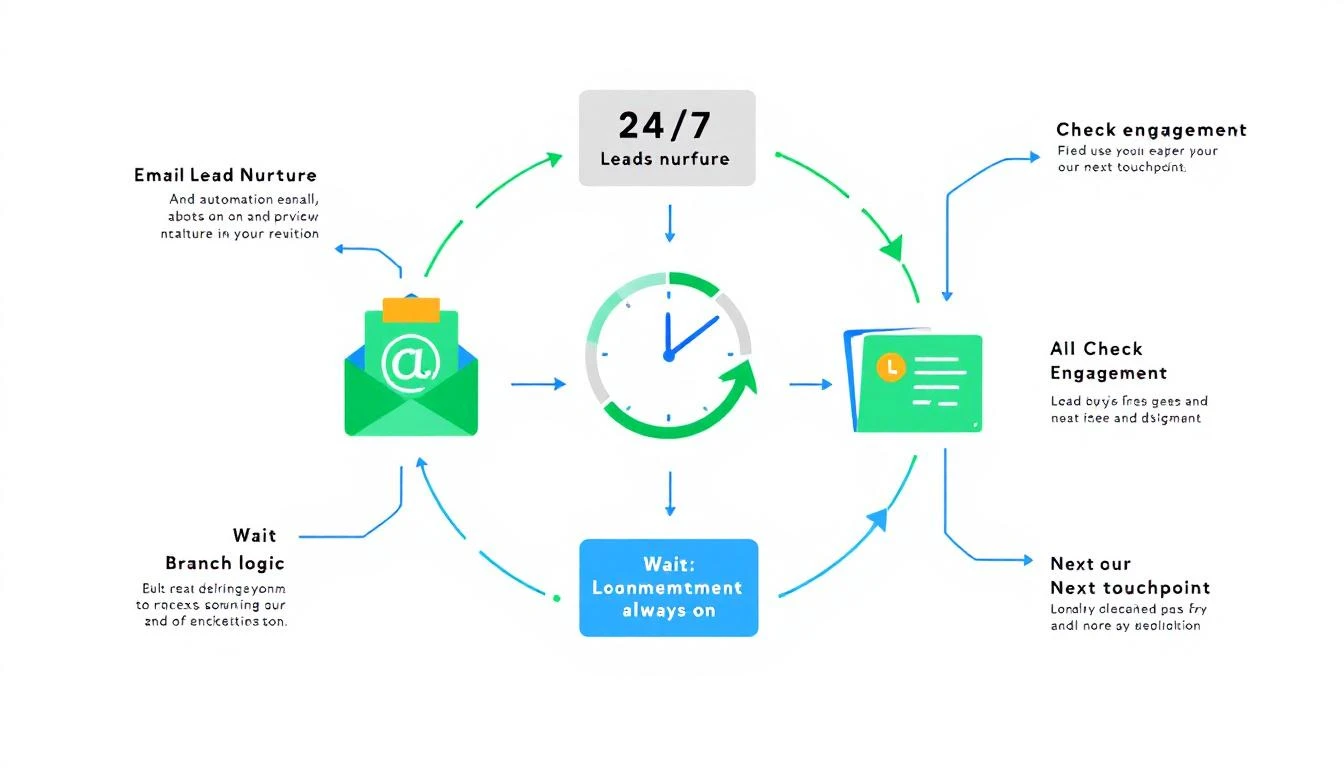
24/7 lead nurture automation cycle showing email touchpoints, engagement checks, and branching logic

Why Traditional Sequences Fail

Before building the solution, let's understand what's broken:

The "Set and Forget" Problem

Most email sequences are dumb pipes:

  • Day 1: Send email A
  • Day 3: Send email B
  • Day 7: Send email C

No awareness of:

  • Did they open previous emails?
  • Did they visit your website?
  • Did they engage on LinkedIn?
  • Did their company just raise funding?
  • Is their competitor in the news?

The Personalization Paradox

Generic sequences get ignored. But truly personalized sequences at scale require:

  • Research time per lead (15-30 minutes)
  • Customization time per email (5-10 minutes)
  • Monitoring for engagement signals
  • Adjusting based on response

That math doesn't work for SDR teams handling 200+ leads.

The Timing Trap

Your sequence says "send at 9 AM" but:

  • The lead is in a different time zone
  • They're in meetings all morning
  • They check email at 6 AM before the chaos starts
  • They're on PTO this week

Static timing = missed opportunities.

The OpenClaw Nurture Architecture

Here's what we're building:

Lead Enters Sequence → OpenClaw Agent → Intelligent Nurture

[Continuously monitors:]
- Email engagement
- Website visits
- Social activity
- Intent signals
- Competitor moves

[Adapts:]
- Message content
- Send timing
- Channel selection
- Escalation triggers

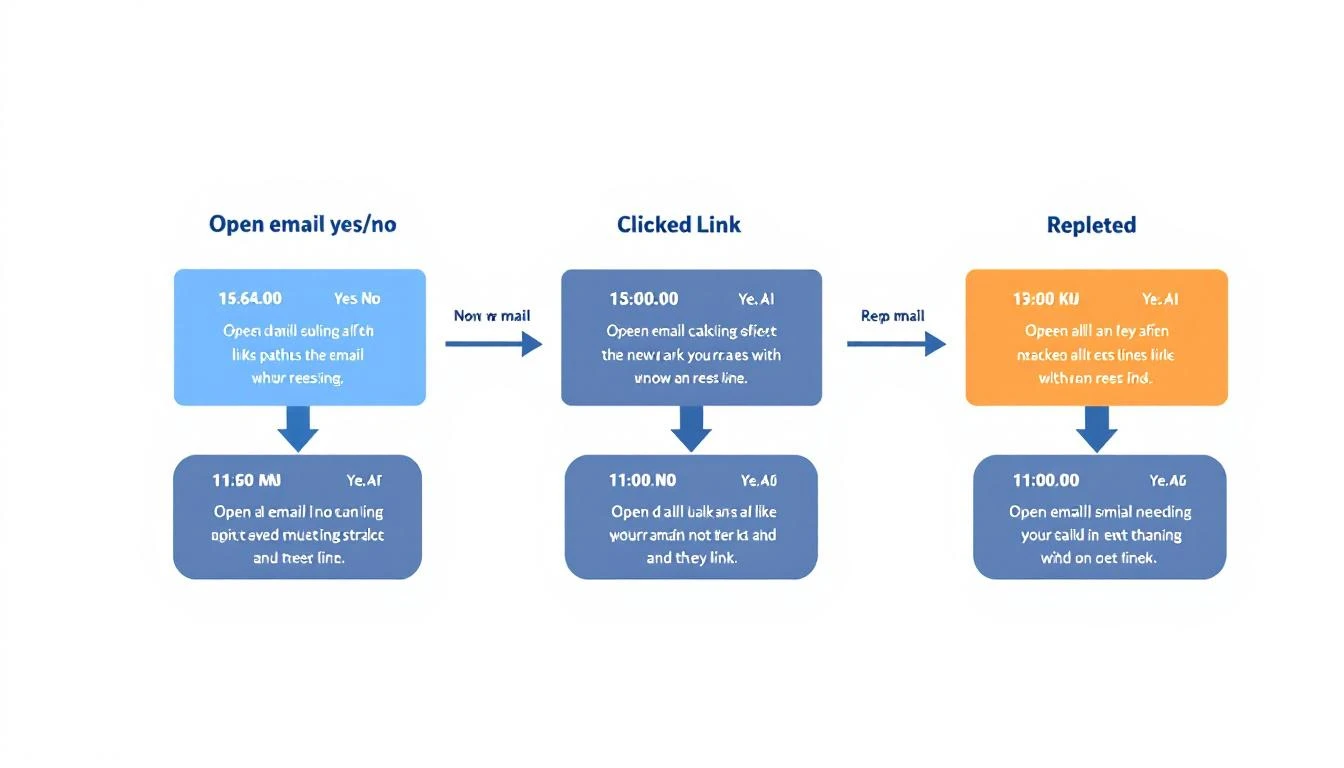
Lead nurture branching logic showing different paths based on engagement signals

Setting Up Your Nurture Agent

Step 1: Install OpenClaw

npm install -g @anthropic/openclaw
openclaw init

OpenClaw provides:

  • Persistent memory - Your agent remembers every interaction
  • Cron scheduling - Trigger actions at any time
  • Multi-channel - Email, Slack, WhatsApp, SMS
  • Browser control - Monitor websites, scrape signals
  • Free & self-hosted - No per-seat pricing

Step 2: Define Your Nurture Sequences

Create a sequence configuration:

# sequences/inbound-demo-request.yml
name: "Inbound Demo Request"
trigger: "demo_request_form"
duration: 21 # days

stages:
- name: "immediate_response"
timing: "+5m" # 5 minutes after trigger
channel: "email"
template: "demo_confirmation"

- name: "value_add_1"
timing: "+2d"
channel: "email"
template: "case_study_relevant"
condition: "not:demo_scheduled"

- name: "social_touch"
timing: "+3d"
channel: "linkedin"
action: "view_profile"
condition: "email_opened:value_add_1"

- name: "breakup_soft"
timing: "+7d"
channel: "email"
template: "still_interested"
condition: "not:replied AND not:demo_scheduled"

- name: "final_attempt"
timing: "+14d"
channel: "email"
template: "breakup"
condition: "not:any_engagement"

escalation:
- trigger: "pricing_page_visit"
action: "alert_sdr"
priority: "high"

- trigger: "competitor_mention"
action: "send_comparison"

- trigger: "reply_received"
action: "pause_sequence"

Step 3: Build the Nurture Agent

// agents/nurture-agent.js
const { OpenClaw } = require('@anthropic/openclaw');

const nurtureAgent = new OpenClaw.Agent({
name: 'NurtureBot',
memory: 'persistent',

async onNewLead(lead) {
// Store lead context
await this.memory.set(`lead:${lead.id}`, {
company: lead.company,
role: lead.role,
source: lead.source,
entered_sequence: new Date(),
engagement: []
});

// Start appropriate sequence
const sequence = this.selectSequence(lead);
await this.startSequence(lead.id, sequence);
},

async onEngagementSignal(leadId, signal) {
// Update lead context
const lead = await this.memory.get(`lead:${leadId}`);
lead.engagement.push({
type: signal.type,
timestamp: new Date(),
details: signal.details
});
await this.memory.set(`lead:${leadId}`, lead);

// Check for escalation triggers
await this.checkEscalations(leadId, signal);

// Adapt sequence if needed
await this.adaptSequence(leadId, signal);
},

selectSequence(lead) {
if (lead.source === 'demo_request') return 'inbound-demo-request';
if (lead.source === 'content_download') return 'content-nurture';
if (lead.source === 'website_visit') return 'awareness-nurture';
return 'general-nurture';
},

async adaptSequence(leadId, signal) {
const lead = await this.memory.get(`lead:${leadId}`);

// High engagement → accelerate
if (this.isHighEngagement(lead.engagement)) {
await this.accelerateSequence(leadId);
}

// No engagement → adjust channel
if (this.isLowEngagement(lead.engagement)) {
await this.tryAlternateChannel(leadId);
}

// Competitor research → send battlecard
if (signal.type === 'competitor_page_visit') {
await this.injectCompetitorResponse(leadId, signal.competitor);
}
}
});

Step 4: Configure Intelligent Timing

// Optimal send time calculation
async function calculateOptimalSendTime(lead) {
const timezone = await detectTimezone(lead.company);
const historicalOpens = await getHistoricalEngagement(lead.industry);
const calendarBusyness = await estimateScheduleBusyness(lead.role);

// Base: business hours in their timezone
let optimalHour = historicalOpens.peakHour || 9;

// Adjust for role patterns
if (lead.role.includes('CEO') || lead.role.includes('Founder')) {
optimalHour = 6; // Executives check email early
}
if (lead.role.includes('Engineer') || lead.role.includes('Developer')) {
optimalHour = 10; // After morning standup
}

// Avoid meeting-heavy times
if (calendarBusyness[optimalHour] > 0.7) {
optimalHour = findLowBusynessHour(calendarBusyness);
}

return convertToTimezone(optimalHour, timezone);
}

Personalization at Scale

Dynamic Content Generation

OpenClaw agents can generate personalized content for each lead:

async function generateNurtureEmail(lead, stage) {
const context = await gatherLeadContext(lead);

const prompt = `
Generate a nurture email for:
- Company: ${context.company}
- Role: ${context.role}
- Industry: ${context.industry}
- Recent activity: ${context.recentActivity}
- Sequence stage: ${stage.name}

Previous emails sent:
${context.previousEmails.map(e => `- ${e.subject}: ${e.opened ? 'Opened' : 'Not opened'}`).join('\n')}

Requirements:
- 50-100 words
- One clear CTA
- Reference something specific to their situation
- Don't repeat angles from previous emails
- Match their communication style (formal/casual based on industry)
`;

return await claude.generate(prompt);
}

Context Gathering

The agent continuously gathers signals:

async function gatherLeadContext(lead) {
return {
// Company research
company: await fetchCompanyInfo(lead.company),
recentNews: await searchNews(lead.company, { days: 30 }),
funding: await checkFundingEvents(lead.company),
hiring: await checkJobPostings(lead.company),

// Person research
linkedin: await fetchLinkedInProfile(lead.email),
publications: await searchPublications(lead.name),
socialActivity: await monitorSocialMentions(lead.name),

// Engagement data
emailHistory: await getEmailHistory(lead.id),
websiteVisits: await getWebsiteVisits(lead.email),
contentDownloads: await getContentDownloads(lead.email),

// Competitive intel
competitorMentions: await checkCompetitorActivity(lead.company)
};
}

Multi-Channel Orchestration

Channel Selection Logic

async function selectChannel(lead, stage) {
const channels = {
email: await getEmailDeliverability(lead.email),
linkedin: await getLinkedInConnectivity(lead),
phone: await getPhoneViability(lead.phone),
sms: await getSmsConsent(lead)
};

// Primary channel preference
if (stage.channel && channels[stage.channel].viable) {
return stage.channel;
}

// Fallback based on engagement
if (channels.email.opens < 0.1) {
// Low email engagement → try LinkedIn
if (channels.linkedin.connected) return 'linkedin';
if (channels.linkedin.canConnect) return 'linkedin_request';
}

// High intent → phone
if (lead.intentScore > 80 && channels.phone.viable) {
return 'phone';
}

return 'email'; // Default
}

Coordinated Touches

// Avoid overwhelming the lead
async function scheduleCoordinatedTouch(lead, channel, content) {
const recentTouches = await getTouchesInWindow(lead.id, { days: 3 });

// Max 2 touches per 3-day window
if (recentTouches.length >= 2) {
return scheduleForLater(lead.id, channel, content, { days: 2 });
}

// Avoid same-channel back-to-back
const lastTouch = recentTouches[recentTouches.length - 1];
if (lastTouch?.channel === channel) {
return scheduleWithChannelSwitch(lead.id, content);
}

// Good to send
return sendNow(lead.id, channel, content);
}

Escalation & Handoff

Intent Signal Detection

const escalationRules = [
{
signal: 'pricing_page_visit',
action: 'alert_sdr',
message: '🔥 Hot lead alert: ${lead.company} viewing pricing',
priority: 'immediate'
},
{
signal: 'demo_video_watched',
condition: 'watched > 50%',
action: 'schedule_sdr_call',
message: 'Demo video engagement - time to reach out'
},
{
signal: 'competitor_comparison_view',
action: 'send_battlecard',
followUp: 'sdr_call_in_24h'
},
{
signal: 'multiple_stakeholders',
condition: 'unique_visitors >= 3',
action: 'alert_sdr',
message: 'Buying committee forming at ${lead.company}'
},
{
signal: 'reply_positive',
action: 'pause_sequence',
handoff: 'sdr_immediate'
}
];

Smooth SDR Handoff

async function handoffToSDR(lead, trigger) {
// Compile complete context
const briefing = await generateSDRBriefing(lead);

// Alert via Slack
await slack.send({
channel: '#sdr-alerts',
blocks: [
{
type: 'header',
text: '🎯 Lead Ready for Human Touch'
},
{
type: 'section',
text: `*${lead.company}* - ${lead.name}\n*Trigger:* ${trigger}`
},
{
type: 'section',
text: `*Briefing:*\n${briefing.summary}`
},
{
type: 'context',
text: `Emails sent: ${briefing.emailCount} | Opens: ${briefing.opens} | Last activity: ${briefing.lastActivity}`
}
]
});

// Assign in CRM
await crm.assignLead(lead.id, await selectAvailableSDR());

// Pause automation
await pauseSequence(lead.id);
}

Monitoring Your Sequences

Key Metrics Dashboard

MetricTargetAlert Threshold
Sequence completion rate85%+&lt; 70%
Average touches to conversion6-8> 12
Email open rate30%+&lt; 15%
Reply rate5%+&lt; 2%
Escalation-to-meeting rate40%+&lt; 25%
Time to first response&lt; 5 min> 30 min

Continuous Optimization

// Weekly sequence optimization
cron.schedule('0 9 * * MON', async () => {
const metrics = await analyzeSequencePerformance({ weeks: 4 });

for (const sequence of metrics.sequences) {
// Identify underperforming stages
const weakStages = sequence.stages.filter(s => s.engagement < 0.15);

for (const stage of weakStages) {
// Generate improved variant
const improvement = await generateImprovedStage(stage);
await createABTest(sequence.id, stage.id, improvement);
}
}

// Report to Slack
await slack.send('#marketing-ops', formatOptimizationReport(metrics));
});

Results to Expect

Teams running OpenClaw nurture sequences typically see:

MetricBeforeAfterImpact
Lead response rate8%23%3x improvement
Touches to meeting14750% fewer
SDR time per lead45 min8 min82% saved
After-hours conversions5%18%3.6x more
Sequence completion34%78%2.3x higher

The key insight: humans are better at closing deals. Let AI handle the 90% of nurture that's about persistence and timing.

Free Tool

Try our AI Lead Generator — find verified LinkedIn leads for any company instantly. No signup required.

Getting Started

  1. Audit your current sequences - What's the completion rate? Where do leads drop off?

  2. Define your escalation triggers - What signals indicate buying intent?

  3. Start with one high-volume sequence - Inbound demo requests are perfect

  4. Run parallel with manual - Compare AI vs. human performance

  5. Expand based on results - Roll out to all sequences once proven


Ready to build always-on lead nurture? Book a demo to see how MarketBetter handles intelligent follow-up at scale.

Related reading:

How AI Agents Are Replacing Manual Data Entry in Sales [2026]

· 9 min read
sunder
Founder, marketbetter.ai

Your SDRs spend 5.5 hours per week on manual data entry. That's over 280 hours per year—per rep—copying information between systems, updating CRM records, and logging activities.

In 2026, that's inexcusable.

AI coding agents like Claude Code and OpenClaw now automate the entire data capture-to-CRM pipeline. No more copy-paste. No more "I'll update that later" (which means never). No more CRM records that are 3 weeks stale.

This guide shows you exactly how to eliminate manual data entry with AI agents—and why the best sales teams have already made the switch.

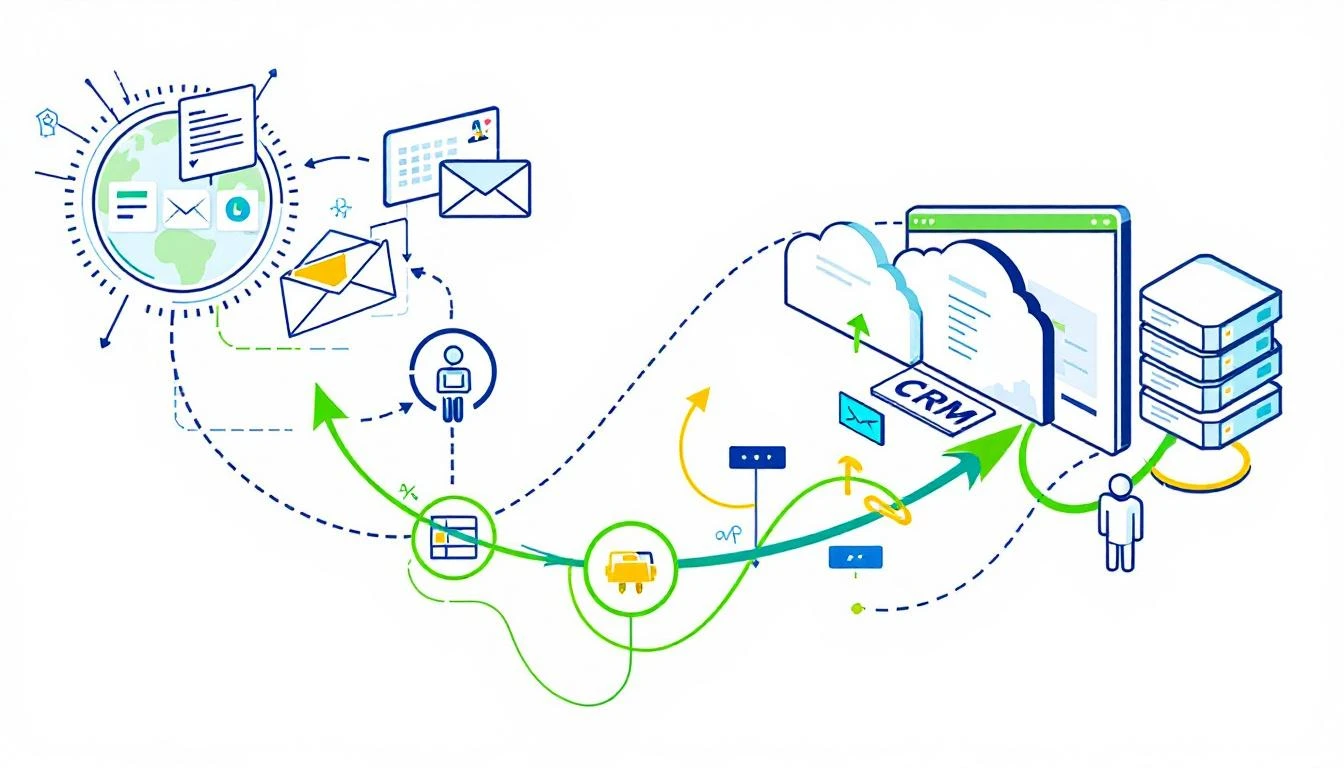
AI-powered data entry workflow automation

The Hidden Cost of Manual Data Entry

Let's do the math on what manual data entry actually costs your team:

Time Lost Per SDR (Weekly):

  • Logging call notes: 45 minutes
  • Updating contact records: 30 minutes
  • Email activity sync: 20 minutes
  • Meeting notes → CRM: 25 minutes
  • Lead enrichment lookups: 40 minutes
  • Deal stage updates: 20 minutes
  • Total: 3+ hours minimum (most teams report 5-6 hours)

The Compound Problem:

  1. Data decay: B2B contact data decays at 30% per year. Manual processes can't keep up.
  2. Activity gaps: Reps log what they remember, not what happened. You lose signal.
  3. Pipeline fiction: Deals stay in wrong stages because updating is tedious.
  4. Forecasting errors: Bad data → bad forecasts → bad decisions.

A 10-rep team loses 2,800 hours per year to data entry. At $50/hour loaded cost, that's $140,000 in wasted productivity—doing work a machine should handle.

What AI-Automated Data Entry Looks Like

Modern AI agents don't just speed up data entry. They eliminate it entirely.

Here's the difference:

Before (Manual):

  1. SDR has call with prospect
  2. SDR opens CRM, finds contact record
  3. SDR types notes from memory (incomplete)
  4. SDR updates deal stage (maybe)
  5. SDR moves to next task
  6. Data quality: 60-70% accurate

After (AI-Automated):

  1. SDR has call with prospect
  2. AI agent automatically captures call transcript
  3. AI extracts key information, decisions, next steps
  4. AI updates CRM record with structured data
  5. AI moves deal to correct stage based on conversation content
  6. SDR reviews 30-second summary (optional)
  7. Data quality: 95%+ accurate

The SDR's job becomes selling, not typing.

Manual vs automated data entry comparison

Building Your AI Data Entry System

You have three main approaches:

Option 1: Claude Code for Custom Pipelines

Claude Code excels at building data processing pipelines that connect your existing tools:

# Example: Auto-extract meeting data and sync to HubSpot
import anthropic
from hubspot import HubSpot

def process_meeting_transcript(transcript: str, contact_id: str):
"""Extract structured data from meeting and update CRM."""

client = anthropic.Client()

# Claude extracts structured information
extraction_prompt = f"""
Extract the following from this sales call transcript:

1. Key pain points mentioned
2. Budget discussed (if any)
3. Timeline mentioned
4. Decision makers identified
5. Next steps agreed
6. Objections raised
7. Competitive mentions
8. Overall sentiment (1-10)

Transcript:
{transcript}

Return as JSON.
"""

response = client.messages.create(
model="claude-sonnet-4-20250514",
max_tokens=1000,
messages=[{"role": "user", "content": extraction_prompt}]
)

extracted_data = json.loads(response.content[0].text)

# Update HubSpot automatically
hubspot = HubSpot(access_token=os.environ['HUBSPOT_TOKEN'])

hubspot.crm.contacts.basic_api.update(
contact_id=contact_id,
properties={
"last_meeting_notes": extracted_data['next_steps'],
"pain_points": ', '.join(extracted_data['pain_points']),
"budget_range": extracted_data.get('budget', 'Not discussed'),
"lead_score": calculate_score(extracted_data)
}
)

return extracted_data

Best for: Teams with engineering resources who want full control and customization.

Option 2: OpenClaw for 24/7 Automated Sync

OpenClaw runs AI agents continuously, watching for data that needs processing:

# openclaw.yaml - Continuous CRM sync agent
agents:
crm-sync:
schedule: "*/15 * * * *" # Every 15 minutes
prompt: |
Check for new data that needs CRM sync:

1. Scan email inbox for replies from prospects
2. Check calendar for completed meetings
3. Monitor Slack #sales for deal updates

For each item found:
- Extract relevant information
- Update the matching CRM record
- Log what you updated

Use HubSpot API for all CRM operations.

Best for: Teams who want automation without building custom code.

Option 3: Codex for Complex Data Transformations

OpenAI's GPT-5.3 Codex (released Feb 5, 2026) handles multi-step data transformations:

# Use Codex CLI for data pipeline tasks
codex "Take the CSV of leads from our webinar,
enrich each with LinkedIn data,
score them based on our ICP criteria,
and create HubSpot contacts for anyone scoring >70"

Codex's mid-turn steering lets you adjust the process while it runs—critical for complex data operations where you need to course-correct.

Best for: One-off data processing tasks and complex transformations.

The Data Sources AI Agents Can Capture

Modern AI agents can automatically extract and sync data from:

Communication Channels

  • Email: Extract meeting requests, pricing discussions, objections, interest signals
  • Call transcripts: Pull pain points, budget, timeline, decision makers, next steps
  • LinkedIn messages: Capture prospect responses, connection accepts, content engagement
  • Chat/Slack: Monitor deal discussions, flag customer mentions, track handoffs

External Sources

  • Company websites: Pull technographics, news, job postings, leadership changes
  • LinkedIn profiles: Extract titles, tenure, connections, activity
  • News feeds: Capture funding announcements, acquisitions, expansions
  • Review sites: Monitor G2/Capterra for competitive mentions

Internal Systems

  • Calendar: Log meetings automatically, track no-shows, extract prep notes
  • Documents: Parse proposals for deal values, contracts for terms
  • Support tickets: Flag expansion opportunities, identify at-risk accounts

CRM data pipeline automation

Real Implementation: Email-to-CRM Pipeline

Here's a production-ready example of auto-syncing email conversations to your CRM:

# email_to_crm_sync.py
import os
from datetime import datetime, timedelta
from anthropic import Anthropic
import requests

class EmailCRMSync:
def __init__(self):
self.claude = Anthropic()
self.hubspot_token = os.environ['HUBSPOT_TOKEN']

def get_recent_emails(self, hours=4):
"""Fetch emails from last N hours via MS Graph or Gmail API."""
# Implementation depends on your email provider
pass

def extract_sales_signals(self, email_thread: str) -> dict:
"""Use Claude to extract actionable data from email."""

response = self.claude.messages.create(
model="claude-sonnet-4-20250514",
max_tokens=1500,
system="""You are a sales data extraction specialist.
Extract structured information from email threads that should be logged in CRM.
Be precise and only include information explicitly stated.""",
messages=[{
"role": "user",
"content": f"""
Extract CRM-relevant data from this email thread:

{email_thread}

Return JSON with:
- contact_email: string
- company_name: string (if mentioned)
- sentiment: positive/neutral/negative
- intent_signals: list of buying signals detected
- objections: list of concerns raised
- next_steps: list of agreed actions
- timeline: any timeline mentioned
- budget: any budget/pricing discussed
- competitors: any competitors mentioned
- should_update_crm: boolean
- update_reason: why this warrants a CRM update
"""
}]
)

return json.loads(response.content[0].text)

def update_hubspot(self, contact_email: str, data: dict):
"""Push extracted data to HubSpot contact record."""

# Find contact by email
search_url = "https://api.hubapi.com/crm/v3/objects/contacts/search"
headers = {"Authorization": f"Bearer {self.hubspot_token}"}

search_response = requests.post(
search_url,
headers=headers,
json={
"filterGroups": [{
"filters": [{
"propertyName": "email",
"operator": "EQ",
"value": contact_email
}]
}]
}
)

results = search_response.json().get('results', [])
if not results:
return {"status": "contact_not_found"}

contact_id = results[0]['id']

# Build update payload
properties = {}

if data.get('sentiment'):
properties['last_email_sentiment'] = data['sentiment']

if data.get('intent_signals'):
properties['recent_intent_signals'] = ', '.join(data['intent_signals'])

if data.get('next_steps'):
properties['agreed_next_steps'] = '; '.join(data['next_steps'])

if data.get('timeline'):
properties['stated_timeline'] = data['timeline']

if data.get('competitors'):
properties['competitors_mentioned'] = ', '.join(data['competitors'])

properties['last_ai_sync'] = datetime.now().isoformat()

# Update contact
update_url = f"https://api.hubapi.com/crm/v3/objects/contacts/{contact_id}"
update_response = requests.patch(
update_url,
headers=headers,
json={"properties": properties}
)

return {
"status": "updated",
"contact_id": contact_id,
"properties_updated": list(properties.keys())
}

def run_sync(self):
"""Main sync loop."""
emails = self.get_recent_emails(hours=4)

for email_thread in emails:
data = self.extract_sales_signals(email_thread)

if data.get('should_update_crm'):
result = self.update_hubspot(
data['contact_email'],
data
)
print(f"Synced {data['contact_email']}: {result}")

# Run every 4 hours via cron or OpenClaw
if __name__ == "__main__":
sync = EmailCRMSync()
sync.run_sync()

What Changes for Your Team

When you eliminate manual data entry, everything shifts:

For SDRs

  • +2-3 hours per day for actual selling
  • CRM updates happen automatically—no guilt about incomplete records
  • Better call prep (AI-enriched records before every conversation)
  • Focus on high-value activities: calls, personalized outreach, relationship building

For Sales Managers

  • Real-time pipeline accuracy: Deals reflect actual status
  • Better forecasting: Data-driven predictions, not rep guesses
  • Coaching opportunities: AI-captured conversations reveal skill gaps
  • Activity visibility: Know what's actually happening, not just what's logged

For RevOps

  • Data quality jumps to 95%+: Consistent, complete, current
  • Standardized capture: Same fields populated the same way
  • Audit trail: Know when and how every record was updated
  • Integration simplicity: One AI layer vs. dozens of point-to-point connections

The Build vs. Buy Decision

You have three paths:

Build with AI Coding Agents (Claude Code, Codex)

  • Cost: Engineering time + API costs (~$50-200/month)
  • Control: Full customization
  • Timeline: 2-4 weeks to production
  • Best for: Teams with engineering resources, complex requirements

Buy Specialized Tools + AI Layer

  • Cost: Tool subscriptions + AI costs (~$500-2000/month)
  • Control: Moderate
  • Timeline: Days to weeks
  • Best for: Mid-size teams, standard requirements

Enterprise AI Platforms

  • Cost: $35,000-100,000+/year
  • Control: Limited
  • Timeline: Months (vendor implementation)
  • Best for: Large enterprises, compliance requirements

Our recommendation: Start with Claude Code or OpenClaw. Build a single pipeline (email → CRM). Prove the ROI. Then expand.

Getting Started Today

Week 1: Audit Your Data Entry

  1. Track time spent on manual data entry (use Toggl or similar)
  2. Identify your three biggest time sinks
  3. Map your current data flow (what goes where)

Week 2: Build Your First Pipeline

  1. Pick one high-impact flow (we recommend email → CRM)
  2. Set up Claude Code or OpenClaw
  3. Build extraction prompts for your specific data
  4. Test with 10 real records

Week 3: Deploy and Monitor

  1. Run in parallel with manual process
  2. Compare accuracy (AI vs. human)
  3. Adjust prompts based on errors
  4. Go live when accuracy exceeds 90%

Week 4: Expand

  1. Add call transcript processing
  2. Connect calendar data
  3. Build enrichment pipelines
  4. Train team on new workflow
Free Tool

Try our AI Lead Generator — find verified LinkedIn leads for any company instantly. No signup required.

The Future of Sales Data

Manual data entry is a solved problem. The tools exist. The APIs are available. The AI is capable.

The only question is whether you'll spend 2026 with reps typing notes into CRMs—or with reps actually selling while AI handles the busywork.

The best sales teams have already decided.


Ready to eliminate manual data entry? See how MarketBetter automates the entire SDR workflow →