4 posts tagged with "territory-routing"

View All Tags

Scaling EHS Software Sales Across Europe: How Multi-Market BDR Teams Use Territory-Based Signal Routing to 3x Pipeline Velocity


ยท 12 min read
MarketBetter Team
Content Team, marketbetter.ai

EHS multi-market BDR territory signal routing

Selling safety compliance software in one country is hard enough. Selling it across Europe โ€” where every market has different regulatory frameworks, different languages, different buyer expectations, and different competitive landscapes โ€” is an entirely different category of GTM problem.

Most EHS software companies that expand beyond their home market hit the same wall: their sales infrastructure was built for one country, and it breaks when you stretch it across twelve.

BDRs in London are working leads that should belong to the DACH team. The CRM shows duplicates because HubSpot and Salesforce aren't properly synced. Website visitors from French companies are being routed into English-language email sequences. A safety director in Sweden visits the product page three times in a week, and nobody notices because the signal gets lost in a firehose of unfiltered global traffic.

The result isn't just inefficiency โ€” it's missed revenue. In a market where deals take 6โ€“12 months to close and buyer committees span EHS, operations, IT, and procurement, losing even a few weeks of response time can mean losing the deal entirely.

This is the story of how one European-headquartered EHS compliance platform restructured their entire BDR operation around territory-based signal routing โ€” and tripled their pipeline velocity across EMEA without hiring a single additional rep.
How Benefits and HR Technology Companies Scale SDR Teams Without Losing Pipeline Quality

ยท 12 min read
MarketBetter Team
Content Team, marketbetter.ai

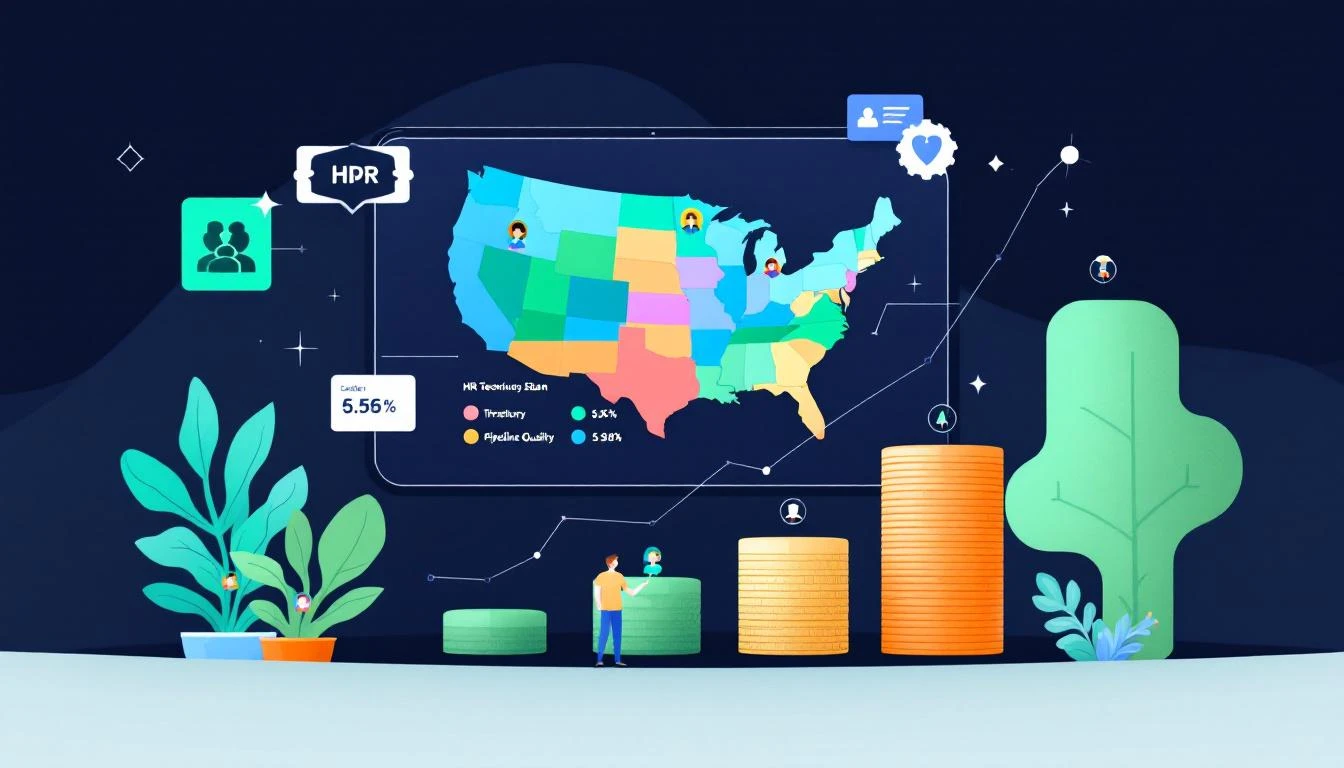
Benefits and HR technology company scaling SDR team with AI signals

There's a specific growth stage in B2B sales that breaks more companies than any other: scaling from 2 SDRs to 5.

At 2 reps, everything is informal. Territories are loose. Lead routing is "whoever grabs it first." Both reps know the ICP because they've been living in it since day one. Pipeline quality stays high because the founders or sales leaders are personally reviewing every opportunity.

At 5 reps? That informal system collapses. Reps step on each other's accounts. New hires don't have the tribal knowledge to qualify properly. Lead response times spike because routing rules don't exist. And pipeline quality โ€” the metric that actually matters โ€” craters as quantity replaces precision.

This is the exact challenge that a benefits distribution platform recently navigated. They'd built a solid business with a small sales team, a product that HR departments genuinely needed, and a growing pipeline. But scaling the team from 2 to 3 SDR seats โ€” with plans to reach 5 โ€” threatened to break everything that was working.

Here's how they solved it, and what every HR tech and benefits company can learn from their approach.

How Benefits Distribution Companies Scale Their SDR Team with AI-Powered Territory Signals [2026]

ยท 12 min read
MarketBetter Team
Content Team, marketbetter.ai

Benefits distribution is one of the most relationship-driven corners of B2B sales. You're not selling a tool that gets deployed and forgotten โ€” you're selling a platform that touches every employee in an organization, handles sensitive personal data, and sits at the intersection of HR, payroll, compliance, and employee experience. The sales cycle is long, the stakeholders are many, and the difference between a good lead and a waste of time often comes down to knowing exactly which type of deal you're pursuing before you ever pick up the phone.

And yet, most benefits distribution companies still run their outbound motion like it's 2019: a couple of SDRs splitting accounts alphabetically, running the same sequences regardless of whether they're targeting a 50-person startup or a 5,000-employee enterprise, and hoping that volume eventually produces pipeline.

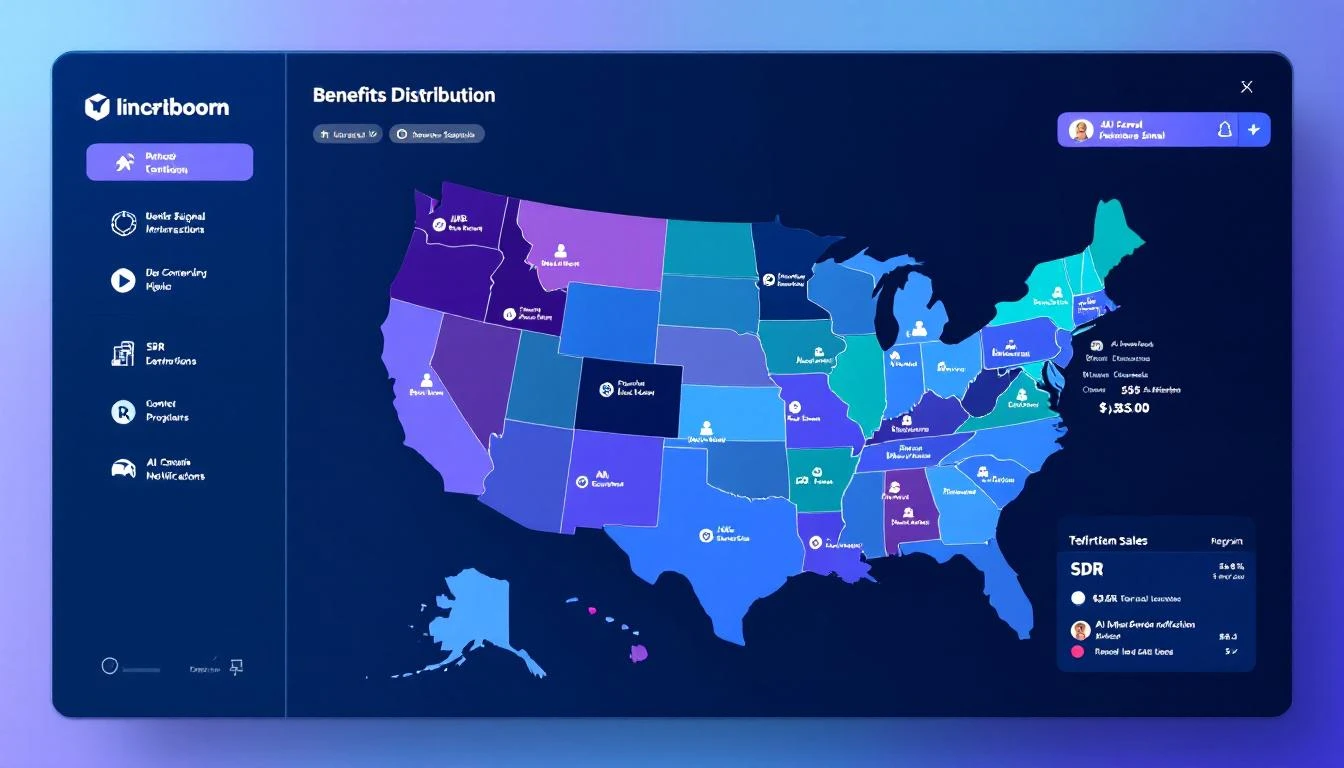
This is the story of how one benefits distribution platform transformed its SDR operation โ€” scaling from two reps to three, defining six distinct ICP deal types, implementing territory-based routing by US state, and building a pipeline machine powered by AI signals instead of gut instinct.

Benefits distribution HR tech AI SDR territory signals

How HR Benefits Technology Companies Can Build Territory-Based SDR Pipelines with AI-Powered Signals

ยท 11 min read
MarketBetter Team
Content Team, marketbetter.ai

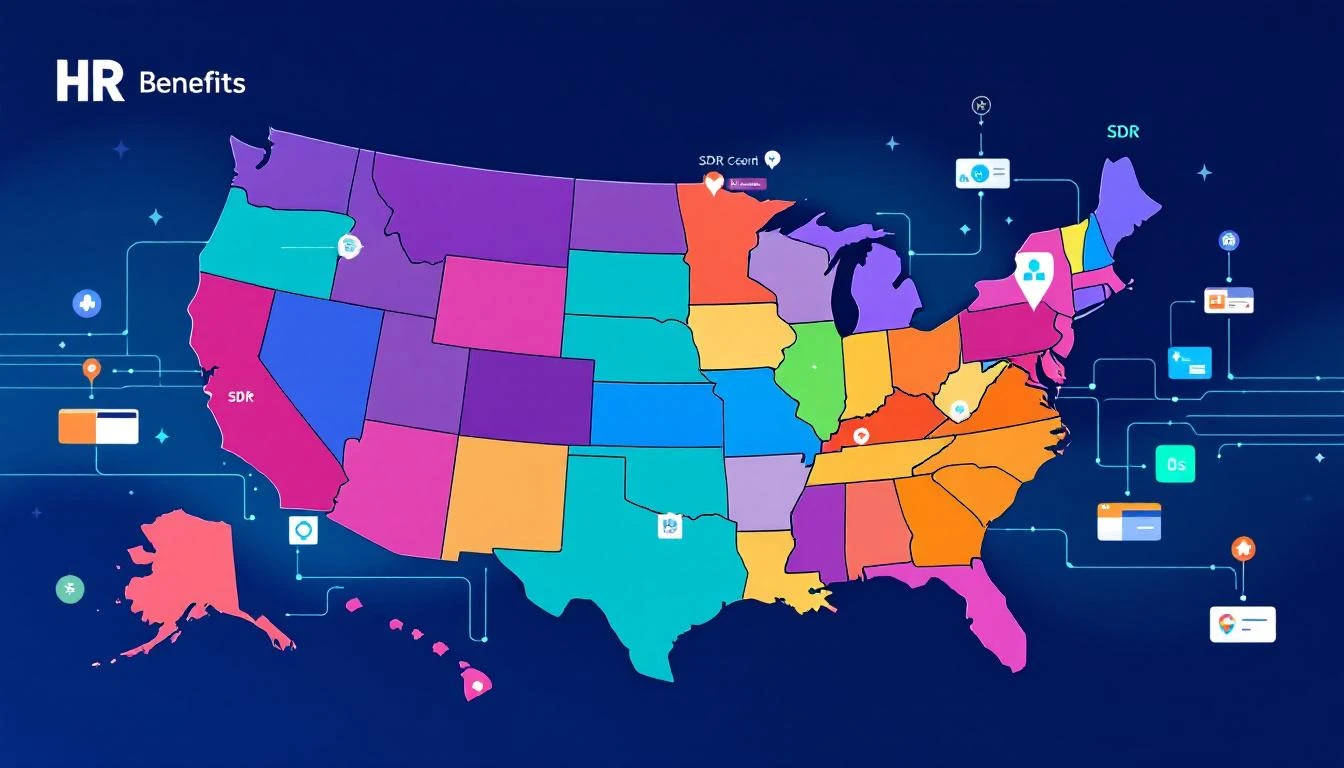
HR Benefits Technology Territory-Based SDR Pipeline

The HR benefits technology space is booming. Employers are scrambling to modernize how they distribute, manage, and communicate employee benefits โ€” and the vendors serving them are growing fast. But growth creates a specific problem: how do you scale your sales development operation when your market segments are complex and your SDR team is still small?

This is the exact challenge facing benefits distribution platforms right now. Companies in this space typically sell to HR directors, benefits administrators, and brokers โ€” but the buying motion varies wildly depending on company size, industry vertical, and geographic region. A 50-person startup evaluating benefits software has completely different needs than a 5,000-person manufacturing company with unionized workers across six states.

For SDR teams in HR tech, the result is chaos: reps waste time on accounts that don't fit, messaging falls flat because it's too generic, and pipeline stalls because nobody owns the right territory.

Signal-based selling changes the equation entirely.