4 posts tagged with "B2B pipeline"

View All Tags

From Signal to Meeting: How Top SDR Teams Convert Intent Data Into Pipeline in 24 Hours [2026]

· 9 min read
sunder
Founder, marketbetter.ai

Here's the uncomfortable truth about intent data in 2026: most teams that buy it don't use it well.

They have visitor identification. They have intent signals. They have enrichment tools. And they still take 48+ hours to follow up—if they follow up at all.

Meanwhile, the teams booking 3-5x more meetings from the same traffic aren't using better data. They're using better workflows. Specifically, they've built a system that moves from signal detection to a booked meeting in under 24 hours.

This post breaks down exactly how they do it.
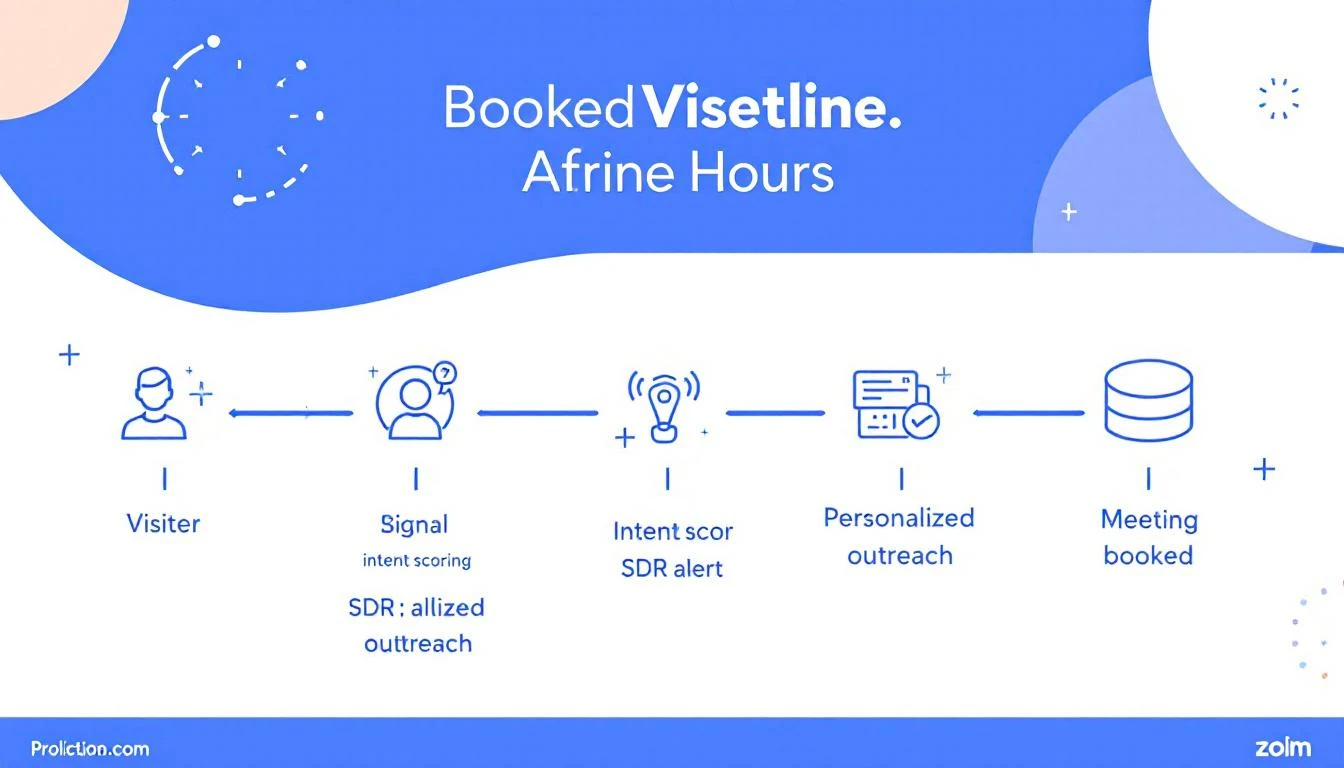
Signal to meeting pipeline showing the 24-hour journey from visitor identification to booked meeting


Why Speed Kills (Your Competition)

The data on speed-to-lead is brutal and well-documented:

  • Responding within 5 minutes makes you 21x more likely to qualify a lead than responding after 30 minutes (InsideSales/XANT research)
  • 78% of B2B buyers purchase from the vendor that responds first (Drift/Salesloft)
  • After 1 hour, your odds of meaningful contact drop by 10x
  • After 24 hours, most buying intent has cooled significantly—the prospect has moved on, talked to a competitor, or deprioritized the evaluation

Yet the average B2B company takes 42 hours to respond to an inbound lead. For anonymous visitor signals (which aren't even "leads" in the traditional sense), most companies never respond at all.

That's the gap. And it's where pipeline lives.
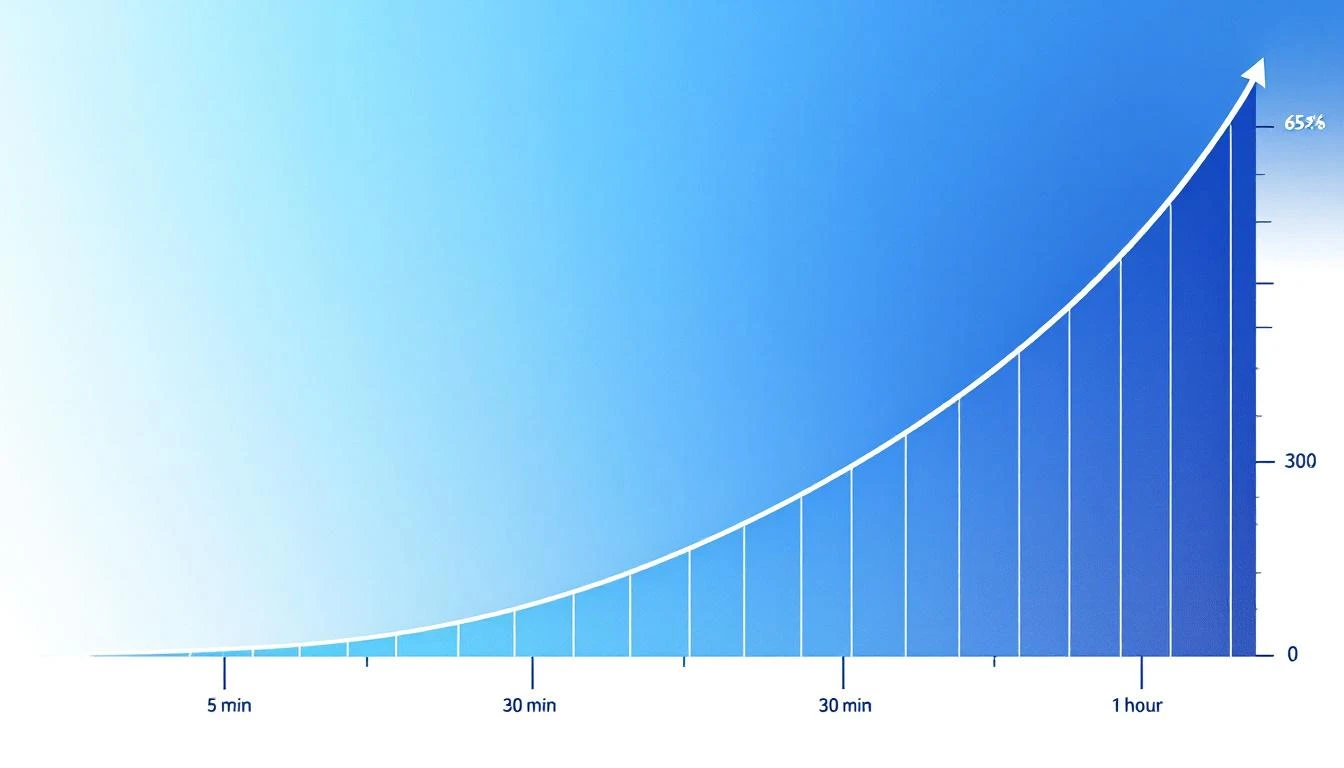
Speed to lead conversion curve showing dramatic drop-off after 5 minutes


The 24-Hour Signal-to-Meeting Framework

The best SDR teams we've studied follow a remarkably similar pattern. Here's the framework broken into four phases:

Phase 1: Signal Detection (0-1 Hours)

This is where most teams already have the tools but lack the filtering logic. You don't need to act on every visitor—you need to act on the right visitors immediately.

What "right" looks like:

Signal TypePriorityResponse Window
Pricing page visit + ICP match🔴 CriticalUnder 1 hour
Multiple page visits in one session🟠 HighUnder 4 hours
Return visitor (2nd+ visit this week)🟠 HighUnder 4 hours
Blog/resource visit + ICP match🟡 MediumSame day
Single page bounce⚪ LowNurture sequence

The mistake most teams make: treating all signals equally. A pricing page visit from a VP of Sales at a 200-person SaaS company is not the same as a blog reader from a university. Your system needs to know the difference instantly.

How to set this up:

  1. Configure visitor identification with firmographic filtering—company size, industry, and job title should be immediately visible
  2. Set up real-time alerts for critical signals (pricing page + ICP match should trigger a Slack/Teams notification within minutes)
  3. Auto-enrich identified visitors with company data, recent news, tech stack, and funding info before the SDR even sees the alert

The goal: when your SDR gets the notification, they should have everything they need to personalize outreach in the alert itself. Zero research required.


Phase 2: Prioritized Outreach (1-4 Hours)

This is where workflows beat willpower.

The SDR who "checks the dashboard when they get around to it" will always lose to the SDR who has a structured morning routine built around intent signals.
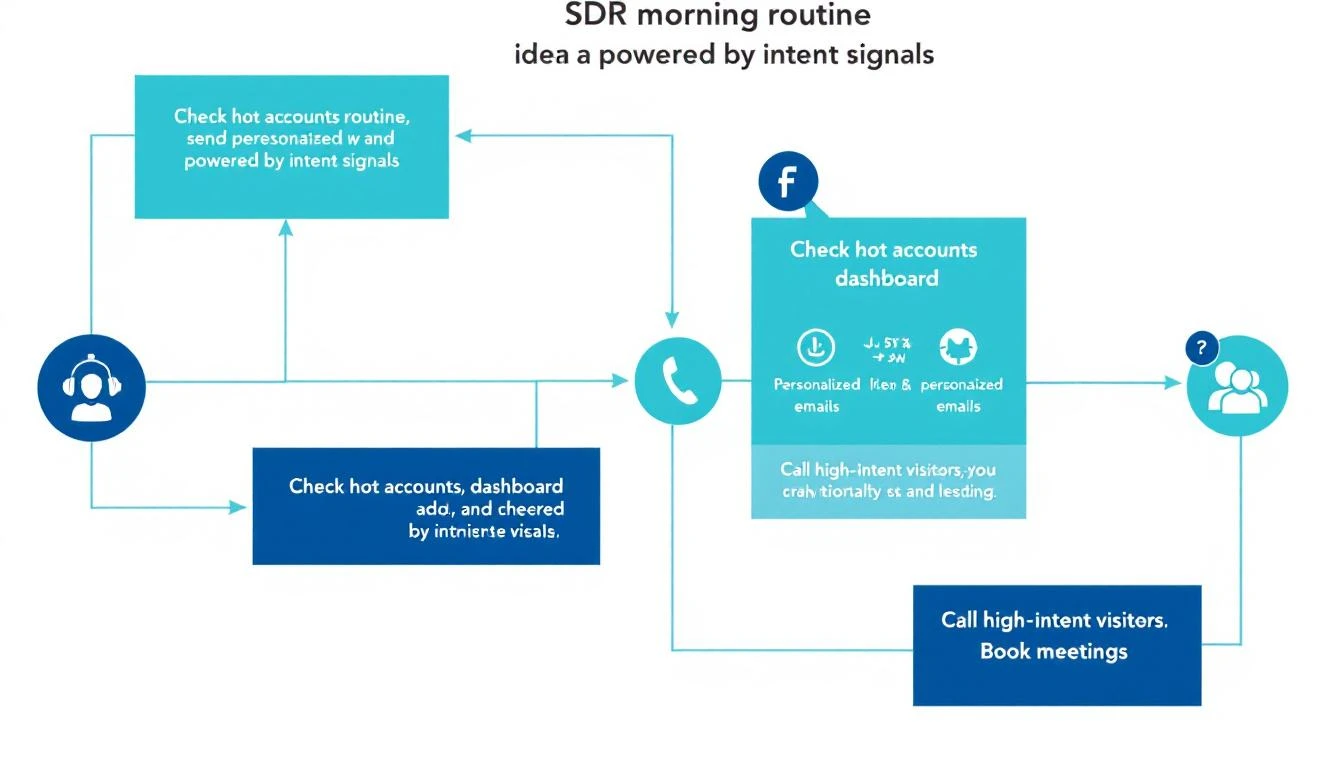
SDR morning workflow powered by intent signals

The SDR's First 30 Minutes (Daily Routine):

  1. Open your prioritized queue — not a raw dashboard, but a filtered, ranked list of yesterday's and overnight's high-intent visitors
  2. Review the top 5 accounts — each should show: company name, visitor pages viewed, time on site, firmographic match score, and a suggested talk track
  3. Send personalized outreach to the top 3 — email or LinkedIn, referencing what they were researching (without being creepy about it)
  4. Queue calls for the top 2 — phone is still the fastest path to a meeting for hot signals
  5. Move remaining accounts to automated sequences based on their signal tier

The personalization formula that works:

"Hi {first_name}, I noticed {company_name} has been evaluating {category} solutions. A lot of {industry} teams we work with were dealing with {common pain point}—is that on your radar too?"

Notice what this doesn't say: "I saw you visited our pricing page at 2:47 PM." That's surveillance, not sales. Reference the category and pain point, not the specific behavior.


Phase 3: Multi-Touch Acceleration (4-12 Hours)

One email isn't a strategy. The teams converting at the highest rates run a multi-touch sequence within the first 12 hours for critical signals:

Hour 0-1: Personalized email (referencing their research area)

Hour 2-3: LinkedIn connection request with a note (keep it short—compliment something specific about their work)

Hour 4-6: Phone call attempt #1 (leave a voicemail that references the email)

Hour 8-12: Follow-up email with a specific resource relevant to what they were researching

Why multi-touch matters:

  • Email alone has a 2-5% reply rate
  • Email + LinkedIn bumps it to 8-12%
  • Email + LinkedIn + phone pushes it to 15-25% for ICP-matched, high-intent signals

The key insight: each additional channel doesn't just add impressions—it signals seriousness and competence. When a prospect sees your name in their inbox, on LinkedIn, and hears your voice on a voicemail within the same day, you're establishing that you're responsive, professional, and everywhere they need you to be.


Phase 4: Meeting Conversion (12-24 Hours)

By hour 12, you should know which prospects are engaging (opened emails, accepted LinkedIn, visited again) and which went cold.

For engaged prospects:

  • Send a calendar link with 2-3 specific time slots (not an open calendar—too much friction)
  • Reference their engagement: "Saw you checked out our case study on {topic}—happy to walk you through how {similar company} got {specific result}. Does Thursday at 2 PM CT work?"
  • If they visited again after your outreach, call immediately—they're actively evaluating

For cold prospects (no engagement after 12 hours):

  • Move to a 7-day nurture sequence with value-first content
  • Set a reminder to re-engage if they visit again (this is where automation earns its keep)
  • Don't force it—not every signal converts, and that's fine

The math that makes this work:

Let's say your site gets 1,000 B2B visitors per month. With visitor identification at a 20% match rate, that's 200 identified companies. Of those, maybe 40 match your ICP. With the 24-hour framework:

  • 40 ICP-matched signals per month
  • 60% outreach rate (24 contacted per month)
  • 15% meeting conversion rate
  • = 3-4 new meetings per month from existing traffic alone

That's pipeline from visitors who would have otherwise bounced forever. No ad spend. No cold lists. Just faster execution on signals you're already generating.


The 5 Mistakes That Kill Signal-to-Meeting Velocity

1. Treating Your Dashboard Like a To-Do List

Dashboards are for reporting, not for action. If your SDRs start their day by opening a dashboard and scrolling, you've already lost. They need a prioritized queue that tells them exactly who to contact and in what order.

2. Requiring Manual Research

Every minute an SDR spends researching a prospect is a minute they're not reaching out. Auto-enrichment should deliver company info, recent news, tech stack, funding status, and a suggested talk track before the SDR sees the lead.

3. Waiting for "Marketing Qualified" Status

MQL gates kill speed. If a VP of Sales at a 300-person SaaS company visits your pricing page, that's a signal worth acting on now—not after marketing scores it, nurtures it, and eventually passes it over in next week's pipeline meeting.

4. One-Channel Outreach

Email-only follow-up is leaving meetings on the table. The data consistently shows that multi-channel sequences (email + LinkedIn + phone) convert 3-5x better than single-channel approaches.

5. No Feedback Loop

If your SDRs don't report back which signals converted and which didn't, your system never improves. Build a simple closed-loop: signal → outreach → outcome → adjust scoring. Over time, your system gets smarter about which signals actually predict meetings.


How to Measure Your Signal-to-Meeting Pipeline

Track these four metrics weekly:

1. Signal-to-First-Touch Time How long between a high-intent signal firing and the SDR's first outreach? Target: under 4 hours for critical signals.

2. Multi-Touch Completion Rate What percentage of high-priority signals receive the full multi-touch sequence (email + LinkedIn + phone)? Target: 80%+.

3. Signal-to-Meeting Conversion Rate Of all high-intent signals, how many result in a booked meeting within 7 days? Target: 10-15% for ICP-matched visitors.

4. Pipeline from Signals (Attribution) How much pipeline can you directly attribute to visitor signals vs. cold outbound vs. inbound forms? This is your ROI metric.


The Bottom Line

The gap between teams that struggle with intent data and teams that print pipeline from it isn't the data quality or the tools—it's the workflow.

Speed, prioritization, multi-channel execution, and a closed feedback loop. That's the formula.

The companies winning in 2026 don't have more data. They have faster systems for turning that data into conversations.

Your website visitors are already telling you who's interested. The question is whether your team can get to them before your competitor does.


Ready to turn your anonymous visitors into booked meetings? See how MarketBetter's signal-to-action playbook works →


Related reading:

How Benefits and HR Technology Companies Scale SDR Teams Without Losing Pipeline Quality

· 12 min read
MarketBetter Team
Content Team, marketbetter.ai

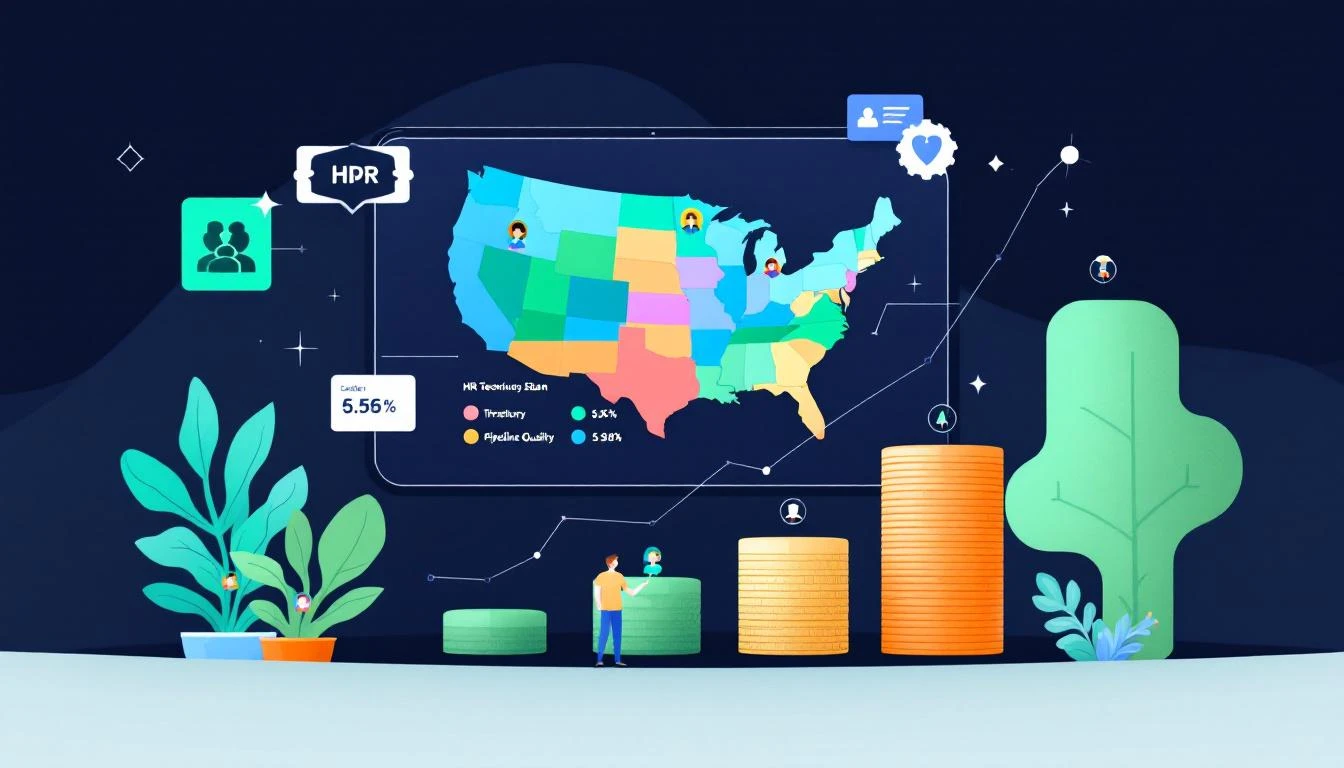
Benefits and HR technology company scaling SDR team with AI signals

There's a specific growth stage in B2B sales that breaks more companies than any other: scaling from 2 SDRs to 5.

At 2 reps, everything is informal. Territories are loose. Lead routing is "whoever grabs it first." Both reps know the ICP because they've been living in it since day one. Pipeline quality stays high because the founders or sales leaders are personally reviewing every opportunity.

At 5 reps? That informal system collapses. Reps step on each other's accounts. New hires don't have the tribal knowledge to qualify properly. Lead response times spike because routing rules don't exist. And pipeline quality — the metric that actually matters — craters as quantity replaces precision.

This is the exact challenge that a benefits distribution platform recently navigated. They'd built a solid business with a small sales team, a product that HR departments genuinely needed, and a growing pipeline. But scaling the team from 2 to 3 SDR seats — with plans to reach 5 — threatened to break everything that was working.

Here's how they solved it, and what every HR tech and benefits company can learn from their approach.

How Market Research and Advisory Firms Build Predictable Revenue with Event-Driven AI Signals

· 11 min read
MarketBetter Team
Content Team, marketbetter.ai

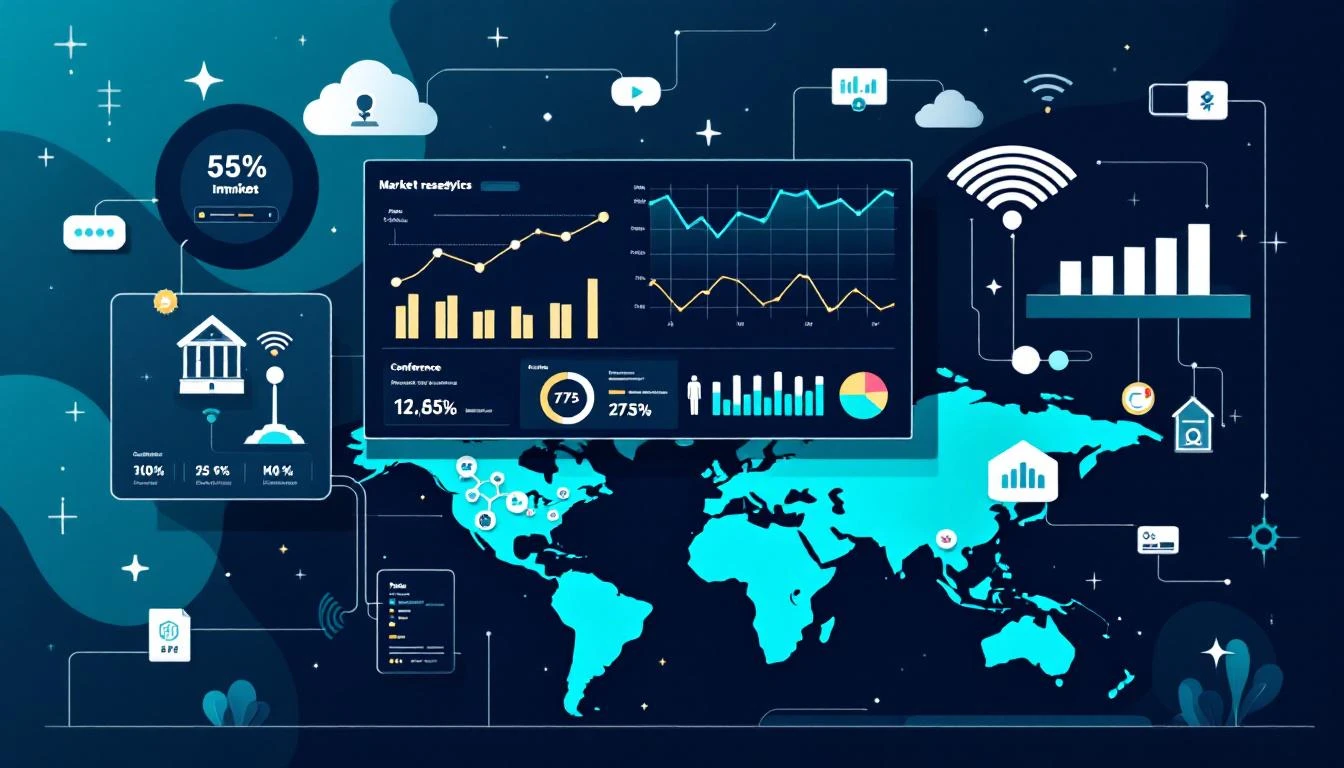
Market research advisory firm building pipeline with event-driven AI signals

Market research and advisory firms face a revenue problem that most B2B companies never think about: your pipeline is inherently cyclical.

Conferences drive a surge of interest. A major industry report drops and suddenly everyone wants to talk. A trade show produces 300 badge scans that should become qualified conversations. Then the event ends, the excitement fades, and your sales team is back to cold outreach — hoping the next conference is close enough to keep the lights on.

If you run a market research or advisory firm — particularly in a focused vertical like smart home technology, connected consumer devices, or IoT — you know this rhythm intimately. Revenue clusters around events. The spaces between them are a grind. And scaling beyond a certain point feels impossible because your pipeline is hostage to the industry calendar.

This is the story of how one advisory firm in the connected consumer and smart home space broke out of that cycle — not by attending more events, but by fundamentally changing how they captured and acted on the signals those events generated.

How Market Research Firms Can Turn Conference Attendee Lists Into Qualified Pipeline

· 10 min read

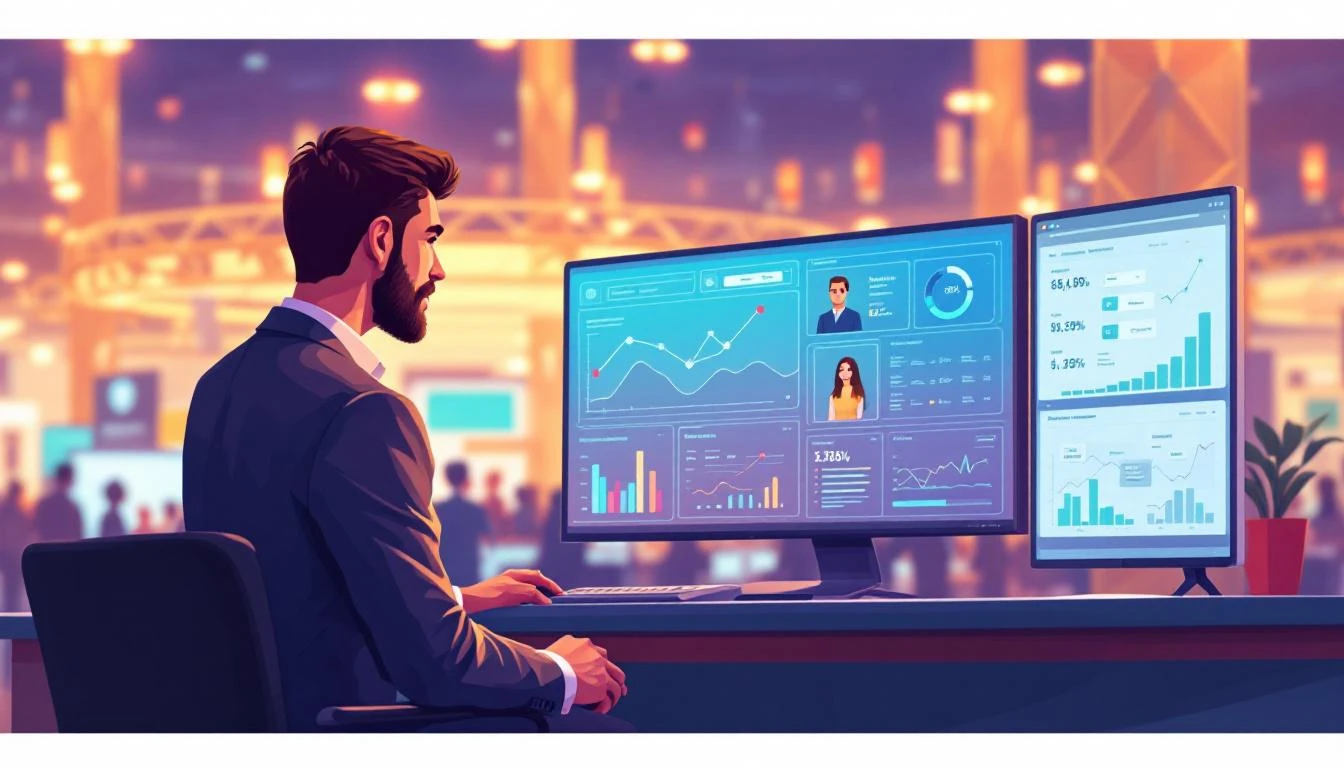
Market research conference signal-based outreach

Market research firms have a pipeline problem that's hiding in plain sight: they know exactly where their buyers gather, but they have no system for converting that knowledge into deals.

Think about it. If you sell research, data, or advisory services in a specific vertical — smart home, connected consumer, healthcare tech, industrial IoT — you already know which conferences your buyers attend. You sponsor some of them. You speak at others. Your analysts walk those expo halls, shake hands, collect business cards, and then... what?

Those business cards sit in a desk drawer. The LinkedIn connections get a generic "great meeting you" message. The attendee list from the conference organizer (if you even get one) goes into a spreadsheet that nobody touches after week one.

Meanwhile, the companies that attended those events are actively researching solutions. They're visiting your website. They're reading your competitor's blog. They're in-market — and you're sending them a quarterly newsletter.

This is the story of how one market research firm in the smart home and connected consumer space rebuilt their pipeline engine around event-driven signals — and why every research and advisory firm should pay attention.


The Unique Sales Challenge of Market Research Firms

Market research firms don't sell widgets. They sell intelligence, access, and influence. Their products are subscriptions, custom research projects, advisory retainers, and event sponsorships. The buyers are CMOs, VPs of Strategy, Product leaders, and business development executives at companies within their coverage universe.

This creates a distinctive set of sales dynamics:

1. The Buyer Universe Is Finite and Known

If you cover the smart home industry, you can name every major company, most mid-market players, and a healthy chunk of emerging startups. Your total addressable market isn't millions of companies — it's hundreds, maybe a few thousand. You probably already have relationships with many of them.

2. Events Are the Natural Gathering Point

CES, IFA, industry-specific summits — your buyers come to you. They attend your conferences, visit your booth, sit in your sessions. The problem isn't awareness. It's conversion after the event ends.

3. Buying Signals Are Subtle

A VP of Product at a smart TV manufacturer doesn't fill out a "Request Demo" form on your website. They download a report excerpt. They revisit your research methodology page three times. They send a junior analyst to your webinar. The intent signals are there, but they're quiet — and most firms miss them entirely.

4. Relationship Continuity Is Everything

The analyst who covers smart home audio today might cover connected health tomorrow. The client contact who was VP of Marketing at Company A is now SVP at Company B. These relationship threads are the firm's most valuable asset — and the hardest to track systematically.


What "Before" Looked Like

The firm in question had built a strong brand in the connected consumer and smart home space over many years. They had marquee clients, a respected analyst team, and a calendar full of events. But their sales motion was — by their own admission — "artisanal."

Here's what their pipeline process actually looked like:

Pre-event:

  • The sales team would review the attendee list (when available) and highlight target companies
  • They'd try to pre-schedule meetings at the conference
  • Marketing would send a "come visit our booth" email blast to their database

During the event:

  • Analysts and sales reps would work the conference floor
  • Business cards collected, conversations had, sometimes a LinkedIn connection sent from the hotel bar at 11 PM
  • Notes scribbled on the back of agendas (if at all)

Post-event:

  • The VP of Sales would ask everyone to log their contacts into the CRM
  • Maybe 40% of conversations actually got logged
  • A generic follow-up email would go out 5-7 days later (by which point, the moment was gone)
  • Two weeks later, the event was ancient history and the team was prepping for the next one

The result: Great conversations at events, terrible conversion to pipeline. The firm estimated they were capturing less than 15% of the revenue opportunity from their conference presence.


The Transformation: Event-Driven Signal Selling

The shift didn't require replacing the firm's event strategy. It required augmenting it with signal intelligence before, during, and after each event.

Phase 1: Pre-Event Signal Mapping

Before every major conference, the team now runs a structured signal sweep:

Conference attendee enrichment: The attendee list isn't just a list of names anymore. Each company gets enriched with:

  • Recent website visit activity (are they already researching your firm?)
  • Champion tracking alerts (did any former client contacts recently join this company?)
  • Firmographic data (company size, vertical focus, tech stack)
  • Prior engagement history (past subscriptions, event attendance, content downloads)

This creates a tiered priority list:

TierSignal CombinationAction
🔴 Tier 1Former client champion + website visitor + attendingPersonal outreach from analyst, pre-schedule meeting
🟡 Tier 2Target company + website activity OR prior engagementPersonalized sequence with research preview
🟢 Tier 3ICP match, no prior signalsAwareness email with event-specific offer

Before implementing this system, the team was treating all attendees the same. Now, the sales team walks into every conference knowing exactly who to find first.

Phase 2: Real-Time Event Signals

During the event itself, two signal channels run simultaneously:

1. Website visitor surge monitoring

Conference attendees don't just visit booths — they visit websites. During CES, CEDIA, or any major smart home event, the firm's website visitor identification system tracks a predictable spike in traffic. Companies that visit the research methodology page or pricing page during the conference are actively evaluating.

These real-time alerts go directly to the sales team's phones:

"🔴 [Major Smart TV OEM] just visited the pricing page for the third time today. Their VP of Product is at the conference. Booth #412."

That's not a cold walk-up. That's a warm conversation backed by data.

2. Social listening for event engagement

Conference hashtags, speaker mentions, and live-tweet threads often reveal which companies are most engaged with specific topics. When a product manager at a target company tweets about your analyst's keynote, that's a signal worth acting on that day, not two weeks later in a generic follow-up email.

Phase 3: Post-Event Signal Sequences

This is where most firms drop the ball — and where signal-based selling creates the biggest lift.

Instead of a single "great meeting you at [Conference]" email blast, the team now runs signal-triggered post-event sequences that adapt based on behavior:

Sequence A — Hot Signal (website visit + event interaction):

  • Day 1: Personal follow-up from the analyst they met, referencing specific research relevant to their company
  • Day 3: Exclusive research preview (ungated, full access for 7 days)
  • Day 7: Case study showing ROI for a similar company in the same vertical
  • Day 14: Calendar link for a strategy session

Sequence B — Warm Signal (event attendance, no website visit yet):

  • Day 1: "Insights from [Conference]" summary with original data
  • Day 5: Research excerpt targeting their specific sub-vertical
  • Day 10: Invitation to an upcoming analyst briefing
  • Day 21: Personalized outreach from the relationship manager

Sequence C — Cold (attended conference, no engagement):

  • Added to the long-term nurture campaign with quarterly touchpoints

The key difference: these sequences adjust in real-time based on engagement. If a Tier 3 contact suddenly visits the website and downloads a report during the post-event window, they automatically escalate to Sequence A. No manual intervention. No leads falling through cracks.


The Results: From 15% to 60% Conference ROI Capture

The transformation didn't happen overnight, but after two full event cycles with the signal-based approach:

  • Pre-scheduled meetings per conference: 2-3 → 8-12 (4x increase)
  • Post-event pipeline generated: Up 250% compared to the previous year's same events
  • Time-to-first-meeting after conference: Dropped from 14 days to 2 days (for Tier 1 contacts)
  • CRM logging rate: From ~40% to 95% (because the system captures signals automatically, reducing manual data entry)
  • Conference ROI capture: From an estimated 15% to over 60% of potential revenue opportunity

The Champion Tracking Multiplier

Perhaps the most surprising result came from champion job change monitoring. In the smart home and connected consumer space, executives move between companies frequently. A Director of Product at a smart speaker company becomes VP of Connected Devices at an appliance manufacturer. A strategy consultant at a big firm joins an IoT startup as COO.

The firm had been losing track of these movements — and losing the relationships that came with them. With automated champion tracking:

  • 12 former client contacts who had moved to new companies were identified in the first quarter
  • 5 of those 12 became active opportunities within 60 days
  • 3 converted to new subscriptions — representing over $200K in annual contract value from a signal that previously went undetected

Actionable Takeaways for Market Research and Advisory Firms

1. Your Conference Attendee Lists Are Gold — Stop Treating Them Like Lead Lists

Enrich every attendee with visitor identification data, engagement history, and champion tracking signals before the event. Walk in with a prioritized plan, not a hope.

2. Monitor Website Traffic During Events

When 500 of your target companies are in the same building, your website traffic tells a story. Companies visiting your pricing or methodology pages during a conference are sending a buying signal. Act on it the same day.

3. Replace the Generic Follow-Up Blast with Signal-Triggered Sequences

Your post-event email should be a conversation, not a broadcast. Build sequences that adapt based on real engagement behavior. A contact who visited your website twice gets a different experience than one who only picked up a brochure.

4. Implement Champion Tracking for Your Client Universe

In industry-specific research firms, your client contacts are your network. When they move companies, that's your warmest possible lead. Automated tracking ensures you never miss these transitions.

5. Build a Signal-Based SDR Playbook

Every SDR should start each day with a prioritized task list driven by overnight signals — not a cold call sheet from last quarter's attendee dump. The right tools make this possible without adding complexity.

6. Think in Event Cycles, Not Quarters

Market research pipeline doesn't follow a linear quarterly pattern. It follows the event calendar. Build your signal monitoring and outreach cadences around the 6-8 major events your buyers attend each year. Every event is a pipeline catalyst if you have the signals to capture it.


Why This Matters Now

The market research industry is under pressure from every direction. Clients expect more value per dollar. AI-generated research is commoditizing basic market reports. And the competition for advisory relationships has never been fiercer.

In this environment, the firms that win won't be the ones with the best analysts (though that matters). They'll be the ones with the best signal infrastructure — the ability to detect buying intent, track relationship movements, and act on opportunities faster than their competitors.

The conferences are already on your calendar. The buyers are already in your database. The signals are already being generated. The only question is whether you're capturing them — or letting them disappear into the noise.


MarketBetter combines visitor identification, champion tracking, intent signals, and automated SDR workflows into a single platform built for B2B sales teams. Learn how it works for your industry →