
3 posts tagged with "higher-education"

View All Tags

How University Enrollment Teams Use Website Visitor Intelligence to Identify High-Intent Prospective Students


ยท 10 min read
MarketBetter Team
Content Team, marketbetter.ai

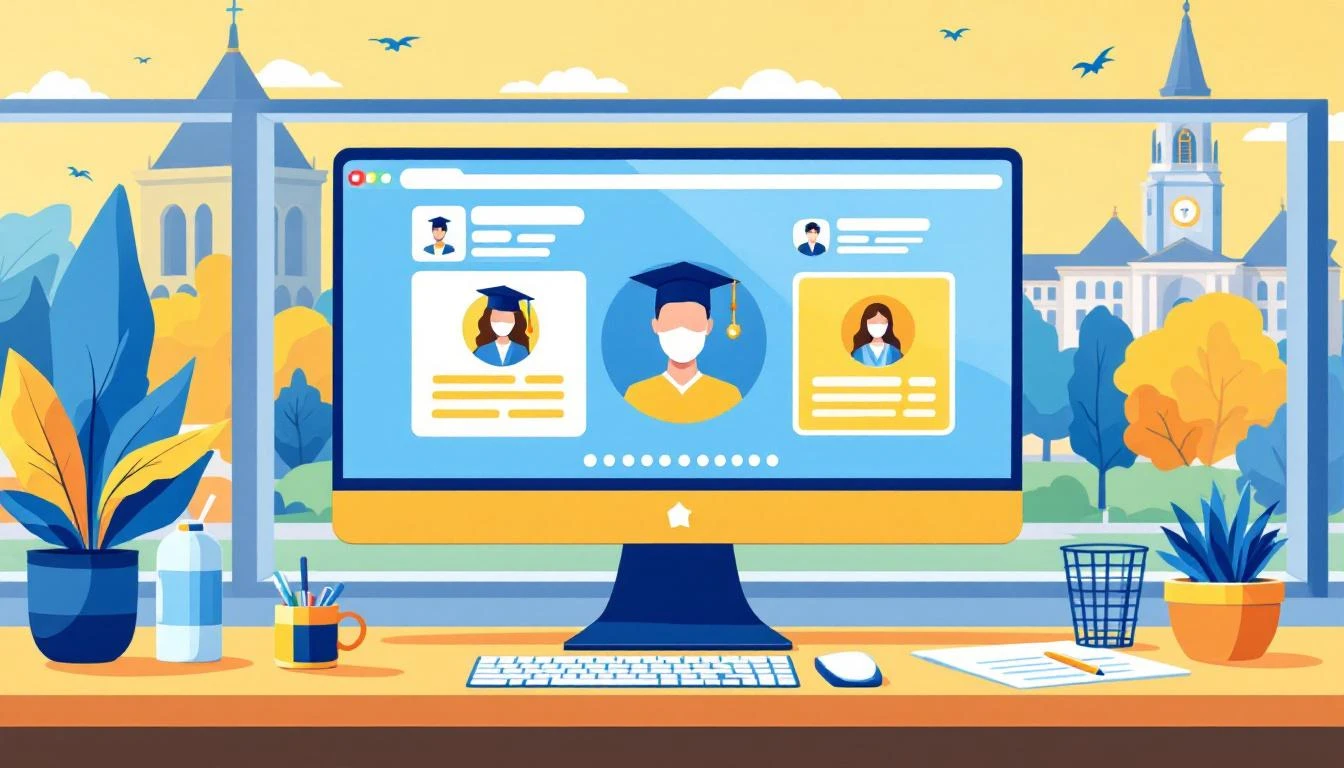
Higher education enrollment visitor intelligence

The higher education enrollment funnel is broken in a way that most admissions teams feel but rarely quantify.

Here's the math that should terrify every enrollment VP: the average university website gets tens of thousands of visitors per month during peak recruitment season. Of those, maybe 3โ€“5% fill out an inquiry form. The other 95% browse program pages, check tuition costs, read faculty bios, look at campus life content โ€” and leave without ever identifying themselves.

Your enrollment marketing budget drove them there. Your SEO, your digital ads, your college fair follow-ups, your email campaigns โ€” all of it worked. They showed up. And then they vanished into the anonymous traffic data, indistinguishable from a high school junior seriously evaluating your nursing program and a parent casually browsing during lunch.

The problem isn't traffic. It's identification.

Most universities are spending $1,500โ€“$4,000 per enrolled student in marketing costs. Yet they're making enrollment decisions โ€” where to allocate counselor time, which programs to promote, which geographic markets to invest in โ€” based on the tiny fraction of prospects who voluntarily raise their hand. The silent majority? Invisible.

One institution changed that. And the results reshaped how their entire enrollment team operates.
How Graduate Schools Can Identify Stealth Applicants Using Website Visitor Intelligence

ยท 13 min read
MarketBetter Team
Content Team, marketbetter.ai

Graduate School Visitor Intelligence โ€” Identifying Stealth Applicants

There's a category of prospective student that every admissions office knows exists but almost nobody can identify: the stealth applicant.

These are the serious prospects who spend hours browsing your program pages, reading faculty bios, checking tuition breakdowns, and comparing your employment outcomes against two or three competitor schools โ€” all without ever submitting a "Request Information" form. They don't attend your virtual open house. They don't reply to your purchased-list email campaigns. They research quietly, make a decision quietly, and either apply (if you're lucky) or disappear into a competitor's incoming class.

In undergraduate admissions, you can partially offset this with sheer volume โ€” tens of thousands of applicants mean a few hundred stealth researchers don't move the needle. In graduate and professional programs, every single prospect matters. A law school class might be 150-200 students. An MBA cohort, 80-120. A specialized master's program, 25-40. Losing five serious researchers to competitor schools isn't a rounding error โ€” it's the difference between hitting your enrollment target and scrambling through a second round of admits.

Website visitor intelligence changes this equation entirely. Not by guessing who's interested, but by revealing the organizations and individuals already deep in their research phase โ€” the ones showing intent through their behavior, not their form submissions.

How Law Schools Use AI Chatbots to Convert More Prospective Students into Enrolled JDs

ยท 12 min read
MarketBetter Team
Content Team, marketbetter.ai

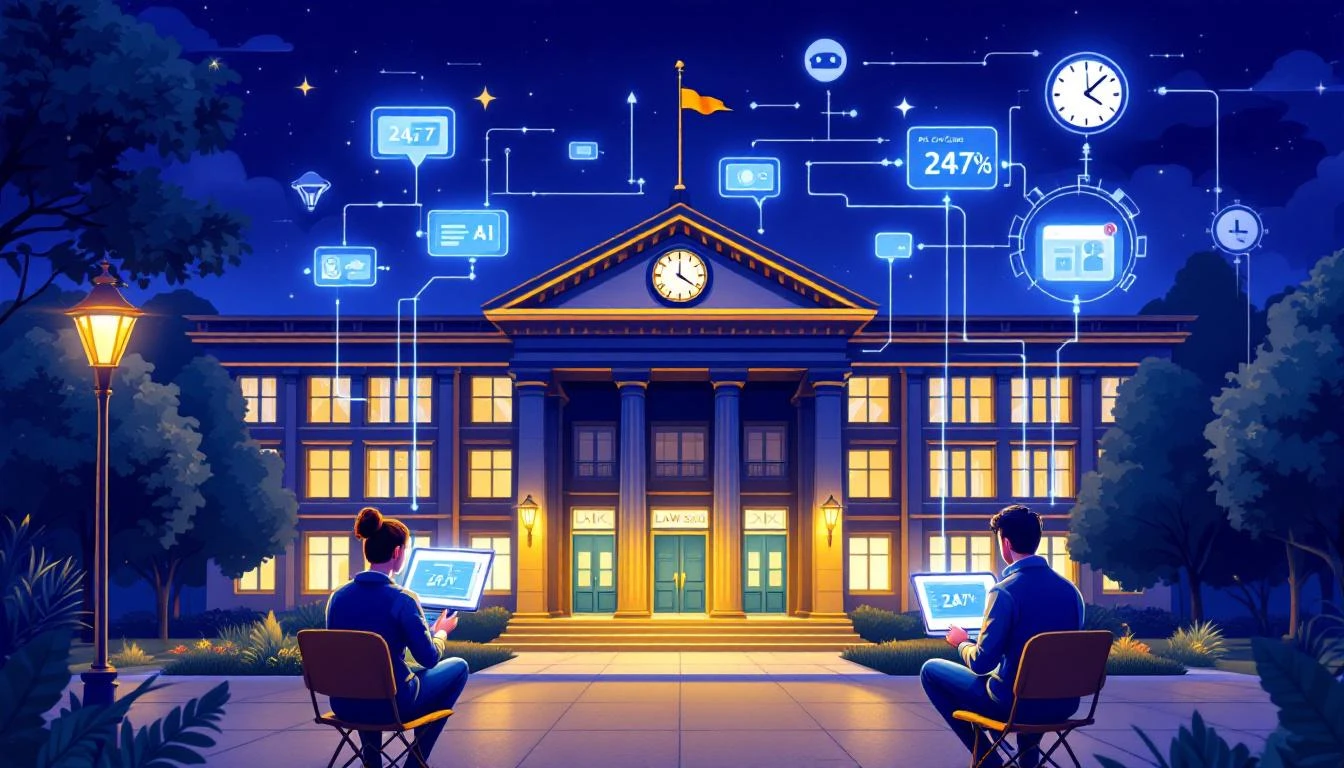
Law School AI Chatbot Enrollment Pipeline

Law school admissions offices are in crisis mode. Applications are surging โ€” the Law School Admission Council reported double-digit application increases in recent cycles โ€” but admissions staff hasn't grown to match. The result? Prospective students submit inquiries and wait days (or weeks) for responses. They visit the website at 11 PM on a Tuesday, read about the JD program, have questions about financial aid or clinic opportunities, and find... a contact form. By the time someone replies on Thursday, they've already scheduled visits at two competing schools.

In higher education, speed-to-response isn't a sales metric. It's an enrollment metric. And most law schools are losing candidates they've already attracted simply because they can't respond fast enough.

This is where AI chatbots are quietly transforming admissions โ€” not as gimmicks, but as genuine operational infrastructure that handles the 80% of inquiries that follow predictable patterns, freeing admissions counselors to focus on the 20% that require human judgment.