4 posts tagged with "Attio"

View All Tags

Attio CRM Pricing 2026: Free, $29 & $69/Seat โ€” Real Cost Per Plan

ยท 10 min read
MarketBetter Team
Content Team, marketbetter.ai

Attio CRM pricing tiers and credit system for 2026

Quick answer (updated July 2026): Attio pricing in 2026 is Free ($0, up to 3 seats), Plus $29/user/month and Pro $69/user/month on annual billing (higher month-to-month), plus Enterprise (custom). The catch is the monthly credit system for enrichment and AI โ€” the per-seat sticker isn't the full cost. Full math below.

Attio publishes pricing on their website โ€” already refreshing in a market where "contact sales" is the norm. But the per-user numbers on the pricing page don't tell the full story. In 2026, two things changed the math: Attio moved data enrichment and its "Ask Attio" AI onto a monthly credit system, and the per-seat sticker price is now only part of what you actually pay.

Here's what Attio actually costs for real sales teams โ€” the features you need, the ones locked behind higher tiers, how the new credit system works, and the total stack cost when you add the tools Attio doesn't include.

Already sold on the product and just weighing tiers? Our Attio CRM review covers the day-to-day experience, and best Attio alternatives breaks down when a different CRM fits better.

Attio Pricing Plans (Updated July 2026)โ€‹

Free Plan โ€” $0/monthโ€‹

FeatureIncluded
SeatsUp to 3
Monthly credits100 seat + 250 workspace
Contact syncingReal-time
Data enrichmentAutomatic (uses credits)
Custom objectsLimited
Email syncBasic
SupportCommunity/docs

Who it's for: Solopreneurs and tiny teams testing whether Attio's data model fits their business. The 3-seat cap makes this impractical for any real sales team, but it's a genuine free tier โ€” not a 14-day trial disguised as "free."

What's missing: Private lists, enhanced email sending, no seat limits, advanced automation. You'll hit the ceiling quickly if you're doing real outbound.

Plus Plan โ€” $36/user/month (or $29/user billed annually)โ€‹

FeatureIncluded
SeatsUnlimited
Monthly credits500 seat + 1,500 workspace
Private listsโœ…
Enhanced email sendingโœ…
Custom objectsMore flexibility
AutomationsBasic workflows
SupportStandard email

Annual cost for 5 users: $1,740/year ($145/month) Monthly cost for 5 users: $2,160/year ($180/month)

Who it's for: Small sales teams (3-10 people) that need collaboration features without enterprise complexity. The jump from Free to Plus is mainly about removing the seat limit and adding email features.

What's missing: Call intelligence, sequences, advanced permissions, priority support. If your SDRs need to make calls through the CRM or run multi-step outreach sequences, you need Pro.

Pro Plan โ€” $86/user/month (or $69/user billed annually)โ€‹

FeatureIncluded
Everything in Plusโœ…
Monthly credits1,000 seat + 10,000 workspace
Call intelligenceโœ…
Sequencesโœ…
Unlimited email sendingโœ…
Advanced permissionsโœ…
Priority supportโœ…
Advanced automationsConditional triggers

Annual cost for 5 users: $4,140/year ($345/month) Monthly cost for 5 users: $5,160/year ($430/month)

Who it's for: Growing sales teams that need call tracking, sequencing, and team permissions. This is where Attio becomes a real sales tool rather than just a contact database.

What's missing: Unlimited custom objects, SSO, dedicated support, advanced security features. Enterprise compliance requirements push you to the next tier.

Enterprise Plan โ€” Custom pricingโ€‹

FeatureIncluded
Everything in Proโœ…
Monthly credits2,500 seat + custom workspace
Unlimited objectsโœ…
Unlimited teamsโœ…
SSO/SAMLโœ…
Advanced securityโœ…
Dedicated supportโœ…

Estimated cost: Based on market reports, expect $100-150+/user/month for teams of 20+. Attio doesn't publish Enterprise pricing, so you'll need to contact their sales team.

Who it's for: Companies with 50+ users that need enterprise security, compliance (SOC 2, SSO), and unlimited data modeling flexibility.

Attio's Credit System: The Part That Changes the Mathโ€‹

This is the piece most Attio pricing pages skip, and it's the thing most likely to surprise you on your second month. In 2026 Attio meters its automated work through two credit pools that refill monthly:

  • Seat credits โ€” consumed per user for actions like automatic data enrichment and "Ask Attio," Attio's built-in AI for searching and creating records.
  • Workspace credits โ€” a shared pool for automations, bulk enrichment, and workflow runs across the whole workspace.

Here's how the pools scale by plan:

PlanSeat credits/moWorkspace credits/mo
Free100250
Plus5001,500
Pro1,00010,000
Enterprise2,500Custom

Why it matters: enrichment and AI aren't unlimited โ€” they draw down credits. A team that leans hard on automatic enrichment, bulk imports, or AI-assisted record creation can burn through a month's allotment well before renewal, especially on Free or Plus. If Attio's enrichment is central to your workflow, model your monthly volume against these limits before you commit, the same way you'd scrutinize the credit math on Apollo's pricing. The sticker price is per seat; the usable price depends on how much automation you actually run.

This is the same trap that makes credit-based tools feel cheap on paper and expensive in practice โ€” a pattern we break down across the outbound stack in what AI SDR tools actually cost in 2026.

Real Cost for a 10-Person Sales Teamโ€‹

Let's calculate what a 10-person SDR team actually pays:

PlanMonthly (billed monthly)Monthly (billed annually)Annual Total
Free$0 (3 seats max)$0 (3 seats max)$0
Plus$360/mo$290/mo$3,480/yr
Pro$860/mo$690/mo$8,280/yr
EnterpriseCustomCustom~$15,000-18,000/yr (est.)

The Hidden Costs: What Attio Doesn't Includeโ€‹

Attio is a CRM. A great one. But SDR teams need more than a CRM. Here's what you'll spend on top of Attio:

Tool Stack You'll Need Alongside Attioโ€‹

Tool CategoryExamplesMonthly Cost
Website visitor IDWarmly, Clearbit, RB2B$300-1,500/mo
Outbound sequencesOutreach, SalesLoft, Instantly$300-2,000/mo
DialerNooks, Orum, Aircall$250-500/mo
Data enrichmentClay, Apollo, ZoomInfo$200-1,000/mo
Email deliverabilityWarmup tools, verification$50-200/mo
Total additional tools$1,100-5,200/mo

So your real SDR stack cost with Attio Pro:

  • Attio: $690/mo (10 users, annual)
  • Additional tools: $1,100-5,200/mo
  • Total: $1,790-5,890/month

That's $21,480-70,680 per year โ€” and you're managing 4-6 separate vendor relationships, data syncs, and billing cycles.

The Alternative: All-in-One SDR Platformsโ€‹

Platforms like MarketBetter bundle visitor identification, email automation, smart dialer, AI chatbot, and daily SDR playbook into a single platform. The TCO comparison:

  • Attio + tool stack: $1,790-5,890/month for 10 SDRs
  • MarketBetter (all-in-one): Significantly lower when you factor in tool consolidation

You still might want a CRM alongside MarketBetter for deal management and forecasting โ€” but you won't need 4-5 additional point solutions.

Attio vs. Other CRM Pricingโ€‹

CRMStarting Price10-User Annual CostSDR Features Built In?
Attio Free$0$0 (3 seats max)โŒ
Attio Plus$29/user/mo$3,480โŒ
Attio Pro$69/user/mo$8,280Basic (sequences, calls)
HubSpot Starter$20/user/mo$2,400Some (email, basic sequences)
HubSpot Professional$100/user/mo$12,000More (but expensive)
Pipedrive Advanced$28/user/mo$3,360Basic (email, calls)
Salesforce Professional$80/user/mo$9,600โŒ (needs Sales Cloud add-ons)
Close CRM$29/user/mo$3,480โœ… (calling + email built in)

Attio is competitively priced as a CRM. It's cheaper than HubSpot Professional and Salesforce while offering more flexibility. The value question isn't Attio's price โ€” it's the total stack cost when you add the SDR tools it doesn't include.

Weighing Attio against the alternatives directly? See our breakdowns of Pipedrive pricing and Close CRM pricing, or the shortlist of the best CRMs for SDR teams in 2026.

When Attio's Pricing Makes Senseโ€‹

Great value if you:

  • Need a modern, flexible CRM and already have your SDR tool stack figured out
  • Are a startup under 10 people where the Free or Plus plan covers your needs
  • Use Attio for non-sales functions (VC deal flow, partnerships, recruiting)
  • Want to replace a bloated Salesforce instance with something faster and cheaper

Less value if you:

  • Are building an SDR team from scratch and need to buy 5 tools on top of Attio
  • Need visitor identification, AI email sequences, and a dialer (none included)
  • Want one platform that tells SDRs what to do, not just where to store contacts

Attio Pricing FAQโ€‹

How much does Attio cost per user? Attio's paid plans are $29/seat/month (Plus) and $69/seat/month (Pro) billed annually, or $36 and $86 respectively billed monthly. The Free plan is $0 for up to 3 seats. Enterprise is custom-quoted, typically $100-150+/seat for larger teams.

Is Attio actually free? Yes โ€” the Free plan has no time limit. It's capped at 3 seats and comes with 100 seat credits and 250 workspace credits per month, plus real-time syncing and automatic enrichment. It's a genuine free tier, not a trial, but the seat cap makes it impractical for a real sales team.

What does Attio's official free plan include? Per Attio's official pricing page, the Free plan includes up to 3 seats, real-time email and calendar sync, automatic enrichment, 100 seat credits and 250 workspace credits per month, and core CRM features (custom objects, pipelines, notes). It excludes advanced permissions, higher credit allowances, and priority support โ€” those start on Plus at $29/seat/month.

What are Attio credits and do they cost extra? Credits are Attio's monthly allowance for automated work โ€” data enrichment and "Ask Attio" AI use seat credits, while automations and bulk actions draw from workspace credits. They refill each month and scale with your plan. Heavy enrichment or AI usage can exhaust them before renewal, so model your volume before committing.

Is Attio good for startups? Yes, if you want a fast, flexible CRM and already have (or don't yet need) an outbound tool stack. Startups under 10 people often fit the Free or Plus tier. For a deeper look at the day-to-day experience, read our full Attio CRM review.

How does Attio pricing compare to HubSpot? Attio Pro ($69/seat) sits between HubSpot Starter ($20/seat) and HubSpot Professional ($100/seat). Attio is more flexible and cheaper than HubSpot Professional, but neither includes a full SDR toolset (visitor ID, dialer, sequences at scale) out of the box.

What's the real total cost of Attio for a sales team? Attio itself runs $3,480-8,280/year for 10 users. But a working SDR stack adds visitor ID, sequences, a dialer, and enrichment โ€” pushing the real total to roughly $21,000-70,000/year. That stack cost, not Attio's seat price, is the number that matters. See MarketBetter vs Attio for the all-in-one comparison.

Bottom Lineโ€‹

Attio's pricing is honest and competitive. The free tier is real. The paid tiers are reasonable. The product is excellent.

The question isn't whether Attio is too expensive โ€” it's whether your total SDR stack (Attio + outbound + visitor ID + dialer + enrichment) is more expensive and complex than an all-in-one alternative. To price out that full stack, see our breakdown of what AI SDR tools actually cost in 2026.

Want to see how an all-in-one SDR platform compares? Book a demo with MarketBetter โ†’


Pricing and credit allowances sourced from attio.com/pricing as of July 2026. All prices in USD unless noted. Attio uses EUR on their European pricing page โ€” we converted at current rates where applicable. Credit limits and AI features ("Ask Attio," Call Intelligence) reflect Attio's current published plans and are subject to change.


Attio CRM Review 2026: G2 Feedback, Real Pricing & Verdict

ยท 16 min read
Sunder Iyer
Founder, marketbetter.ai

Attio CRM Review 2026

Last updated: August 29, 2026 โ€” rewritten to cover Attio's $52M GV-led Series B, the full 2026 AI build-out (Ask Attio, Actions, AI-agent Workflows, MCP server, Web Research Agent), the real credit-based pricing model behind the $29/$69 sticker prices, and current G2 sentiment.

Attio is the CRM that makes you wonder why Salesforce is still worth tens of billions of dollars.

Custom objects you can create in minutes. Sub-50ms queries on massive datasets. A Notion-like interface your team will actually enjoy using. And as of 2026, an entire layer of AI agents that research prospects, execute natural-language commands, and run as steps inside your workflows.

The company now calls itself "the CRM for agentic revenue," and for once the tagline tracks the product. Attio raised a $52 million Series B led by GV (Google Ventures) in August 2025 โ€” bringing total funding to roughly $141M โ€” and spent the following twelve months shipping at a pace that embarrassed the incumbents: Ask Attio in February, an MCP server days later, a Web Research Agent in March, natural-language Actions in April, and full AI-agent Workflows in June.

But after re-evaluating Attio for SDR team workflows in late 2026, our core finding from February still holds: Attio tells you where your contacts are in the pipeline โ€” and now lets AI agents enrich and summarize them โ€” but it still doesn't tell your SDRs who to contact next, why, and through which channel.

Here's our full, updated review.

What Changed in 2026โ€‹

If you last looked at Attio in 2025, the product you evaluated no longer exists. The 2026 release cadence was one long agentic build-out:

DateReleaseWhy it matters
Aug 2025$52M Series B led by GVTotal funding ~$141M; runway to build "AI-native CRM" positioning
Feb 4, 2026Ask Attio launchesConversational interface across records, notes, calls, emails
Feb 18, 2026Permissions systemGranular workspace access controls โ€” an enterprise checkbox filled
Feb 19, 2026MCP serverAttio connects natively to the AI ecosystem (Claude, agent tools)
Mar 10, 2026Ask Attio in SlackQuery CRM data without opening Attio
Mar 24, 2026Web Research AgentAI attribute that researches any question about a record across the web
Apr 16, 2026Claude Opus 4.7 model optionChoose the model powering Ask Attio
Apr 29, 2026Ask Attio ActionsExecute tasks โ€” create records, update fields, draft emails โ€” from plain language
Apr 29, 2026ChatGPT store listingAttio accessible as a ChatGPT connector
May 28, 2026Custom context for Ask AttioTeach the AI your business's terminology and priorities
Jun 9, 2026Workflows with AI agentsCustom agent blocks run as workflow steps with CRM + web context
Jul 28, 2026Formula attributesComputed fields โ€” "Attio now does the math"
Aug 25, 2026Workflows apps, system object renaming, sidebar refreshMore stack connections, customizable terminology

Three of these are genuinely significant. Ask Attio Actions turned the AI from a search box into an operator โ€” "move all deals from Acme to closed-lost and log a note" now just happens. The MCP server made Attio one of the first CRMs a Claude or ChatGPT agent can read and write directly, and it's now a pre-configured connection in Notion Custom Agents, Raycast, and Clay. And Workflows' custom agent block lets you drop a prompted AI agent into an automation โ€” with access to your records, meeting transcripts, connected apps, and live web research โ€” which is the closest any mainstream CRM has come to letting you build your own revenue agents in-product.

That's the bull case. Now the review.

What Attio Gets Rightโ€‹

Custom Objects: Still the Killer Featureโ€‹

Most CRMs force your business into pre-built categories: Contacts, Companies, Deals. Attio lets you create any object type โ€” Investors, Portfolio Companies, Partnerships, Vendors, whatever your business model requires โ€” with real relationships between them.

Independent reviewers have built pipelines with eight or more custom objects and complex cross-references. That's the kind of flexibility that makes Salesforce admins cry, and in 2026 it got better: the August release even lets you rename system objects, so "Companies" can become "Accounts" or "Practices" or whatever your team actually says out loud.

Why it matters for sales: you can model your exact sales process โ€” territory assignments, deal stages, product lines, partner channels โ€” without hiring a consultant. New in July 2026, formula attributes compute values across those objects natively, killing a whole class of spreadsheet exports.

Performance That Actually Scalesโ€‹

Attio claims sub-50ms latency on millions of records. Independent reviewers testing with 50,000+ contacts confirmed no slowdown in filtering or sorting, and the May 2026 record-page redesign was explicitly speed-focused. That's not marketing fluff โ€” that's real engineering.

For comparison, many Salesforce instances start lagging with complex views over 10,000 records. HubSpot handles large lists well but slows down under heavy custom-property loads.

The Best CRM UX on the Marketโ€‹

Every Attio review still mentions the interface. It looks like Notion met a CRM and they had a beautiful child. List views are intuitive, filters are instant, kanban boards are clean, and the 2026 activity-timeline redesign cut a lot of the noise from record histories.

G2 reviewers consistently say things like:

  • "Strikes the perfect balance between power and simplicity"
  • "Fully customizable โ€” feels like a CRM truly built for our business"
  • "So fast and easy to work with"

This isn't subjective fluff. Good UX drives adoption. CRMs that reps hate don't get data entered. Attio solves the "nobody uses the CRM" problem better than almost anything on the market.

The 2026 AI Layer Is Real, Not Vaporwareโ€‹

A year ago "Ask Attio" was an early beta and MCP support was a footnote. Today the AI layer is the product's spine:

  • Ask Attio searches your entire workspace โ€” records, notes, call recordings, emails โ€” plus the web, then answers questions, builds views, and summarizes relationship history. It lives in Slack too, and you can run it on Claude Opus 4.7.
  • Actions execute natural-language commands: create and update records, draft emails, create tasks.
  • Web Research Agent is an AI attribute you attach to a list โ€” every record gets an agent dispatched to answer a research question about it from live web data.
  • Custom agent blocks in Workflows run prompted agents as automation steps, with variables from earlier blocks and context from your CRM, connected apps, and the web.

This is a coherent agentic architecture, not a bolted-on chatbot. Among traditional CRMs, only Attio and (at much higher cost) Salesforce Agentforce are seriously attempting it. If you're evaluating RevOps tooling for 2026, Attio's AI layer alone justifies a look.

Transparent Sticker Pricing (With a Catch โ€” See Below)โ€‹

Free tier with real features for up to 3 seats (not a trial). Plus at $29/user/month annual ($36 monthly). Pro at $69/user/month annual ($86 monthly). Enterprise is custom. All published on the website โ€” no "contact sales" games for the core tiers.

In a market where competitors hide behind custom quotes, that's refreshing. But 2026 introduced a wrinkle: the sticker price is no longer the whole price. More on that in the cons.

What Attio Gets Wrong (Or Just Doesn't Do)โ€‹

The Credit-Based Billing Wrinkleโ€‹

Behind the $29โ€“$69/user/month rates now sits a hybrid model: seats plus usage-based credits for enrichment, AI features, and workflow executions. Ask Attio queries, Web Research Agent runs, and agent workflow blocks all consume credits, and multiple 2026 reviewers flag that "credit usage needs watching."

For a five-person startup using AI features moderately, this is noise. For a team running enrichment and agents across tens of thousands of records, the real monthly cost can land meaningfully above the sticker price. We've broken down the actual tier-by-tier costs, credit mechanics, and TCO scenarios in our Attio pricing breakdown.

No Website Visitor Identificationโ€‹

Your CRM tracks contacts you already know about. But the overwhelming majority of website visitors never fill out a form. They browse your pricing page, read your case studies, and leave.

Attio can't tell you those visitors exist โ€” and notably, none of its 2026 agent features address this. The Web Research Agent researches records you already have; it doesn't create records from anonymous intent. Tools like MarketBetter identify anonymous visitors at the company and contact level โ€” turning invisible traffic into actionable leads.

This remains the biggest gap for SDR teams: the contacts you DON'T have are more valuable than the ones you do.

No Daily SDR Playbookโ€‹

Attio shows you pipeline views, list views, board views โ€” and now AI summaries of all of them. But it still doesn't tell your SDRs: "Here are the 15 people you should contact today, ranked by signal strength, with suggested messaging for each."

You can approximate pieces of this with a custom agent workflow โ€” and ambitious RevOps teams will try โ€” but you're building and maintaining prompt-engineered automation, paying for it in credits, and still lacking the underlying signals (visitor intent, engagement scoring, speed-to-lead timing) that make prioritization meaningful. That's the difference between a record system and an action system. MarketBetter's daily playbook does this out of the box.

Limited Outbound Executionโ€‹

Attio Pro has sequences and call intelligence, and 2026 brought incremental improvements (call recordings on mobile, hideable recorder branding, prospecting workflows that add qualified accounts to a sequence). But it's still basic next to dedicated outbound tools:

  • Email sequences exist but lack AI personalization at scale and deliverability infrastructure โ€” serious cold outbound still needs a dedicated cold email platform
  • No smart dialer โ€” you can log and record calls, but there's no power dialing or click-to-call flow built for high-volume SDR work
  • No AI chatbot to engage website visitors in real time
  • No multi-channel orchestration โ€” coordinating email, phone, LinkedIn, and chat touchpoints requires separate outbound tools

Reporting Still Runs Out of Depthโ€‹

This was a complaint in early 2026 and it persists in current G2 feedback: "built-in reporting options are overly generic," "I have to export raw data to Google Sheets," and per-rep activity reporting still requires workarounds. Attio shipped report descriptions and dashboard polish this year, but analytics-heavy sales managers tracking calls made, emails sent, meetings booked, and conversion by rep will still find it behind HubSpot and Salesforce. Teams that live in forecasting will still pair Attio with something like Clari.

Integration Ecosystem Is Growing โ€” Unevenlyโ€‹

Attio added 25+ apps in February 2026 and more workflow app connections in August, plus the MCP ecosystem (Notion, Raycast, Clay, ChatGPT). But compared to HubSpot's 1,500+ integrations or Salesforce's AppExchange, the native library is still thin, and reviewers keep flagging it: "the lack of native integrations, particularly with email marketing tools, forces you to use Zapier."

Ironically, Attio is now easier to connect to an AI agent than to a mid-market email marketing tool. If your SDR stack involves 5-6 specialized tools, budget for Zapier or custom API work.

Support and Scale Constraintsโ€‹

Standard support responds in 12โ€“24 hours via email; no live chat on lower tiers; no SLA below Enterprise. G2 reviewers in 2026 also note onboarding materials are still thin for advanced automations. Several reviews converge on the same arc: Attio is a delight for teams under ~10-15 people, and then credit caps, missing integrations, and the absence of an SLA shift from acceptable trade-offs to operational constraints.

Who Should Use Attioโ€‹

Attio is excellent for:

  • Startups (seed to Series B) that need a modern CRM without Salesforce complexity โ€” for sales-led or product-led motions it's arguably the default 2026 choice
  • VC and PE firms tracking deal flow across multiple fund objects
  • Agencies managing client relationships with custom data models
  • AI-forward teams that want their CRM readable and writable by Claude/ChatGPT agents via MCP
  • Sales teams that already have separate outbound/dialer/visitor-ID tools and just need a flexible system of record
  • RevOps leaders who want custom data models and agent workflows without hiring Salesforce admins

Attio is NOT the right fit for:

  • SDR teams that need visitor identification, daily task prioritization, and multi-channel outreach in one tool
  • Companies looking to consolidate their sales tech stack (Attio is a CRM, not an all-in-one)
  • Enterprise orgs with heavy compliance, audit, and governance requirements (the permissions system shipped in February 2026, but the enterprise story is still young)
  • Analytics-heavy sales orgs that live in per-rep activity reporting
  • Teams that need deep native integrations with specialized sales and marketing tools

Attio vs. Alternatives in 2026โ€‹

CRMBest ForStarting PriceAI in 2026SDR-Specific Features
AttioFlexible data modeling, AI-native teamsFree / $29/user/mo + creditsAsk Attio, agent Workflows, MCPBasic (sequences + call intel on Pro)
HubSpotAll-in-one inbound marketing + salesFree / $20/user/moBreeze AI (credit-based)Good, but expensive at scale
PipedriveSimple deal tracking~$14/user/moAI assistant (basic)Basic calling + email
CloseInside sales teams~$29/user/moAI call summariesBuilt-in calling + email
SalesforceEnterprise procurement$25/user/mo (climbs fast)Agentforce (priced separately)Extensive, with add-ons and admins
MarketBetterSDR workflow + pipeline generationContact for pricingAI email, playbook, chatbotFull SDR OS: visitor ID, dialer, multi-channel

The 2026 decision tree is simpler than the table suggests. Inbound-marketing-led motion โ†’ HubSpot. Building toward enterprise procurement โ†’ Salesforce. Sales-led or product-led startup that wants a fast, flexible, AI-native system of record โ†’ Attio. Need pipeline generation rather than pipeline storage โ†’ a CRM alone won't do it, whichever you pick; that's what dedicated lead generation tooling is for.

One migration note: switching CRMs mid-flight is not free. Typical migrations for a 10โ€“25 rep team run 6โ€“12 weeks. If you're on HubSpot and eyeing Attio because of a renewal cliff or Enterprise-gated custom objects, price the migration honestly before you jump.

FAQโ€‹

Is Attio worth it in 2026?โ€‹

For startups and scaling teams that need a flexible, fast system of record โ€” yes, clearly. The 2026 AI layer (Ask Attio, Actions, agent Workflows) is the most coherent agentic build-out of any mainstream CRM. Just budget for credit usage on top of seat prices, and don't expect it to run your outbound motion.

How much does Attio actually cost?โ€‹

Free for up to 3 seats; Plus is $29/user/month annual ($36 monthly); Pro is $69/user/month annual ($86 monthly); Enterprise is custom. On top of seats, enrichment and AI features consume usage-based credits โ€” heavy AI/enrichment users should model real consumption. Full teardown in our Attio pricing breakdown.

What is Attio's G2 rating?โ€‹

It varies by listing and window, but current G2 sentiment clusters around 4.4โ€“4.5 out of 5 across several hundred reviews. Praise centers on UX, speed, and flexibility; complaints center on reporting depth, native integrations, credit costs, and onboarding materials.

Is Attio funded and stable?โ€‹

Attio raised a $52M Series B led by GV (Google Ventures) in August 2025, with Redpoint, Balderton, Point Nine, and 01A participating โ€” roughly $141M raised in total. It is one of the best-capitalized challenger CRMs.

Does Attio have AI agents?โ€‹

Yes โ€” this is Attio's 2026 story. Ask Attio answers questions and executes actions from natural language; the Web Research Agent enriches records from live web data; Workflows (June 2026) let you run custom prompted agents as automation steps; and the MCP server lets external AI tools like Claude and ChatGPT read and write CRM data directly.

Can Attio replace an SDR platform like Outreach or a visitor-ID tool?โ€‹

No. Sequences and call intelligence on Pro cover light-touch follow-up, but there's no power dialer, no deliverability infrastructure, no multi-channel orchestration, and no website visitor identification. Attio is a system of record with an AI layer, not an execution engine. Most SDR teams pair it with a dedicated SDR platform.

Attio vs HubSpot โ€” which should a startup pick in 2026?โ€‹

Sales-led or product-led motion: Attio โ€” better data model, better UX, cheaper at comparable functionality. Inbound-marketing-led motion where you want marketing automation, landing pages, and CRM in one: HubSpot. The common regret path is HubSpot startups hitting the post-discount renewal cliff and Enterprise-gated custom objects, then paying for a migration they could have avoided.

The Bottom Lineโ€‹

Attio rating: 4.5/5 โ€” still one of the best CRMs launched in the last five years, and in 2026 the one moving fastest.

It excels at what a CRM should do: store, organize, and surface relationship data with beautiful UX and genuine flexibility. The agentic layer it shipped this year โ€” Ask Attio, Actions, agent Workflows, MCP โ€” is a real architectural bet, not a demo, and it puts Attio ahead of every incumbent on AI-native workflow.

Where it falls short is where most CRMs fall short โ€” turning data into SDR action. Knowing a contact exists in your pipeline (even with an AI-generated summary attached) doesn't tell your rep whether to call them today or next week, what to reference in the email, or that their company just visited your pricing page three times.

If you need a CRM: Attio is a top-3 choice, and for AI-forward startups, arguably #1.

If you need an SDR platform: Look at tools that include visitor ID, daily playbook, smart dialer, and AI email โ€” like MarketBetter.

Best setup: Use both. Attio for relationship management and deal tracking. MarketBetter for SDR execution and pipeline generation. They solve different problems โ€” and via Attio's MCP server, they can even share an AI layer.


Review based on Attio's published 2026 changelog and pricing, the August 2025 Series B announcement, current G2 review sentiment (4.4โ€“4.5/5 across several hundred reviews), and independent third-party testing. Last updated August 29, 2026.

7 Best Attio Alternatives for Sales Teams in 2026 (With Pricing)

ยท 8 min read
MarketBetter Team
Content Team, marketbetter.ai

Attio is one of the best modern CRMs โ€” flexible custom objects, beautiful UX, transparent pricing. But it's not the right fit for every team.

Maybe you need more SDR-specific features (visitor ID, smart dialer, daily playbook). Maybe you want deeper integrations. Maybe you need enterprise compliance that Attio's still building out. Or maybe you just want to see what else is out there before committing.

Here are 7 Attio alternatives worth evaluating, with real pricing and honest assessments of who each one is actually built for.

1. MarketBetter โ€” Best for SDR Teams That Need More Than a CRMโ€‹

Starting at: ~$99/user/month
G2 Rating: 4.97/5
Best for: SDR teams that need pipeline generation, not just pipeline tracking

While Attio excels as a flexible CRM, MarketBetter is a complete SDR operating system. It doesn't just store contacts โ€” it identifies anonymous website visitors, builds daily prioritized task lists, automates multi-channel outreach, and includes a smart dialer.

Why choose over Attio:

  • Website visitor identification (Attio doesn't have this)
  • AI-powered daily SDR playbook โ€” tells reps exactly who to contact and why
  • Smart dialer built for warm outbound
  • AI chatbot that engages every visitor
  • Champion tracking for job change alerts
  • Multi-channel orchestration (email + phone + LinkedIn + chat)

Why Attio might be better:

  • More flexible data modeling (custom objects for any business function)
  • Better for non-sales use cases (VC deal flow, recruiting, partnerships)
  • Lower starting price for basic CRM needs

The verdict: If your problem is "my SDRs don't know who to call today," MarketBetter solves it directly. If your problem is "we need a flexible database for all our business relationships," Attio is the better fit.

See MarketBetter in action โ†’

2. HubSpot Sales Hub โ€” Best for Marketing + Sales Alignmentโ€‹

Starting at: Free / $20/user/month (Starter) / $100/user/month (Professional)
G2 Rating: 4.4/5
Best for: Companies that want CRM + marketing automation in one ecosystem

HubSpot is the 800-pound gorilla. Its CRM is free. Its marketing tools are industry-leading. Its sales features are solid (if expensive at scale).

Why choose over Attio:

  • 1,500+ native integrations vs. Attio's growing but smaller library
  • Marketing automation built in (email campaigns, landing pages, forms)
  • Deeper reporting and analytics out of the box
  • Massive support ecosystem (phone support, HubSpot Academy, community)
  • Proven at enterprise scale

Why Attio might be better:

  • Far more flexible data modeling โ€” HubSpot's custom objects are clunky by comparison
  • Significantly cheaper for teams that don't need marketing tools
  • Faster, cleaner UX โ€” HubSpot's interface can feel bloated
  • No feature gating โ€” HubSpot locks key features behind expensive tiers

The verdict: If you need CRM + marketing automation and don't mind paying $100+/user at scale, HubSpot is the safe choice. If you want a lean, modern CRM without the marketing bloat, Attio wins.

3. Pipedrive โ€” Best for Simple Pipeline Managementโ€‹

Starting at: $14/user/month
G2 Rating: 4.3/5
Best for: Small sales teams that want simplicity over flexibility

Pipedrive does one thing well: visual deal pipelines. It's the CRM for teams that hate CRMs. Drag-and-drop deals, simple automation, minimal setup.

Why choose over Attio:

  • Simpler to set up โ€” less flexibility but also less complexity
  • Built-in calling and email on all paid plans
  • Larger integration marketplace
  • More mature mobile app
  • Lower starting price ($14 vs $29/user)

Why Attio might be better:

  • Custom objects give you far more modeling flexibility
  • Better performance on large datasets
  • More modern, faster interface
  • AI features (Ask Attio) are more advanced
  • Better for growing teams that will outgrow Pipedrive's simplicity

The verdict: Pipedrive is great for teams under 10 that want to start simple. Attio is better for teams that want flexibility now and room to grow.

4. Close โ€” Best for Inside Sales Teamsโ€‹

Starting at: $29/user/month
G2 Rating: 4.7/5
Best for: Inside sales teams that live on the phone

Close is the CRM that was built for calling. Built-in power dialer, SMS, call recording, voicemail drop โ€” all native, not bolted on. If your SDRs make 50+ calls per day, Close is worth serious consideration.

Why choose over Attio:

  • Built-in power dialer (Attio's calling is basic)
  • Native SMS messaging
  • Call recording and coaching features
  • Email sequences with A/B testing
  • Better for high-volume SDR activity tracking

Why Attio might be better:

  • More flexible data modeling for complex business processes
  • Better UX for non-calling workflows
  • Stronger enrichment features
  • More modern architecture and API
  • Better for teams that do more than inside sales

The verdict: If your SDR team is phone-first, Close beats Attio. If you need flexibility beyond calling, Attio is more adaptable.

5. Salesforce โ€” Best for Enterprise Complexityโ€‹

Starting at: $25/user/month (Essentials) / $80/user (Professional) / $165/user (Enterprise)
G2 Rating: 4.4/5
Best for: Large enterprises with complex sales processes and compliance requirements

Salesforce is still the CRM standard for enterprises. Not because it's the best UX (it isn't), but because it handles complexity that younger tools can't: territory management, CPQ, advanced forecasting, AppExchange ecosystem, SOC 2, HIPAA, FedRAMP.

Why choose over Attio:

  • Handles enterprise-grade complexity (CPQ, territory management, advanced forecasting)
  • 5,000+ AppExchange integrations
  • Mature compliance certifications
  • Proven at 10,000+ user deployments
  • Revenue intelligence and AI (Einstein) at scale

Why Attio might be better:

  • 10x faster to set up and customize
  • Modern UX vs. Salesforce's dated interface
  • 80% cheaper for small-mid teams
  • No Salesforce admin required
  • Custom objects are easier to create and maintain

The verdict: If you're 500+ employees with complex RevOps, Salesforce remains the safe choice. If you're under 200 and want something modern, Attio is better in almost every way.

6. Folk CRM โ€” Best for Relationship-First Teamsโ€‹

Starting at: $20/user/month
G2 Rating: 4.5/5
Best for: Agencies, consultants, and network-driven businesses

Folk is Attio's closest philosophical sibling โ€” both are modern, flexible, and designed for teams that hate traditional CRMs. Folk leans even more toward relationship management with features like contact enrichment from LinkedIn, shared contact views, and mail merge.

Why choose over Attio:

  • Stronger LinkedIn integration for prospecting
  • Built-in mail merge for batch outreach
  • More affordable for small teams ($20 vs $29/user)
  • Chrome extension for capturing contacts from anywhere
  • Simpler setup for basic use cases

Why Attio might be better:

  • More powerful custom objects and data modeling
  • Better performance at scale (sub-50ms on large datasets)
  • Stronger API and webhook ecosystem
  • More advanced automation capabilities
  • Better suited for complex, growing organizations

The verdict: Folk is ideal for agencies and consultants managing hundreds of relationships. Attio is better for scaling companies with complex data models.

7. Monday Sales CRM โ€” Best for Project + Sales Comboโ€‹

Starting at: $12/seat/month
G2 Rating: 4.6/5
Best for: Teams that blend project management with sales tracking

Monday CRM is built on Monday.com's work management platform. It's uniquely good for teams where sales involves project components โ€” implementation tracking, onboarding workflows, cross-functional handoffs.

Why choose over Attio:

  • Project management + CRM in one platform
  • Visual boards for cross-functional workflows
  • Built-in time tracking, docs, and dashboards
  • 200+ native integrations
  • Lower starting price ($12/seat)

Why Attio might be better:

  • Purpose-built for CRM (Monday CRM is a CRM layer on a project tool)
  • Faster for pure sales workflows
  • Better contact enrichment
  • More flexible data modeling
  • Cleaner interface for sales-focused teams

The verdict: If your sales team also manages implementations or projects, Monday CRM's hybrid approach is unique. For pure CRM, Attio is more polished.

Which Alternative Is Right for You?โ€‹

If you need...Choose...Why
SDR execution platformMarketBetterVisitor ID, playbook, dialer, chatbot
CRM + marketing automationHubSpotLargest ecosystem, marketing tools built in
Simple pipeline trackingPipedriveLowest complexity, visual pipeline
Phone-heavy inside salesCloseBest built-in dialer and calling
Enterprise complexitySalesforceHandles any process at any scale
Relationship managementFolkLinkedIn-first, great for agencies
Sales + project managementMonday CRMHybrid work management + CRM

The Real Questionโ€‹

Most teams evaluating Attio alternatives fall into two camps:

  1. "I need a better CRM" โ†’ Look at HubSpot, Pipedrive, Close, or Folk depending on your specific needs.

  2. "I need my sales team to generate more pipeline" โ†’ You don't need a different CRM. You need an SDR platform like MarketBetter that tells reps who to contact, automates outreach, and identifies visitors you don't even know about.

A CRM alone won't fix pipeline generation. The best CRM in the world is useless if your SDRs don't know who to call.


Pricing verified from official websites as of February 2026. G2 ratings from g2.com. All prices reflect annual billing unless noted.

MarketBetter vs Attio: AI SDR Platform vs Next-Gen CRM [2026]

ยท 8 min read
MarketBetter Team
Content Team, marketbetter.ai

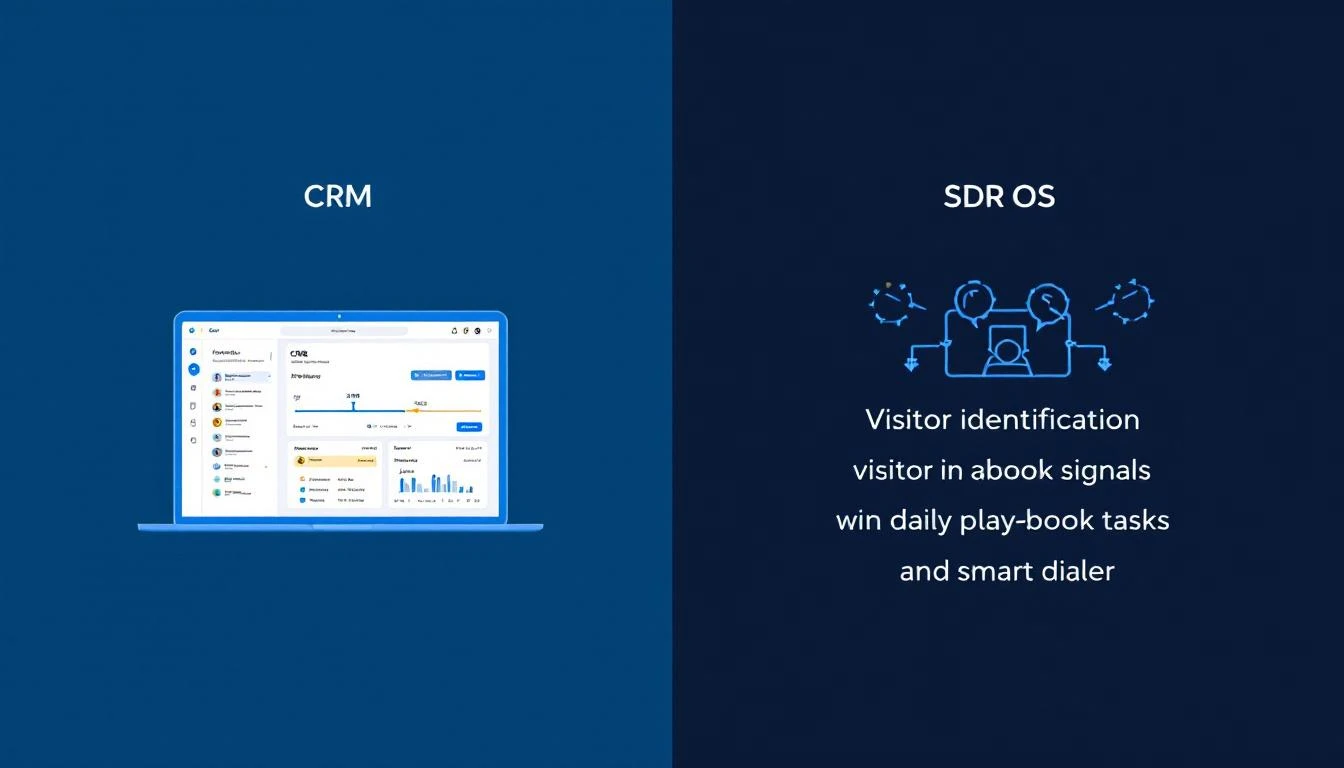
MarketBetter vs Attio comparison for B2B sales teams in 2026

Attio is one of the most impressive CRMs to launch in years. Flexible custom objects, sub-50ms performance on millions of records, Notion-like UX โ€” it's the CRM that Salesforce should have built a decade ago.

But here's the disconnect: your SDR team doesn't just need a better place to store contacts. They need to know which contacts to call right now, what to say, and which anonymous website visitors are checking your pricing page at this moment.

Attio solves the CRM problem beautifully. MarketBetter solves the SDR workflow problem โ€” the part that actually generates pipeline.

The bottom line: Most growing sales teams need both a CRM and an SDR execution layer. The question isn't Attio or MarketBetter โ€” it's whether you need Attio plus MarketBetter, or whether MarketBetter's built-in pipeline management is enough.

What Each Platform Actually Doesโ€‹

Attio: The Flexible CRMโ€‹

Attio is a next-generation CRM built for teams that outgrew spreadsheets but find Salesforce too rigid. Founded in London, it's backed by Point Nine and Balderton Capital, with a 4.7/5 rating on G2.

Core strengths:

  • Custom objects โ€” model any business relationship (deals, partnerships, investors, whatever)
  • Real-time data syncing across Gmail, Outlook, and calendar
  • Automatic contact enrichment on every record
  • Sub-50ms query performance even on 50K+ contact databases
  • Workflow automation with conditional triggers
  • Clean, Notion-like interface that non-technical teams actually enjoy using

What Attio is NOT: An outbound sales execution platform. It doesn't identify anonymous website visitors, build daily SDR task lists, automate email sequences with AI personalization, or provide a smart dialer. It's a record system, not an action system.

MarketBetter: The SDR Operating Systemโ€‹

MarketBetter is a complete SDR platform that turns intent signals into pipeline. Instead of storing contacts and hoping your reps figure out what to do, it tells them exactly who to contact, how to reach them, and what to say.

Core strengths:

  • Website visitor identification โ€” see which companies are on your site right now
  • Daily SDR Playbook โ€” prioritized task list based on signals, not guesswork
  • AI email automation with hyper-personalization
  • Smart dialer built for warm outbound
  • AI chatbot that engages every visitor
  • Champion tracking when contacts change jobs
  • Multi-channel orchestration (email + phone + LinkedIn + chat)

What MarketBetter is NOT: A general-purpose CRM for managing every business relationship. It's purpose-built for sales development โ€” finding, engaging, and converting prospects into pipeline.

Feature-by-Feature Comparisonโ€‹

FeatureMarketBetterAttio
Contact ManagementSales-focused with enrichmentFully customizable objects
Pipeline ManagementSDR pipeline with playbookCustom pipeline views
Website Visitor IDโœ… Built-inโŒ Not available
Daily SDR Playbookโœ… AI-prioritized task listโŒ Not available
Email Sequencesโœ… AI-personalized automationโŒ Basic email sync only
Smart Dialerโœ… Built-inโŒ No calling features
AI Chatbotโœ… Engages visitors 24/7โŒ Not available
Data Enrichmentโœ… Multi-source (Fiber, EnrichLayer)โœ… Automatic enrichment
Champion Trackingโœ… Job change alertsโŒ Not available
Custom ObjectsBasic deal/contact modelโœ… Unlimited custom objects
ReportingSDR performance dashboardsโœ… Flexible custom reports
Workflow AutomationSales-focused automationsโœ… Advanced conditional triggers
IntegrationsHubSpot, Salesforce, SlackGmail, Outlook, Zapier, Slack
AI FeaturesSDR copilot, email writer, chatbotAsk Attio (AI search), MCP
Mobile AppWeb-basediOS/Android
APIREST APIREST + GraphQL API

Pricing Comparisonโ€‹

Attio Pricing (2026)โ€‹

PlanMonthlyAnnual (per user/mo)Key Features
Free$0$03 seats, contact sync, basic enrichment
Plus$36$29No seat limits, private lists, enhanced email
Pro$86$69Call intelligence, sequences, advanced permissions
EnterpriseCustomCustomUnlimited objects, SSO, dedicated support

For a 5-person sales team on Pro: ~$345-430/month

MarketBetter Pricing (2026)โ€‹

MarketBetter uses a per-user model with included feature bundles:

  • Starting at ~$99/user/month with visitor identification, email automation, and daily playbook
  • Smart dialer, chatbot, and advanced signals included in higher tiers
  • No hidden per-seat CRM fees โ€” the pipeline management is built in

For a 5-person SDR team: Contact for exact pricing at marketbetter.ai/book-demo

Total Cost of Ownershipโ€‹

Here's the real math most teams miss:

Attio-based SDR stack (5 users):

  • Attio Pro: $345-430/mo
  • Outbound email tool (Outreach/SalesLoft): $500-2,000/mo
  • Visitor ID tool (Warmly/Clearbit): $99/user/month
  • Dialer (Nooks/Orum): $250-500/mo
  • Enrichment (Clay/Apollo): $200-500/mo
  • Total: $1,795-4,930/month

MarketBetter-based SDR stack (5 users):

  • MarketBetter (all features included): ~$99/user/month
  • CRM (HubSpot free or existing): $0-800/mo
  • Total: $500-2,300/month

Attio is affordable as a standalone CRM. But the SDR tool stack you need alongside it can cost 3-5x more than Attio itself.

Where Attio Wins (And We're Honest About It)โ€‹

1. Custom data modeling. If your business has complex relationship structures โ€” investors, portfolio companies, partnership hierarchies โ€” Attio's custom objects are genuinely best-in-class. MarketBetter's data model is optimized for sales development, not general-purpose relationship tracking.

2. CRM flexibility. Attio adapts to how your business works. MarketBetter prescribes a workflow (daily playbook โ†’ prioritized outreach โ†’ multi-channel execution). That prescription is its strength for SDR teams, but it's more opinionated.

3. Performance at scale. Sub-50ms queries on millions of records is impressive engineering. Attio handles large datasets gracefully.

4. Non-sales use cases. VC deal flow, recruiting pipelines, partnership tracking โ€” Attio handles all of these. MarketBetter is purpose-built for sales development.

5. Design and UX. Attio's Notion-like interface is genuinely beautiful. Every G2 reviewer mentions it. It's one of the best-designed B2B tools on the market.

Where MarketBetter Winsโ€‹

1. Knowing WHO to contact. Attio stores contacts you already have. MarketBetter identifies anonymous website visitors and surfaces buying signals from companies you've never spoken to. That's the difference between a database and a pipeline engine.

2. Knowing WHAT to do. Attio shows you a pipeline view. MarketBetter gives your SDRs a prioritized daily playbook: "Call this person first because they visited your pricing page twice yesterday and their company just raised funding." Context + action, not just data.

3. Multi-channel execution. Attio syncs emails and has basic calling on Pro. MarketBetter orchestrates AI-personalized email sequences, a smart dialer with call scripts, LinkedIn touches, and an AI chatbot โ€” all coordinated so prospects don't get hit from every channel simultaneously.

4. Speed to lead. When a target account visits your website, MarketBetter can alert your SDR within minutes and suggest the right message. With Attio, you'd need to integrate a separate visitor ID tool, build a Zapier workflow, and manually write the outreach.

5. SDR accountability. MarketBetter tracks SDR activity, shows which reps are executing, and measures conversion from signal to meeting. Attio tracks deal stages but doesn't measure the SDR behaviors that create pipeline.

What G2 Reviewers Say About Attioโ€‹

Attio has a 4.7/5 on G2 with consistently positive feedback. The most common themes:

What users love:

  • "Strikes the perfect balance between power and simplicity"
  • "Fully customizable โ€” feels like a CRM truly built for our business"
  • Real-time syncing that actually works
  • Clean, fast interface with Notion-like flexibility

What users complain about:

  • "Reporting by sales rep isn't built in โ€” I have to do a lot of workarounds"
  • Limited native integrations compared to HubSpot or Salesforce
  • "No way to rename system object attributes"
  • Complex onboarding for advanced customization features
  • Support response times of 12-24 hours on paid plans (no live chat on lower tiers)
  • Growing but still small ecosystem compared to established CRMs

When to Choose Attioโ€‹

Choose Attio if:

  • You need a flexible CRM for multiple business functions (sales + partnerships + investors)
  • Your team already has separate tools for outbound, visitor ID, and dialing
  • You're a startup under 20 employees that needs an affordable, modern CRM
  • You prioritize data modeling flexibility over prescribed sales workflows
  • You're replacing spreadsheets or outgrowing a basic CRM like Pipedrive

When to Choose MarketBetterโ€‹

Choose MarketBetter if:

  • Your primary goal is generating more pipeline from SDR activity
  • You want visitor identification, email automation, and dialing in one platform
  • You need an AI-powered daily playbook that tells SDRs exactly what to do
  • You're tired of stitching together 5-6 separate tools for your SDR stack
  • You want to reduce manual SDR work by 70% and increase speed-to-lead
  • You're a B2B company with 50-500 employees scaling outbound

Can You Use Both?โ€‹

Yes โ€” and many teams should. The ideal setup for a scaling sales org:

  1. MarketBetter for SDR workflow โ€” visitor ID, daily playbook, email sequences, smart dialer, chatbot
  2. Attio (or HubSpot/Salesforce) for CRM โ€” long-term relationship management, deal tracking, forecasting, cross-functional data

MarketBetter integrates with major CRMs. Your SDRs work in MarketBetter for prospecting and outreach. Qualified opportunities flow to your CRM for AE management and forecasting.

The worst setup? Using Attio alone for SDR work. It's like using a Swiss Army knife to build a house โ€” technically possible, painfully slow.

The Verdictโ€‹

Attio is the best next-gen CRM on the market. Beautiful design, flexible data model, excellent performance. If you need a CRM, it's hard to beat.

But a CRM isn't an SDR platform. Attio doesn't tell your reps who to call, what to say, or which website visitors to prioritize. It stores the data. MarketBetter acts on it.

If you're building an SDR team and need to generate pipeline fast, see how MarketBetter's daily playbook works โ†’


Pricing verified from attio.com and hackceleration.com as of February 2026. G2 ratings and review quotes sourced from G2.com. MarketBetter is our product โ€” we're transparent about that.