Artisan AI Review 2026: Is Ava the AI SDR Your Team Actually Needs?

ยท 7 min read

Artisan AI has been making noise in the AI SDR space since its launch, promising to automate 80% of your outbound sales workflow through its AI agent "Ava." But in 2026, with a growing field of AI SDR competitors and increasingly skeptical buyers, does Artisan actually deliver on that promise?

We dug through hundreds of verified user reviews on G2, Reddit threads, founder communities, and sales ops forums to give you an unbiased picture of what Artisan AI actually looks like in practice โ€” not just on their marketing site.

What Is Artisan AI?โ€‹

Artisan AI positions itself as a full-stack AI SDR platform. Their flagship product is Ava, an AI sales agent that handles:

  • Lead sourcing from a proprietary database of 300M+ B2B contacts
  • Personalized email generation using AI to craft outreach sequences
  • Multi-channel outreach across email and LinkedIn
  • Follow-up automation with reply classification
  • Meeting scheduling directly to your calendar

The pitch is simple: replace the grunt work of prospecting and cold outreach with an AI that runs 24/7. For lean sales teams and startups without a full SDR bench, it sounds compelling on paper.

Artisan AI Pricingโ€‹

Artisan AI doesn't publish transparent pricing on their website โ€” you have to talk to sales. Based on user reports and third-party sources:

PlanEstimated CostWhat You Get
Starter~$350-$500/monthBasic Ava access, limited contacts
Professional~$900-$1,500/monthFull Ava capabilities, larger contact volume
Enterprise~$2,000+/monthCustom limits, dedicated support, annual contracts

Most users report that annual contracts are standard, and some have flagged difficulty canceling subscriptions โ€” something worth asking about upfront during your evaluation.

Hidden costs to watch:

  • Email warm-up and DNS setup (DIY or add-on)
  • Additional seats for team members
  • Overage charges if you exceed contact limits

What Users Actually Like About Artisan AIโ€‹

1. Easy Onboardingโ€‹

Multiple G2 reviewers praised the initial setup experience. The UI is clean and the onboarding flow guides you through ICP definition, email setup, and campaign launch without needing technical expertise.

2. Solid Contact Databaseโ€‹

Artisan's database of 300M+ contacts gets consistent praise. For teams that don't already have a data provider like ZoomInfo or Apollo, this is a meaningful add-on bundled into the platform.

3. Early-Stage Top-of-Funnel Activityโ€‹

Some founders reported using Ava successfully for simpler use cases โ€” driving webinar registrations, collecting early interest signals, and basic awareness outreach. When expectations are set appropriately (lead generation, not deal closing), Ava can contribute.

4. Time Savings on Repetitive Tasksโ€‹

For solo founders and tiny teams, Ava eliminates the tedious cycle of prospect research โ†’ email writing โ†’ follow-up tracking. Even with imperfect results, the time savings are real.

What Users Criticize About Artisan AIโ€‹

1. Generic, AI-Sounding Emailsโ€‹

This is the most common complaint across every review platform. Users consistently report that Ava's emails feel like "AI slop" โ€” clearly machine-generated, overly formal, and lacking the personalization depth needed to break through crowded inboxes.

One Reddit user described it: "The emails read like ChatGPT wrote them for a generic audience. My prospects could spot them immediately."

2. Low Reply Rates After High Volumeโ€‹

Several users reported sending 1,000-1,400+ emails and receiving zero replies. While volume-based outreach has inherently low response rates, multiple users seeing literally zero responses suggests a deeper quality problem with targeting and messaging.

3. Lead Quality Issues in Niche Marketsโ€‹

Ava struggles with specific, vertical ICPs. One user reported that from Artisan's 3M+ record database, only 3-7 C-level contacts matched their niche criteria. If you sell into a specialized market (healthcare IT, industrial IoT, etc.), this is a major limitation.

4. Buggy Product Experienceโ€‹

Users report DNS errors, broken warm-up timers, UI glitches, and delayed support responses. For a tool that costs $500-$2,000/month, the stability expectations are high, and Artisan hasn't consistently met them.

5. Meetings That Don't Convertโ€‹

Even users who booked meetings through Ava reported that the leads were poorly qualified. Getting a meeting on the calendar means nothing if the prospect doesn't have budget, authority, or genuine need.

6. Difficult Cancellation Processโ€‹

Multiple reviewers flagged friction when trying to cancel their Artisan subscription. Annual contracts with auto-renewal and limited cancellation windows are standard โ€” read the fine print carefully.

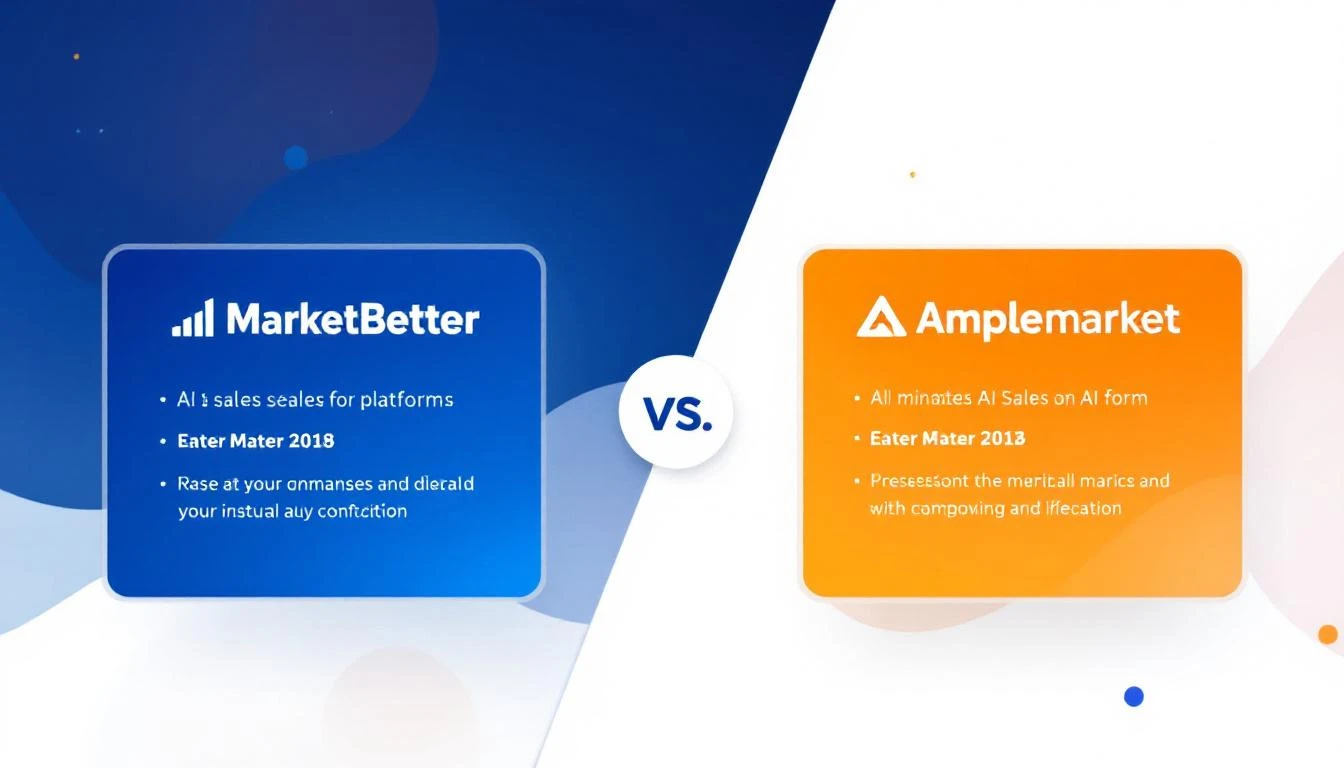
Artisan AI vs. MarketBetter: A Different Approachโ€‹

The fundamental difference: Artisan replaces your SDR. MarketBetter makes your SDR dramatically better.

FeatureArtisan AIMarketBetter
ApproachAI agent replaces humansAI augments human SDRs
Website Visitor IDโŒ Not availableโœ… Identifies companies visiting your site
Daily SDR PlaybookโŒ No prioritized task listโœ… Tells SDRs exactly who to contact and what to say
Smart DialerโŒ Email and LinkedIn onlyโœ… Built-in calling with AI-powered scripts
AI ChatbotโŒ Not includedโœ… Engages every website visitor in real-time
Email Automationโœ… AI-generated sequencesโœ… Hyper-personalized sequences with intent signals
Intent Signalsโš ๏ธ Basic (job changes, news)โœ… Website visits + behavioral signals + firmographic data
Human Oversightโš ๏ธ Limited โ€” Ava runs autonomouslyโœ… Full control โ€” AI recommends, humans decide
Pricing TransparencyโŒ Contact salesโœ… Published on website
G2 Rating3.8/54.97/5

The core insight: Artisan gives you an autonomous AI agent that operates independently. That sounds futuristic, but in practice, it means less control over messaging quality, lead targeting, and brand voice. MarketBetter takes the opposite approach โ€” it surfaces the right signals, recommends the right actions, and lets your human SDRs execute with confidence.

Artisan tells your AI what companies exist. MarketBetter tells your SDRs what to do next.

Who Should Consider Artisan AI?โ€‹

Artisan AI might work for you if:

  • You have zero SDRs and need some outbound activity happening
  • Your ICP is broad (not niche or vertical-specific)
  • You're comfortable with AI-generated messaging representing your brand
  • You have patience for a 2-3 week training period to refine outputs
  • You're okay with annual contracts and limited cancellation flexibility

Who Should Look Elsewhere?โ€‹

Skip Artisan AI if:

  • You sell into niche or specialized markets where generic outreach fails
  • Brand voice and messaging quality matter to your sales process
  • You need multi-channel execution beyond email and LinkedIn (especially calling)
  • You want website visitor identification and real-time intent signals
  • You prefer transparent pricing and flexible contracts
  • You need a tool that augments your team rather than replacing them
Free Tool

Try our AI Lead Generator โ€” find verified LinkedIn leads for any company instantly. No signup required.

The Bottom Lineโ€‹

Artisan AI represents an ambitious bet on fully autonomous AI SDRs. The technology is improving, but in 2026, the gap between "AI that sends emails" and "AI that books qualified meetings" remains wide.

If you're a solo founder looking for basic outbound automation and you have broad market targeting, Artisan can save you time. But if you're building a serious sales operation and need quality over quantity, you'll likely outgrow Artisan quickly.

For teams that want AI to amplify human sellers rather than replace them โ€” with website visitor intelligence, a smart dialer, daily playbooks, and an AI chatbot all in one platform โ€” MarketBetter offers a fundamentally different approach.


Ready to see how AI-augmented selling actually works? Book a demo with MarketBetter and go from 20 tabs to one SDR task list.

15 Best B2B Lead Generation Tools 2026: AI, Nurturing & Software Compared

ยท 24 min read

Best B2B Lead Generation Tools 2026 โ€” Complete Comparison Guide

Your sales team is drowning in tabs. CRM open. LinkedIn open. Email sequencer open. Intent data dashboard open. Spreadsheet to track it all โ€” also open.

And after all that context-switching? They generated maybe three qualified leads today.

The B2B lead generation landscape in 2026 has fractured into dozens of specialized tools, each solving one piece of the puzzle. Some find contacts. Some identify website visitors. Some automate email. Very few connect the dots into actual pipeline.

We evaluated 15 of the most popular B2B lead generation platforms across six dimensions that actually matter: data quality, intent signals, workflow automation, ease of use, pricing transparency, and time-to-first-lead. This isn't a listicle stuffed with affiliate links โ€” it's a practitioner's guide built from real usage.

How We Evaluated These Toolsโ€‹

Every platform in this guide was assessed on:

  • Data accuracy โ€” Verified contact info, bounce rates, phone connect rates
  • Signal intelligence โ€” Website visitors, intent data, job changes, technographic triggers
  • Workflow automation โ€” Can it tell reps what to do next, or just show data?
  • Integration depth โ€” CRM sync, enrichment, sequencing, Slack/Teams alerts
  • Pricing transparency โ€” Published pricing vs. "contact sales" black boxes
  • Time-to-value โ€” How fast can a rep generate their first qualified lead?

We also weighted the SDR workflow test: can a rep open this tool on Monday morning and know exactly who to call, email, and research โ€” without checking five other tabs?

Quick Comparison: 15 B2B Lead Generation Platforms at a Glanceโ€‹

PlatformBest ForStarting PriceContact DatabaseWebsite Visitor IDAI SDR WorkflowFree Plan
MarketBetterSMB teams wanting one tool for everything$497/moโœ…โœ…โœ… Daily PlaybookDemo
Apollo.ioBudget-conscious prospecting at scale$49/user/mo275M+ contactsโŒโŒโœ…
ZoomInfoEnterprise data + intent at scale~$15K+/yr300M+ contactsโœ…โŒโŒ
CognismEuropean/GDPR-focused prospecting~$1,000/mo est.400M+ profilesโŒโŒTrial
6senseABM + predictive intent for enterprise~$60K+/yr est.Account-levelโœ…โŒโŒ
Seamless.AIReal-time contact finding~$147/mo est.Real-time searchโŒโŒโœ…
WarmlyWebsite visitor deanonymization$700/mo+Via partnersโœ…PartialโŒ
Common RoomCommunity signal aggregationCustomโŒโœ…โŒโœ…
Clearbit (HubSpot)HubSpot-native enrichmentIncluded w/ HubSpotEnrichmentโœ…โŒโœ…
LeadinfoEU-focused website visitor IDโ‚ฌ69/moโŒโœ…โŒTrial
LushaQuick contact lookups$49/user/mo100M+ contactsโŒโŒโœ…
RB2BPerson-level visitor identificationFree + paidโŒโœ… (person-level)โŒโœ…
InstantlyCold email at scale$30/moโŒ (add-on)Pixel trackingโŒTrial
Unify GTMSignal-based warm outboundCustomVia integrationsโœ…PartialโŒ
SalesIntelHuman-verified US contactsCustom100M+ contactsโŒโŒTrial

1. MarketBetter โ€” Best All-in-One SDR Platform for SMBsโ€‹

What it is: An AI-powered SDR platform that combines website visitor identification, contact data, email automation, smart dialer, AI chatbot, and a daily SDR playbook in one tool.

Why it's different: Most lead generation tools answer "who should I contact?" MarketBetter answers "who should I contact, what should I say, and what should I do right now?" The Daily SDR Playbook aggregates intent signals โ€” website visits, email engagement, social activity โ€” and delivers a prioritized task list every morning.

Key features:

  • Daily SDR Playbook โ€” Prioritized outreach tasks based on real-time intent signals
  • Website visitor identification โ€” See which companies visit your site, which pages they viewed, and how long they stayed
  • AI-powered email sequences โ€” Hyper-personalized outreach based on visitor behavior and firmographic data
  • Smart Dialer โ€” Built-in calling with local presence, call recording, and AI-generated talking points
  • AI Chatbot โ€” Engages visitors 24/7 with context-aware conversations
  • AI SEO Monitoring โ€” Track how AI assistants like ChatGPT and Perplexity talk about your brand

Pricing: Plans start at $497/month. Transparent pricing โ€” no hidden per-seat or per-credit fees. See current plans โ†’

Best for: B2B teams (50โ€“500 employees) that want to consolidate 5+ tools into one SDR workflow. Particularly strong for IoT, SaaS, and tech companies running both inbound and outbound motions.

What users say: 4.97/5 on G2, with Top Performer recognition in 15 lead generation categories. Users consistently praise setup speed and hands-on support.

Limitations: Not built for enterprise-scale outbound (10,000+ contacts/day). No standalone contact database export โ€” the focus is workflow, not data dumps.

๐Ÿ”— Deep dives: MarketBetter vs Apollo ยท MarketBetter vs ZoomInfo ยท MarketBetter vs Warmly ยท MarketBetter vs 6sense

Book a demo โ†’


2. Apollo.io โ€” Best for Budget-Conscious Prospecting at Scaleโ€‹

What it is: A sales intelligence and engagement platform with one of the largest B2B contact databases, built-in email sequencing, and a freemium model that lets small teams start for free.

Why it's popular: Apollo's free plan gives you 10,000 email export credits per month โ€” genuinely useful, not a teaser. The paid plans unlock advanced filters, buying intent signals, and multi-step sequences. For teams that need to build lists fast without spending $15K+/year, Apollo is the default choice.

Key features:

  • 275M+ contacts with email and phone data
  • Multi-step email sequences with AI personalization
  • Chrome extension for LinkedIn prospecting
  • Buying intent signals (Bombora partnership)
  • Conversation intelligence and call recording
  • Account scoring and lead prioritization

Pricing: Free plan available (10K email credits/month). Basic: $49/user/month. Professional: $79/user/month. Organization: $119/user/month (annual billing).

Best for: Startups, SMBs, and individual SDRs who need a large contact database with built-in engagement tools at a reasonable price point.

Limitations: Data accuracy varies significantly outside the US (especially APAC and LATAM). Phone numbers can be hit-or-miss. Intent data is add-on and limited compared to dedicated intent platforms. No website visitor identification.

๐Ÿ”— Deep dives: Apollo.io Review 2026 ยท Apollo Pricing Breakdown ยท Best Apollo Alternatives


3. ZoomInfo โ€” Best Enterprise-Grade Data Platformโ€‹

What it is: The 800-pound gorilla of B2B data. ZoomInfo offers the most comprehensive contact and company database in the market, combined with intent signals, website visitor tracking, and sales engagement tools.

Why enterprises pick it: When data coverage is non-negotiable โ€” you need verified mobile numbers, org charts, technographic signals, and department-level intent across global markets โ€” ZoomInfo delivers at a scale no other platform matches.

Key features:

  • 300M+ professional profiles, 100M+ company profiles
  • Department-level buying intent (proprietary + Bombora)
  • Website visitor identification (WebSights)
  • Conversation intelligence (Chorus acquisition)
  • Sales engagement (Engage module)
  • FormComplete for lead capture enrichment

Pricing: Not publicly disclosed. Industry reports via Vendr suggest typical contracts start around $15Kโ€“$25K/year for small teams and scale to $100K+ for enterprise with full platform access. Per-seat + credit model.

Best for: Enterprise companies (500+ employees) with dedicated RevOps teams who can justify the investment with pipeline volume. Strong in industries where direct dial data is critical (healthcare, financial services, manufacturing).

Limitations: Eye-watering prices that are prohibitive for SMBs. Complex contract structures with auto-renewal clauses that draw G2 complaints. Data decay rate means regular enrichment refreshes are needed. Overkill for teams under 10 SDRs.

๐Ÿ”— Deep dives: ZoomInfo Review 2026 ยท ZoomInfo Pricing 2026 ยท Best ZoomInfo Alternatives


4. Cognism โ€” Best for European and GDPR-Focused Prospectingโ€‹

What it is: A B2B sales intelligence platform with a strong focus on GDPR-compliant data, verified mobile numbers, and European market coverage. Known for their "Diamond Data" โ€” phone-verified direct dials.

Why it matters: If your ICP includes European prospects, Cognism's compliance-first approach is a genuine differentiator. They check against 13 international do-not-call lists, and their mobile data accuracy in EMEA is notably higher than US-centric competitors.

Key features:

  • 400M+ B2B profiles with global coverage
  • Diamond Data (phone-verified mobile numbers)
  • Bombora intent data integration
  • 13 international DNC list compliance
  • Chrome extension for LinkedIn and Sales Navigator
  • CRM-native integrations (Salesforce, HubSpot, Outreach)

Pricing: Not publicly listed. Estimates based on Vendr and user reports suggest starting around $1,000โ€“$1,500/month for small teams. Annual contracts required.

Best for: Companies selling into European markets, or any organization where GDPR compliance and data accuracy are priorities over database size.

Limitations: Smaller database than ZoomInfo or Apollo, especially in the US mid-market. No website visitor identification. No built-in email sequencing โ€” you need a separate engagement tool. Annual contracts with no monthly option.

๐Ÿ”— Deep dive: MarketBetter vs Cognism


5. 6sense โ€” Best for Enterprise ABM + Predictive Intentโ€‹

What it is: An account-based marketing and sales platform that uses AI and big data to identify accounts showing buying intent before they ever fill out a form. 6sense's predictive model analyzes billions of web signals to tell you which accounts are "in-market."

Why enterprises invest: 6sense's AI predicts buying stages โ€” from awareness to decision โ€” for target accounts. If your average deal size justifies $60K+/year in tech spend and you run a sophisticated ABM motion, 6sense delivers insights no other platform matches.

Key features:

  • AI-powered intent data (proprietary + Bombora)
  • Predictive buying stage modeling
  • Account identification and prioritization
  • Dynamic audience segmentation
  • Ad targeting across display and social
  • Revenue AI for forecasting

Pricing: Not publicly disclosed. Based on industry data: Revenue AI for Sales starts around $60K/year. Full platform packages can exceed $120K/year for enterprise. Seat-based + data credits.

Best for: Enterprise B2B companies (1,000+ employees) running ABM strategies with long sales cycles and high ASPs ($50K+ deals).

Limitations: Massive cost puts it out of reach for most SMBs. Complex implementation (6โ€“12 weeks typical). Steep learning curve โ€” requires a dedicated admin. Account-level focus means less useful for SDR-level individual prospecting. ROI can be hard to prove for smaller deal sizes.

๐Ÿ”— Deep dives: 6sense Review 2026 ยท 6sense Pricing 2026 ยท Best 6sense Alternatives


6. Seamless.AI โ€” Best for Real-Time Contact Discoveryโ€‹

What it is: An AI-powered search engine that finds contact details (email, phone, social profiles) in real time rather than pulling from a static database. You describe your ICP, and Seamless.AI searches the web for matching contacts on the fly.

Why it's unique: Unlike database platforms that pre-compile contact lists, Seamless.AI's real-time approach means data is often fresher โ€” especially for smaller companies and niche markets that ZoomInfo or Apollo might miss.

Key features:

  • Real-time contact and company search
  • AI-powered email and phone finding
  • Chrome extension for LinkedIn prospecting
  • Buyer intent data (add-on)
  • Pitch Intelligence for personalization
  • Job change alerts

Pricing: Free tier available (50 credits). Basic plan pricing is ~$147/month. Pro and Enterprise tiers require sales conversations.

Best for: Individual SDRs and small teams who need a cost-effective way to find contact details without committing to large database subscriptions.

Limitations: Data accuracy is inconsistent โ€” the real-time search approach means results vary. No website visitor identification. Limited workflow automation. Some users report aggressive upselling and difficult cancellation processes (noted on G2 and Reddit). No built-in email sequencing.

๐Ÿ”— Deep dive: MarketBetter vs Seamless.AI


7. Warmly โ€” Best for Website Visitor Deanonymization + Orchestrationโ€‹

What it is: A signal-based revenue orchestration platform that identifies website visitors (company + individual level), enriches them with intent data, and triggers automated outreach sequences.

Why it stands out: Warmly combines website visitor ID with multi-source intent signals and can auto-trigger Outreach/Salesloft sequences when a high-intent visitor lands on your pricing page. The orchestration layer is what separates it from basic visitor ID tools.

Key features:

  • Company + individual website visitor identification
  • Multi-source intent data aggregation
  • Automated workflow triggers (chatbot, email, Slack alerts)
  • Warm calling (alert when key accounts are live on your site)
  • Integration with Outreach, Salesloft, HubSpot

Pricing: Starts at $700/month (Startup plan). Business and Enterprise tiers require custom quotes. Credit system for contact reveals.

Best for: Mid-market B2B companies (100โ€“500 employees) that already use a sales engagement platform and want to layer on website visitor intelligence with automated workflows.

Limitations: No built-in dialer. Contact data comes through third-party partnerships (not proprietary). Per-credit contact reveal costs can add up fast. Requires existing sales engagement tools โ€” Warmly orchestrates, it doesn't replace your Outreach/Salesloft.

๐Ÿ”— Deep dives: Warmly Review 2026 ยท Warmly Pricing 2026 ยท Best Warmly Alternatives


8. Common Room โ€” Best for Community-Led Signal Aggregationโ€‹

What it is: A customer intelligence platform that aggregates buying signals from community channels (Slack, Discord, GitHub, Stack Overflow), social media, CRM, and product usage into a unified view of who's interested in your product.

Why community signals matter: Traditional intent data tracks web behavior. Common Room tracks conversations โ€” who's asking about your product category on Reddit, who's contributing to your open-source project, who's engaging in your community Slack. These are warmer signals than anonymous page visits.

Key features:

  • 30+ signal source integrations
  • Community engagement tracking
  • Person-level identity resolution across platforms
  • AI-powered signal scoring
  • Automated workflows for outreach triggers
  • Product-led growth (PLG) analytics

Pricing: Free Community plan available. Team and Enterprise tiers are custom-priced. Reports suggest Team plans start around $500โ€“$1,000/month.

Best for: Developer tools, open-source companies, and PLG businesses where community engagement is a leading indicator of buying intent. Strong fit for companies with active Slack/Discord communities.

Limitations: Limited value if you don't have active community channels. Not useful for traditional outbound prospecting. Signal volume can overwhelm teams without clear playbooks. No built-in contact database or email sequencing.

๐Ÿ”— Deep dives: Common Room Review 2026 ยท Common Room Pricing 2026 ยท Best Common Room Alternatives


9. Clearbit (Now Part of HubSpot) โ€” Best for HubSpot-Native Enrichmentโ€‹

What it is: A B2B data enrichment and website visitor identification tool, now fully integrated into HubSpot. Clearbit enriches every form fill, website visit, and CRM record with firmographic, technographic, and employee data.

Why it matters now: Since HubSpot's acquisition, Clearbit is included free with HubSpot Marketing Hub Professional+ plans. If you're already on HubSpot, you get real-time enrichment, form shortening, and visitor identification at no additional cost.

Key features:

  • Real-time form enrichment (shorten forms, auto-fill data)
  • Website visitor identification (company-level)
  • 100+ firmographic and technographic attributes
  • Lead scoring based on enriched data
  • Native HubSpot integration (now built-in)
  • Clearbit Reveal for anonymous visitor deanonymization

Pricing: Included with HubSpot Marketing Hub Professional ($800/mo) and Enterprise ($3,600/mo). Standalone Clearbit plans are being phased out in favor of HubSpot bundles.

Best for: Companies already using HubSpot who want enrichment without adding another vendor. Excellent for inbound-heavy teams that need to qualify leads faster.

Limitations: HubSpot lock-in โ€” if you're on Salesforce or another CRM, the value drops significantly. Company-level visitor ID only (no individual identification). Enrichment accuracy varies for smaller companies and international markets.


10. Leadinfo โ€” Best for EU-Based Website Visitor Identificationโ€‹

What it is: A European website visitor identification platform that identifies companies visiting your website using IP-based tracking without cookies. Strong focus on GDPR compliance and EU data hosting.

Key features:

  • IP-based company identification (cookieless option available)
  • 35โ€“40% identification rate in Benelux and DACH regions
  • 70+ native integrations (HubSpot, Salesforce, Pipedrive)
  • Lead scoring and hot leads dashboard
  • Slack/Teams alerts for high-intent visits
  • Autopilot for automated follow-up

Pricing: From โ‚ฌ69/month. Transparent pricing based on identified companies โ€” no per-seat charges.

Best for: European B2B companies, especially in Benelux and DACH, who need GDPR-compliant visitor identification with straightforward pricing.

Limitations: Identification rates drop significantly outside Europe. No contact database โ€” identifies companies, not individuals. No built-in outreach tools. Limited in US and APAC markets.


11. Lusha โ€” Best for Quick Contact Lookupsโ€‹

What it is: A B2B contact and company data platform focused on providing direct dials and email addresses through a Chrome extension and API. Known for speed and simplicity.

Key features:

  • 100M+ business profiles
  • Chrome extension for LinkedIn, Salesforce, and the web
  • Direct dial phone numbers (strong for US market)
  • Prospecting lists with advanced filters
  • Intent signals (powered by Bombora)
  • API for CRM enrichment

Pricing: Free plan (5 credits/month). Pro: $49/user/month (480 credits/year). Premium: $79/user/month (960 credits/year). Scale: custom pricing.

Best for: Individual reps and small teams who need a lightweight, fast way to find contact details while browsing LinkedIn. The Chrome extension experience is one of the best in the category.

Limitations: Credit system means heavy users burn through allowances quickly. No email sequencing or outreach automation. No website visitor identification. Data quality outside the US is inconsistent.


12. RB2B โ€” Best for Person-Level Visitor Identificationโ€‹

What it is: A website visitor identification tool that goes beyond company-level to identify individual visitors โ€” name, title, LinkedIn profile โ€” and pushes alerts to Slack in real time.

Why it's worth watching: Most visitor ID tools tell you "Acme Corp visited your pricing page." RB2B tells you "Sarah Chen, VP of Sales at Acme Corp, visited your pricing page at 2:14 PM." Person-level identification fundamentally changes how reps follow up.

Key features:

  • Individual visitor identification (name, title, company, LinkedIn)
  • Real-time Slack alerts
  • LinkedIn profile enrichment
  • Page-level tracking (know exactly what they viewed)
  • Generous free tier

Pricing: Free plan available with limited identifications. Paid plans for higher volume โ€” pricing evolves frequently.

Best for: Sales teams that want to know exactly who is on their website right now, especially for high-ACV deals where every visitor matters.

Limitations: US-only identification (limited international coverage). Privacy considerations โ€” person-level tracking raises questions in regulated industries. No built-in CRM sync or email sequencing. Relatively new company โ€” feature set is still evolving.


13. Instantly โ€” Best for Cold Email Infrastructure at Scaleโ€‹

What it is: A cold email platform that handles email warmup, deliverability management, and high-volume sending across unlimited email accounts. Paired with a lead database (add-on) for prospecting.

Key features:

  • Unlimited email accounts and warmup
  • Smart sending with deliverability optimization
  • Email validation and bounce protection
  • Sequence templates with A/B testing
  • Campaign analytics and reply tracking
  • Lead database add-on (Instantly B2B Lead Finder)

Pricing: Growth: $30/month (5,000 emails/month). Hypergrowth: $77.6/month (100,000 emails/month). Lead Finder add-on: $47.99/month for 1,000 leads.

Best for: Agencies and teams running high-volume cold email campaigns who need reliable deliverability across dozens of mailboxes. Strong for outbound-first GTM motions.

Limitations: Email-only โ€” no phone, no visitor ID, no social. Lead database is add-on and not as deep as Apollo or ZoomInfo. Can encourage spray-and-pray if not used carefully. No workflow intelligence โ€” you decide who to email and when.


14. Unify GTM โ€” Best for Signal-Based Warm Outboundโ€‹

What it is: A go-to-market platform that aggregates intent signals from multiple sources and uses AI to build warm outbound sequences targeting accounts showing buying behavior.

Key features:

  • Multi-source intent signal aggregation
  • AI-generated email sequences based on signals
  • Website visitor identification
  • Job change and hiring alerts
  • Plays engine (automated signal-to-action workflows)
  • Integration with major CRMs and engagement tools

Pricing: Custom pricing. No public plans. Based on reports, starts in the mid-four figures per month for small teams.

Best for: Revenue teams that want to move from cold outbound to signal-triggered warm outbound. Strong for companies already overwhelmed by intent data and need a platform to prioritize and act on signals.

Limitations: Custom pricing makes it hard to evaluate ROI upfront. Relatively new โ€” still building out feature depth. Requires clean CRM data to maximize signal matching. Can feel like another layer on top of existing tools rather than a consolidator.

๐Ÿ”— Deep dives: Unify GTM Review 2026 ยท Best Unify GTM Alternatives


15. SalesIntel โ€” Best for Human-Verified US Contact Dataโ€‹

What it is: A B2B contact data platform that differentiates on human-verified data. SalesIntel employs a team that manually verifies contact details every 90 days, aiming for higher accuracy than machine-only approaches.

Key features:

  • 100M+ contacts with human verification
  • 95% accuracy guarantee on verified contacts
  • Technographic data (10,000+ technologies tracked)
  • Research-on-Demand (request contacts for any company)
  • Intent data (Bombora partnership)
  • Chrome extension for LinkedIn prospecting

Pricing: Not publicly listed. Based on user reports, plans start around $5,000โ€“$10,000/year for small teams. Annual contracts.

Best for: US-focused sales teams where contact accuracy directly impacts connect rates and revenue. Strong for regulated industries (healthcare, financial services) where reaching the right person matters more than reaching many people.

Limitations: Premium pricing relative to Apollo or Seamless.AI. Primarily US-focused โ€” international data is thin. No email sequencing or workflow automation. Verification cycle means some data is still up to 90 days old. No website visitor identification.


How to Choose the Right B2B Lead Generation Toolโ€‹

The "best" tool depends on three things:

1. Your team size and budgetโ€‹

Team SizeBudgetRecommended Starting Point
Solo SDR / Founder< $100/moApollo.io (free tier) or Lusha (free tier)
Small team (2โ€“5 reps)$500โ€“$2,000/moMarketBetter, Apollo Pro, or Seamless.AI
Mid-market (5โ€“20 reps)$2,000โ€“$10,000/moMarketBetter, Cognism, or Warmly
Enterprise (20+ reps)$10,000+/moZoomInfo, 6sense, or ZoomInfo + MarketBetter

2. Your GTM motionโ€‹

  • Inbound-heavy: Clearbit (if on HubSpot), MarketBetter, or Warmly for visitor identification
  • Outbound-first: Apollo, ZoomInfo, or Cognism for contact data + Instantly for email infrastructure
  • ABM/enterprise: 6sense for predictive intent, ZoomInfo for data depth
  • Community/PLG: Common Room for community signals
  • Hybrid (the right answer for most): MarketBetter โ€” turns inbound signals into outbound actions

3. What you're actually missingโ€‹

Ask yourself: "Where do qualified leads fall out of our pipeline?"

  • "We don't know who's on our website" โ†’ Website visitor ID tools (MarketBetter, Warmly, RB2B, Leadinfo)
  • "We can't find contact details" โ†’ Contact databases (Apollo, ZoomInfo, Cognism, Lusha)
  • "We have data but reps don't know what to do with it" โ†’ Workflow tools (MarketBetter's Daily Playbook)
  • "Our emails don't get delivered" โ†’ Deliverability tools (Instantly)
  • "We don't know who's in-market" โ†’ Intent data (6sense, Bombora via partners)

The Real Problem With Most Lead Gen Stacks in 2026โ€‹

Here's what we see constantly: teams buying 3โ€“5 tools that each solve one piece, then spending more time managing the stack than actually selling.

A typical "modern" lead gen stack looks like:

  1. ZoomInfo or Apollo for contact data ($15Kโ€“$30K/year)
  2. Warmly or Clearbit for visitor ID ($8Kโ€“$15K/year)
  3. Outreach or Salesloft for engagement ($12Kโ€“$20K/year)
  4. Bombora or G2 for intent data ($15Kโ€“$25K/year)
  5. Plus Slack alerts, CRM, dashboards, spreadsheets...

That's $50Kโ€“$90K/year โ€” and your reps still start every morning asking, "Who should I call first?"

The category is shifting toward consolidated platforms that answer the only question that matters: "What should I do right now to generate pipeline?"

Tools that provide data without workflow are becoming commoditized. The winners in 2026 will be the platforms that connect signals to actions โ€” automatically.


B2B Lead Generation ROI Calculatorโ€‹

Before investing in any tool, run this math:

Step 1: Calculate your lead cost today

  • Total SDR compensation: $_____/month
  • Current tools cost: $_____/month
  • Total leads generated: _____/month
  • Cost per lead = (comp + tools) / leads

Step 2: Estimate tool impact

  • Most tools claim 2โ€“3x lead volume improvement
  • Realistic expectation: 30โ€“50% more qualified leads in month 1, ramping to 2x by month 3
  • Factor in ramp time (2โ€“4 weeks for most tools, 6โ€“12 weeks for enterprise platforms like 6sense)

Step 3: Break-even calculation

  • If your average deal is worth $10K and your close rate is 20%:
  • Each qualified lead = $2,000 in expected revenue
  • A $500/month tool needs to generate just 1 additional qualified lead every 4 months to pay for itself

For most teams, the ROI question isn't if the tool pays for itself โ€” it's how fast.


Frequently Asked Questionsโ€‹

What's the difference between lead generation tools and sales engagement tools?โ€‹

Lead generation tools help you find who to contact โ€” they provide data, identify visitors, and surface buying signals. Sales engagement tools (Outreach, Salesloft, Apollo's sequencer) help you execute the outreach โ€” email sequences, call cadences, multi-touch campaigns. Some platforms, like MarketBetter and Apollo, combine both. Most require you to pair a data tool with an engagement tool.

Is Apollo.io really free?โ€‹

Apollo's free tier is legitimately useful โ€” 10,000 email export credits per month, basic sequences, and LinkedIn extension access. The catch: phone number credits are extremely limited on free, and advanced features (intent data, AI email writing, conversation intelligence) are paid-only. Most teams outgrow free within 2โ€“3 months.

How accurate is website visitor identification?โ€‹

Company-level identification (IP-based) typically matches 20โ€“40% of website traffic, depending on the tool and your audience. US-based B2B traffic identifies at higher rates than international. Person-level identification (RB2B, some Warmly capabilities) matches a smaller subset โ€” typically 5โ€“15% โ€” but provides dramatically more actionable data. Match rates are higher for enterprise traffic (companies with dedicated IP ranges) and lower for SMB traffic.

What's the minimum budget for effective B2B lead generation tools?โ€‹

You can start for free with Apollo or Lusha's free tiers. For a meaningful workflow improvement, budget $99/user/month for a consolidated tool like MarketBetter, or $1,000โ€“$99/user/month if you're assembling a point solution stack (data + engagement + visitor ID separately).

Do I need intent data?โ€‹

Intent data is valuable but not essential for every team. If your average deal size is under $10K and your sales cycle is under 30 days, behavioral signals from your own website (visitor ID + page tracking) are often more actionable than third-party intent data. For enterprise sales with 6+ month cycles, intent data from 6sense or Bombora helps prioritize accounts before they raise their hand.

How do I evaluate lead generation tools for GDPR compliance?โ€‹

Check five things: (1) Where is data hosted? EU hosting preferred. (2) Do they process personal data or company data only? (3) Are they registered as a data controller with relevant authorities? (4) Do they check against DNC lists? (5) Can you demonstrate lawful basis for contact? Cognism and Leadinfo lead on compliance. Apollo and ZoomInfo are CCPA-compliant but less focused on GDPR nuances.

Can AI SDRs replace these tools?โ€‹

AI SDR agents (from companies like 11x, Artisan, or Monaco) automate the outreach execution โ€” writing emails, booking meetings. But they still need data inputs. Most AI SDR companies either build on top of existing data providers or include their own contact database. The question isn't "AI SDR vs lead gen tool" โ€” it's "which platform gives the AI agent the best signals to work with?" Read more: Best AI SDR Tools 2026 โ†’


Free Tool

Try our AI Lead Generator โ€” find verified LinkedIn leads for any company instantly. No signup required.

Bottom Line: Stop Collecting Data, Start Generating Pipelineโ€‹

The B2B lead generation tools market in 2026 gives you more options than ever. But more options doesn't mean more pipeline โ€” it usually means more complexity.

Our recommendation for most B2B teams:

  1. If you're starting from zero: Apollo.io's free plan gets you prospecting today
  2. If you need to consolidate and automate: MarketBetter replaces 4โ€“5 tools with one SDR workflow platform
  3. If you're enterprise with ABM needs: ZoomInfo for data + 6sense for intent
  4. If you sell into Europe: Cognism for compliant contact data + Leadinfo for visitor ID

The best lead generation tool is the one your reps actually use every morning. Not the one with the most features โ€” the one that tells them exactly what to do next.


Related reading:

Ready to consolidate your lead gen stack? Book a MarketBetter demo โ†’

Best Champion Tracking Software for B2B Sales Teams (2026)

ยท 9 min read
sunder
Founder, marketbetter.ai

Champion tracking has become one of the most powerful strategies in B2B sales. When a former customer or advocate moves to a new company, they bring trust, familiarity, and a proven track record with your product. Tracking those job changes โ€” and acting on them fast โ€” can dramatically shorten sales cycles and boost win rates.

But not all champion tracking tools are created equal. Some simply alert you to job changes. Others go further, combining champion signals with website visitor intelligence, intent data, and full execution capabilities. In this guide, we rank the 10 best champion tracking software platforms for B2B sales teams in 2026, evaluating each on features, pricing, ease of use, and overall value.

Best Clay Alternatives for SDR Teams in 2026: 7 Tools Compared

ยท 6 min read

Clay has built a powerful data enrichment platform with 75+ providers, AI-powered research agents, and a flexible credit system. But it's not the right fit for every team.

Common reasons teams look for Clay alternatives:

  • Credit costs escalate quickly โ€” A 5-person SDR team can easily burn $800+/month on enrichment alone
  • No execution tools โ€” Clay enriches data but doesn't include a dialer, visitor ID, or playbook
  • Steep learning curve โ€” Sculptor and Claygent require RevOps expertise most SDR teams don't have
  • You need a complete stack, not another data layer โ€” Adding Clay means managing yet another tool on top of SalesLoft, Outreach, or HubSpot

Here are 7 alternatives worth evaluating, organized by what they do better than Clay.

1. MarketBetter โ€” Best All-in-One SDR Platformโ€‹

Why teams switch from Clay: MarketBetter replaces Clay, your sales engagement platform, and your visitor ID tool with a single platform.

What makes it different:

  • Daily SDR Playbook โ€” Prioritized task list based on real buying signals, not static lead lists
  • Website Visitor Identification โ€” Know which companies are on your site and what they're looking at
  • Smart Dialer โ€” Built-in, warm-calling-optimized dialer (no $7,500/yr add-on)
  • AI Chatbot โ€” Engages every visitor automatically
  • Email Sequences โ€” Hyper-personalized, intent-driven outbound

Pricing: Transparent pricing on website. Everything included โ€” no credits, no add-ons.

Best for: SDR teams of 5-50 who want one platform that tells reps what to do, not just who to target.

See MarketBetter โ†’

2. Apollo.io โ€” Best Budget Alternative with Built-In Outreachโ€‹

Why teams consider Apollo over Clay: Apollo includes a 270M+ contact database AND email sequencing AND a dialer in one platform, starting at $49/user/month.

What makes it different:

  • Per-seat pricing instead of per-credit (more predictable)
  • Built-in email sequences and dialer (Clay requires separate tools)
  • Buyer intent signals and job change alerts
  • Free plan with 600 email credits/month

Where it falls short vs Clay:

  • Less enrichment depth (single database vs. 75+ providers)
  • No AI workflow builder like Sculptor
  • Data accuracy varies (phone numbers are a common complaint)

Pricing: Free, Basic ($49/user/mo), Professional ($79/user/mo), Organization ($119/user/mo)

Best for: Budget-conscious teams who want data + outreach in one tool without managing credits.

3. ZoomInfo โ€” Best for Enterprise Data Qualityโ€‹

Why teams consider ZoomInfo over Clay: When data accuracy is non-negotiable, ZoomInfo's verified database and intent data are industry-leading.

What makes it different:

  • Largest verified B2B database with human-verified data
  • Streaming intent data from Bombora partnership
  • Engage product includes cadences, dialer, and chat
  • Org charts and buying committee mapping

Where it falls short vs Clay:

  • Pricing starts at $15,000+/year (significantly more expensive)
  • Annual contracts with auto-renewal
  • No AI workflow builder or credit-based flexibility
  • Over-featured for small teams

Pricing: SalesOS starts ~$15,000/year. Typical mid-market deals run $25,000-60,000/year.

Best for: Enterprise teams (100+ employees) where data quality directly impacts close rates.

4. Cognism โ€” Best for European and International Dataโ€‹

Why teams consider Cognism over Clay: Cognism specializes in phone-verified mobile numbers and GDPR-compliant data, particularly for European markets.

What makes it different:

  • 98% mobile phone number accuracy (phone-verified by humans)
  • GDPR and CCPA compliant by design
  • Intent data powered by Bombora
  • Chrome extension for LinkedIn prospecting

Where it falls short vs Clay:

  • Higher price point (typically $15,000-30,000/year)
  • Less customizable workflows
  • Smaller total database than Apollo or ZoomInfo
  • Limited AI automation compared to Clay's Sculptor

Pricing: Quote-based. Typically $1,000-2,500/user/month for teams of 5+.

Best for: Teams selling into European markets where GDPR compliance and mobile number accuracy are critical.

5. Clearbit (now HubSpot Breeze Intelligence) โ€” Best for HubSpot-Native Enrichmentโ€‹

Why teams consider Clearbit over Clay: If you're already on HubSpot, Breeze Intelligence provides native enrichment without another platform to manage.

What makes it different:

  • Native HubSpot integration (no data sync issues)
  • Company and contact enrichment directly in your CRM
  • Buyer intent scoring based on fit and engagement
  • Form shortening for higher conversion rates

Where it falls short vs Clay:

  • Only works with HubSpot (vendor lock-in)
  • Fewer data providers than Clay's marketplace
  • No AI workflow builder
  • Limited to enrichment โ€” no outbound tools

Pricing: Included in HubSpot's higher tiers or available as Breeze Intelligence credits ($0.01-0.03/credit).

Best for: HubSpot-heavy teams who want enrichment without adding another platform.

6. Lusha โ€” Best for Quick Contact Lookupโ€‹

Why teams consider Lusha over Clay: Lusha is simpler and cheaper for teams that just need accurate contact data without complex workflows.

What makes it different:

  • Chrome extension for instant LinkedIn contact lookup
  • Direct dial and email finder with high accuracy
  • Simple per-credit pricing starting at $49/month
  • Fast setup (minutes, not days)

Where it falls short vs Clay:

  • No AI research agents or workflow automation
  • Smaller database than Clay's 75+ provider marketplace
  • Limited intent data
  • No enrichment waterfall

Pricing: Free (50 credits/month), Pro ($49/user/mo), Premium ($79/user/mo), Scale (custom).

Best for: Individual SDRs or small teams who need quick, accurate contact data without workflow complexity.

7. 6sense โ€” Best for Enterprise Intent Dataโ€‹

Why teams consider 6sense over Clay: 6sense's AI-powered account identification and intent data platform is purpose-built for ABM and enterprise GTM.

What makes it different:

  • AI-predicted buying stage for accounts
  • Anonymous visitor identification (company-level)
  • Orchestration across ads, email, and sales
  • Deep Salesforce and HubSpot integrations

Where it falls short vs Clay:

  • Enterprise pricing only ($60,000-120,000+/year)
  • Complex implementation (3-6 months)
  • Overkill for outbound-focused SDR teams
  • Dashboard-heavy (data presentation, not action guidance)

Pricing: Custom, typically $60,000-120,000+/year.

Best for: Large enterprises running account-based marketing programs with $100K+ tool budgets.

Quick Comparison Tableโ€‹

ToolStarting PriceEnrichmentDialerVisitor IDPlaybookBest For
Clay$149/moโœ… 75+ providersโŒโŒโŒRevOps teams building custom workflows
MarketBetterSee websiteโœ…โœ…โœ…โœ…SDR teams needing all-in-one platform
Apollo$49/user/moโœ… Single DBโœ…โŒโŒBudget-conscious teams
ZoomInfo~$15K/yrโœ… Verifiedโœ… (Engage)โœ…โŒEnterprise data quality
CognismCustomโœ… Phone-verifiedโŒโŒโŒEuropean market data
ClearbitHubSpot tiersโœ… NativeโŒโŒโŒHubSpot-centric teams
Lusha$49/user/moโœ… BasicโŒโŒโŒQuick contact lookup
6sense~$60K/yrโœ… IntentโŒโœ…โŒEnterprise ABM
Free Tool

Try our AI Lead Generator โ€” find verified LinkedIn leads for any company instantly. No signup required.

How to Chooseโ€‹

If you need data + action in one platform: MarketBetter or Apollo

If you need maximum enrichment customization: Stay with Clay

If you need enterprise-grade verified data: ZoomInfo or Cognism

If you need intent-driven ABM: 6sense

If you're on HubSpot and want native enrichment: Clearbit/Breeze Intelligence

If you just need contact lookup: Lusha

The best Clay alternative depends on whether your bottleneck is data quality (stay with Clay or move to ZoomInfo) or SDR productivity (consider MarketBetter or Apollo).

Book a demo to see how MarketBetter replaces your data + outreach stack โ†’

10 Best Outreach.io Alternatives for SDR Teams [2026]

ยท 9 min read

Outreach.io dominates the sales engagement category, but it's not the right fit for everyone. Between opaque pricing (starts around $100-$140/user/month), mandatory annual contracts, and a steep learning curve, many SDR leaders are looking for alternatives that deliver results without the complexity and cost.

Here are the 10 best Outreach.io alternatives in 2026, ranked by how well they solve the problems that make teams leave Outreach in the first place.

Why Teams Switch From Outreachโ€‹

Before diving into alternatives, here's what we hear most from teams evaluating options:

  • Pricing opacity โ€” "We couldn't get a straight answer on cost until we sat through a 45-minute demo"
  • Overkill for mid-market โ€” Deal management and forecasting modules you're paying for but not using
  • No visitor identification โ€” Still need a separate tool to know who's on your website
  • Steep learning curve โ€” New SDRs take weeks to get productive
  • Annual lock-in โ€” Auto-renewal clauses that are hard to escape
  • HubSpot integration issues โ€” Multiple users report sync bugs

1. MarketBetter โ€” Best for Intent-Driven SDR Teamsโ€‹

What it is: An AI-powered SDR platform that identifies website visitors, generates a daily prioritized playbook, automates personalized outreach, and includes a smart dialer and AI chatbot โ€” all in one platform.

Why it's the #1 alternative:

MarketBetter doesn't just replace Outreach โ€” it replaces Outreach + your visitor ID tool + your data enrichment tool + your AI chatbot. Instead of giving SDRs a sequence builder and saying "go figure it out," MarketBetter tells them exactly who to call, email, and engage every day.

Key features:

  • Website visitor identification (built-in, no third-party needed)
  • Daily SDR playbook with AI-prioritized prospect list
  • Hyper-personalized email automation triggered by intent signals
  • Smart dialer for warm outbound calling
  • AI chatbot that engages every visitor 24/7
  • HubSpot and Salesforce integration

Pricing: Transparent, published pricing. Significantly less than Outreach, with everything included โ€” no module add-ons.

Best for: Mid-market B2B teams (5-50 SDRs) that want one platform instead of five.

G2 rating: 4.97/5

See MarketBetter in action โ†’

2. Apollo.io โ€” Best Budget Option With Built-in Dataโ€‹

What it is: A sales intelligence and engagement platform combining a contact database (270M+ contacts), email sequencing, and a dialer.

Why teams choose it over Outreach:

  • Transparent pricing starting at $49/user/month
  • Built-in contact database eliminates the need for ZoomInfo
  • Free tier available for small teams
  • LinkedIn extension for prospecting

Limitations vs. Outreach:

  • Data accuracy can be inconsistent
  • Less mature sequencing engine
  • No website visitor identification
  • Limited conversation intelligence

Pricing: Free plan โ†’ $49/user/month (Basic) โ†’ $79/user/month (Professional) โ†’ $119/user/month (Organization)

Best for: Budget-conscious teams that need data + engagement in one place.

G2 rating: 4.8/5

Read more: Apollo.io Review 2026 | Apollo.io Pricing Breakdown

3. SalesLoft โ€” Best Enterprise Outreach Alternativeโ€‹

What it is: A revenue workflow platform with email sequencing, dialer, conversation intelligence, and deal management โ€” Outreach's closest direct competitor.

Why teams choose it over Outreach:

  • Generally considered easier to use
  • Better customer support reputation
  • Strong Salesforce integration
  • Cadence (sequencing) is more intuitive

Limitations:

  • Similar pricing tier (~$125-$165/user/month based on Vendr data)
  • Also requires annual contracts
  • No website visitor identification
  • Add-on costs for advanced features

Pricing: Not published. Estimated $125-$165/user/month depending on package.

Best for: Enterprise teams that want Outreach-level features with a better user experience.

G2 rating: 4.5/5

Read more: MarketBetter vs SalesLoft | SalesLoft Pricing Breakdown

4. Instantly.ai โ€” Best for Cold Email at Scaleโ€‹

What it is: A cold email platform focused on deliverability, unlimited mailbox connections, and automated warmup.

Why teams choose it over Outreach:

  • Massively cheaper: $37/month (Growth) or $97/month (Hypergrowth)
  • Unlimited email accounts and warmup included
  • Built for high-volume cold email campaigns
  • No annual contract required

Limitations:

  • Email only โ€” no dialer, no LinkedIn integration
  • No CRM sync beyond basic integrations
  • No visitor identification
  • Basic analytics compared to Outreach
  • No conversation intelligence

Pricing: $37/month (Growth, 5K emails) โ†’ $97/month (Hypergrowth, 100K emails)

Best for: Solo founders and small teams doing high-volume cold email outreach on a tight budget.

G2 rating: 4.8/5

5. Lemlist โ€” Best for Personalized Multi-Channel Outreachโ€‹

What it is: A sales engagement platform known for email personalization (custom images, videos, landing pages) and LinkedIn automation.

Why teams choose it over Outreach:

  • Transparent pricing from $63/user/month
  • Advanced personalization (custom images, dynamic landing pages)
  • LinkedIn automation (profile visits, invites, messages)
  • Built-in email warmup and deliverability tools
  • 600M+ lead database included

Limitations:

  • Less robust for large teams (50+)
  • No website visitor identification
  • Limited deal management features
  • Smaller integration ecosystem

Pricing: $63/user/month (Email Pro) โ†’ $87/user/month (Multichannel Expert) โ†’ Custom (Enterprise)

Best for: Creative SDR teams that want standout personalization without enterprise complexity.

G2 rating: 4.4/5

6. Reply.io โ€” Best for AI-Powered Multi-Channel Sequencesโ€‹

What it is: A sales engagement platform with AI sequence generation, email, LinkedIn, and calling across one workflow.

Why teams choose it over Outreach:

  • Transparent pricing from $49/user/month
  • AI-generated sequences and email writing
  • LinkedIn automation built in
  • Solid HubSpot integration
  • Monthly billing available

Limitations:

  • Smaller customer base, less proven at enterprise scale
  • No visitor identification
  • Dialer quality varies by region
  • UI can feel cluttered

Pricing: $49/user/month (Starter) โ†’ $89/user/month (Professional) โ†’ $139/user/month (Ultimate)

Best for: Mid-market teams that want multi-channel automation with transparent pricing.

G2 rating: 4.6/5

7. Warmly โ€” Best for Website Visitor Intelligence + Engagementโ€‹

What it is: A signal-based revenue platform that identifies website visitors and automates personalized outreach.

Why teams choose it over Outreach:

  • Real-time website visitor identification
  • Automated orchestration based on intent signals
  • AI chatbot for visitor engagement
  • Integrates with your existing sales tools

Limitations:

  • No built-in dialer
  • Email sequencing is less robust than Outreach
  • Higher pricing tier for full features
  • Smaller sales engagement feature set

Pricing: Free tier โ†’ $700/month (Business) โ†’ Custom (Enterprise)

Best for: Revenue teams that prioritize knowing who's on their website and want automated outreach from those signals.

G2 rating: 4.7/5

Read more: Warmly Alternatives 2026 | Warmly Pricing

8. SmartLead โ€” Best for Agencies and High-Volume Sendersโ€‹

What it is: A cold email infrastructure platform built for agencies and teams sending at massive scale.

Why teams choose it over Outreach:

  • Unlimited mailboxes and warmup
  • Designed for 100K+ emails/month
  • White-label capabilities for agencies
  • Much cheaper for high-volume sending

Limitations:

  • Email only โ€” no dialer, no LinkedIn
  • Minimal CRM integration
  • No visitor identification
  • Agency-focused, not built for in-house SDR teams

Pricing: Starts at $39/month

Best for: Lead generation agencies and teams doing very high-volume cold email.

G2 rating: 4.7/5

9. 6sense โ€” Best for Enterprise ABM + Engagementโ€‹

What it is: An account-based marketing and sales platform that uses AI to identify in-market accounts and orchestrate campaigns.

Why teams choose it over Outreach:

  • Intent data and account identification built in
  • AI-powered account scoring
  • Advertising + sales engagement in one platform
  • Enterprise-grade ABM capabilities

Limitations:

  • Very expensive ($25,000-$100,000+/year)
  • Complex implementation (months, not days)
  • Overkill for teams under 50
  • Sales engagement features less mature than Outreach

Pricing: Not published. Typically $25,000-$100,000+/year.

Best for: Large enterprises running account-based strategies that want intent data + orchestration.

G2 rating: 4.3/5

Read more: 6sense Pricing Breakdown | 6sense Alternatives

10. HubSpot Sales Hub โ€” Best for HubSpot CRM Usersโ€‹

What it is: HubSpot's sales engagement tools built natively into the HubSpot CRM.

Why teams choose it over Outreach:

  • No CRM integration needed โ€” it IS the CRM
  • Transparent pricing from $15/user/month
  • Sequences, email tracking, calling, and meeting scheduling
  • Massive ecosystem of integrations
  • Free tier to start

Limitations:

  • Sequences less powerful than Outreach
  • Limited to 500 sequence enrollments/day on Professional
  • No website visitor identification at company level
  • AI features still maturing

Pricing: $15/user/month (Starter) โ†’ $90/user/month (Professional) โ†’ $150/user/month (Enterprise)

Best for: Teams already using HubSpot CRM that want engagement tools without adding another vendor.

G2 rating: 4.4/5

Comparison Table: All 10 Alternatives at a Glanceโ€‹

PlatformStarting PriceVisitor IDDialerEmailLinkedInAI PlaybookFree Trial
MarketBetterTransparentโœ…โœ…โœ…โ€”โœ…Demo
Apollo.ioFree/$49/moโŒโœ…โœ…โœ…โŒFree tier
SalesLoft~$125/user/moโŒโœ…โœ…โœ…โŒDemo
Instantly$37/moโŒโŒโœ…โŒโŒFree trial
Lemlist$63/user/moโŒโœ…โœ…โœ…โŒ14-day trial
Reply.io$49/user/moโŒโœ…โœ…โœ…โŒ14-day trial
WarmlyFree/$700/moโœ…โŒโœ…โ€”โŒFree tier
SmartLead$39/moโŒโŒโœ…โŒโŒFree trial
6sense$25K+/yrโœ…โŒโœ…โ€”โŒDemo
HubSpot Sales$15/user/moโŒโœ…โœ…โ€”โŒFree tier

How to Choose the Right Alternativeโ€‹

If you need everything Outreach does, but simpler: SalesLoft

If you need data + engagement on a budget: Apollo.io

If you need visitor identification + SDR automation: MarketBetter

If you only need cold email at scale: Instantly.ai or SmartLead

If you want creative personalization: Lemlist

If you're already on HubSpot: HubSpot Sales Hub

If you need enterprise ABM: 6sense

Free Tool

Try our AI Lead Generator โ€” find verified LinkedIn leads for any company instantly. No signup required.

The Verdictโ€‹

Outreach.io built the sales engagement category, but in 2026, you have options that are cheaper, more transparent, and in some cases, more capable.

If your SDR team needs more than sequences โ€” if they need to know who's on your website, what to do about it, and a daily game plan โ€” MarketBetter replaces Outreach plus three other tools in your stack.

See why teams are switching:

Book a MarketBetter demo โ†’


Related reading:

Top 10 Champify Alternatives & Competitors (2026)

ยท 12 min read
sunder
Founder, marketbetter.ai

Champify has carved out a niche as the affordable, lightweight champion tracking tool. With a G2 rating of 4.5 and pricing between $6,000-$12,000/year, it's an accessible entry point for teams that want to capitalize on job change signals. But as teams grow and their needs evolve, many find themselves looking for alternatives that offer more capability, better data, or a broader feature set.

Maybe you've hit Champify's ceiling โ€” you need more than basic alerts. Maybe you want execution tools built in so you don't need to manage 5 separate platforms. Or maybe you're evaluating the champion tracking space for the first time and want to understand all your options before committing.

Whatever your reason, here are the 10 best Champify alternatives in 2026, with honest assessments of what each offers and who it's best for.

Champify vs MarketBetter: Beyond Champion Tracking to Full Pipeline

ยท 10 min read
sunder
Founder, marketbetter.ai

There's a growing gap in the sales tech market between tools that detect opportunities and platforms that execute on them. Champify and MarketBetter sit on opposite sides of this divide. Champify is a focused champion tracking tool that alerts you when former customers change jobs. MarketBetter is a full SDR platform that takes you from signal detection all the way to booked meetings and closed deals.

In this comparison, we'll walk through both platforms in detail, model the complete workflow from signal to revenue for each, and help you understand which approach fits your team's stage and ambitions.

Champion Tracking for Startups: UserGems vs Champify vs MarketBetter

ยท 10 min read
sunder
Founder, marketbetter.ai

Startups live and die by pipeline. Every dollar in your sales budget needs to pull its weight, every tool needs to deliver ROI fast, and your small team can't afford to waste time managing a sprawling tech stack. That's what makes champion tracking so appealing for startups โ€” it produces warm leads with high conversion rates, giving your limited sales team the highest-probability opportunities to work.

But choosing the right champion tracking tool as a startup comes with unique challenges. Enterprise-grade pricing can eat your entire sales tech budget. Complex implementations can burn weeks your team doesn't have. And single-purpose tools force you to buy additional software for execution, driving total costs even higher.

In this head-to-head comparison, we evaluate the three leading champion tracking platforms โ€” UserGems, Champify, and MarketBetter โ€” specifically through the lens of startup needs: budget constraints, small teams, time-to-value, and all-in-one simplicity.