AI SDR vs Hiring a Human SDR: The Real Cost & ROI Math [2026]


You have a pipeline gap and a budget line. The question on the table: do you hire another SDR, or spin up one of the AI SDR tools everyone's been talking about?
Most articles answer this with vibes. This one answers it with the actual 2026 numbers — fully-loaded human cost, real AI SDR pricing, output benchmarks, and cost per qualified meeting. Then we'll get to the part nobody selling you either option wants to say out loud: the "AI vs human" framing is the wrong question, and the data proves it.
Let's do the math.
The Real Cost of a Human SDR in 2026
The mistake teams make is comparing an AI SDR subscription to an SDR's base salary. That's not the comparison. A base salary is maybe half of what an SDR actually costs you.
Here's the fully-loaded picture for one US-based SDR, year one:
| Cost component | 2026 figure |
|---|---|
| Base salary (median) | ~$60,000 |
| On-target earnings (base + commission) | $83,000-$85,000 |
| Payroll tax, benefits, equipment | +20-30% of comp |
| Tools & data (dialer, sequencer, enrichment) | $6,000-$12,000/yr |
| Management & enablement overhead | ~15% of a manager's time |
| Fully-loaded year-one cost | $102,000-$210,000 |
Most credible 2026 estimates land a single mid-market SDR around $142K-$154K fully loaded once you count everything, not just the offer letter.
And that's before the two numbers that quietly wreck SDR economics:
- Ramp time. A new SDR takes roughly 5.5 months to reach full quota, and doesn't book their first qualified meeting until around month 3. You pay full freight for months before you get full output.
- Turnover. Annual SDR turnover at SaaS companies runs 34-45%, with median tenure of just 14-18 months. Each departure costs $30,000-$50,000 in recruiting, onboarding, and lost productivity — and resets the ramp clock.
Put those together and the ugly truth emerges: a large chunk of SDRs churn out around the time they finally became productive. You're often paying the ramp tax twice.
What a Human SDR Actually Produces
Cost only matters against output. Here's what a fully-ramped outbound SDR delivers in 2026:
| Output metric | 2026 benchmark |
|---|---|
| Qualified meetings booked / month (outbound) | 8-15 (median ~11) |
| Top-quartile meetings / month | 12-15 |
| Top performers | 18-25 |
| Cold email reply rate | 1-5% |
| Sequence-to-meeting rate | 1.5-4% |
So a solid outbound SDR books roughly 11 qualified meetings a month once ramped. Hold that number — it's the denominator for the ROI math below.
The Real Cost of an AI SDR in 2026
AI SDR pricing finally settled into clear bands this year. Here's what the tools actually charge (not the "starting at" headline):
| Tier | Monthly cost | Examples |
|---|---|---|
| Entry agents | $250-$900/mo | AiSDR Solo ($250), AiSDR Explore ($900) |
| Mid-tier | $1,500-$3,000/mo | Artisan Ava ($1,500-$2,000), AiSDR Grow ($2,500) |
| Published enterprise | ~$3,750/mo (annual) | 11x Alice Growth (~$45K/yr) |
| Contract-gated | $40,000-$100,000+/yr | Enterprise deals with implementation fees |
Two things buyers miss:
- Usage pricing stacks up. Volume-based tools charge per message or per action on top of the base. AiSDR, for example, adds ~$0.75 per message — so a "$900/mo" plan pushing 5,000 messages is really closer to $4,650/mo. Model your real send volume before you sign.
- First-year total is higher than the sticker. 11x's Alice lands at $50K-$60K in year one once you add implementation. That's not "cheaper than a human" — that's priced like a human.
For a full breakdown of what each platform actually charges, see our AI SDR pricing guide and our 11x Alice review.
Head-to-Head: Cost Per Qualified Meeting
Now the number that actually matters. Not monthly cost — cost per qualified meeting, because that's what you're buying.
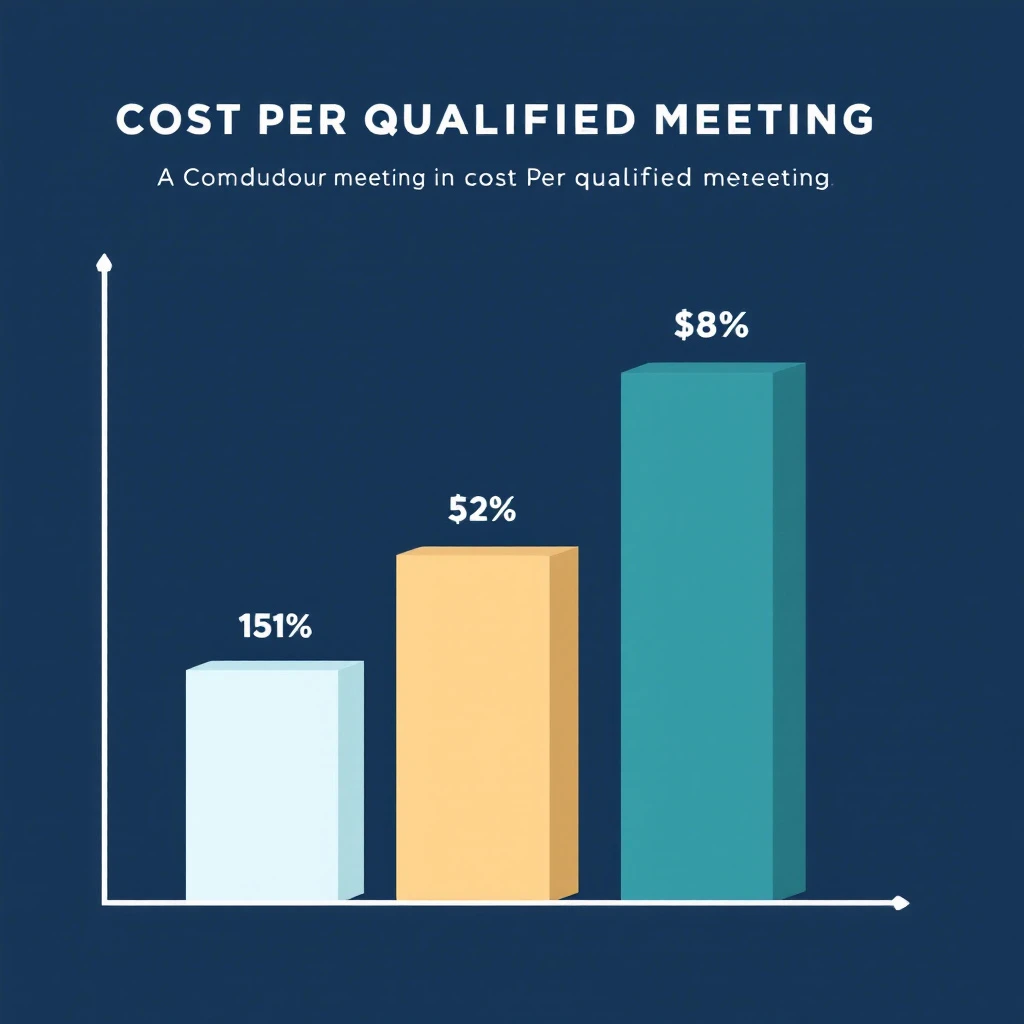
Human SDR: $142,000 fully loaded ÷ 12 months = ~$11,800/mo. At 11 meetings/month once ramped, that's ~$1,075 per qualified meeting — but only after month 5. During ramp, your cost per meeting is effectively infinite, then astronomical, then settles.
Entry AI SDR ($900/mo): If it books even 6-8 meetings/month, that's ~$115-$150 per meeting. On paper, a 7-9x cost advantage.
That gap is why the "just use AI" pitch sounds unbeatable. Here's why it usually isn't.
The Plot Twist: The "Autonomous AI SDR" Is Failing
If AI SDRs booked meetings at $130 each with no downside, the human SDR would already be extinct. It isn't. Here's what the 2026 data actually shows:
- 50-70% of teams that deployed AI SDRs churned off the tools within 3 months.
- 40-60% of pilots fail within 90 days — poor targeting, deliverability collapse, or compliance violations.
- Domain reputation collapse from over-sending caps 47% of AI SDR deployments inside the first 90 days. Microsoft 365 inboxes are the strictest filter.
The lesson the whole category learned the hard way: an autonomous bot blasting thousands of unreviewed emails doesn't scale your pipeline — it burns your domain, torches your prospect list, and hands you a deliverability problem that takes months to recover from. AI cold email loses on deliverability faster than it loses on copy.
That "$130 per meeting" math assumes the bot keeps working. When it flames out in month 2, your real cost per meeting is the subscription plus the damage. We wrote about why general-purpose AI won't replace your SDR stack — the deployment data has only made that case stronger.
What's Actually Winning: The Hybrid Model
Here's the number that reframes the entire debate:
Cost per qualified opportunity fell from $487 (human-only pods) to $224 (hybrid AI + human pods) — meaningful, but nowhere near the "AI replaces SDRs" headlines.
The teams winning in 2026 aren't choosing AI or humans. They're running disciplined hybrid pods: AI drafts and researches, a human approves, and a real sender lands the email. The fully-autonomous narrative is dead. The winning category is orchestration platforms that blend AI agents, human judgment, and signal intelligence.
This is the whole point. The right question isn't "AI SDR or human SDR?" It's "how do I make one great human as productive as three?" — by giving them AI that does the research, drafting, and prioritization, and a human who owns the judgment, the relationship, and the send.
The Decision Framework: When to Choose What
Skip the ideology. Use this:
Hire a human SDR when:
- You sell high-ACV, complex deals where relationship and discovery drive the sale
- Your ICP is small and precise — every touch has to be right
- You have a manager who can actually coach and ramp them
- You can absorb 5+ months of ramp before you need output
Deploy an AI SDR (with a human in the loop) when:
- You have a large addressable market and need research/drafting leverage, not replacement
- You want to make your existing reps 2-3x more productive rather than add headcount
- You can commit to human review of targeting and messaging — non-negotiable
- You need coverage now and can't wait 5 months for ramp
Never:
- Let a fully autonomous bot run outbound for weeks with no human reviewing sends, targets, or domain health. That's the exact mistake behind the 2026 backlash.
For the metrics to hold either option accountable, use our SDR KPIs and benchmarks guide. If speed of response is your gap, speed to lead is where AI leverage pays back fastest. And if you're evaluating tools, start with the best AI BDR tools of 2026 and AI SDR tools with human oversight.
The Bottom Line
- A human SDR costs $102K-$210K fully loaded, takes ~5.5 months to ramp, and has a 34-45% chance of leaving within the year.
- AI SDRs cost $250-$5,000/mo, but 50-70% of deployments churn within 3 months when run autonomously.
- On paper, AI wins on cost per meeting 7-9x. In reality, autonomous AI's failure rate erases that edge.
- The winning model is hybrid: cost per opportunity drops from $487 to $224 when AI augments a human instead of replacing one.
The math doesn't say "fire your SDRs." It says stop asking AI to be an SDR, and start using it to make your SDRs unstoppable. That's the difference between a bot that spams your market and a system that tells your rep exactly who to contact and what to do next.
MarketBetter is built for that hybrid reality: signal intelligence that surfaces who's in-market, and a playbook that turns each signal into a specific next action — so one great rep covers the ground of three, without torching your domain or your list. If you want to see what "AI-augmented, human-owned" pipeline actually looks like:
Sources: cost and turnover benchmarks from Alleyoop, Martal, RevPilots, and Remote Growth Partners; AI SDR pricing from Artisan, Altitude, and Cleanlist pricing indices; deployment and deliverability data from Kwanzoo, First Sales, and Harbor BD 2026 reports.