25 posts tagged with "AI & Sales Automation"

AI SDR tools, automation workflows, and AI-powered selling strategies

View All Tags

Agent-Built Demo Videos: The Outbound Tactic We'd Run in 2026

ยท 12 min read
MarketBetter Team
Content Team, marketbetter.ai

Abstract minimalist illustration of a robotic arm operating a computer whose screen glows and projects a small film reel toward a mailbox

File this one under tactics worth stealing. GTM teams are getting replies with a play that was impossible to run until a few months ago: a computer-use agent builds a working account inside your product for each prospect, records itself running their campaign, and the prospect gets the video in their first touch. We've spent the last week pulling it apart at MarketBetter โ€” because half of the play is something an agent does brilliantly, and the other half is the problem we've been building against for two years. Here it is as a runnable tactic: what it is, when to use it, the steps, where it breaks, and what to measure.

Claude's Free Monthly API Credits: What a Sales Team Runs on $500

ยท 8 min read
MarketBetter Team
Content Team, marketbetter.ai

Abstract minimalist illustration of coins flowing from a subscription card into a network of small autonomous machines

On October 7, 2026 โ€” the same day it cut Haiku pricing 75% โ€” Anthropic quietly added something to Max and Team subscriptions that most sales teams haven't noticed yet: a recurring monthly API credit balance. $100/month on Max 5x, $200 on Max 20x, and up to $500/month pooled per organization on Team plans.

Those credits don't apply to chatting with Claude. They apply to the part most teams never budget for: running agents โ€” the Claude API, the Agent SDK, headless claude -p automation, the Batches API, and Claude Managed Agents, Anthropic's hosted agent runtime.

Here's the claim in plain terms: if your sales org already pays for Claude Team, you now have a standing agent budget โ€” renewed monthly, use it or lose it โ€” that at current model prices covers more automated pipeline work than most teams would think to run. We did the math below.

I Watched Clay's AI SDR at Sculpt. The Smart Part Isn't the Voice.

ยท 7 min read
Sunder Iyer
Founder, marketbetter.ai

I was in the room at Sculpt on October 8 when Clay demoed its Inbound SDR Agent. Most of the coverage since โ€” ours included โ€” has fixated on the voice. An AI that talks to your inbound leads. That's the headline.

But sitting there watching the demo, the voice wasn't the part that made me lean forward. The part that made me lean forward was when the agent stopped talking and started showing.

Here's the walkthrough, what's actually live versus what was on stage, the insight I think everyone's missing, and โ€” because we're building in this direction at MarketBetter โ€” a request: tell us where we're wrong.

Seismic Shift 2026: Deal Agent, MCP, and the Enablement Monopoly Problem

ยท 8 min read
MarketBetter Team
Content Team, marketbetter.ai

Abstract illustration of two large spheres merging into one, surrounded by orbiting agent nodes connected by flowing data lines, minimalist style

On October 13, 2026, Seismic opened its Shift conference in San Diego with a lineup that would have been two competing keynotes a year ago: Deal Agent, now live in both the Seismic and Highspot platforms, a governance-focused Library Agent, a preview of Context Graph, and an expanded Seismic Everywhere built on an MCP server that plugs the whole thing into Claude, ChatGPT, Gemini, and Meta's assistants.

The reason one keynote covered both platforms: Seismic and Highspot โ€” the two companies that between them defined enterprise sales enablement โ€” are now one company. The merger was announced February 12, closed August 18, and Shift 2026 was the first public look at what the combined roadmap actually is.

Short version: it's agents everywhere, governance as the differentiator, and a procurement situation sales leaders should think about before their next renewal. Here's the breakdown.

We Built AI SEO Inside Our Marketing Platform: The Workflow 17,000 Wasted Impressions Taught Us

ยท 15 min read
MarketBetter Team
Content Team, marketbetter.ai

The problem looked stupid in a spreadsheet.

Eight blog posts on our own site, ranking somewhere between position four and position fifteen on Google, pulling in roughly seventeen thousand impressions a month between them โ€” and almost no clicks. Apollo.io pricing. Attio CRM pricing. Marketing budget allocation. Monaco platform review. Cold email templates. The kind of buyer-intent queries that should convert. Showing up. Not getting clicked.

We were not failing at ranking. We were failing at the eight inches between Google's index and a buyer's index finger.

This is the post about what we did about it, why most of the SEO advice you have read is wrong about which half of the funnel matters at our stage, and the workflow we ran by hand for months before deciding to just ship it as a product.

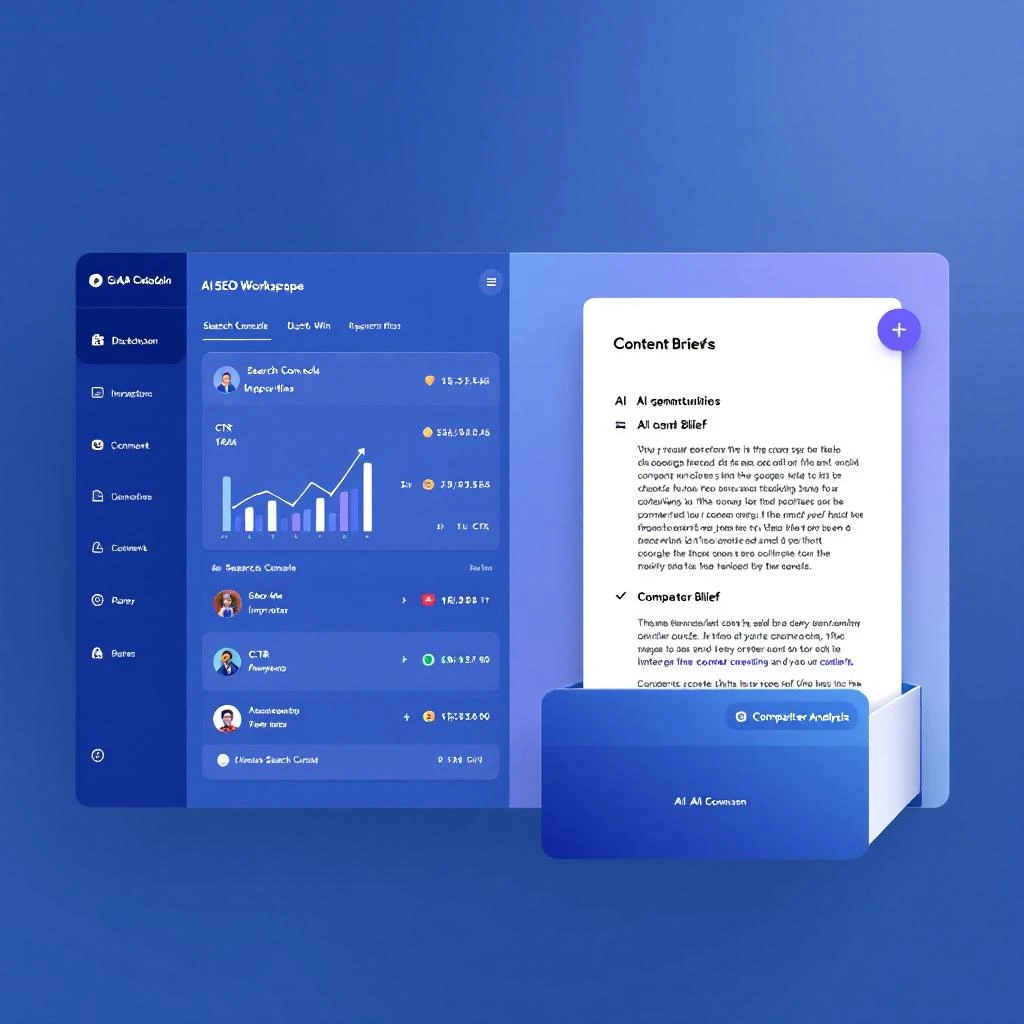
The AI SEO workspace inside MarketBetter showing GSC quick-win opportunities ranked by impressions and CTR, with content briefs ready to open in a document drawer

From Buying Signal to Booked Meeting in 24 Hours: The SDR Workflow That Beats Competitors to the Buyer

ยท 15 min read
MarketBetter Team
Content Team, marketbetter.ai

A buying signal has a half-life. Most SDR teams behave as if it does not.

The signal fires on Tuesday โ€” a target account starts pricing pages on your competitor's site, a champion changes jobs into your ICP, a job posting goes up for the role that buys your category. Somewhere in the stack, that event gets written to a row in a database. By Thursday it shows up in a weekly digest. Friday afternoon someone exports a list. The following Monday, an SDR opens it, picks a few, and sends an email referencing "your recent activity" without any idea what the activity actually was. By then the buyer has had three calls with the vendor that responded the same day.

This is not a tooling problem. It is a workflow problem. The teams winning signal-driven pipeline in 2026 have collapsed the time between signal fires and human shows up in front of buyer to under twenty-four hours โ€” sometimes under two. They are not faster because they have better tools. They are faster because they have an actual hour-by-hour workflow, with named owners, named decisions, and a hard stop at the end of every interval where someone has to act or escalate.

This is that workflow. It assumes you have a working signal source โ€” visitor identification, intent data, job-change alerts, hiring signals, technographic shifts, or some combination. If you do not, start with the complete guide to buying signal tools for 2026 before reading further.
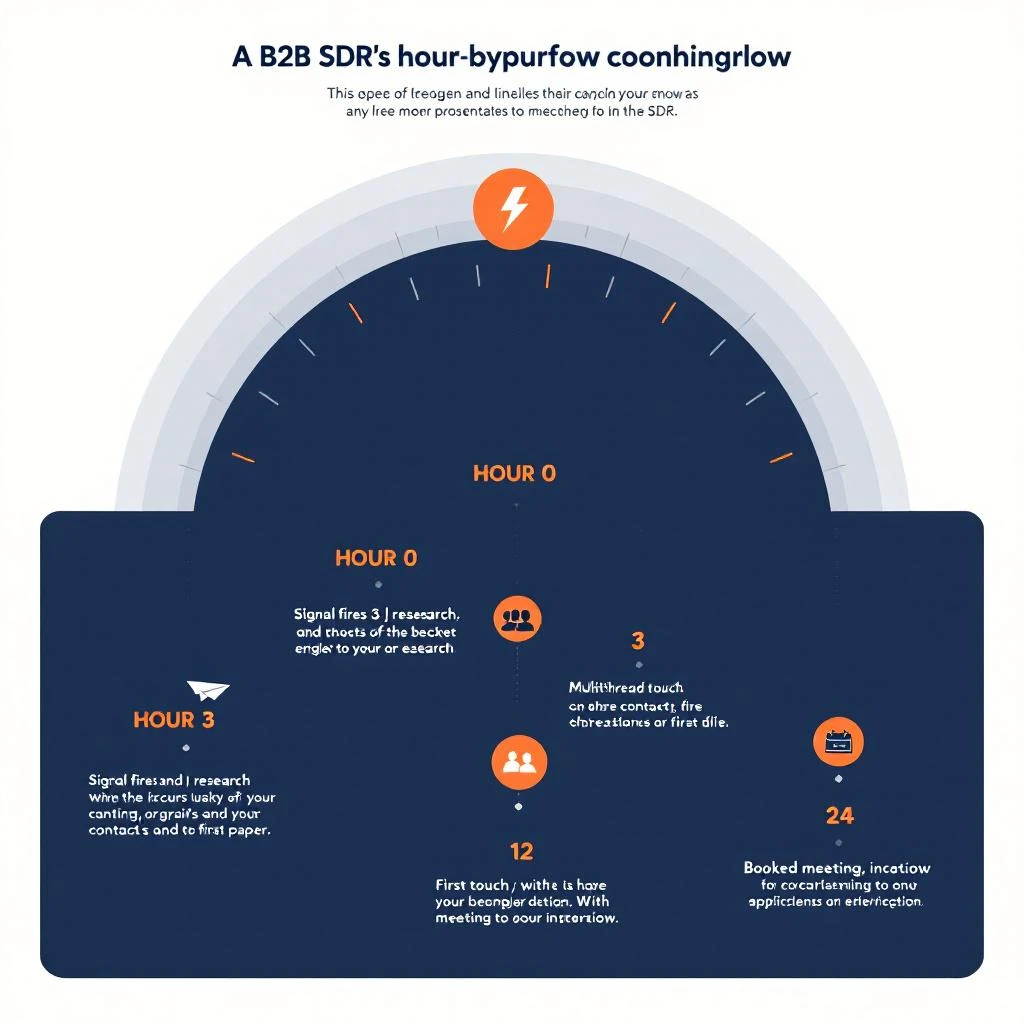

A B2B SDR working through a 24-hour signal-to-meeting workflow, with timeline markers showing signal trigger, qualification, research, first touch, and booked meeting

Reopening Closed-Lost: An AE Playbook for Turning Dead Deals Into Pipeline With Buyer Signals

ยท 15 min read
MarketBetter Team
Content Team, marketbetter.ai

Closed-lost is the most misread field in your CRM.

Most teams treat it as a verdict โ€” a final state, a tombstone, the thing you stop checking after the QBR slide where someone says "we'll revisit next year" and nobody does. The deal goes into a folder. The Slack channel goes quiet. The AE moves on. Three quarters later, the buyer signs with a competitor and somebody on your team finds out from LinkedIn.

This is a category error. Closed-lost is not a verdict. It is a date stamp on a deferred decision. Roughly seven out of ten enterprise B2B losses are not actually losses โ€” they are postponements. The buyer ran out of budget, lost a champion, deprioritized the project, picked the safer incumbent, or simply ran out of cycles. None of those are permanent. All of them are observable, in real time, if you are watching the right signals.

This is the playbook AEs are quietly using to mine their closed-lost pipeline and turn it back into the cleanest, fastest-closing source of new revenue they have. Seven steps. No nurture sequences. No automated win-back emails that read like a hostage note. Just timing, signal, and the specific muscle memory of an AE who has stopped treating losses as final.

An account executive reviewing a closed-lost dashboard with buyer signal alerts lighting up old opportunities across multiple monitors

The First 30 Minutes: A Morning Workflow For SDRs Who Hit Quota Before Lunch

ยท 13 min read
MarketBetter Team
Content Team, marketbetter.ai

Most SDRs lose their best two hours of the day before their second sip of coffee.

They open Salesforce. Then Outreach. Then Slack. They scroll the lead queue, half-skim a Slack thread, click into LinkedIn to "see if anything came in overnight," and emerge forty minutes later with no calls booked, no emails sent, and a vague sense that the day has already gotten away from them.

Meanwhile, somewhere in the same org, the top rep on the team is on their second discovery call by 9:30. That rep is not smarter. They are not working from a different lead list. They are running a different morning. A specific one. And it is almost embarrassingly repeatable.

This is what that first thirty minutes actually looks like โ€” and the workflow you can copy, today, to stop wasting the only block of time in your day where buyers reliably pick up the phone.

An SDR at their desk in early morning light, working through a clean prioritized queue of overnight buying signals before the rest of the office arrives

Three AI-Native Demand Gen Plays We're Running Right Now (That Aren't Outbound)

ยท 13 min read
MarketBetter Team
Content Team, marketbetter.ai

Almost everything I read about AI-native GTM right now ends the same way: an AI agent drafts an email to a prospect.

Closed-lost re-engagement โ†’ email. Champion tracking โ†’ email. Micro-campaign โ†’ sequence. The plays are good. They are also all the same shape โ€” outbound, one-to-one, sales-led โ€” and they assume you already have a list of accounts worth talking to.

Nobody is writing about the demand gen side of this. The half of GTM that has to fill the top of the funnel, build the brand, and earn the right to send any of those clever emails in the first place. That side is moving too, and the plays look completely different.

These are three we are actually running at marketbetter.ai right now. Each one either was not possible eighteen months ago or used to take ten times longer. None of them end in an email.

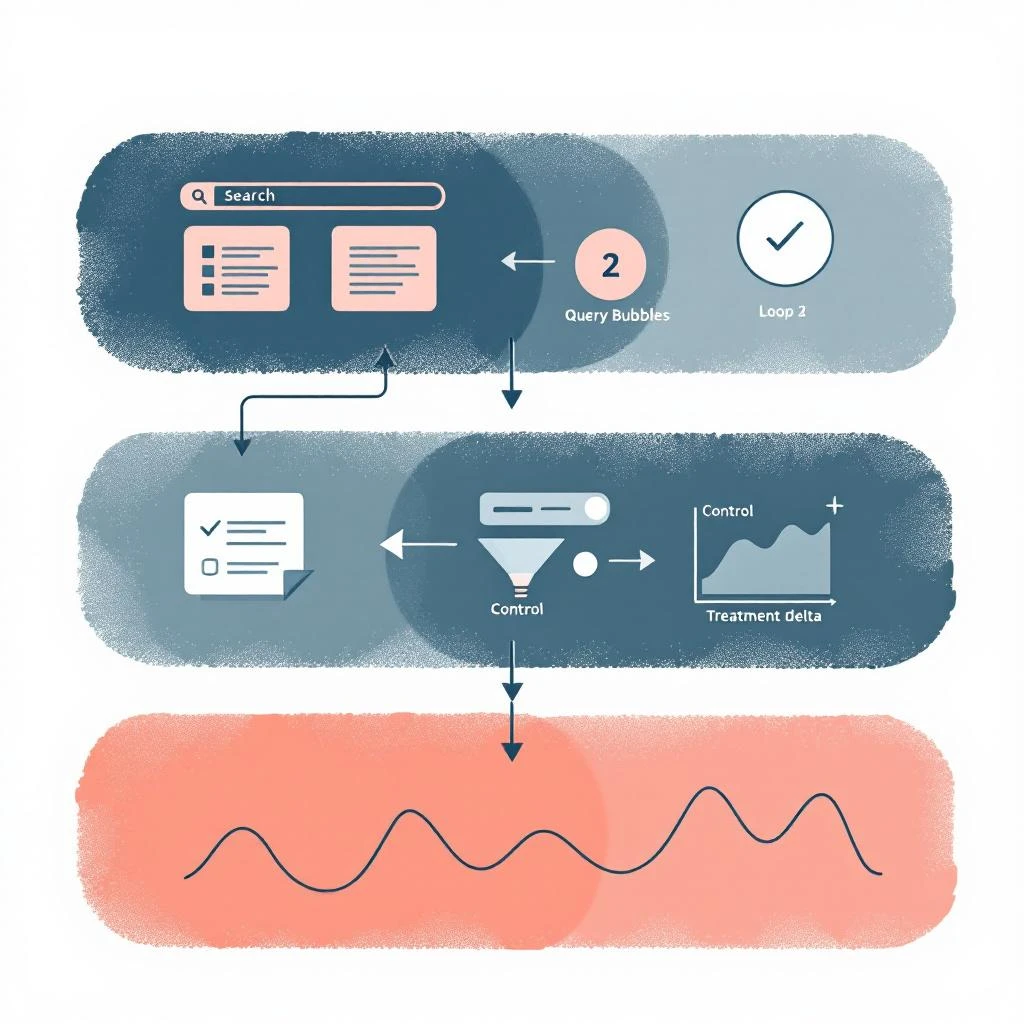
A demand gen workflow diagram showing AI engine citation logs, GSC striking distance queries, and outcome measurement loops feeding into a single content engine

Your Fragmented B2B Lead Stack Is Killing Pipeline (And Hiding It From You)

ยท 18 min read
MarketBetter Team
Content Team, marketbetter.ai

A revenue leader I read about this week described a Tuesday morning where, by 11 a.m., his marketing ROI had silently dropped to zero.

Nothing was on fire. No outage, no broken integration, no Slack alert. The dashboards were green. Inbound demo requests were still arriving. The chat widget was still chatting. The AI SDR was still sending. HubSpot was still humming. Salesforce was still syncing. Chili Piper was still booking meetings.

And yet, when sales pulled their pipeline at the end of the week, qualified opportunities had vanished. Booked meetings had been reassigned to the wrong reps. Two enterprise deals had been silently routed to the SMB queue and sat untouched for forty-eight hours. A handful of leads were duplicated across three accounts because a Clearbit refresh had rewritten the company domain on a record that another tool was using as the join key.

The forensics took a week. The root cause was almost embarrassing: a small change to one automation โ€” a routing rule in a single tool, made by a single person, on a single Friday afternoon โ€” that cascaded silently across seven systems before anyone noticed.

This is not an edge case. This is the modal failure mode of the modern inbound stack.

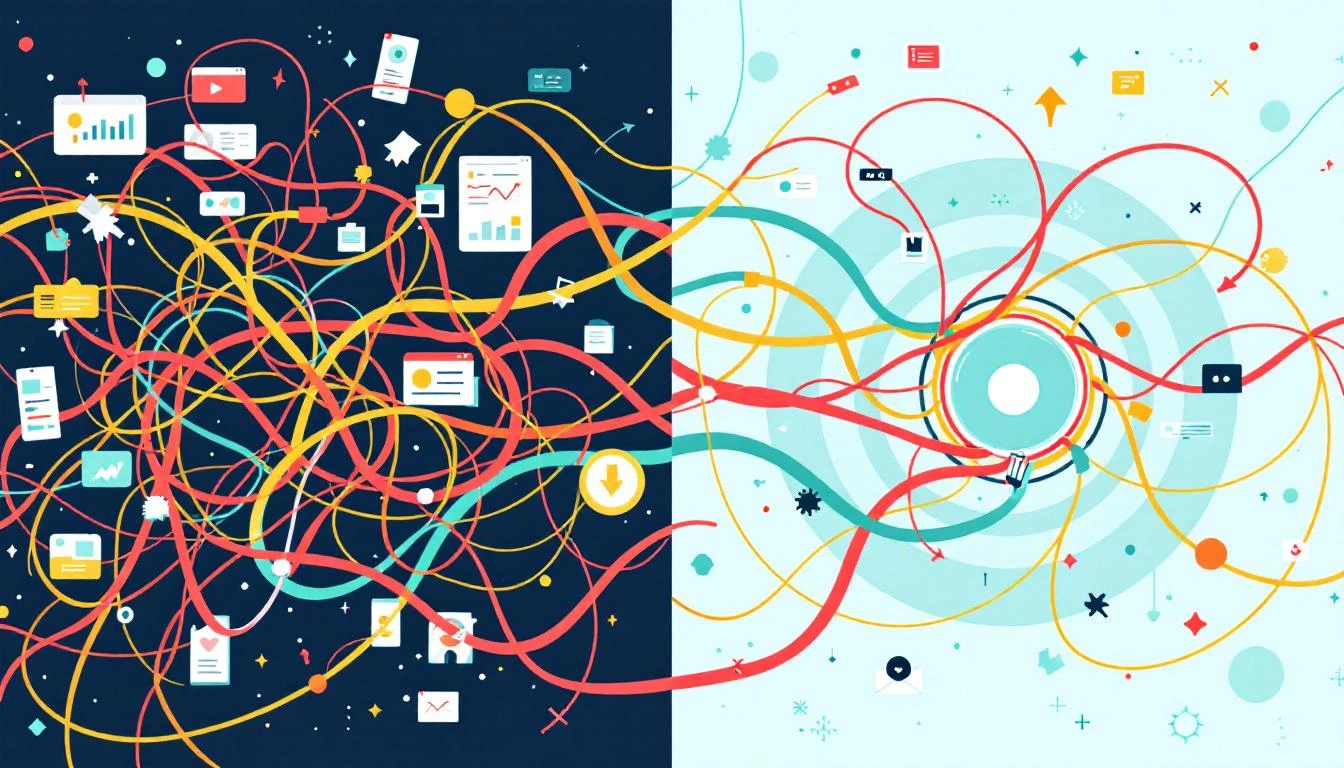
A tangled web of B2B sales tools fragmenting into broken handoffs, illustrating how fragmented lead stacks silently kill pipeline