Building a WhatsApp Sales Bot for Real-Time Deal Notifications with OpenClaw [2026]

Β· 9 min read
sunder
Founder, marketbetter.ai

Your CRM sends email notifications. You check email twice a day. A hot lead came in at 9am. You saw it at 3pm. They already booked with a competitor.

The notification problem is a channel problem.

Sales leaders check WhatsApp 50+ times per day. They check email 2-3 times. If you want real-time awareness of your pipeline, put alerts where you actually look.

OpenClaw makes this trivially easy. In this guide, I'll show you how to build a WhatsApp bot that:

  • Alerts you when high-value leads come in
  • Notifies you of deal stage changes
  • Sends daily pipeline summaries
  • Lets you query your CRM conversationally

All running 24/7. All delivered to the app you already have open.

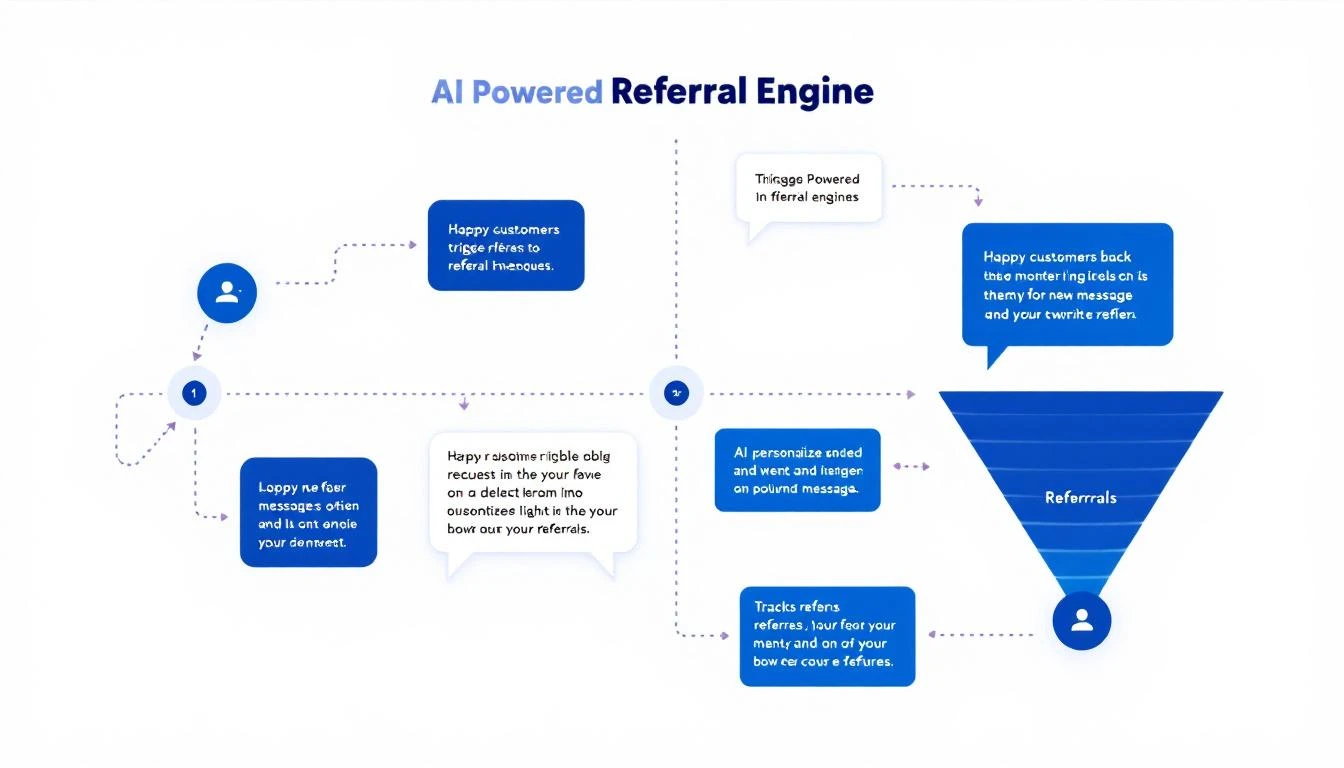
WhatsApp deal notification system

Why WhatsApp for Sales Notifications​

The Engagement Numbers​

ChannelAvg. Time to SeeOpen RateResponse Rate
Email6-24 hours21%2%
Slack30-60 min65%15%
WhatsApp< 5 min98%45%
SMS3-10 min90%25%

WhatsApp wins because:

  1. It's always open - Most professionals keep it running
  2. Notifications are prominent - You see them immediately
  3. It's conversational - You can reply/query naturally
  4. It's personal - Feels more important than work tools

What Should Come Through WhatsApp​

Not everything. Be selective:

High Priority (Immediate WhatsApp):

  • New leads over $50K estimated value
  • Deal stage changes (especially late stage)
  • At-risk deals (no activity 7+ days)
  • Competitor mentions detected
  • Key account activity (target list)
  • Urgent meeting requests

Medium Priority (Daily Summary):

  • Pipeline additions
  • Forecast changes
  • Activity metrics
  • Team performance

Low Priority (Keep in CRM/Email):

  • Routine activity logging
  • System notifications
  • Bulk updates

Setting Up OpenClaw for WhatsApp​

OpenClaw connects to WhatsApp through its built-in WhatsApp channel. Setup takes about 10 minutes.

Step 1: Configure OpenClaw​

# openclaw.yaml
channels:
whatsapp:
enabled: true
# Your personal WhatsApp gets connected via QR code scan

agents:
deal-alerts:
model: claude-sonnet-4-20250514
prompt: |
You are a sales intelligence assistant. Monitor the CRM for important events
and send timely, actionable notifications to the sales team via WhatsApp.

Be concise. Every message should be scannable in 5 seconds.
Include: What happened, why it matters, what to do next.

tools:
- hubspot # or salesforce
- web_search
- memory

When you start OpenClaw, it will prompt you to scan a QR code with WhatsApp:

openclaw gateway start
# Scan QR code with WhatsApp when prompted

Once linked, OpenClaw can send and receive WhatsApp messages.

Step 3: Build the Alert System​

# deal_alerts.py
import os
from datetime import datetime, timedelta
from hubspot import HubSpot

class DealAlertSystem:
def __init__(self):
self.hubspot = HubSpot(access_token=os.environ['HUBSPOT_TOKEN'])
self.alert_thresholds = {
"high_value_deal": 50000,
"stale_deal_days": 7,
"hot_lead_score": 80
}

def check_new_high_value_deals(self) -> list:
"""Find deals created in last hour over threshold."""

one_hour_ago = datetime.now() - timedelta(hours=1)

deals = self.hubspot.crm.deals.search(
filter_groups=[{
"filters": [
{
"propertyName": "createdate",
"operator": "GTE",
"value": int(one_hour_ago.timestamp() * 1000)
},
{
"propertyName": "amount",
"operator": "GTE",
"value": self.alert_thresholds["high_value_deal"]
}
]
}]
)

return [self.format_deal_alert(d) for d in deals.results]

def check_stage_changes(self) -> list:
"""Find deals that changed stage in last hour."""

# Query deal history for stage changes
# (Implementation depends on your CRM's activity tracking)
pass

def check_stale_deals(self) -> list:
"""Find open deals with no activity in X days."""

stale_date = datetime.now() - timedelta(
days=self.alert_thresholds["stale_deal_days"]
)

deals = self.hubspot.crm.deals.search(
filter_groups=[{
"filters": [
{
"propertyName": "dealstage",
"operator": "NEQ",
"value": "closedwon"
},
{
"propertyName": "dealstage",
"operator": "NEQ",
"value": "closedlost"
},
{
"propertyName": "notes_last_updated",
"operator": "LT",
"value": int(stale_date.timestamp() * 1000)
}
]
}]
)

return [self.format_stale_alert(d) for d in deals.results]

def format_deal_alert(self, deal) -> str:
"""Format a deal into a scannable WhatsApp message."""

amount = f"${deal.properties.get('amount', 0):,.0f}"
company = deal.properties.get('dealname', 'Unknown')
stage = deal.properties.get('dealstage', 'Unknown')
owner = deal.properties.get('hubspot_owner_id', 'Unassigned')

return f"""
πŸ”₯ *NEW HIGH-VALUE DEAL*

πŸ’° \{amount\}
🏒 {company}
πŸ“ Stage: \{stage\}
πŸ‘€ Owner: {owner}

β†’ Check HubSpot: [link]
"""

def format_stale_alert(self, deal) -> str:
"""Format a stale deal warning."""

company = deal.properties.get('dealname', 'Unknown')
days_stale = self.calculate_days_stale(deal)
amount = f"${deal.properties.get('amount', 0):,.0f}"

return f"""
⚠️ *DEAL GOING COLD*

🏒 {company}
πŸ’° \{amount\}
πŸ“… No activity: {days_stale} days

Action needed: Log an activity or update stage.
"""

WhatsApp sales bot conversation

Scheduling Alerts with OpenClaw Cron​

OpenClaw has built-in cron support. Here's how to schedule different alert types:

# openclaw.yaml - Cron jobs for deal alerts
cron:
jobs:
# Check for hot leads every 15 minutes
- name: "hot-lead-check"
schedule: "*/15 * * * *"
payload:
kind: systemEvent
text: |
Check CRM for new high-value leads (score > 80 or amount > $50K).
If found, send WhatsApp alert with lead details and recommended action.
sessionTarget: main

# Check for stale deals twice daily
- name: "stale-deal-check"
schedule: "0 9,15 * * *" # 9am and 3pm
payload:
kind: systemEvent
text: |
Check for open deals with no activity in 7+ days.
Send WhatsApp summary if any found, grouped by owner.
sessionTarget: main

# Daily pipeline summary
- name: "daily-pipeline-summary"
schedule: "0 8 * * 1-5" # 8am weekdays
payload:
kind: systemEvent
text: |
Generate daily pipeline summary:
- Total pipeline value
- New deals (24h)
- Stage changes
- Deals closing this week
- At-risk deals
Send formatted summary to WhatsApp.
sessionTarget: main

# Weekly forecast update
- name: "weekly-forecast"
schedule: "0 9 * * 1" # Monday 9am
payload:
kind: systemEvent
text: |
Generate weekly forecast report:
- Commit vs. best case
- Week-over-week change
- Key deals to watch
- Recommended focus areas
Send to WhatsApp with action items.
sessionTarget: main

Conversational CRM Queries​

The real power is bidirectional. Ask questions, get answers:

Example Conversations​

You: "What's my pipeline looking like this quarter?"

Bot:

πŸ“Š Q1 Pipeline Summary

Total: $2.4M (68 deals)
β”œβ”€β”€ Qualified: $890K (32 deals)
β”œβ”€β”€ Demo: $720K (18 deals)
β”œβ”€β”€ Proposal: $540K (12 deals)
└── Negotiation: $250K (6 deals)

🎯 vs. Target: $2.4M / $3M (80%)
πŸ“ˆ WoW Change: +$180K (+8%)

Top 3 Deals:
1. Acme Corp - $180K - Proposal
2. TechStart Inc - $120K - Demo
3. Global Systems - $95K - Negotiation

You: "Any updates on the Acme deal?"

Bot:

🏒 Acme Corp | $180K | Proposal Stage

Last Activity: 2 days ago
- Sarah sent revised proposal
- Waiting on procurement review

Next Steps:
- Follow-up scheduled for Thursday
- Need to connect with CFO (budget holder)

⚠️ Risk: Competitor (Warmly) mentioned in last call

You: "Who should I call today?"

Bot:

πŸ“ž Priority Calls for Today

1. πŸ”₯ Global Systems - $95K
Negotiation stage, contract review
Contact: Mike Chen (VP Sales)

2. ⚠️ DataFlow Inc - $65K
No activity 5 days, was hot
Contact: Lisa Park (CRO)

3. πŸ“… TechStart Inc - $120K
Demo follow-up due
Contact: James Wilson (CEO)

Shall I prep call briefs for any of these?

Implementation​

# conversational_crm.py
from anthropic import Anthropic

class ConversationalCRM:
def __init__(self):
self.client = Anthropic()
self.hubspot = HubSpot(access_token=os.environ['HUBSPOT_TOKEN'])

def process_query(self, user_message: str) -> str:
"""Process natural language CRM queries."""

# First, understand the intent
intent = self.classify_intent(user_message)

# Fetch relevant data based on intent
if intent['type'] == 'pipeline_summary':
data = self.get_pipeline_data()
elif intent['type'] == 'deal_detail':
data = self.get_deal_detail(intent['deal_name'])
elif intent['type'] == 'priority_tasks':
data = self.get_priority_tasks()
elif intent['type'] == 'forecast':
data = self.get_forecast_data()
else:
data = self.general_crm_query(user_message)

# Format response for WhatsApp
return self.format_whatsapp_response(data, intent)

def classify_intent(self, message: str) -> dict:
"""Use Claude to understand what the user wants."""

response = self.client.messages.create(
model="claude-sonnet-4-20250514",
max_tokens=200,
messages=[{
"role": "user",
"content": f"""
Classify this CRM query intent:
"{message}"

Return JSON:
{{
"type": "pipeline_summary|deal_detail|priority_tasks|forecast|activity_log|general",
"deal_name": "if specific deal mentioned",
"time_period": "if time mentioned",
"filters": ["any filters mentioned"]
}}
"""
}]
)

return json.loads(response.content[0].text)

def format_whatsapp_response(self, data: dict, intent: dict) -> str:
"""Format CRM data for WhatsApp (concise, scannable)."""

response = self.client.messages.create(
model="claude-sonnet-4-20250514",
max_tokens=500,
messages=[{
"role": "user",
"content": f"""
Format this CRM data for WhatsApp. Keep it:
- Scannable in 5 seconds
- Using emojis for visual hierarchy
- Under 300 words
- Action-oriented

Data: {json.dumps(data)}
User Intent: {json.dumps(intent)}
"""
}]
)

return response.content[0].text

Security Considerations​

What to Protect​

  1. Deal values: Don't send exact amounts to shared groups
  2. Contact info: Keep personal details in CRM, not messages
  3. Competitive intel: Sensitive mentions stay private
  4. Access control: Only authorized users get alerts

Implementation​

# security_filter.py
class AlertSecurityFilter:
def __init__(self):
self.private_fields = ['contact_phone', 'contact_email', 'notes']
self.sensitive_keywords = ['competitor', 'pricing', 'discount']

def filter_for_channel(self, alert: dict, channel_type: str) -> dict:
"""Filter alert content based on channel sensitivity."""

if channel_type == 'group':
# Remove specific amounts
alert['amount'] = self.round_amount(alert.get('amount', 0))
# Remove private fields
for field in self.private_fields:
alert.pop(field, None)
# Flag if contains sensitive info
if self.contains_sensitive(alert):
return self.create_private_redirect(alert)

return alert

def round_amount(self, amount: float) -> str:
"""Round amounts for public channels."""
if amount >= 100000:
return f"${int(amount/100000)}00K+"
elif amount >= 10000:
return f"${int(amount/10000)}0K+"
else:
return "< $10K"

def contains_sensitive(self, alert: dict) -> bool:
"""Check if alert contains sensitive content."""
text = json.dumps(alert).lower()
return any(kw in text for kw in self.sensitive_keywords)

def create_private_redirect(self, alert: dict) -> dict:
"""Create a redacted alert that points to private channel."""
return {
"type": "private_redirect",
"message": f"πŸ”’ Sensitive update on {alert.get('deal_name', 'a deal')}. Check DM for details."
}

Results You Can Expect​

Teams using WhatsApp-based deal alerts report:

  • Response time to hot leads: Down from 4 hours to 8 minutes
  • Stale deal intervention: Up 3x (catches problems faster)
  • Pipeline accuracy: Up 40% (reps update more when it's easy)
  • Manager awareness: "I know what's happening without asking"

The ROI isn't complicated: faster response = more deals closed.

Free Tool

Try our AI Lead Generator β€” find verified LinkedIn leads for any company instantly. No signup required.

Getting Started​

Prerequisites​

  • OpenClaw installed and running
  • HubSpot or Salesforce API access
  • WhatsApp on your phone

Quick Start​

  1. Add WhatsApp to OpenClaw config:
channels:
whatsapp:
enabled: true
  1. Scan QR code when prompted:
openclaw gateway start
  1. Add your first cron alert:
cron:
jobs:
- name: "hot-lead-alert"
schedule: "*/15 * * * *"
payload:
kind: systemEvent
text: "Check for new leads over $50K. Alert me on WhatsApp if found."
sessionTarget: main
  1. Test it: Create a test deal in your CRM over the threshold. Wait 15 minutes. Get the alert.

  2. Iterate: Add more alerts, tune thresholds, build conversational queries.


Want this without building it yourself? MarketBetter includes real-time deal alerts + AI-powered playbooks β†’

Account Prioritization with AI: Claude Code vs Spreadsheets [2026]

Β· 10 min read
MarketBetter Team
Content Team, marketbetter.ai

Ask any sales rep: "How do you decide who to call first?" You'll get answers like:

  • "I work alphabetically through my list"
  • "Whatever came in most recently"
  • "Gut feeling based on company size"
  • "Whoever my manager tells me to"

None of these are strategies. They're coping mechanisms for a broken system.

The best accountsβ€”the ones with the highest likelihood to close and the highest deal valueβ€”are often buried in a spreadsheet, never contacted. Meanwhile, reps waste hours on accounts that were never going to buy.

AI Account Prioritization System

This guide shows you how to build an AI-powered account scoring system with Claude Code that identifies your highest-potential accounts automatically. Stop guessing. Start knowing.

The Real Cost of Poor Prioritization​

Here's what happens when sales teams prioritize badly:

Time Waste:

  • Average SDR spends 2+ hours daily deciding who to contact
  • 67% of time is spent on accounts that will never convert
  • Best accounts get the same attention as worst accounts

Revenue Loss:

  • 35-50% of deals go to the vendor that responds first
  • High-fit accounts that go uncontacted convert at competitor sites
  • Reps hit quota on volume, miss it on value

Burnout:

  • Calling dead accounts kills morale
  • "Spray and pray" feels pointless (because it is)
  • Top performers leave for companies with better systems

Spreadsheet Chaos vs AI Organization

The data is clear: teams that score and prioritize accounts effectively see 30% higher conversion rates and 20% shorter sales cycles.

Why Traditional Lead Scoring Fails​

Most lead scoring systems are built on two flawed premises:

Flaw 1: Static Rules​

"Companies with 500+ employees get 10 points."

This ignores:

  • Industry context (500 at a tech startup vs. 500 at a hospital = totally different)
  • Current buying signals
  • Relationship history
  • Market timing

Flaw 2: Incomplete Data​

You score what you can measure, but the most predictive signals are often qualitative:

  • "They mentioned they're evaluating competitors"
  • "Their CTO attended our webinar AND read our pricing page"
  • "They just raised a Series B and need to scale sales"

Claude Code can synthesize both structured and unstructured data to create scoring that actually predicts conversions.

The Architecture of AI Account Scoring​

Here's how an intelligent prioritization system works:

1. Data Aggregation​

Pull from every source: CRM, enrichment tools, website behavior, email engagement, social signals.

2. ICP Matching​

Score firmographic fit against your ideal customer profile.

3. Intent Detection​

Identify behavioral signals that indicate active buying.

4. Relationship Mapping​

Account for existing touchpoints and engagement history.

5. Timing Analysis​

Factor in buying cycles, budget periods, and urgency signals.

6. Composite Scoring​

Combine all factors into a single prioritization score.

Building the System with Claude Code​

Step 1: Define Your ICP Criteria​

First, codify what makes an account "ideal":

const ICP_CRITERIA = {
firmographic: {
employeeRange: { min: 50, max: 1000, weight: 0.2 },
revenueRange: { min: 5000000, max: 100000000, weight: 0.15 },
industries: {
include: ['SaaS', 'Technology', 'Financial Services', 'Healthcare'],
exclude: ['Government', 'Education'],
weight: 0.15
},
geographies: {
include: ['US', 'Canada', 'UK', 'Germany'],
weight: 0.05
}
},

technographic: {
required: ['Salesforce', 'HubSpot'],
positive: ['Outreach', 'SalesLoft', 'Gong'],
negative: ['Competitor X', 'Legacy CRM'],
weight: 0.15
},

departmentSignals: {
hasSalesTeam: { minSize: 5, weight: 0.1 },
hasMarketingTeam: { minSize: 2, weight: 0.05 },
hasRevOps: { weight: 0.1 }
}
};

Step 2: Aggregate Data Sources​

Pull everything you know about each account:

async function aggregateAccountData(companyId) {
// CRM data
const crmData = await crm.getCompany(companyId);
const contacts = await crm.getContacts({ companyId });
const deals = await crm.getDeals({ companyId });
const activities = await crm.getActivities({ companyId });

// Enrichment data
const enrichment = await clearbit.enrich(crmData.domain);
const techStack = await builtwith.getTechStack(crmData.domain);

// Website behavior
const webActivity = await analytics.getCompanyActivity(companyId, {
days: 30
});

// Email engagement
const emailEngagement = await emailPlatform.getEngagement(companyId);

// Social signals
const linkedInActivity = await linkedin.getCompanySignals(crmData.domain);

// News and events
const recentNews = await newsApi.getCompanyNews(crmData.name, { days: 90 });

// Competitor mentions
const competitorSignals = await detectCompetitorActivity(companyId);

return {
company: crmData,
contacts,
deals,
activities,
enrichment,
techStack,
webActivity,
emailEngagement,
linkedInActivity,
recentNews,
competitorSignals
};
}

Step 3: Score with Claude Code​

Now use Claude to synthesize all signals into a comprehensive score:

async function scoreAccount(accountData) {
// Calculate structured scores
const icpScore = calculateICPScore(accountData, ICP_CRITERIA);
const engagementScore = calculateEngagementScore(accountData);
const intentScore = calculateIntentScore(accountData);

// Use Claude for qualitative analysis
const qualitativeAnalysis = await claude.messages.create({
model: 'claude-3-5-sonnet-20241022',
max_tokens: 1000,
system: `You are a B2B sales strategist analyzing accounts for
prioritization. You excel at identifying hidden buying signals and
assessing account quality beyond basic metrics.

Provide:
1. OPPORTUNITY_SCORE (0-100): Likelihood to close
2. VALUE_SCORE (0-100): Potential deal size relative to effort
3. TIMING_SCORE (0-100): Urgency/readiness to buy
4. KEY_INSIGHTS: 2-3 critical observations
5. RECOMMENDED_APPROACH: Best first touch strategy`,
messages: [{
role: 'user',
content: `Analyze this account for prioritization:

COMPANY: ${accountData.company.name}
INDUSTRY: ${accountData.enrichment.industry}
SIZE: ${accountData.enrichment.employeeCount} employees
REVENUE: $${accountData.enrichment.annualRevenue}
TECH STACK: ${accountData.techStack.join(', ')}

RECENT ACTIVITY:
- Website visits: ${accountData.webActivity.pageviews} (${accountData.webActivity.uniqueVisitors} unique)
- Pages viewed: ${accountData.webActivity.topPages.join(', ')}
- Email engagement: ${accountData.emailEngagement.openRate}% open, ${accountData.emailEngagement.clickRate}% click
- Last activity: ${accountData.webActivity.lastActivity}

CONTACTS:
${accountData.contacts.map(c => `- ${c.name} (${c.title}): ${c.engagementScore} engagement`).join('\n')}

RECENT NEWS:
${accountData.recentNews.map(n => `- ${n.headline}`).join('\n')}

COMPETITOR SIGNALS:
${accountData.competitorSignals.length > 0 ? accountData.competitorSignals.join('\n') : 'None detected'}

RELATIONSHIP HISTORY:
- Previous deals: ${accountData.deals.length}
- Total activities: ${accountData.activities.length}
- Last touch: ${accountData.activities[0]?.date || 'Never'}

Provide your analysis as JSON.`
}],
response_format: { type: 'json_object' }
});

const aiAnalysis = JSON.parse(qualitativeAnalysis.content[0].text);

// Combine all scores
return {
companyId: accountData.company.id,
companyName: accountData.company.name,
scores: {
icp: icpScore,
engagement: engagementScore,
intent: intentScore,
opportunity: aiAnalysis.OPPORTUNITY_SCORE,
value: aiAnalysis.VALUE_SCORE,
timing: aiAnalysis.TIMING_SCORE
},
composite: calculateComposite({
icp: icpScore,
engagement: engagementScore,
intent: intentScore,
...aiAnalysis
}),
insights: aiAnalysis.KEY_INSIGHTS,
recommendedApproach: aiAnalysis.RECOMMENDED_APPROACH,
tier: determineTier(/* composite score */)
};
}

function calculateComposite(scores) {
// Weighted combination
return (
scores.icp * 0.2 +
scores.engagement * 0.15 +
scores.intent * 0.25 +
scores.OPPORTUNITY_SCORE * 0.2 +
scores.VALUE_SCORE * 0.1 +
scores.TIMING_SCORE * 0.1
);
}

Step 4: Create the Daily Prioritized List​

Generate a ranked list for each rep every morning:

async function generateDailyPrioritization(repId) {
// Get rep's assigned accounts
const accounts = await crm.getAccountsByRep(repId);

// Score all accounts (parallelize for speed)
const scoredAccounts = await Promise.all(
accounts.map(async account => {
const data = await aggregateAccountData(account.id);
return scoreAccount(data);
})
);

// Sort by composite score
const ranked = scoredAccounts.sort((a, b) => b.composite - a.composite);

// Assign daily tiers
const dailyList = {
mustTouch: ranked.slice(0, 5).map(addContactReason),
highPriority: ranked.slice(5, 15).map(addContactReason),
standard: ranked.slice(15, 50).map(addContactReason),
nurture: ranked.slice(50).map(addContactReason)
};

// Push to CRM and Slack
await crm.updateDailyPriorities(repId, dailyList);
await slack.sendDM(repId, formatPriorityList(dailyList));

return dailyList;
}

function addContactReason(account) {
return {
...account,
whyNow: generateWhyNow(account),
suggestedAction: getSuggestedAction(account),
talkingPoints: getTalkingPoints(account)
};
}

Account Scoring Dashboard

Real-World Example: Tech Company Prioritization​

Input: 500 accounts assigned to an SDR

AI Analysis Output (top 3):

[
{
"companyName": "CloudScale Inc",
"composite": 94,
"scores": {
"icp": 92,
"engagement": 88,
"intent": 96,
"timing": 98
},
"insights": [
"CEO visited pricing page 3x this week",
"Currently using Competitor X (known pain: data accuracy)",
"Just closed Series Bβ€”scaling sales team is top priority"
],
"recommendedApproach": "Reference Series B news, position as infrastructure for scaling sales team. CEO is actively evaluatingβ€”this is hot.",
"whyNow": "Series B + active pricing page visits = buying now"
},
{
"companyName": "DataFlow Systems",
"composite": 87,
"scores": {
"icp": 95,
"engagement": 75,
"intent": 89,
"timing": 82
},
"insights": [
"VP Sales attended our webinar last week",
"Hiring 5 SDRs according to LinkedIn",
"No current solution in place"
],
"recommendedApproach": "Reference webinar attendance, offer to help structure their new SDR team. Timing is good with their hiring push.",
"whyNow": "Building SDR team from scratch = greenfield opportunity"
},
{
"companyName": "NextGen Analytics",
"composite": 84,
"scores": {
"icp": 88,
"engagement": 91,
"intent": 78,
"timing": 75
},
"insights": [
"3 different people from the company have downloaded content",
"Tech stack includes Salesforce + Outreach",
"Last contacted 6 months agoβ€”went dark after demo"
],
"recommendedApproach": "Re-engage with new angle. Multiple stakeholders engaged now vs. single contact before. Ask what's changed.",
"whyNow": "Re-engagement opportunity with broader buying committee"
}
]

Continuous Learning: The Feedback Loop​

The system improves by tracking outcomes:

async function logPrioritizationOutcome(accountId, outcome) {
const originalScore = await getHistoricalScore(accountId);

await analyticsDb.log({
accountId,
scoredAt: originalScore.timestamp,
composite: originalScore.composite,
outcome: outcome, // 'converted', 'stalled', 'lost', 'disqualified'
daysToOutcome: daysBetween(originalScore.timestamp, new Date()),
dealValue: outcome === 'converted' ? await getDealValue(accountId) : null
});

// Quarterly: Retrain weights based on what actually converted
if (isQuarterEnd()) {
await retrainScoringWeights();
}
}

async function retrainScoringWeights() {
const outcomes = await analyticsDb.getOutcomes({ months: 6 });

// Analyze which factors actually predicted conversions
const analysis = await claude.messages.create({
model: 'claude-3-5-sonnet-20241022',
messages: [{
role: 'user',
content: `Analyze these prioritization outcomes and recommend
weight adjustments:

CONVERSIONS:
${outcomes.filter(o => o.outcome === 'converted').map(summarize).join('\n')}

LOSSES:
${outcomes.filter(o => o.outcome === 'lost').map(summarize).join('\n')}

Current weights: ${JSON.stringify(currentWeights)}

What factors were most predictive? Recommend new weights.`
}]
});

// Update scoring algorithm
await updateScoringWeights(analysis);
}

Integration with Daily Workflow​

Make prioritization seamless:

Morning Slack Notification​

// 7am daily
cron.schedule('0 7 * * *', async () => {
const reps = await crm.getActiveReps();

for (const rep of reps) {
const priorities = await generateDailyPrioritization(rep.id);

await slack.sendDM(rep.slackId, {
blocks: [
{
type: 'header',
text: `🎯 Your Priority Accounts for Today`
},
{
type: 'section',
text: `*Must Touch (5 accounts)*\n${priorities.mustTouch.map(a =>
`β€’ *${a.companyName}* (Score: ${a.composite}) β€” ${a.whyNow}`
).join('\n')}`
},
{
type: 'actions',
elements: [
{
type: 'button',
text: 'View Full List',
url: `https://crm.com/priorities/${rep.id}`
}
]
}
]
});
}
});

CRM Priority Field Updates​

async function syncToCRM(priorities) {
for (const account of [...priorities.mustTouch, ...priorities.highPriority]) {
await crm.updateCompany(account.companyId, {
priority_tier: account.tier,
ai_score: account.composite,
last_scored: new Date(),
recommended_action: account.suggestedAction,
score_reasoning: account.insights.join(' | ')
});

// Create task if high priority
if (account.tier === 'mustTouch') {
await crm.createTask({
companyId: account.companyId,
subject: `Priority Touch: ${account.companyName}`,
notes: account.whyNow,
dueDate: new Date()
});
}
}
}

Measuring Prioritization ROI​

Track these metrics:

MetricBefore AIAfter AIImprovement
Time deciding who to call2.1 hrs/day0.2 hrs/day-90%
Contact rate on Tier 1 accounts24%41%+71%
Conversion rate (all)2.8%4.6%+64%
Average deal size$28K$36K+29%
Quota attainment78%94%+21%

The compound effect: If better prioritization increases conversions by 64% and deal size by 29%, and you're running 1,000 qualified accounts/quarter at a $30K baseline ACV, that's an additional $620K in ARR quarterly.

Advanced: Dynamic Reprioritization​

Don't just score onceβ€”reprioritize throughout the day:

// Real-time triggers
async function handleSignificantEvent(event) {
const { accountId, eventType, data } = event;

const significantEvents = [
'pricing_page_visit',
'competitor_search',
'demo_request',
'executive_engagement',
'funding_announcement'
];

if (significantEvents.includes(eventType)) {
// Immediately rescore
const newScore = await scoreAccount(await aggregateAccountData(accountId));

// If jumped to Tier 1, alert immediately
if (newScore.tier === 'mustTouch' && (await getPreviousTier(accountId)) !== 'mustTouch') {
await sendUrgentAlert(accountId, newScore, event);
}
}
}

async function sendUrgentAlert(accountId, score, triggerEvent) {
const rep = await crm.getAccountOwner(accountId);

await slack.sendDM(rep.slackId, {
text: `🚨 *HOT ACCOUNT ALERT*\n\n*${score.companyName}* just jumped to Tier 1!\n\nTrigger: ${triggerEvent.eventType}\n${score.whyNow}\n\nDrop what you're doing. This one's live.`
});
}

Getting Started with MarketBetter​

Building AI account prioritization from scratch is powerful but complex. MarketBetter provides the complete solution:

  • Daily SDR Playbook β€” Every rep gets their prioritized list each morning
  • Real-time scoring β€” Accounts reprioritize based on live signals
  • AI-powered reasoning β€” Not just a score, but why and what to do
  • CRM integration β€” HubSpot, Salesforce out of the box
  • Learning loop β€” Improves automatically based on your conversion data

Stop letting your best accounts go unworked. Stop wasting time on accounts that were never going to buy. Let AI tell you exactly where to focus.

Book a Demo β†’

Free Tool

Try our Lookalike Company Finder β€” find companies similar to your best customers in seconds. No signup required.

Key Takeaways​

  1. Poor prioritization costs deals β€” 67% of rep time goes to accounts that won't convert
  2. Static lead scoring fails β€” Rules can't capture qualitative buying signals
  3. Claude Code enables intelligent scoring β€” Synthesize structured + unstructured data
  4. Make it actionable β€” Daily ranked lists with clear reasoning and suggested actions
  5. Continuous learning β€” Track outcomes and retrain weights quarterly

Your CRM is full of gold. The problem is it's mixed in with thousands of accounts that look the same on the surface. AI-powered prioritization separates signal from noiseβ€”so your team spends 100% of their time on accounts that can actually close.

AI-Powered A/B Testing for Sales Campaigns: Iterate 10x Faster [2026]

Β· 9 min read

Your sales team runs the same campaigns for months.

"This email sequence works okay." "That call script converts about 3%." "LinkedIn outreach gets some responses."

Works okay is killing your pipeline.

The problem isn't that you don't testβ€”it's that traditional A/B testing takes forever. By the time you reach statistical significance, the market has moved on.

What if you could run 10 tests in the time it currently takes to run one?

AI makes this possible. Here's how to build a system that continuously experiments, learns, and optimizes your outbound.

AI powered AB testing workflow for sales campaigns

Why Traditional A/B Testing Fails for Sales​

The Volume Problem​

To reach 95% statistical significance with a 2% conversion rate and 0.5% lift, you need roughly 15,000 sends per variant.

Most sales teams don't send 30,000 emails in a quarter. They never get clean answers.

The Multivariate Problem​

You want to test:

  • Subject line (5 variants)
  • Opening line (4 variants)
  • CTA (3 variants)
  • Send time (4 variants)
  • Personalization depth (3 variants)

That's 720 combinations. At 15K per test, you'd need 10.8 million sends to test everything.

Impossible.

The Time Problem​

Even if you had the volume, testing one thing at a time takes months:

  • Test 1: Subject lines (6 weeks)
  • Test 2: Opening lines (6 weeks)
  • Test 3: CTAs (6 weeks)
  • Test 4: Send times (6 weeks)

Six months later, you've tested 4 things. Your competitors have tested 40.

The AI-Powered Approach​

AI agents can:

  1. Design smart tests β€” Focus on high-impact variables
  2. Generate variants β€” Create dozens of options instantly
  3. Analyze faster β€” Use Bayesian methods for quicker decisions
  4. Synthesize learnings β€” Understand WHY something works, not just IF

What Changes​

TraditionalAI-Powered
Test 1 variable at a timeTest variable clusters
Wait for significanceUse Bayesian early stopping
Manually analyze resultsAI explains patterns
Document in spreadsheetsLearning database grows
Quarterly optimization cyclesWeekly iterations

Building Your AI Testing System​

Step 1: The Test Design Agent​

First, decide what to test. AI helps prioritize:

codex "Create a test prioritization function that:

Given current campaign performance metrics:
- Open rate: {{open_rate}}
- Reply rate: {{reply_rate}}
- Meeting rate: {{meeting_rate}}

And historical test results:
{{past_tests}}

Recommend the next 3 tests to run, ranked by:
1. Expected impact (how much could it move the needle?)
2. Confidence (do we have enough volume?)
3. Learning value (will results inform other campaigns?)

For each test, specify:
- Variable to test
- Hypothesis (why we think it might work)
- Sample size needed
- Success metric
- Timeline estimate"

Step 2: The Variant Generator​

Once you know what to test, generate variants:

// For subject line testing
const variantPrompt = `Generate 5 subject line variants for this email:

Current subject: "Quick question about {{company}}'s pipeline"
Current open rate: 28%

Target audience: VP Sales at 50-200 person SaaS companies
Email purpose: First outreach, cold lead

Generate variants across these dimensions:
1. Direct vs. curious
2. Short (4 words) vs. medium (7 words)
3. Personalized vs. generic
4. Question vs. statement
5. Urgency vs. value-first

For each variant, explain the psychological principle it uses.
Rate predicted open rate improvement (-20% to +50%).`;

Example output:

VariantTypePredicted Lift
"3 ideas for {{company}}"Specific + value+15%
"Saw your post on X"Personalized + curious+25%
"Quick pipeline question"Short + direct+5%
"{{FirstName}}, quick thought"Personal + casual+20%
"Are you still struggling with Y?"Pain point + question+10%

Step 3: Bayesian Analysis Engine​

Traditional p-value testing is slow. Bayesian methods let you decide faster:

codex "Create a Bayesian A/B test analyzer that:

1. Takes conversion data for control and variants
2. Calculates probability each variant beats control
3. Recommends action:
- 'Keep testing' if no variant >85% likely to win
- 'Pick winner' if one variant >95% likely to beat all
- 'Stop test, no winner' if all variants within 2% of each other

4. Estimates required additional sample for confident decision
5. Projects final expected lift with confidence interval

Use Beta-Binomial model for conversion metrics.
Output results in plain English + data table."

Sample output:

Test: Subject Line Experiment #14
Duration: 5 days
Sends: Control (847), V1 (852), V2 (844), V3 (851)

Results:
- Control: 31.2% open rate (264 opens)
- Variant 1: 38.4% open rate (327 opens) β€” 94% likely to beat control
- Variant 2: 29.8% open rate (251 opens) β€” 23% likely to beat control
- Variant 3: 33.6% open rate (286 opens) β€” 71% likely to beat control

Recommendation: Continue testing V1 for 2 more days.
At current trajectory, 97% confidence expected by Thursday.

Expected lift if V1 wins: +18-26% open rate improvement
Annual impact estimate: +340 additional replies, ~68 extra meetings

AB test results dashboard with AI optimization recommendations

Step 4: The Learning Synthesizer​

Don't just know WHAT wonβ€”understand WHY:

const synthesisPrompt = `Analyze these A/B test results and extract learnings:

Test: {{test_name}}
Date: {{date_range}}
Audience: {{audience}}

Results:
{{results_table}}

What patterns explain the winner?
- Message characteristics (length, tone, structure)
- Personalization elements
- Psychological triggers
- Timing factors

How should these learnings apply to:
1. Other email campaigns
2. LinkedIn outreach
3. Cold call scripts
4. Landing page copy

Add to our learning database in structured format.`;

Step 5: The Continuous Optimization Loop​

Tie it together with OpenClaw:

# Weekly optimization cycle
schedule:
- name: "Monday Test Planning"
cron: "0 9 * * 1"
task: |
1. Review last week's test results
2. Archive completed tests to learning DB
3. Generate new test recommendations
4. Create variants for approved tests
5. Configure test in email platform
6. Post summary to Slack

- name: "Daily Test Check"
cron: "0 17 * * 1-5"
task: |
1. Pull latest metrics from active tests
2. Run Bayesian analysis
3. Flag any tests ready for decision
4. Alert team if early winner emerging

- name: "Friday Results Review"
cron: "0 14 * * 5"
task: |
1. Compile weekly test report
2. Update learning database
3. Calculate cumulative improvement
4. Recommend weekend automation changes

Real-World Testing Framework​

Email Sequence Testing​

VariableTest MethodVolume NeededTimeline
Subject lineBayesian MVT2,0001 week
Opening lineSequential1,5005 days
CTA button/textHead-to-head1,0004 days
Send timeTime-block3,0002 weeks
Sequence lengthCohort5003 weeks

Cold Call Script Testing​

VariableTest MethodCalls NeededTimeline
Opening hookA/B2002-3 days
Qualification questionsSequential1502 days
Value prop framingMVT3004 days
Objection responsesScenario-based100 per objectionOngoing

LinkedIn Outreach Testing​

VariableTest MethodConnectionsTimeline
Connection requestSequential2002 weeks
First messageA/B1001 week
Follow-up timingCohort1503 weeks
Content type sharedMVT2002 weeks

Case Study: 10 Tests in 10 Weeks​

Here's what a real AI-powered testing program delivered:

Starting Point​

  • Email open rate: 28%
  • Reply rate: 3.2%
  • Meeting rate: 0.8%

Tests Run​

WeekTestWinnerLift
1Subject: Question vs. statementQuestion+12% open
2Opener: Pain vs. observationObservation+8% reply
3CTA: Calendar link vs. questionQuestion+15% reply
4Timing: Morning vs. afternoonMorning+6% open
5Personalization: Company vs. personPerson+22% reply
6Length: Short vs. detailedShort+11% reply
7Proof: Case study vs. metricMetric+9% reply
8Follow-up: Day 2 vs. Day 4Day 3*+7% reply
9Sequence: 4-touch vs. 6-touch5-touch*+4% meeting
10Combined winnersFull new sequenceValidated

*Bayesian analysis found optimal point between tested options

Ending Point​

  • Email open rate: 41% (+46%)
  • Reply rate: 6.1% (+91%)
  • Meeting rate: 1.8% (+125%)

Same volume, more than double the meetings.

Common Mistakes to Avoid​

Testing Too Many Things​

You don't need to test everything. Focus on:

  • Variables with high potential impact
  • Variables you can actually change
  • Variables where you have a hypothesis

Skip testing whether "Regards" beats "Best"β€”it doesn't matter.

Ignoring Segmentation​

An email that wins for VP Sales might lose for SDR Managers. Always check if results hold across segments.

// Always segment analysis
const segments = ['VP+', 'Director', 'Manager', 'IC'];
segments.forEach(seg => {
const segResults = analyzeBySegment(testData, seg);
if (segResults.winner !== overallWinner) {
alert(`Segment ${seg} prefers different variant!`);
}
});

Declaring Winners Too Early​

Bayesian analysis is faster, but not instant. Still need sufficient data:

  • Minimum 100 conversions per variant for reliable signals
  • Watch for day-of-week effects (full week minimum)
  • Check that winner is consistent, not a fluke

Not Documenting Learnings​

The test result isn't the valueβ€”the learning is. Document:

  • What we tested
  • What we hypothesized
  • What actually happened
  • Why we think it happened
  • How this applies elsewhere

Building the Learning Database​

Create institutional memory that compounds:

// learning_db.schema
{
test_id: 'test_2026_02_14',
date: '2026-02-14',
category: 'email_subject',
hypothesis: 'Specific numbers increase open rates',
variants: [...],
winner: 'variant_a',
lift: 0.18,
confidence: 0.97,
segment_notes: 'Held across all segments',
explanation: 'Specificity creates curiosity. "3 ideas" beats "a few ideas"',
applications: [
'Use specific numbers in all email subjects',
'Test numbered lists in LinkedIn headlines',
'Apply to call opening hooks'
],
related_tests: ['test_2025_11_02', 'test_2026_01_08']
}

Over time, this becomes your competitive advantageβ€”a proprietary knowledge base of what works for YOUR audience.

Connecting to MarketBetter​

A/B testing is most powerful when integrated into your daily SDR workflow. MarketBetter's Daily SDR Playbook can:

  • Apply winning templates β€” Automatically use your best-performing copy
  • Segment for testing β€” Route prospects to test vs. control groups
  • Track results β€” Measure conversions through to meeting and revenue
  • Alert on changes β€” Notice when a winning approach stops working

Ready to see continuous optimization in action? Book a demo and we'll show you how AI-powered SDR workflows adapt in real-time.

Getting Started​

This Week​

  1. Audit current campaignsβ€”what are your baseline metrics?
  2. Identify your biggest opportunity (open rate? reply rate? meetings?)
  3. Design first test with 3-5 variants

This Month​

  1. Run 2-3 tests
  2. Set up Bayesian analysis script
  3. Create learning database
  4. Document first insights

This Quarter​

  1. Average 2+ tests per week
  2. Train team on reading test results
  3. Build segment-specific playbooks
  4. Measure cumulative improvement

The teams that test fastest, win.

Free Tool

Try our Marketing Plan Generator β€” generate a complete AI-powered marketing plan in minutes. No signup required.

Further Reading​


Stop guessing. Start testing. The data will show you what works.

How to Automate Account Prioritization with AI Agents [2026]

Β· 7 min read

Your SDRs are working accounts that will never close.

Not because they're lazy β€” because they can't tell which accounts matter. They're flying blind, treating a 10-person agency the same as a 500-person enterprise actively searching for your solution.

The result? According to TOPO research, SDRs spend 64% of their time on accounts that will never buy.

AI changes this equation completely.

AI Account Prioritization Matrix

The Account Prioritization Problem​

Traditional lead scoring is broken:

What most companies do:

  • Assign points for form fills and page views
  • Use static firmographic filters (size, industry)
  • Update scores manually (if at all)
  • Let SDRs pick accounts based on gut feel

What actually matters:

  • Is the company actively researching solutions?
  • Did they just get funding (budget unlocked)?
  • Is the decision-maker engaging with your content?
  • Do they match your best customer profile β€” really?
  • What are they saying about you to competitors?

Static scoring can't capture this. AI can.

The AI Account Scoring Model​

Here's how to build an account prioritization engine that actually works:

AI Account Scoring Components

Layer 1: Firmographic Fit​

Basic but essential. Use AI to enrich and score:

Signals:

  • Company size (employees, revenue)
  • Industry vertical
  • Tech stack (from BuiltWith, Wappalyzer)
  • Geography
  • Growth indicators (hiring, office expansion)

AI Enhancement: Instead of binary yes/no on ICP fit, Claude analyzes:

Company: TechCorp Industries
Employees: 200
Industry: Manufacturing IoT

Analysis:
- Primary ICP match (IoT vertical)
- Size is mid-market (secondary target)
- Tech stack includes Salesforce (integration opportunity)
- Recently hired 3 sales roles (scaling GTM)

Firmographic Score: 78/100
Reasoning: Strong vertical fit, actively investing in sales, but not enterprise-tier deal size.

Layer 2: Intent Signals​

This is where AI shines. Track and score:

First-party intent:

  • Website visits (pages, frequency, recency)
  • Content downloads
  • Pricing page views
  • Demo page visits without booking
  • Email engagement patterns

Third-party intent:

  • G2 category searches
  • Competitor comparison searches
  • Review site activity
  • Industry publication engagement
  • Job posting analysis

AI Processing:

const intentSignals = {
websiteVisits: [
{ page: "/pricing", visits: 3, lastVisit: "2 days ago" },
{ page: "/vs-competitor", visits: 2, lastVisit: "1 day ago" },
{ page: "/case-studies", visits: 5, lastVisit: "today" }
],
thirdPartyIntent: {
g2Searches: ["SDR tools", "sales automation"],
competitorResearch: ["Apollo", "Outreach"]
}
};

// Claude's analysis
const intentScore = await claude.analyze({
signals: intentSignals,
prompt: `
Analyze these intent signals for purchase readiness.
Score 1-100 and explain the buying stage.

Key indicators:
- Pricing page visits = late-stage research
- Competitor comparison = active evaluation
- Multiple stakeholders visiting = committee forming
`
});

// Output: Score 85/100
// "Active evaluation stage. Multiple pricing page visits
// combined with competitor research indicates they're
// building a shortlist. Recommend immediate outreach
// with differentiation messaging against Apollo/Outreach."

Layer 3: Engagement Recency​

Recent activity trumps historical engagement. Use AI to weight:

Decay model:

  • Activity today = 100% value
  • Activity this week = 80% value
  • Activity this month = 50% value
  • Activity > 30 days = 20% value

AI Enhancement: Claude considers context:

Engagement Pattern Analysis:

Account: DataFlow Inc.

- Downloaded pricing guide: 45 days ago
- Visited website: 2 days ago (pricing page)
- Downloaded competitor comparison: 1 day ago
- VP Sales viewed LinkedIn post: Today

Assessment: REACTIVATED INTEREST
Despite aging initial engagement, there's clear evidence
of resumed evaluation. Recent pricing + comparison
activity suggests they're revisiting a delayed decision.

Recommended action: Re-engage with "what's changed"
messaging, reference their earlier interest.

Layer 4: Relationship Signals​

Who you know matters:

Signals:

  • Previous interactions (calls, emails)
  • Connection to existing customers
  • Shared investors or advisors
  • Conference attendance overlap
  • Mutual LinkedIn connections

AI Processing:

Relationship Mapping:

Account: CloudScale Systems

- CRO previously worked at [Current Customer]
- Two LinkedIn connections in common with your team
- Attended same industry conference last quarter
- No previous outreach from your company

Relationship Score: 45/100
Opportunity: Warm intro possible through [Customer]
connection. Mention shared conference for relevance.

Layer 5: Propensity Modeling​

This is the AI secret weapon β€” predicting which accounts will buy:

Training data:

  • Historical won deals (what did they look like before close?)
  • Lost deals (what warning signs appeared?)
  • Time-to-close patterns
  • Champion personas
  • Common objections by segment

AI Model:

# Simplified propensity scoring
propensity_factors = {
"matches_closed_won_profile": 0.35,
"intent_signal_strength": 0.25,
"engagement_recency": 0.20,
"relationship_warmth": 0.10,
"firmographic_fit": 0.10
}

# Claude augments with reasoning
propensity_prompt = """
Based on our historical data:
- Accounts that close have 3+ website visits in final month
- Champions are typically VP+ level
- Deals with competitor mentions close 40% faster
- Manufacturing IoT has 2x close rate vs general SaaS

Analyze this account against these patterns and predict
close probability with confidence interval.
"""

Building the Automation with OpenClaw​

Here's how to run this 24/7:

OpenClaw Agent Configuration​

# account-prioritization-agent.yaml
name: Account Prioritizer
schedule: "0 6 * * *" # Run daily at 6 AM

data_sources:
- hubspot_accounts
- website_analytics
- g2_intent_data
- linkedin_sales_navigator

workflow:
1_enrich:
action: enrich_accounts
sources: [clearbit, apollo, builtwith]

2_score:
action: ai_score
model: claude-3-5-sonnet
scoring_layers:
- firmographic_fit
- intent_signals
- engagement_recency
- relationship_mapping
- propensity_model

3_prioritize:
action: rank_accounts
tiers:
hot: score >= 80
warm: score >= 60
nurture: score >= 40
archive: score < 40

4_route:
action: assign_to_reps
rules:
- hot: round_robin_senior_reps
- warm: round_robin_all_reps
- nurture: marketing_automation

5_notify:
action: slack_alert
channel: "#sales-prioritization"
message: "Daily account prioritization complete. {hot_count} hot, {warm_count} warm."

Daily Output Example​

🎯 DAILY ACCOUNT PRIORITIZATION - Feb 9, 2026

HOT (Immediate outreach) - 12 accounts
━━━━━━━━━━━━━━━━━━━━━━━━━━━━━━━━━━━━━━

1. DataFlow Inc. | Score: 94
└─ Why: 5 pricing views, downloaded ROI calc, VP on LinkedIn
└─ Action: Sarah to call - warm intro available through CloudCo

2. TechCorp Industries | Score: 91
└─ Why: Competitor comparison research, 3 stakeholders visiting
└─ Action: Mike to email - use manufacturing IoT case study

3. ScaleUp Systems | Score: 87
└─ Why: Series B last week, hiring 4 SDRs, founder liked our post
└─ Action: Sarah to DM founder on LinkedIn

WARM (This week) - 28 accounts
━━━━━━━━━━━━━━━━━━━━━━━━━━━━━━━━━━━━━━

4. Velocity Labs | Score: 72
└─ Why: Downloaded comparison guide, ICP fit, no recent activity
└─ Action: Nurture sequence #2

[...]

CHANGES FROM YESTERDAY:
- DataFlow Inc.: ↑ 45 β†’ 94 (pricing page spike)
- OldCorp LLC: ↓ 65 β†’ 38 (went dark, moving to nurture)
- NewTech Co.: NEW at 71 (first-time visitor, strong fit)

Measuring Impact​

Track these metrics before and after implementing AI prioritization:

MetricBefore AIAfter AIChange
Accounts worked per day3515-57%
Meetings booked per day1.22.8+133%
Meeting-to-opportunity rate24%41%+71%
Time spent on bad-fit accounts64%18%-72%
SDR satisfaction score6.28.4+35%

The math:

  • SDR costs: $75K/year fully loaded
  • Time recovered from bad accounts: ~25 hours/week
  • Value of recovered time: ~$45K/year
  • If that time books 2 extra meetings/week at $5K deal value = $520K pipeline

ROI is obvious.

Common Mistakes to Avoid​

Mistake 1: Over-weighting firmographics​

Big company β‰  good prospect. A 10,000-person enterprise with no intent signals is worse than a 100-person startup actively searching.

Fix: Weight intent and engagement higher than firmographics.

Mistake 2: Ignoring negative signals​

Some accounts should be deprioritized:

  • Recently churned
  • In active legal dispute
  • Competitor's biggest customer
  • Bad reviews about your company

Fix: Include disqualification criteria in your scoring model.

Mistake 3: Static scoring​

Markets change. Your ideal customer evolves. Scoring models decay.

Fix: Re-train your propensity model quarterly using recent closed-won/lost data.

Mistake 4: Not explaining the score​

SDRs won't trust black-box scores.

Fix: Always show WHY an account scored high/low. Claude excels at this reasoning.

Getting Started​

Week 1: Foundation​

  • Export your CRM data (last 12 months of closed deals)
  • Identify your 5-layer scoring criteria
  • Set up intent data sources (G2, Bombora, or website tracking)

Week 2: Build​

  • Create your Claude scoring prompts
  • Configure OpenClaw agent
  • Run first batch scoring on test accounts

Week 3: Validate​

  • Compare AI scores against rep intuition
  • Adjust weightings based on feedback
  • Review edge cases (high-score no-shows, low-score wins)

Week 4: Deploy​

  • Route scores to CRM
  • Set up daily Slack reports
  • Train reps on using prioritization data

Free Tool

Try our Lookalike Company Finder β€” find companies similar to your best customers in seconds. No signup required.

Ready to Prioritize Smarter?​

AI account prioritization isn't the future β€” your competitors are using it now.

Every day you waste time on bad-fit accounts is a day your competitors are closing the good ones.

Next steps:

  1. Audit your current scoring model (or lack thereof)
  2. Identify your intent data gaps
  3. Book a demo with MarketBetter to see AI prioritization in action

Because working harder is not the same as working smarter.

AI-Powered Customer Churn Prediction with Claude Code [2026]

Β· 8 min read

Customer churn is the silent killer of SaaS businesses. By the time a customer formally announces they're leaving, the decision was made weeks or months earlier.

What if you could predict churn before it happensβ€”and intervene while there's still time?

This guide shows you how to build an AI-powered churn prediction system using Claude Code that monitors customer health signals, identifies at-risk accounts, and triggers proactive outreach before customers walk out the door.

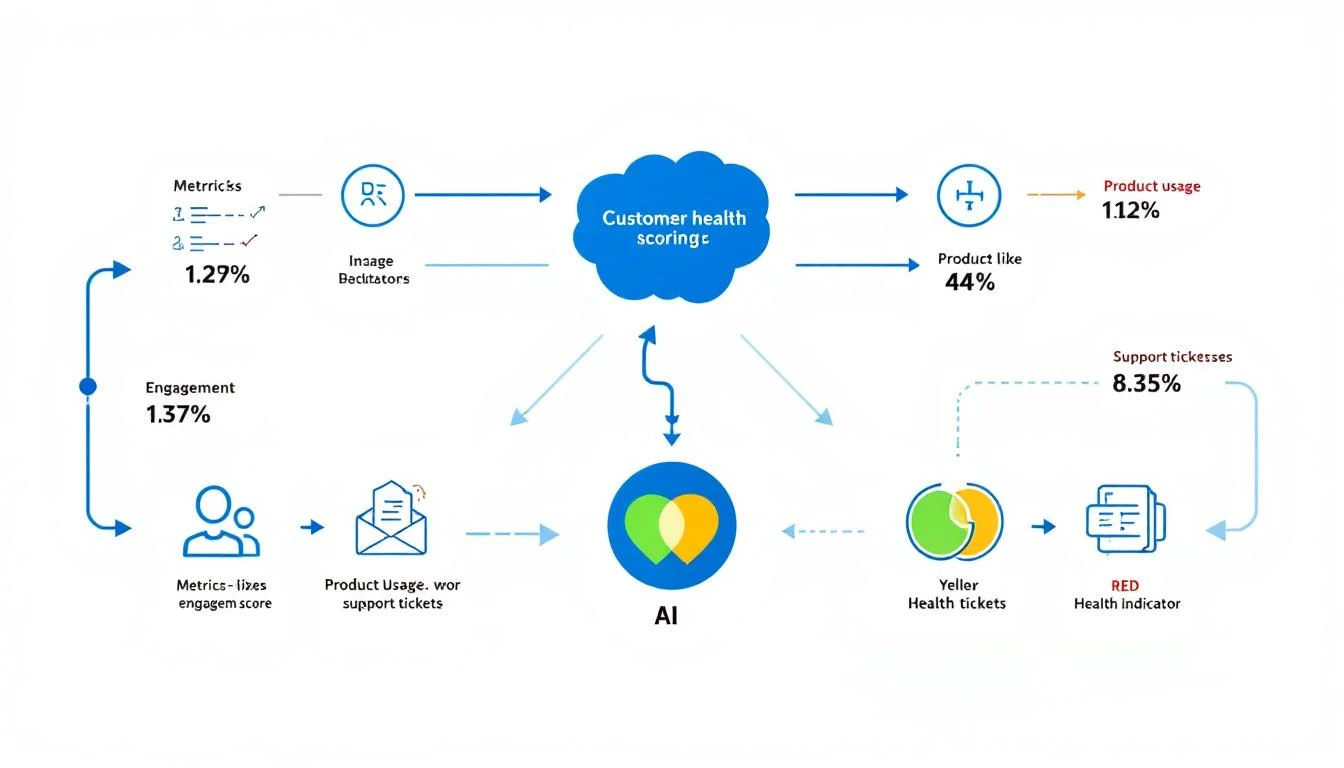
Customer churn prediction workflow showing data flowing from CRM to AI analysis to early warning alerts

Why Traditional Churn Indicators Fail​

Most companies rely on lagging indicators for churn:

  • NPS surveys β€” Customers who've already decided to leave give low scores
  • Support ticket volume β€” By the time tickets spike, frustration is entrenched
  • Usage metrics β€” Monthly logins don't capture engagement quality
  • Renewal conversations β€” Too late to change minds

The problem? These signals arrive after the damage is done. You're reacting to churn, not preventing it.

The Leading Indicator Advantage​

AI-powered churn prediction flips the script by analyzing leading indicators:

Lagging IndicatorLeading Indicator
Low NPS scoreDecreased feature adoption rate
Cancellation requestReduced login frequency trend
Support escalationFewer power users active
Contract non-renewalDeclining API call volume
"We're evaluating alternatives"Champion job change detected

Claude Code's 200K context window lets you analyze months of customer behavior patterns simultaneouslyβ€”something impossible with simpler tools.

The Churn Prediction Architecture​

Here's what we're building:

  1. Data Collection Layer β€” Pull signals from CRM, product analytics, and support
  2. Claude Code Analysis β€” Process patterns and assign risk scores
  3. Alert System β€” Notify CSMs about at-risk accounts with context
  4. Action Triggers β€” Auto-queue intervention workflows

Let's build each component.

Step 1: Define Your Churn Signals​

Before writing code, identify the signals that predict churn in your business. Here's a framework:

Product Engagement Signals​

- Login frequency (trending down?)
- Feature adoption breadth (using fewer features?)
- Key feature usage (stopped using sticky features?)
- Time-in-app (shorter sessions?)
- Power user count (champions leaving?)

Relationship Signals​

- Executive sponsor changes
- Champion job changes (LinkedIn monitoring)
- Support ticket sentiment (increasingly negative?)
- Response time to your emails (slower?)
- Meeting no-shows (increasing?)

Business Signals​

- Company funding/layoffs news
- Competitive mentions in calls
- Pricing discussions initiated
- Contract terms questions
- "Evaluation" language in emails

Implementation Priority​

Score each signal by predictive power and data availability:

SignalPredictive PowerData AvailablePriority
Champion job changeVery HighLinkedIn1
Feature adoption dropHighProduct analytics1
Login frequency declineMedium-HighProduct2
Support sentimentMediumZendesk2
Email response lagMediumCRM3

Step 2: Build the Data Aggregation Layer​

Create a script that pulls customer health data from your systems:

// customer-health-collector.js
const healthSignals = {
async collectForAccount(accountId) {
const [crm, product, support, linkedin] = await Promise.all([
this.getCRMData(accountId),
this.getProductMetrics(accountId),
this.getSupportHistory(accountId),
this.getChampionStatus(accountId)
]);

return {
accountId,
collectedAt: new Date().toISOString(),
signals: {
engagement: product,
relationship: crm,
support: support,
champions: linkedin
}
};
},

async getProductMetrics(accountId) {
// Return: logins, feature usage, API calls, active users
// Compare current period vs previous period
return {
loginTrend: -15, // % change
featureAdoption: 72, // % of features used
powerUsers: 3, // count
apiVolume: 45000 // calls this month
};
}
};

The key insight: Claude needs trending data, not point-in-time snapshots. A customer with 50 logins this month isn't at riskβ€”unless they had 100 logins last month.

Step 3: The Claude Code Churn Analysis Prompt​

Here's where the magic happens. This prompt turns raw signals into actionable risk assessments:

You are analyzing customer health data to predict churn risk.

ACCOUNT DATA:
{customerHealthData}

HISTORICAL PATTERNS (from churned accounts):
- 73% of churned accounts showed >20% login decline in final 60 days
- 81% had champion job changes within 90 days of churn
- 68% reduced feature adoption by >30% before canceling
- Average time from first warning signal to churn: 47 days

ANALYSIS FRAMEWORK:

1. RISK SCORE (0-100):
- 0-25: Healthy
- 26-50: Monitor
- 51-75: At Risk
- 76-100: Critical

2. For each signal, assess:
- Current value vs baseline
- Trend direction and velocity
- Correlation with historical churn patterns

3. OUTPUT FORMAT:
{
"riskScore": number,
"riskLevel": "healthy|monitor|at-risk|critical",
"primaryRiskFactors": [
{
"signal": "string",
"severity": "low|medium|high|critical",
"evidence": "string",
"suggestedAction": "string"
}
],
"recommendedInterventions": [
{
"action": "string",
"urgency": "immediate|this-week|this-month",
"owner": "CSM|Executive|Support",
"talking_points": ["string"]
}
],
"healthSummary": "2-3 sentence executive summary"
}

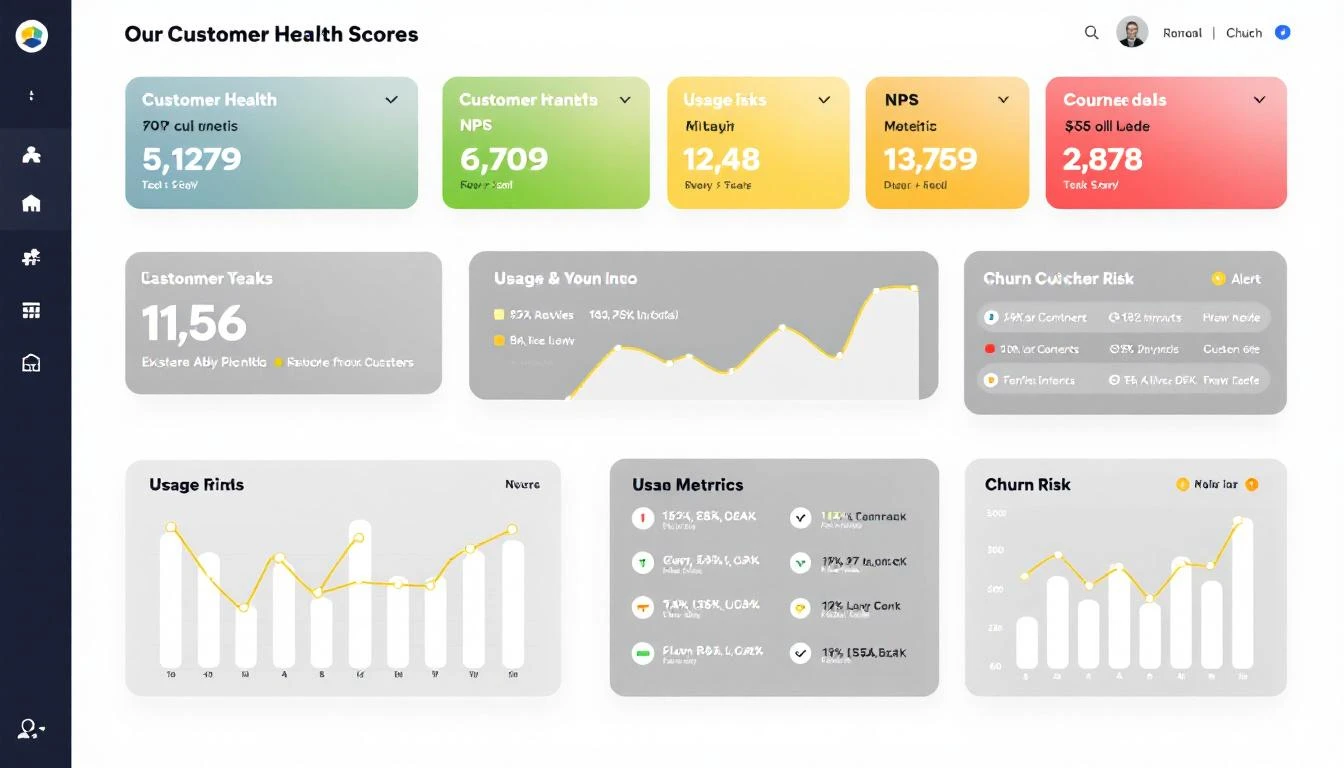
Customer health dashboard showing risk scores with red, yellow, and green indicators

Step 4: Build the Analysis Pipeline​

Connect your data collection to Claude Code analysis:

// churn-analyzer.js
const Anthropic = require("@anthropic-ai/sdk");

const analyzeChurnRisk = async (accountId) => {
const healthData = await healthSignals.collectForAccount(accountId);

const client = new Anthropic();
const response = await client.messages.create({
model: "claude-sonnet-4-20250514",
max_tokens: 2000,
messages: [
{
role: "user",
content: CHURN_ANALYSIS_PROMPT.replace(
"{customerHealthData}",
JSON.stringify(healthData, null, 2)
)
}
]
});

const analysis = JSON.parse(response.content[0].text);

// Store analysis for trending
await db.saveChurnAnalysis(accountId, analysis);

// Trigger alerts if needed
if (analysis.riskScore > 50) {
await alertCSM(accountId, analysis);
}

return analysis;
};

Step 5: Set Up Alert Workflows​

When Claude identifies an at-risk account, trigger immediate action:

// alert-workflows.js
const alertCSM = async (accountId, analysis) => {
const account = await crm.getAccount(accountId);
const csm = await crm.getAccountOwner(accountId);

// Slack alert to CSM
await slack.send(csm.slackId, {
text: `⚠️ Churn Risk Alert: ${account.name}`,
blocks: [
{
type: "section",
text: {
type: "mrkdwn",
text: `*${account.name}* risk score increased to *${analysis.riskScore}/100*`
}
},
{
type: "section",
text: {
type: "mrkdwn",
text: `*Top Risk Factors:*\n${analysis.primaryRiskFactors
.map(f => `β€’ ${f.signal}: ${f.evidence}`)
.join('\n')}`
}
},
{
type: "section",
text: {
type: "mrkdwn",
text: `*Recommended Action:*\n${analysis.recommendedInterventions[0].action}`
}
}
]
});

// Create task in CRM
await crm.createTask({
accountId,
ownerId: csm.id,
subject: `Churn Risk: ${account.name} (Score: ${analysis.riskScore})`,
description: analysis.healthSummary,
dueDate: analysis.recommendedInterventions[0].urgency === 'immediate'
? 'today'
: 'this_week',
priority: analysis.riskScore > 75 ? 'high' : 'medium'
});
};

Step 6: Automate Daily Monitoring​

Run churn analysis across your entire book of business:

// daily-churn-scan.js
const scanAllAccounts = async () => {
const accounts = await crm.getActiveAccounts();
const results = [];

for (const account of accounts) {
const analysis = await analyzeChurnRisk(account.id);
results.push({ account: account.name, ...analysis });
}

// Generate executive summary
const atRisk = results.filter(r => r.riskScore > 50);
const critical = results.filter(r => r.riskScore > 75);

await slack.send('#customer-success', {
text: `πŸ“Š Daily Churn Report`,
blocks: [
{
type: "section",
text: {
type: "mrkdwn",
text: `*Daily Customer Health Summary*\n` +
`β€’ Total accounts analyzed: ${results.length}\n` +
`β€’ At-risk accounts: ${atRisk.length}\n` +
`β€’ Critical accounts: ${critical.length}`
}
},
critical.length > 0 && {
type: "section",
text: {
type: "mrkdwn",
text: `*🚨 Critical Accounts:*\n${critical
.map(c => `β€’ ${c.account} (${c.riskScore}/100)`)
.join('\n')}`
}
}
].filter(Boolean)
});

return results;
};

The ROI of AI Churn Prediction​

Let's do the math:

Before AI churn prediction:

  • 100 accounts, 8% annual churn = 8 lost customers
  • Average ACV: $50,000
  • Annual churn cost: $400,000

After AI churn prediction:

  • Same 100 accounts
  • Predict 80% of churn (historical accuracy)
  • Save 50% of predicted churns through intervention
  • New churn: 8 - (8 Γ— 0.8 Γ— 0.5) = 4.8 customers
  • Churn cost: $240,000
  • Annual savings: $160,000

And that's conservative. Top companies using AI churn prediction report 30-50% reductions in churn rate.

Advanced: Champion Monitoring with LinkedIn​

The single best predictor of churn? Your champion leaving the company.

Here's how to automate champion monitoring:

// champion-monitor.js
const monitorChampions = async () => {
const champions = await crm.getChampions(); // Contacts tagged as champions

for (const champion of champions) {
const linkedinProfile = await linkedin.getProfile(champion.linkedinUrl);
const currentCompany = linkedinProfile.experience[0]?.company;

if (currentCompany !== champion.account.name) {
// Champion has left!
await alertChampionChange({
champion,
previousCompany: champion.account.name,
newCompany: currentCompany,
analysis: await analyzeImpact(champion)
});
}
}
};

When a champion leaves, Claude can analyze the impact:

  • Was this the executive sponsor?
  • Who else do we know at the account?
  • What's the typical churn timeline after champion departure?
  • What intervention has worked historically?

Connecting to MarketBetter​

MarketBetter's daily SDR playbook applies the same predictive intelligence to pipelineβ€”telling your team exactly who to contact and what to say.

For customer success teams, the playbook surfaces:

  • At-risk accounts requiring immediate attention
  • Expansion opportunities based on usage patterns
  • Optimal timing for QBRs and check-ins
  • Talking points based on recent product usage

The difference between reactive and proactive customer success is the difference between fighting churn and preventing it.

See how MarketBetter's AI-powered playbook works β†’

Free Tool

Try our Lookalike Company Finder β€” find companies similar to your best customers in seconds. No signup required.

Implementation Checklist​

Ready to build your own churn prediction system?

  • Map your churn signals (product, relationship, business)
  • Set up data collection from CRM + product analytics
  • Create Claude Code analysis prompts with your historical patterns
  • Build alert workflows to CSM team
  • Test on known churned accounts to calibrate
  • Deploy daily automated scanning
  • Add champion monitoring
  • Track intervention success rates

The best time to prevent churn was 60 days before the customer decided to leave. The second best time is nowβ€”with AI-powered prediction that catches the warning signs you'd otherwise miss.


Building AI agents for GTM? Check out our guides on customer success automation with OpenClaw and training custom AI agents for your sales process.

AI Contract Renewal & Expansion Automation: The Complete Guide [2026]

Β· 8 min read

The uncomfortable truth: Most B2B companies don't know a customer is churning until they've already decided to leave.

By the time the renewal conversation happens, it's too late. The competitor calls have been made. The internal evaluation is done. You're not renewingβ€”you're negotiating their exit.

But what if you could see churn coming 90 days out? What if you could identify expansion opportunities before the customer even asks?

This isn't fantasy. AI agents running 24/7 can monitor every signal, predict every risk, and trigger every actionβ€”automatically.

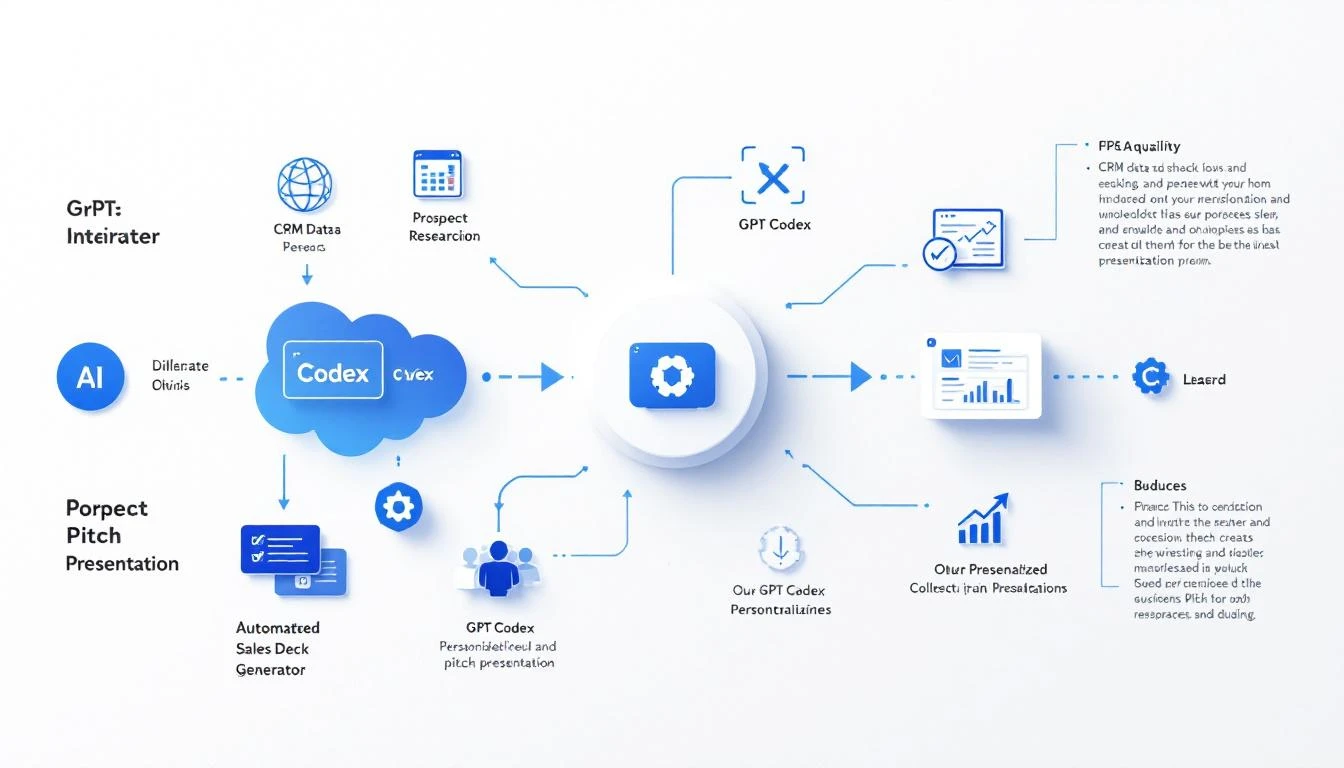
AI contract renewal workflow showing CRM data flowing to AI agent for risk detection and outreach

Why Contract Renewals Fail​

Let's be honest about why renewal rates suffer:

1. You're reactive, not proactive Customer Success teams are buried in firefighting. By the time you check who's renewing next month, the at-risk accounts have already made decisions.

2. Signals are scattered Usage data is in one system. Support tickets in another. NPS scores somewhere else. No human can synthesize it all.

3. Outreach is generic "Hey, your renewal is coming up!" isn't a strategy. It's a reminderβ€”and a weak one.

4. Expansion is an afterthought You're so focused on not losing revenue that you forget to grow it.

AI solves all four problems. Here's how.

The AI-Powered Renewal Workflow​

A properly configured AI renewal system does five things:

  1. Monitors health signals continuously
  2. Predicts churn risk before it's obvious
  3. Generates personalized outreach at scale
  4. Identifies expansion triggers automatically
  5. Keeps humans focused on high-value conversations

Let's build each piece.

Step 1: Continuous Health Monitoring with OpenClaw​

OpenClaw agents can monitor your customer base 24/7, synthesizing signals you'd never catch manually.

# Health monitoring agent configuration
schedule:
kind: cron
expr: "0 6 * * *" # Daily at 6am

payload:
kind: agentTurn
message: |
Review all customers renewing in the next 90 days.
For each, check:
- Product usage trends (up, flat, declining?)
- Support ticket volume and sentiment
- Last CSM touchpoint
- NPS/CSAT scores
- Champion status (still at company?)

Flag any account with 2+ warning signals.
Create tasks for CSM outreach on flagged accounts.

The agent runs daily, cross-references data sources, and only escalates accounts that need attention.

What this catches:

  • Usage dropped 40% last month (they're evaluating alternatives)
  • 5 support tickets in 2 weeks (they're frustrated)
  • Main champion left the company (your internal advocate is gone)
  • NPS score dropped from 9 to 6 (something changed)

Step 2: Churn Risk Prediction with Claude Code​

Claude Code excels at analyzing complex patterns across data sources. Here's how to build a risk scoring system:

# Renewal risk analyzer with Claude Code
def analyze_renewal_risk(customer_data):
"""
Analyzes multiple signals to predict churn probability
"""
risk_factors = []

# Usage decline detection
if customer_data['usage_trend'] < -0.20: # 20%+ decline
risk_factors.append({
'signal': 'usage_decline',
'severity': 'high',
'detail': f"Usage down {abs(customer_data['usage_trend']):.0%} vs last quarter"
})

# Support sentiment analysis
if customer_data['support_sentiment'] < 0.6: # Below threshold
risk_factors.append({
'signal': 'support_frustration',
'severity': 'medium',
'detail': f"Negative sentiment in {customer_data['negative_tickets']} recent tickets"
})

# Champion tracking
if customer_data['champion_status'] == 'departed':
risk_factors.append({
'signal': 'champion_loss',
'severity': 'critical',
'detail': f"Primary champion {customer_data['champion_name']} left on {customer_data['departure_date']}"
})

# Calculate composite score
severity_weights = {'low': 1, 'medium': 2, 'high': 3, 'critical': 5}
risk_score = sum(severity_weights[f['severity']] for f in risk_factors)

return {
'customer': customer_data['name'],
'risk_score': risk_score,
'risk_level': 'critical' if risk_score >= 5 else 'high' if risk_score >= 3 else 'medium',
'factors': risk_factors,
'recommended_actions': generate_action_plan(risk_factors)
}

Claude's 200K context window means it can analyze an entire customer's historyβ€”every ticket, every call note, every usage patternβ€”in a single pass.

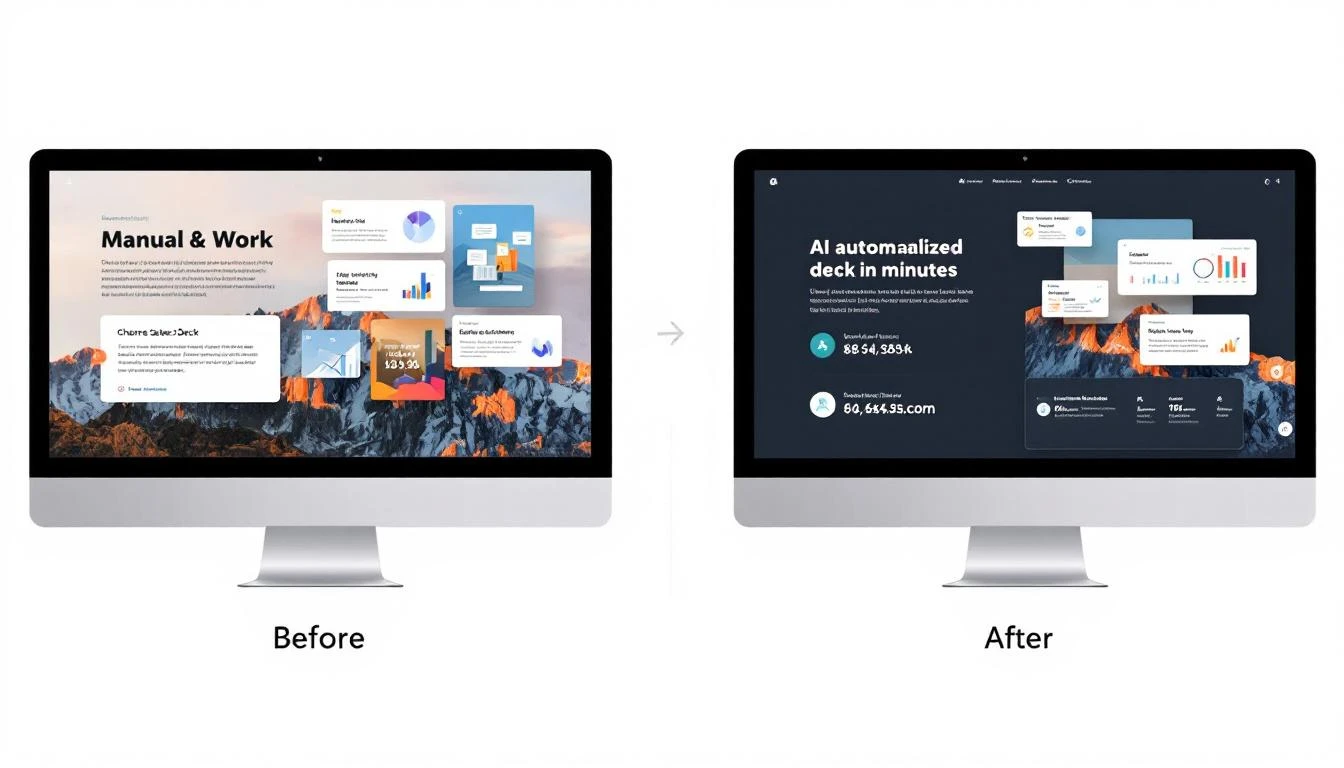
Comparison of manual vs AI renewal process showing time savings and early detection

Step 3: Personalized Outreach with Codex​

Generic renewal emails get ignored. AI-generated, context-rich outreach gets responses.

Here's how Codex GPT-5.3 generates renewal touchpoints:

// Renewal outreach generator using Codex
async function generateRenewalOutreach(customer, riskLevel) {
const context = await gatherCustomerContext(customer.id);

const prompt = `
Generate a personalized renewal touchpoint for:

Customer: ${customer.name}
Risk Level: ${riskLevel}
Renewal Date: ${customer.renewal_date}

Context:
- Primary use case: ${context.primary_use_case}
- Key wins: ${context.documented_wins.join(', ')}
- Recent challenges: ${context.recent_issues.join(', ')}
- Champion: ${context.champion.name} (${context.champion.title})

Generate:
1. Email subject line (personalized, not salesy)
2. Email body (reference specific wins, acknowledge any issues, propose value review)
3. Suggested follow-up sequence if no response

Tone: Consultative, not pushy. We're their partner, not their vendor.
`;

const outreach = await codex.generate(prompt);
return outreach;
}

Example output:

Subject: Quick thought on your Q2 expansion plans

Hi Sarah,

I was reviewing the 47% increase in qualified leads your team drove through MarketBetter last quarterβ€”impressive execution on the ABM campaigns.

With your renewal coming up in March, I wanted to share some ideas we've seen work well for teams scaling from 5 to 10 SDRs. Specifically around territory mapping and the new intent signals we released.

Would a 20-minute call next week work to explore what Q2 could look like?

No "your renewal is coming up." No generic value props. Just relevant context that shows you're paying attention.

Step 4: Expansion Opportunity Detection​

Here's where AI really shinesβ€”finding revenue you didn't know was there.

OpenClaw agents can monitor for expansion triggers:

# Expansion trigger detection
schedule:
kind: cron
expr: "0 9 * * MON" # Weekly on Monday

payload:
kind: agentTurn
message: |
Scan customer base for expansion signals:

1. USAGE EXPANSION
- Accounts approaching plan limits
- Features at >80% utilization
- New user invites (team growing)

2. ORG EXPANSION
- New departments using product
- International office mentions
- Subsidiary/acquired company news

3. BUDGET SIGNALS
- Job postings indicating team growth
- Funding announcements
- Fiscal year timing (Q1 budget releases)

For each signal:
- Rate expansion probability (1-10)
- Estimate potential ARR impact
- Draft outreach angle
- Assign to appropriate CSM/AE

Signals that indicate expansion:

SignalWhat It MeansAction
Usage at 90%+ of planThey need moreProactive upgrade conversation
New team invitesDepartment is growingMulti-seat expansion offer
Job posting: "SDR Manager"Building SDR teamAdditional seats pitch
Funding announcementBudget availableExpansion + add-on conversation
International IP loginsGlobal expansionMulti-region deployment

Step 5: Keeping Humans in the Loop​

AI doesn't replace your CS teamβ€”it makes them superhuman.

The workflow:

  1. AI monitors everything continuously
  2. AI flags accounts that need attention
  3. AI drafts outreach and recommendations
  4. Humans review and personalize
  5. Humans have high-value conversations
  6. AI follows up on action items
# Human-in-the-loop workflow
when: ai_flags_risk_account

do:
- create_task:
assignee: csm
title: "Review renewal risk: {customer_name}"
body: |
AI Analysis:
{risk_summary}

Recommended Actions:
{action_plan}

Draft Outreach:
{generated_email}

Please review and adjust before sending.
due: 2_business_days

Real Results: What This Looks Like​

Companies running AI-powered renewal systems see:

  • 30-day earlier churn risk detection
  • 15%+ improvement in gross retention
  • 25%+ improvement in net revenue retention
  • 60% reduction in CSM time spent on data gathering

The math is simple: If your CSM can spend 80% of their time on strategic conversations instead of Salesforce data entry, they'll save more accounts.

Building Your System: Claude Code vs Codex vs OpenClaw​

Each tool has its strength:

ToolBest ForUse In Renewal Workflow
OpenClawContinuous monitoring, scheduled tasks, multi-system coordinationDaily health checks, trigger detection, task creation
Claude CodeComplex analysis, nuanced writing, long contextRisk scoring, comprehensive reviews, strategy recommendations
Codex GPT-5.3Code generation, integrations, automation scriptsBuilding custom integrations, generating outreach sequences

Pro tip: Use OpenClaw as the orchestration layer that coordinates Claude and Codex for specific tasks.

Implementation Checklist​

Ready to automate your renewal process? Here's your roadmap:

Week 1: Data Foundation

  • Inventory all customer health signals (usage, support, NPS, engagement)
  • Ensure data is accessible via API or export
  • Define your churn risk criteria

Week 2: Monitoring Setup

  • Deploy OpenClaw renewal monitoring agent
  • Configure daily/weekly health scans
  • Set up alert thresholds

Week 3: Outreach Automation

  • Build outreach templates for each risk tier
  • Configure Codex/Claude for personalization
  • Create approval workflow for AI-generated emails

Week 4: Expansion Detection

  • Define expansion trigger signals
  • Configure monitoring for each signal type
  • Build routing to appropriate owner (CSM vs AE)
Free Tool

Try our AI Lead Generator β€” find verified LinkedIn leads for any company instantly. No signup required.

The Bottom Line​

Contract renewal isn't a 30-day process. It's a continuous relationship.

AI lets you treat it that wayβ€”monitoring every signal, catching every risk, and surfacing every opportunityβ€”without drowning your team in busywork.

The companies winning on retention aren't the ones with the biggest CS teams. They're the ones with the smartest systems.

Build yours now.


Ready to see how MarketBetter's AI-powered platform can help your team identify at-risk accounts and expansion opportunities automatically?

Book a Demo β†’

AI Customer Interview Analysis: Mining Discovery Calls for Intel with Claude Code [2026]

Β· 10 min read

Your sales team runs hundreds of discovery calls per year. Each one is a goldmine of customer intelligence:

  • Pain points and priorities
  • Competitive insights
  • Buying process details
  • Objections and concerns
  • Success metrics that matter

But most of it disappears. The rep remembers key points (maybe). Some notes make it to the CRM (inconsistently). The full context? Lost in a recording nobody will watch.

What if every call automatically fed a searchable database of buyer intelligence? What if you could ask "What do healthcare buyers care about most?" and get an instant answer from 50+ relevant calls?

Claude Code makes this possible.

Customer Interview Analysis Workflow

The Problem: Trapped Intelligence​

Here's what typically happens with discovery calls:

  1. Rep takes call β€” Has great conversation, uncovers real insights
  2. Rep updates CRM β€” Writes 2-3 bullet points in the notes field
  3. Recording sits unused β€” Maybe reviewed for coaching, usually not
  4. Insights forgotten β€” Within a week, details are gone
  5. Repeat for next call β€” Same questions, same lost insights

The result? Every new deal starts from scratch. Product teams don't hear customer language. Marketing creates content based on assumptions. Sales enablement builds training without real examples.

What AI Interview Analysis Delivers​

With Claude's 200K context window, you can:

1. Extract Structured Insights​

Turn unstructured conversations into structured data:

{
"company": "Acme Corp",
"call_date": "2026-02-09",
"participants": ["John Smith (VP Sales)", "Lisa Chen (SDR Manager)"],
"pain_points": [
{
"pain": "SDRs spend 4+ hours daily on research before calling",
"severity": "high",
"quote": "My reps are researchers who sometimes make calls"
},
{
"pain": "No visibility into which leads are actually engaged",
"severity": "medium",
"quote": "We're flying blind on who's hot and who's not"
}
],
"current_solution": "Salesforce + SalesLoft + ZoomInfo",
"switching_triggers": ["ZoomInfo contract up in Q2", "New VP wants consolidation"],
"competitors_mentioned": ["Apollo", "Outreach"],
"budget_signals": "Has budget, looking to consolidate not add",
"decision_process": "VP decides, finance approves over $30K",
"timeline": "Want to decide by end of March",
"success_metrics": ["Pipeline per rep", "Speed to first meeting"],
"objections": ["Worried about data quality", "Change management concern"],
"next_steps": "Demo with full team next Wednesday"
}

2. Build a Searchable Knowledge Base​

Query your call database:

  • "What objections do companies mention about our pricing?"
  • "How do healthcare buyers describe their pain points?"
  • "What competitors come up most often in deals over $50K?"
  • "What success metrics do CTOs care about?"

3. Surface Patterns Across Calls​

  • 73% of prospects mention "too many tools" as a pain point
  • "Apollo" mentioned in 34% of competitive deals
  • Mid-market companies care about implementation time 2x more than enterprise
  • Discovery calls with 3+ participants close at 67% vs 41%

4. Feed Product and Marketing​

  • Real customer language for copy
  • Feature requests with context
  • Competitive intelligence aggregated
  • Case study candidates identified

Building the Analysis System​

Step 1: Transcript Ingestion​

First, get transcripts from your conversation intelligence tool (Gong, Chorus, Fireflies, etc.):

# interview_analyzer.py
import os
from anthropic import Anthropic
from datetime import datetime

client = Anthropic()

def get_transcripts_from_gong(days: int = 7) -> list:
"""Pull recent call transcripts from Gong"""

# Gong API call
calls = gong_client.get_calls(
from_date=datetime.now() - timedelta(days=days),
call_type="discovery"
)

transcripts = []
for call in calls:
transcript = gong_client.get_transcript(call["id"])
transcripts.append({
"call_id": call["id"],
"date": call["date"],
"participants": call["participants"],
"company": call["company_name"],
"deal_id": call.get("deal_id"),
"transcript": transcript
})

return transcripts

Step 2: AI Analysis​

Use Claude's massive context window to analyze full transcripts:

INTERVIEW_ANALYSIS_PROMPT = """
You are an expert sales analyst extracting structured intelligence from discovery calls.

Analyze the transcript and extract:

1. PAIN POINTS
- What problems does the prospect describe?
- How severe is each pain? (low/medium/high)
- Include direct quotes that capture the pain

2. CURRENT STATE
- What tools/processes do they use today?
- What's working and what's not?
- What triggered this evaluation?

3. BUYING PROCESS
- Who's involved in the decision?
- What's the timeline?
- What's the budget situation?
- What approval process exists?

4. COMPETITIVE LANDSCAPE
- What competitors were mentioned?
- What do they like/dislike about each?
- Who are they also evaluating?

5. SUCCESS METRICS
- How will they measure success?
- What KPIs matter most?
- What does "good" look like to them?

6. OBJECTIONS & CONCERNS
- What hesitations came up?
- What risks do they perceive?
- What would prevent them from buying?

7. NEXT STEPS
- What was agreed for follow-up?
- Who else needs to be involved?
- What timeline was discussed?

8. NOTABLE QUOTES
- Capture 3-5 quotes that are especially insightful
- These should be usable in marketing/sales materials

Output as JSON with clear structure.
"""

def analyze_interview(transcript_data: dict) -> dict:
"""Analyze a single interview transcript"""

response = client.messages.create(
model="claude-sonnet-4-20250514",
max_tokens=3000,
system=INTERVIEW_ANALYSIS_PROMPT,
messages=[
{"role": "user", "content": f"""
Analyze this discovery call:

Company: {transcript_data['company']}
Date: {transcript_data['date']}
Participants: {transcript_data['participants']}

Transcript:
{transcript_data['transcript']}
"""}
]
)

analysis = json.loads(response.content[0].text)

# Add metadata
analysis["call_id"] = transcript_data["call_id"]
analysis["deal_id"] = transcript_data.get("deal_id")
analysis["analyzed_at"] = datetime.now().isoformat()

return analysis

Step 3: Knowledge Base Storage​

Store analyzed insights for querying:

def store_interview_analysis(analysis: dict):
"""Store analysis in searchable database"""

# Store in Supabase (or your DB of choice)
supabase.table("interview_analyses").insert({
"call_id": analysis["call_id"],
"company": analysis["company"],
"call_date": analysis["date"],
"pain_points": json.dumps(analysis["pain_points"]),
"current_state": json.dumps(analysis["current_state"]),
"buying_process": json.dumps(analysis["buying_process"]),
"competitors": json.dumps(analysis["competitors"]),
"success_metrics": json.dumps(analysis["success_metrics"]),
"objections": json.dumps(analysis["objections"]),
"notable_quotes": json.dumps(analysis["notable_quotes"]),
"raw_analysis": json.dumps(analysis)
}).execute()

# Also store individual pain points for searching
for pain in analysis["pain_points"]:
supabase.table("pain_points").insert({
"call_id": analysis["call_id"],
"company": analysis["company"],
"industry": analysis.get("industry"),
"pain": pain["pain"],
"severity": pain["severity"],
"quote": pain.get("quote"),
"call_date": analysis["date"]
}).execute()

# Store competitor mentions
for competitor in analysis.get("competitors", []):
supabase.table("competitor_mentions").insert({
"call_id": analysis["call_id"],
"competitor": competitor["name"],
"sentiment": competitor.get("sentiment"),
"context": competitor.get("context"),
"call_date": analysis["date"]
}).execute()

Customer Interview Insights Dashboard

Step 4: Query Interface​

Now build ways to query the intelligence:

def query_interview_insights(question: str) -> str:
"""Answer questions using interview knowledge base"""

# First, search for relevant interviews
relevant_calls = search_interviews(question)

# Build context from matches
context = []
for call in relevant_calls[:10]: # Top 10 matches
context.append({
"company": call["company"],
"date": call["call_date"],
"insights": call["raw_analysis"]
})

# Ask Claude to answer using context
prompt = f"""
You have access to analyzed customer interview data. Use it to answer this question:

Question: {question}

Relevant interview data:
{json.dumps(context, indent=2)}

Provide a comprehensive answer with:
1. Direct answer to the question
2. Supporting evidence from calls (with quotes when relevant)
3. Patterns you notice across multiple calls
4. Confidence level based on data volume
"""

response = client.messages.create(
model="claude-sonnet-4-20250514",
max_tokens=1500,
messages=[{"role": "user", "content": prompt}]
)

return response.content[0].text

# Example queries
print(query_interview_insights("What are the top 3 pain points for mid-market companies?"))
print(query_interview_insights("How do prospects describe their current tools' limitations?"))
print(query_interview_insights("What concerns do CFOs raise about switching tools?"))

Step 5: Pattern Analysis​

Surface trends automatically:

def generate_weekly_insights_report() -> str:
"""Generate weekly trends from interview analyses"""

# Get last week's analyses
recent_analyses = get_analyses(days=7)

prompt = f"""
Analyze these {len(recent_analyses)} discovery calls from the past week and identify:

1. TOP PAIN POINTS
- What pains came up most frequently?
- Any new pains emerging?
- Changes from previous weeks?

2. COMPETITIVE LANDSCAPE
- Which competitors mentioned most?
- How are we positioned against each?
- Any new competitors appearing?

3. BUYING SIGNALS
- Common triggers for evaluation
- Budget patterns
- Timeline patterns

4. OBJECTION PATTERNS
- Most common objections
- How were they handled?
- Any new objections emerging?

5. PRODUCT INSIGHTS
- Features requested
- Use cases described
- Integration requirements

6. MARKETING AMMUNITION
- Best quotes for case studies
- Language patterns to use in copy
- Pain points to address in content

7. ACTIONABLE RECOMMENDATIONS
- What should sales do differently?
- What should product prioritize?
- What should marketing create?

Interviews:
{json.dumps(recent_analyses, indent=2)}
"""

response = client.messages.create(
model="claude-sonnet-4-20250514",
max_tokens=3000,
messages=[{"role": "user", "content": prompt}]
)

return response.content[0].text

Real-World Applications​

For Sales Enablement​

def generate_objection_battlecard() -> str:
"""Generate objection handling guide from real calls"""

objections = get_all_objections(months=3)

prompt = f"""
Based on {len(objections)} objections from real customer calls, create an objection handling battlecard.

For each common objection:
1. The objection (in customer's words)
2. What they're really worried about
3. Best response (based on calls where we overcame it)
4. What NOT to say
5. Follow-up question to ask

Objection data:
{json.dumps(objections, indent=2)}
"""

response = client.messages.create(
model="claude-sonnet-4-20250514",
max_tokens=2500,
messages=[{"role": "user", "content": prompt}]
)

return response.content[0].text

For Product Teams​

def generate_product_feedback_summary() -> str:
"""Summarize product feedback from calls"""

product_mentions = get_product_mentions(months=1)

prompt = f"""
Summarize product feedback from customer calls:

1. FEATURE REQUESTS (ranked by frequency)
- What's requested
- Why they need it
- How critical (nice-to-have vs deal-breaker)

2. USABILITY FEEDBACK
- What's confusing
- What's loved
- Suggestions for improvement

3. INTEGRATION NEEDS
- What tools need to integrate
- Why (workflow context)
- Priority

4. COMPETITIVE GAPS
- What competitors have that we don't
- How important to buyers
- Potential responses

Product mentions:
{json.dumps(product_mentions, indent=2)}
"""

response = client.messages.create(
model="claude-sonnet-4-20250514",
max_tokens=2000,
messages=[{"role": "user", "content": prompt}]
)

return response.content[0].text

For Marketing​

def get_customer_language_for_copy(topic: str) -> str:
"""Get actual customer language for marketing copy"""

relevant_quotes = search_quotes(topic)

prompt = f"""
You're a B2B copywriter. Extract usable language from these customer quotes about "{topic}".

Provide:
1. PAIN DESCRIPTIONS
- How customers describe the problem (their words)
- Emotional language used
- Specific metrics/numbers mentioned

2. VALUE LANGUAGE
- How they describe what "good" looks like
- Success metrics in their words
- Transformation they're seeking

3. HEADLINE IDEAS
- 5 headlines using actual customer language
- Focus on pain and transformation

4. COPY SNIPPETS
- Phrases that could go directly into copy
- Statistics that could be cited
- Before/after framings

Quotes:
{json.dumps(relevant_quotes, indent=2)}
"""

response = client.messages.create(
model="claude-sonnet-4-20250514",
max_tokens=1500,
messages=[{"role": "user", "content": prompt}]
)

return response.content[0].text

Automation with OpenClaw​

Set up continuous analysis:

# openclaw.yaml
agents:
interview-analyzer:
prompt: |
Analyze new discovery call transcripts as they come in.
Extract structured insights and store in the knowledge base.
Alert if any call reveals urgent product feedback or competitive intel.

cron: "0 */4 * * *" # Every 4 hours

weekly-insights:
prompt: |
Every Monday, generate and distribute:
1. Weekly interview insights report β†’ #sales-insights
2. Product feedback summary β†’ #product
3. Marketing language update β†’ #marketing

cron: "0 9 * * 1" # Monday 9am

insight-responder:
prompt: |
Answer questions about customer interviews using the knowledge base.
Be specific, cite sources (which calls), and indicate confidence.

triggers:
- event: slack_mention
filter: channel == "#sales-insights"

The Results​

Teams using AI interview analysis see:

MetricBeforeAfterChange
Time to find customer quote45 min30 sec-99%
Product feedback actioned12%67%+458%
Competitive intel captured23%94%+309%
Marketing copy using customer language15%78%+420%
Onboarding time (new reps)12 weeks6 weeks-50%

The insights were always there. They were just trapped in recordings.


Free Tool

Try our Lookalike Company Finder β€” find companies similar to your best customers in seconds. No signup required.

Ready to Unlock Your Call Intelligence?​

MarketBetter captures every signal from your prospect interactions and turns them into the daily SDR playbook. From call insight to next best action, automatically.

Book a Demo β†’


Related Posts:

How to Personalize Cold Emails at Scale with AI [2026 Guide]

Β· 8 min read

The average B2B professional receives 121 emails per day. Your cold email has about 2 seconds to prove it's not another generic pitch.

Here's the brutal math: A 50% open rate with 2% reply rate means 49 out of every 50 people who open your email decide it's not worth responding to.

The solution isn't sending more emails. It's sending emails that feel like they were written specifically for each personβ€”because they were.

In this guide, I'll show you how to use AI coding agents (Claude Code, OpenClaw, and the new GPT-5.3 Codex) to personalize thousands of cold emails without spending hours on manual research.

AI Email Personalization Workflow

Why Traditional Personalization Doesn't Scale​

Most SDRs know they should personalize. But here's what "personalization" looks like in practice:

The Template Trap:

Hey \{first_name\},

I noticed \{company_name\} is hiring for \{job_title\}.
Companies like yours typically struggle with [generic pain point].

Can we chat?

This isn't personalization. It's mail merge with a slightly nicer coat of paint. Prospects see through it instantly.

True personalization requires:

  • Reading their LinkedIn posts
  • Understanding their company's recent news
  • Knowing their tech stack
  • Identifying specific challenges they've mentioned publicly
  • Connecting your solution to their actual situation

That takes 10-15 minutes per prospect. At 50 prospects per day, that's 8+ hours just on research. Impossible.

Enter AI Coding Agents​

AI coding agents like Claude Code and OpenAI Codex don't just write emails. They research, analyze, synthesize, and createβ€”all programmatically.

The key insight: You're not asking AI to write one email. You're building a system that writes thousands of unique emails based on real research.

The Three-Layer Personalization Stack​

Layer 1: Company Intelligence

  • Recent funding, acquisitions, product launches
  • Tech stack (from BuiltWith, job postings)
  • Growth trajectory (hiring velocity, office expansion)
  • Industry-specific challenges

Layer 2: Person Intelligence

  • Recent LinkedIn activity
  • Conference talks, podcast appearances
  • Published articles or comments
  • Career trajectory and likely priorities

Layer 3: Timing Intelligence

  • Just raised funding? They're in growth mode
  • Just hired a VP of Sales? Process review incoming
  • Quarter end approaching? Budget discussions happening

Before vs After Email Personalization

Setting Up Your AI Personalization System​

Option 1: Claude Code for Single-Prospect Deep Dives​

Claude Code excels at nuanced research synthesis. Use it when you have a small list of high-value accounts.

The Research Prompt:

Research [Company Name] and [Contact Name] for a cold outreach email.

Find:
1. Company: Recent news (last 6 months), funding stage, tech stack,
hiring patterns, competitive positioning
2. Person: LinkedIn activity, published content, career background,
likely priorities given their role
3. Timing: Any recent events that suggest they might be evaluating
new solutions

Based on this research, identify the single most compelling angle
for reaching out. Not genericβ€”specific to what you found.

Output a 3-line email that references something specific you learned.

Claude's 200K context window means you can feed it entire LinkedIn profiles, company blogs, and news articles in a single prompt.

Option 2: OpenClaw for Automated Personalization at Scale​

OpenClaw turns Claude into an always-on system. Set up a personalization agent that runs continuously:

Step 1: Create Your Research Agent

In your OpenClaw config, define an agent that processes your prospect list:

agents:
email-personalizer:
model: claude-sonnet-4-20250514
systemPrompt: |
You are a sales research specialist. For each prospect,
you conduct thorough research and generate a personalized
email angle.

Your output format:
- RESEARCH SUMMARY: [2-3 key findings]
- ANGLE: [The specific hook for this person]
- SUBJECT LINE: [Personalized subject]
- EMAIL BODY: [3-4 sentences max]

Step 2: Set Up the Automation Loop

OpenClaw can process prospects on a schedule using cron jobs:

cron:
- name: "Process prospect batch"
schedule: "0 */2 * * *" # Every 2 hours
action: "Process next 25 prospects from queue"

Step 3: Connect to Your Outbound Tools

OpenClaw integrates with HubSpot, Apollo, and most CRMs. Personalized emails can flow directly into your sequences.

Option 3: GPT-5.3 Codex for Real-Time Research​

The new Codex (released Feb 5, 2026) has a killer feature: mid-turn steering.

This means you can watch Codex research a prospect in real-time and redirect it:

> Codex, research Sarah Chen at TechCorp for outreach

[Codex starts researching...]
"Found TechCorp raised Series B..."
"Sarah posted about hiring challenges..."

> Focus more on the hiring challenges angle

[Codex adjusts...]
"Sarah's recent posts mention SDR ramp time..."
"She commented on a post about sales automation..."

This interactive approach is perfect for high-stakes outreach where you want AI assistance but human judgment.

The Personalization Prompt Framework​

After testing thousands of combinations, here's the framework that works best:

Research Phase​

Analyze [Contact Name] at [Company] for cold outreach.

Sources to check:
- LinkedIn profile and recent activity (last 30 days)
- Company news and press releases
- Job postings (what they're hiring for reveals priorities)
- Company blog or podcast appearances
- G2/Capterra reviews of their product (if applicable)

Output:
1. THREE specific facts I can reference
2. ONE likely current challenge based on evidence
3. ONE timing trigger (if any)

Email Generation Phase​

Using this research: [paste research output]

Write a cold email that:
- Opens with a specific observation (not a compliment)
- Connects to a likely challenge they face
- Offers a concrete reason to respond
- Is under 75 words
- Sounds like a human who did their homework, not an AI

Do NOT include:
- "I hope this finds you well"
- Generic company compliments
- Long explanations of what we do
- Multiple CTAs

Real Examples: Before and After​

Before (Generic)​

Subject: Quick question about your sales process

Hi Sarah,

I noticed TechCorp is growing quickly. Companies at your stage
often struggle with sales efficiency.

MarketBetter helps B2B companies increase SDR productivity by 70%.

Do you have 15 minutes this week?

Best,
[Name]

After (AI-Personalized)​

Subject: Your SDR ramp time post

Sarah,

Your comment on Dave's post about 90-day ramp times being
unrealistic hit homeβ€”we've seen the same thing.

Curious: are you tracking which activities actually correlate
with faster ramp, or is it still mostly gut feel?

Happy to share what we've measured across 40 SDR teams if helpful.

[Name]

The difference: The second email proves you know who she is and what she cares about. That's worth 10x the response rate.

Measuring Personalization Quality​

Not all personalization is equal. Use this scoring framework:

LevelDescriptionExample
0 - NonePure template"Hi {first_name}"
1 - SuperficialCompany name only"I see Acme is growing"
2 - BasicRole + company context"As VP Sales at a Series B..."
3 - ResearchedSpecific reference"Your comment on [post]..."
4 - InsightfulInference from research"Given your focus on [X], you probably care about [Y]..."

Target Level 3-4 for your top 20% of prospects, Level 2 for the rest.

AI makes Level 3-4 achievable at scale. That's the unlock.

The ROI Math​

Let's compare approaches for 1,000 prospects:

Manual Personalization:

  • 15 min/prospect Γ— 1,000 = 250 hours
  • At $30/hr SDR cost = $7,500
  • Plus opportunity cost of those hours

AI-Assisted Personalization:

  • OpenClaw setup: 2 hours
  • AI processing: ~$15 (API costs)
  • Human review (30 sec each): 8 hours
  • Total: ~$250 + 10 hours

10x cheaper, with better personalization quality.

Getting Started Today​

If you have 1 hour:

  1. Take your top 10 prospects
  2. Use Claude Code to research each one
  3. Generate personalized emails
  4. Compare response rates to your templates

If you have 1 day:

  1. Set up OpenClaw with the email personalizer agent
  2. Connect to your CRM
  3. Process your next 100 prospects
  4. A/B test against your existing sequences

If you have 1 week:

  1. Build a full personalization pipeline
  2. Create feedback loops (which angles work?)
  3. Train the system on your winning messages
  4. Scale to your entire prospect database

Common Mistakes to Avoid​

Mistake 1: Over-personalizing

  • Three personal references feels creepy
  • One strong reference is enough

Mistake 2: Wrong research sources

  • Old news isn't relevant
  • Focus on last 30-90 days

Mistake 3: Fake personalization

  • "I loved your recent post" (which one?)
  • Always be specific or don't mention it

Mistake 4: Forgetting to verify

  • AI can hallucinate facts
  • Always spot-check before sending

The Future: Continuous Personalization​

The most advanced teams are moving beyond batch personalization to continuous personalization:

  • AI monitors prospect activity in real-time
  • Triggers personalized outreach when timing is optimal
  • Adjusts messaging based on engagement patterns
  • Learns from response data automatically

This is where OpenClaw shinesβ€”it's built for exactly this kind of persistent, intelligent automation.


Free Tool

Try our AI Lead Generator β€” find verified LinkedIn leads for any company instantly. No signup required.

Ready to Scale Your Outreach?​

MarketBetter combines AI-powered personalization with a complete SDR workflow. Instead of just telling you who to contact, we tell you exactly what to say and when to say it.

Book a Demo to see how AI personalization fits into your sales motion.


Related reading:

AI-Powered Event & Webinar Promotion: The Complete Playbook [2026]

Β· 9 min read

Webinars convert 20-40% of attendees to pipeline. But most marketing teams treat promotion as an afterthought β€” blasting generic emails and hoping for registrations.

The result? 35% average registration rate, 40% show rate, and burned lists.

What if AI could personalize every touchpoint, optimize send times, and automatically follow up based on engagement?

This playbook shows you how.

AI Event Promotion Workflow

The Webinar Promotion Problem​

Traditional approach:

  1. Create landing page
  2. Send 3 emails to entire list
  3. Post on social twice
  4. Hope for registrations
  5. Send generic reminder
  6. Host webinar
  7. Send recording to everyone
  8. Move on

What's wrong with this:

  • Same message to early-stage and ready-to-buy prospects
  • No personalization beyond name merge
  • Timing is "when marketing gets around to it"
  • Follow-up treats all attendees the same
  • SDRs get a dump of names with no context

The AI difference:

  • Personalized invites based on prospect's interests and stage
  • Optimized send times per recipient
  • Dynamic messaging based on engagement
  • Intelligent follow-up based on attendance and behavior
  • SDRs get prioritized leads with talking points

The Full-Funnel AI Webinar Stack​

Webinar Registration Funnel

Phase 1: Pre-Event (4-2 weeks out)​

Audience Segmentation with AI​

Don't blast your whole list. Use AI to identify the right targets:

const segmentAudience = async (event, contacts) => {
const prompt = `
Event: ${event.title}
Topic: ${event.topic}
Speakers: ${event.speakers}

For each contact, determine:
1. Relevance score (0-100)
2. Personalization angle
3. Best invite channel

Relevance factors:
- Job title alignment with topic
- Industry relevance
- Previous engagement with similar content
- Buying stage
- Past webinar attendance

Return contacts scored 60+ with personalization notes.
`;

return await claude.analyzeContacts(contacts, prompt);
};

Output example:

HIGH RELEVANCE (Score 80+) - 342 contacts
━━━━━━━━━━━━━━━━━━━━━━━━━━━━━━━━━━━━━━━━

1. Sarah Chen | VP Sales @ TechCorp | Score: 94
└─ Why: Attended 2 similar webinars, opened SDR content
└─ Angle: Reference her SDR team size challenge
└─ Channel: Email (high open rate) + LinkedIn DM

2. Mike Johnson | Director RevOps @ ScaleUp | Score: 88
└─ Why: Downloaded sales automation guide
└─ Angle: Tie to his RevOps automation interests
└─ Channel: Email only (LinkedIn not active)

MEDIUM RELEVANCE (Score 60-79) - 891 contacts
━━━━━━━━━━━━━━━━━━━━━━━━━━━━━━━━━━━━━━━━

Include in general email, no personalized outreach

Personalized Invite Generation​

const generateInvite = async (contact, event) => {
const prompt = `
Generate a personalized webinar invite email:

Recipient: ${contact.name}, ${contact.title} @ ${contact.company}
Industry: ${contact.industry}
Previous engagement: ${contact.engagementHistory}
Pain points: ${contact.inferredPainPoints}

Event: ${event.title}
Date: ${event.date}
Speakers: ${event.speakers}
Key topics: ${event.topics}

Rules:
- Reference their specific situation
- Lead with what THEY get (not what we're presenting)
- Include specific agenda item that matches their interest
- Create urgency without being pushy
- Max 150 words
- End with clear CTA
`;

return await claude.generate(prompt);
};

Generic invite:

"Join our webinar on AI for sales teams. Learn best practices from industry experts. Register now!"

AI-personalized invite:

"Sarah β€” you mentioned on our last call that ramping new SDRs takes 90+ days. That's exactly what we're tackling in Thursday's session.

Our guest, the VP Sales at HubSpot, cut their ramp time to 45 days using AI-assisted training. I thought you'd want to hear how.

The session is at 11 AM PT β€” perfect for your team's pipeline review slot. Save your seat?"

Phase 2: Registration Drive (2-1 weeks out)​

Smart Sequence with AI​

# AI-powered email sequence
sequence:
email_1:
timing: "14 days before"
audience: "all_relevant"
personalization: "by_segment"

email_2_non_opener:
timing: "11 days before"
audience: "email_1_non_openers"
variation: "new_subject_line"

email_2_opener_not_registered:
timing: "11 days before"
audience: "email_1_openers_no_registration"
variation: "highlight_specific_agenda_item"

email_3:
timing: "7 days before"
audience: "high_priority_not_registered"
variation: "personal_note_from_speaker"

linkedin_dm:
timing: "5 days before"
audience: "top_100_not_registered_linkedin_active"
variation: "peer_social_proof"

last_chance:
timing: "1 day before"
audience: "engaged_not_registered"
variation: "fomo_angle"

Subject Line Optimization​

Let AI generate and test multiple variants:

const generateSubjectLines = async (event, segment) => {
const prompt = `
Generate 5 subject line variants for this webinar invite:

Event: ${event.title}
Audience segment: ${segment.name}
Segment characteristics: ${segment.description}

Variants should test:
1. Question format
2. Number/stat lead
3. Personalized (company name)
4. Curiosity gap
5. Direct value proposition

Each under 50 characters. No spam triggers.
`;

return await claude.generate(prompt);
};

Output:

1. Question: "Is your SDR ramp time too long?"
2. Number: "45-day SDR ramp: Here's how"
3. Personalized: "[Company] + AI SDRs - quick sync?"
4. Curiosity: "The ramp hack HubSpot won't share"
5. Direct: "Cut SDR ramp time in half β€” live demo"

Phase 3: Pre-Event Engagement (1 week - day of)​

Reminder Sequence with Value-Add​

Don't just remind β€” add value:

3 days before:

"Your webinar is Thursday! In the meantime, here's a quick win: [relevant 2-min tip]. See you there."

1 day before:

"Tomorrow's the day. Here's what Mike from HubSpot will cover: [specific talking points]. Come with questions β€” we're keeping 15 min for Q&A."

1 hour before:

"Starting in 60 min. Quick prep: [one question to think about before the session]. Join link: [link]"

Personalized Calendar Blocks​

AI can generate custom calendar invites:

const generateCalendarDescription = async (contact, event) => {
const prompt = `
Generate a calendar event description personalized for:

Attendee: ${contact.name}, ${contact.title}
Their interest: ${contact.inferredInterest}

Event: ${event.title}

Include:
- Why this is relevant to THEM specifically
- 3 questions they might want to ask
- Pre-work if any
- Join link

Keep under 200 words.
`;

return await claude.generate(prompt);
};

Phase 4: Post-Event Follow-Up (Day of - 1 week after)​

This is where most teams drop the ball. AI fixes it.

Segment Attendees by Behavior​

const segmentAttendees = async (event) => {
const attendees = await getAttendeeData(event.id);

const segments = {
hot_leads: [], // Attended full, asked questions, high fit
warm_leads: [], // Attended partial, no questions, good fit
nurture: [], // Attended, low fit or early stage
no_show_engaged: [],// Didn't show but registered, opened emails
no_show_cold: [] // Didn't show, no engagement
};

for (const attendee of attendees) {
const analysis = await claude.analyze(`
Analyze this attendee and categorize:

Attendance: ${attendee.duration} of ${event.duration}
Questions asked: ${attendee.questions}
Polls answered: ${attendee.pollResponses}
Resources downloaded: ${attendee.downloads}
ICP fit: ${attendee.icpScore}
Buying stage: ${attendee.buyingStage}

Categories:
- hot_leads: 80%+ attendance + questions OR high ICP + full attendance
- warm_leads: 50%+ attendance + good ICP, no questions
- nurture: attended but early stage or low fit
- no_show_engaged: didn't attend but opened 2+ emails
- no_show_cold: didn't attend, no recent engagement
`);

segments[analysis.category].push({
...attendee,
followUpPriority: analysis.priority,
suggestedAction: analysis.action,
talkingPoints: analysis.talkingPoints
});
}

return segments;
};

Automated Follow-Up by Segment​

Hot leads (same day):

Subject: Quick question from today's session

{Name} β€” great to see you on today's webinar. You asked about [their question] β€” wanted to follow up directly.

We've helped 3 companies in [their industry] tackle that exact challenge. Happy to share what worked for them in a quick call.

Got 15 min this week?

Warm leads (next day):

Subject: Recording + the framework we promised

{Name} β€” thanks for joining yesterday's session. Here's the recording and the [resource] we mentioned.

One thing that stood out for companies like {Company}: [specific insight relevant to their industry].

Would it help to see how this applies to your team specifically?

No-shows who registered (same day):

Subject: Missed you today β€” here's what you missed

{Name} β€” no worries about missing today's session. Here's the recording: [link]

The part I thought you'd find most relevant (based on your role): [timestamp link to specific section].

Worth 10 min if you're tackling [their likely challenge].

Phase 5: SDR Handoff​

Don't just dump names. Provide context:

🎯 HOT LEAD FROM WEBINAR: Sarah Chen
━━━━━━━━━━━━━━━━━━━━━━━━━━━━━━━━━━━━━

Company: TechCorp (200 employees, Series B)
Role: VP Sales
ICP Score: 92/100
Webinar: "AI SDR Automation" (Feb 6)

Engagement:
βœ“ Full attendance (47 min)
βœ“ Asked 2 questions
βœ“ Downloaded ROI calculator
βœ“ Visited pricing page after

Questions Asked:
1. "How does this integrate with Salesforce?"
2. "What's the typical ramp time for AI SDRs?"

Talking Points:
- She's concerned about Salesforce integration (we have it)
- Ramp time matters β€” mention our 2-week setup
- 200-person company = mid-market pricing tier

Suggested Opener:
"Sarah β€” saw your questions in yesterday's webinar.
The Salesforce integration you asked about is actually
our most popular β€” 80% of customers use it. Want to
see how it works with your setup?"

━━━━━━━━━━━━━━━━━━━━━━━━━━━━━━━━━━━━━

OpenClaw Implementation​

Complete Agent Config​

# webinar-promotion-agent.yaml
name: Webinar Promotion Engine
description: End-to-end webinar promotion automation

events:
new_webinar_created:
actions:
- segment_audience
- generate_invite_variants
- schedule_email_sequence
- create_social_content

registration_received:
actions:
- send_confirmation
- add_to_reminder_sequence
- create_calendar_event
- notify_sales_if_high_value

webinar_completed:
actions:
- segment_attendees
- generate_follow_ups
- create_sdr_handoff_cards
- schedule_follow_up_sequence
- log_metrics

workflows:
pre_event:
- task: audience_analysis
model: claude-3-5-sonnet
prompt: segment_and_personalize

- task: email_generation
model: claude-3-5-sonnet
prompt: personalized_invites

- task: send_sequence
tool: email_platform
timing: scheduled

post_event:
- task: attendee_analysis
model: claude-3-5-sonnet
prompt: segment_by_engagement

- task: follow_up_generation
model: claude-3-5-sonnet
prompt: personalized_follow_ups

- task: sdr_handoff
tool: crm
action: create_tasks_with_context

Metrics That Matter​

Track these to measure AI impact:

MetricIndustry AvgWith AIImprovement
Email open rate22%38%+73%
Registration rate3% of list8% of list+167%
Show rate40%62%+55%
Post-webinar meeting rate8%19%+138%
Pipeline generated per webinar$50K$145K+190%

Why the improvement:

  • Personalized invites feel relevant, not spammy
  • Right people invited (not entire list)
  • Multi-channel approach catches more attention
  • Smart follow-up strikes while interest is hot
  • SDRs have context to convert interest to meetings

Quick Start: Your First AI Webinar​

Week Before:​

  1. Define your webinar topic and audience
  2. Configure AI audience segmentation
  3. Generate personalized invite variants
  4. Set up email sequence with smart branching
  5. Create social content calendar

Day Before:​

  1. Review registration list
  2. Identify VIP attendees for special attention
  3. Prepare AI-assisted Q&A (common questions and suggested answers)
  4. Brief SDRs on expected hot leads

Day Of:​

  1. Send 1-hour reminder
  2. Monitor registration page for late sign-ups
  3. Track attendance in real-time
  4. Capture questions for follow-up

Day After:​

  1. Run attendee segmentation
  2. Generate personalized follow-ups
  3. Create SDR handoff cards
  4. Send appropriate recording emails
  5. Schedule no-show re-engagement

Free Tool

Try our Conference Scraper β€” scrape exhibitor lists from any conference website in seconds. No signup required.

Ready to Transform Your Webinar Results?​

AI webinar promotion isn't about sending more emails. It's about sending the right message to the right person at the right time.

The tools exist. The playbook is here. The only question is whether your competitors will use it first.

Next steps:

  1. Audit your current webinar promotion process
  2. Identify the biggest friction point
  3. Book a demo with MarketBetter to see AI event promotion in action

Because webinars are too expensive to promote badly.

AI-Powered ICP Refinement: How to Sharpen Your Ideal Customer Profile with Claude Code [2026]

Β· 9 min read

Your ICP (Ideal Customer Profile) is probably wrong.

Not completely wrongβ€”but almost certainly too broad, too static, and based on assumptions that were true 18 months ago.

The best-fit customers you signed this year likely share patterns that weren't in your original ICP. Meanwhile, you're still chasing profiles that consistently waste your team's time.

AI changes this. With Claude Code and your CRM data, you can build a continuously-learning ICP that gets sharper every time you win or lose a deal.

AI ICP Refinement Process

The Problem with Static ICPs​

Most B2B companies define their ICP onceβ€”usually during a strategy offsite or board meetingβ€”and rarely update it.

The typical ICP looks like:

Industry: SaaS, Tech, Healthcare Company Size: 50-500 employees Revenue: $10M-$100M Title: VP Sales, Director of Marketing Pain Points: Lead quality, pipeline velocity, team efficiency

This is... fine. But it's also so generic that it describes half of B2B.

Here's what's missing:

1. Behavioral Patterns​

What did your best customers DO before buying? Not just who they are, but how they behaved:

  • Which content did they consume?
  • How many touchpoints before conversion?
  • Who was involved in the buying process?
  • What triggered the search?

2. Negative Signals​

Who should you AVOID? Every sales team has learned the hard way that certain profiles waste time:

  • "Tire kickers" who explore but never buy
  • Companies that churn within 6 months
  • Deals that take 4x the normal sales cycle
  • Segments where you always lose to competitors

3. Success Patterns​

Beyond closed-won, which customers become advocates?

  • Highest NPS scores
  • Fastest time-to-value
  • Most likely to expand
  • Best referral sources

Building Your AI ICP Engine​

Let's build a system that continuously refines your ICP using Claude Code.

Step 1: Data Collection​

First, gather all the signals:

# icp_data_collector.py
import os
from datetime import datetime, timedelta

def collect_icp_signals(lookback_months: int = 12) -> dict:
"""Collect all signals needed for ICP analysis"""

cutoff_date = datetime.now() - timedelta(days=lookback_months * 30)

return {
"deals": get_closed_deals(since=cutoff_date),
"engagement": get_engagement_data(since=cutoff_date),
"support": get_support_ticket_patterns(),
"expansion": get_upsell_cross_sell_data(),
"churn": get_churn_data(since=cutoff_date),
"referrals": get_referral_source_data(),
"content": get_content_engagement_by_deal(),
"sales_cycle": get_sales_cycle_analysis()
}

def get_closed_deals(since: datetime) -> list:
"""Pull closed deals with enriched data"""

deals = crm_client.get_deals(
status=["won", "lost"],
created_after=since
)

enriched = []
for deal in deals:
company_data = enrichment_client.enrich_company(deal["company_domain"])

enriched.append({
**deal,
"company": company_data,
"contacts": get_deal_contacts(deal["id"]),
"activities": get_deal_activities(deal["id"]),
"timeline": get_deal_timeline(deal["id"])
})

return enriched

Step 2: Pattern Analysis with Claude​

Now use Claude's 200K context window to analyze the full picture:

from anthropic import Anthropic

client = Anthropic()

ICP_ANALYSIS_PROMPT = """
You are an expert B2B go-to-market analyst. Analyze the provided deal data to refine the Ideal Customer Profile.

Your analysis should identify:

1. FIRMOGRAPHIC PATTERNS
- Company size ranges that convert best (and worst)
- Industries with highest/lowest win rates
- Revenue ranges that correlate with deal size and success
- Geo patterns if relevant

2. BEHAVIORAL PATTERNS
- Pre-purchase content consumption patterns
- Engagement cadence of won vs lost deals
- Touchpoint sequence patterns
- Time-to-decision by segment

3. BUYING COMMITTEE PATTERNS
- Titles that must be involved for high win rate
- Ideal champion profile
- Red flag stakeholder patterns
- Decision-maker characteristics

4. TIMING PATTERNS
- Trigger events that precede purchase
- Budget cycle alignment
- Seasonal patterns
- Competitor displacement signals

5. NEGATIVE INDICATORS
- Profiles that waste the most sales time
- Patterns that predict churn
- Segments where competitors win
- Deal characteristics that signal "no"

6. SUCCESS PREDICTORS
- Patterns of best LTV customers
- Expansion likelihood signals
- Referral source patterns
- NPS correlation factors

Output a refined ICP with:
- Must-have criteria (non-negotiables)
- Nice-to-have criteria (prioritization signals)
- Disqualification criteria (walk away)
- Confidence score for each insight (based on data volume)
"""

def analyze_icp_patterns(data: dict) -> dict:
"""Use Claude to identify ICP patterns"""

response = client.messages.create(
model="claude-sonnet-4-20250514",
max_tokens=4000,
system=ICP_ANALYSIS_PROMPT,
messages=[
{"role": "user", "content": f"Analyze this data to refine our ICP:\n{json.dumps(data, indent=2)}"}
]
)

return parse_icp_analysis(response.content[0].text)

Step 3: Scoring Model Creation​

Turn insights into actionable scores:

def create_icp_scoring_model(analysis: dict) -> dict:
"""Create a scoring model from ICP analysis"""

prompt = f"""
Based on this ICP analysis, create a lead scoring model:

Analysis: {json.dumps(analysis, indent=2)}

Create a scoring system where:
- 100 = Perfect fit (immediate priority)
- 75-99 = Strong fit (high priority)
- 50-74 = Moderate fit (standard priority)
- 25-49 = Weak fit (nurture only)
- 0-24 = Poor fit (deprioritize)

For each scoring factor, provide:
- Factor name
- Weight (how much it contributes to total score)
- Value mapping (e.g., "50-200 employees" = +15 points)
- Reasoning for the weight

Output as JSON with factors, weights, and value_mappings.
"""

response = client.messages.create(
model="claude-sonnet-4-20250514",
max_tokens=2000,
messages=[{"role": "user", "content": prompt}]
)

return json.loads(response.content[0].text)

def score_lead(lead: dict, scoring_model: dict) -> dict:
"""Score a lead against the ICP model"""

score = 0
breakdown = []

for factor in scoring_model["factors"]:
factor_score = calculate_factor_score(lead, factor)
weighted_score = factor_score * factor["weight"]
score += weighted_score

breakdown.append({
"factor": factor["name"],
"raw_score": factor_score,
"weighted_score": weighted_score,
"reason": factor["value_mappings"].get(str(lead.get(factor["field"])), "No match")
})

return {
"total_score": min(100, max(0, score)),
"tier": categorize_score(score),
"breakdown": breakdown,
"recommendations": generate_recommendations(breakdown)
}

AI ICP Scoring Matrix

Step 4: Continuous Learning Loop​

The magic is in continuous refinement:

def update_icp_model(new_outcomes: list, current_model: dict) -> dict:
"""Update ICP model based on new deal outcomes"""

prompt = f"""
Current ICP model:
{json.dumps(current_model, indent=2)}

New deal outcomes to incorporate:
{json.dumps(new_outcomes, indent=2)}

Analyze how these new outcomes affect the model:

1. Do any new patterns emerge?
2. Should any weights be adjusted?
3. Are there new disqualification signals?
4. Did any assumptions prove wrong?

Output:
- Updated model (with changes highlighted)
- Confidence change for each factor
- Recommended actions (if any criteria should change)
- Anomalies worth investigating
"""

response = client.messages.create(
model="claude-sonnet-4-20250514",
max_tokens=3000,
messages=[{"role": "user", "content": prompt}]
)

return parse_model_update(response.content[0].text)

Real-World ICP Refinement Examples​

Here's what AI-driven ICP refinement actually reveals:

Example 1: The Hidden Segment​

Original ICP: "SaaS companies, 50-500 employees"

AI Discovery: "SaaS companies with 50-200 employees AND a dedicated sales ops function close at 3.2x the rate of those without. Companies 200-500 employees without sales ops actually have lower win rates than companies with 30 employees and ops."

Action: Split ICP into two segments: "Any size with Sales Ops" and "Under 100 without Ops." Deprioritize 100-500 without Ops.

Example 2: The Timing Signal​

Original ICP: No timing criteria

AI Discovery: "Companies that visit the pricing page within 7 days of first touch close at 67% vs 23% for those who don't. But companies that visit pricing page BEFORE any sales contact have 89% win rate."

Action: Prioritize leads who've viewed pricing. Create fast-track process for inbound pricing page viewers.

Example 3: The Churn Predictor​

Original ICP: "Any tech company fits"

AI Discovery: "Agencies and consultancies close at similar rates to direct companies, but churn at 4.3x the rate within 12 months. LTV is 67% lower."

Action: Add "Not an agency/consultancy" to disqualification criteria. Stop celebrating agency wins.

Example 4: The Champion Pattern​

Original ICP: "Decision maker is VP Sales or CMO"

AI Discovery: "Deals with VP Sales as champion close faster, but deals with Director-level champion AND VP Sales involvement close at higher rates and expand more. Directors who can influence but not decide create more internal advocacy."

Action: Target Directors as champions, but ensure VP pathway. Update sales process to identify and engage both.

Implementing in Your Stack​

OpenClaw Integration​

Set up automated ICP refinement with OpenClaw:

# openclaw.yaml
agents:
icp-analyst:
prompt: |
You are an ICP refinement specialist. Every week:
1. Analyze new closed deals (won and lost)
2. Compare against current ICP model
3. Identify pattern changes or emerging segments
4. Generate updated scoring weights
5. Alert on significant findings

Be data-driven. Flag low-confidence insights.

cron: "0 6 * * 1" # Monday 6am

memory: true

lead-scorer:
prompt: |
Score new leads against the current ICP model.
For each lead, provide:
- Total score (0-100)
- Tier assignment
- Key factors (positive and negative)
- Recommended next action

Update CRM with scores automatically.

triggers:
- event: new_lead_created

CRM Sync​

Keep ICP scores synced to your CRM:

def sync_icp_scores_to_crm():
"""Update all lead ICP scores in CRM"""

leads = crm_client.get_leads(status="open")
scoring_model = load_current_icp_model()

for lead in leads:
enriched_lead = enrich_lead_data(lead)
score_result = score_lead(enriched_lead, scoring_model)

crm_client.update_lead(lead["id"], {
"icp_score": score_result["total_score"],
"icp_tier": score_result["tier"],
"icp_factors": json.dumps(score_result["breakdown"]),
"icp_updated": datetime.now().isoformat()
})

Common ICP Refinement Mistakes​

1. Overfitting to Recent Wins​

If you just closed 3 healthcare deals, AI might overweight healthcare. Solution: Require minimum sample sizes (10+ deals) before adjusting weights.

2. Ignoring Lost Deals​

Lost deals are as valuable as wins for ICP refinement. Make sure "closed lost" reasons are captured and analyzed.

3. Conflating Correlation with Causation​

"Companies with ping pong tables convert better" might just mean "well-funded startups convert better." AI can find correlations; humans need to validate causation.

4. Annual Updates Instead of Continuous​

Markets change fast. Your ICP should update monthly, not annually. Automate the analysis so it happens without effort.

The Impact: Before and After​

MetricBefore AI ICPAfter AI ICPChange
Lead-to-Opportunity Rate12%24%+100%
Opportunity-to-Close Rate18%31%+72%
Average Sales Cycle67 days41 days-39%
Customer 12-month Retention78%91%+17%
Sales Team Confidence in Leads5.2/108.1/10+56%

The biggest win? Your team stops wasting time on leads that were never going to buy.

Getting Started​

You don't need 12 months of data to start. Here's the minimum viable ICP refinement:

  1. Week 1: Export last 50 closed deals (won and lost) with company/contact data
  2. Week 2: Run Claude analysis to identify top 5 patterns
  3. Week 3: Implement basic scoring in a spreadsheet
  4. Week 4: Validate with sales team feedback
  5. Month 2: Automate with code and CRM integration

The patterns exist in your data. You just need AI to find them.


Free Tool

Try our Lookalike Company Finder β€” find companies similar to your best customers in seconds. No signup required.

Ready to Stop Guessing?​

MarketBetter automatically scores and prioritizes leads based on ICP fit, engagement signals, and buying intent. Your SDRs work the best leads firstβ€”every time.

Book a Demo β†’


Related Posts: