3 posts tagged with "competitive"

View All Tags

Migrating from Warmly to MarketBetter [2026]: The Independent Alternative After the HubSpot Acquisition

ยท 10 min read
sunder
Founder, marketbetter.ai

On June 30, 2026, HubSpot announced it was acquiring Warmly. Warmly's own note to customers said it plainly: "Warmly is joining HubSpot." Terms were not disclosed. HubSpot is buying Warmly's person-level visitor identification and its AI go-to-market agents (the Inbound Agent and the TAM Agent) and folding them into its Smart CRM.

If you run Warmly today, the first thing to know is that nothing breaks tomorrow. Warmly has told customers that existing contracts, pricing, account teams, product experiences, and integrations stay the same for now. That is a real reassurance, and it is worth taking at face value.

But "for now" is doing a lot of work in that sentence. If your company does not run HubSpot as its CRM, this is the right moment to ask a harder question: do you want your buying-signal platform to be owned by a CRM giant whose roadmap will, understandably, start serving its own ecosystem first? This guide is for the Warmly customers who answered "no" and want a practical path to an independent alternative.

We already published our full read on what the deal means for the market in HubSpot Just Bought Warmly: what it means if you're not on HubSpot. This piece is narrower and more practical: how to actually migrate from Warmly to MarketBetter, feature by feature.
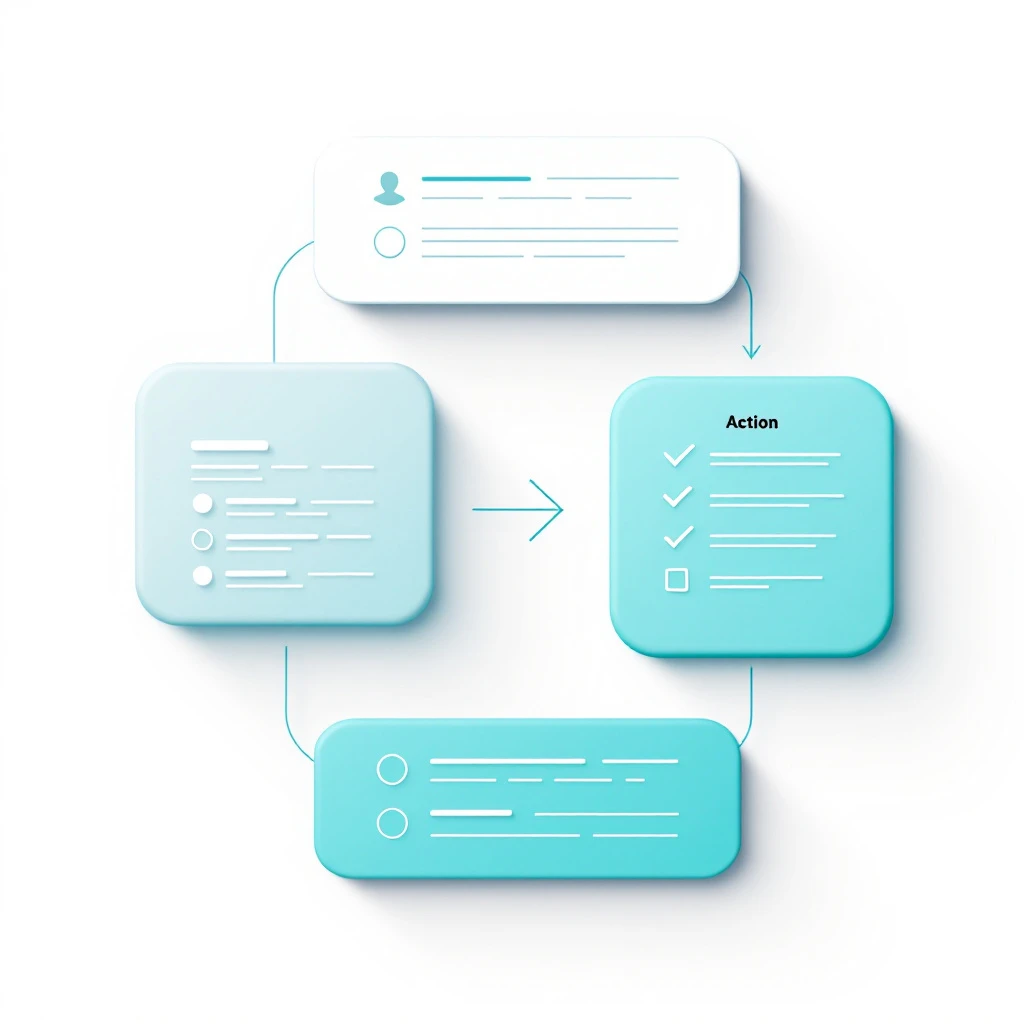
Migration flow from Warmly to MarketBetter

Why Warmly customers are re-evaluating right nowโ€‹

Warmly built a genuinely good product. Person-level de-anonymization, Bombora-powered intent, AI chat, and Slack alerts made it one of the more visible independent warm-outbound platforms. None of that stops working the day the deal closes. So why are so many teams re-evaluating?

Because when an incumbent buys a challenger, the challenger stops being a product and becomes a feature. That is not cynicism, it is the observable pattern across the category. Independent commentators covering the deal have flagged the same three risks for existing Warmly customers, and they are worth being honest about:

  • Roadmaps follow owners. Warmly's engineers now build what HubSpot's suite needs. If you run Salesforce, Pipedrive, or a mixed stack, the question is whether the non-HubSpot integrations keep pace, or quietly drift to the bottom of the backlog.
  • Pricing tends to migrate toward the acquirer's bundles. Contracts are unchanged today. Over a renewal cycle or two, standalone intent capability has a way of getting repackaged into the right CRM plan tier.
  • A "feature of a platform you may not run." The whole strategic point of a suite acquisition is lock-in. Warmly inside HubSpot is most valuable to HubSpot when it makes leaving HubSpot harder, and non-HubSpot teams were never the customer the deal was designed to serve.

If you are on HubSpot and happy, this acquisition is good news, and you should use what lands natively. This guide is not for you. If you are not on HubSpot, or you simply want your intelligence layer to answer to its own roadmap, keep reading.

Warmly to MarketBetter: feature mappingโ€‹

The good news for anyone considering a switch is that MarketBetter covers the jobs Warmly does today, and then keeps going into the part most signal tools skip: telling your reps what to actually do next. Here is how the capabilities line up from a user's perspective.

What you rely on in WarmlyThe MarketBetter equivalent
Person-level website visitor identificationPerson-level and company-level visitor identification, built to feed a prioritized action list, not just a dashboard
Bombora third-party intent signalsFirst-party and third-party intent combined, then ranked so reps work the hottest accounts first
Inbound Agent / TAM AgentAI that drafts the actual outreach per prospect, reflecting what they viewed, who they are, and where the deal is
Slack alerts when accounts heat upReal-time alerts plus a daily playbook of who to work today and why
AI website chatMultichannel outreach across email, phone, and LinkedIn in one workflow
HubSpot / Salesforce syncBidirectional sync with Salesforce, HubSpot, and Pipedrive, with your CRM as the source of truth
Separate dialer required (Orum, Nooks)Built-in smart dialer, so phone is part of the same workflow, not another tool

Two gaps stand out on that map. Warmly does not ship a smart dialer, so most teams bolt on a separate calling tool at roughly $200 to $500 per rep per month. And Warmly's non-HubSpot CRM integrations are exactly the ones most exposed to post-acquisition drift. MarketBetter closes both by design.

For the deeper feature-by-feature breakdowns, see our MarketBetter vs Warmly comparison and the dedicated visitor identification comparison.

The core difference: signal aggregation vs signal to actionโ€‹

Here is the line the whole product is organized around:

Most platforms tell you WHO. MarketBetter tells you WHO and WHAT TO DO.

Detecting a signal is the easy 20 percent. A dashboard lighting up to say "this account visited your pricing page" is table stakes now, and after this acquisition HubSpot will do that fine for HubSpot customers.

The hard 80 percent is what happens next. Which of the twelve accounts that lit up today actually matters? Who is the right person to reach inside that account? What do you say to them, given what they looked at and where the deal sits? Most signal tools, standalone or bundled, hand your rep a list and a shrug.

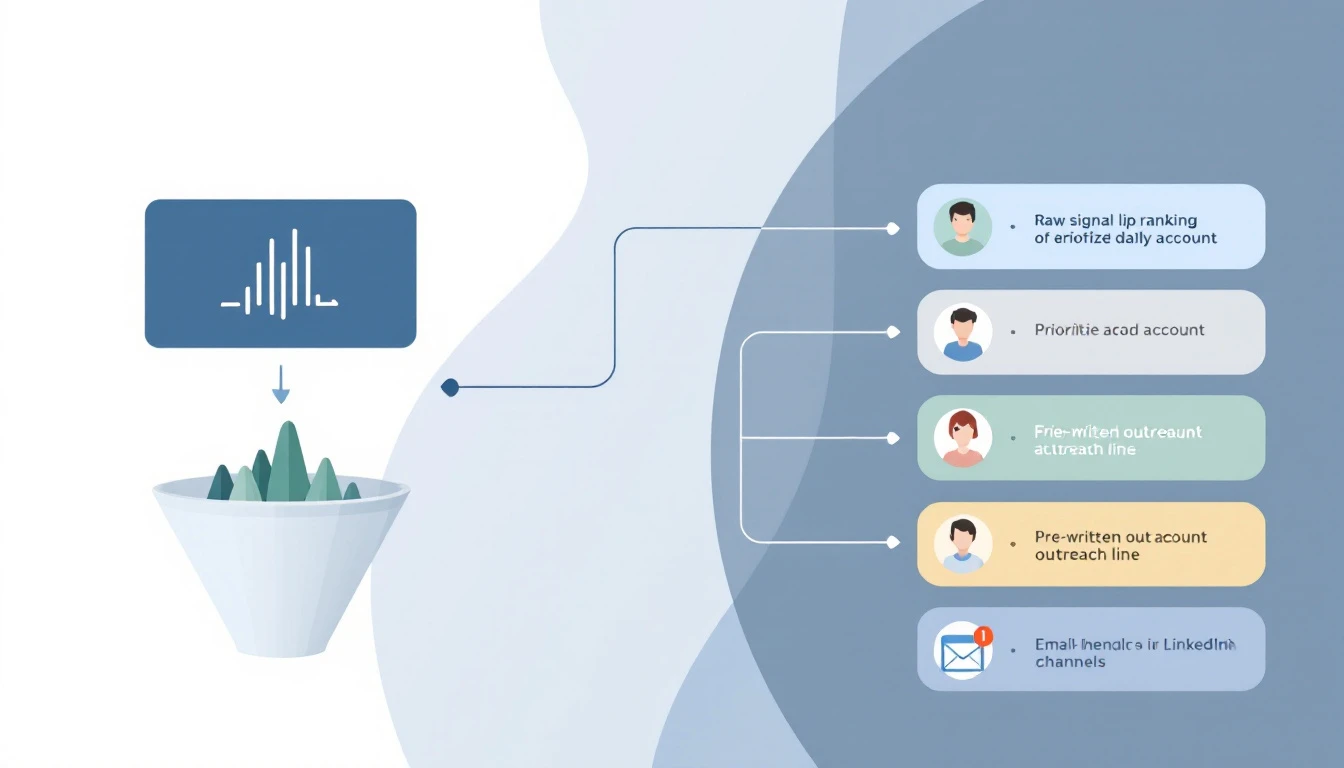
MarketBetter turns a raw signal into a prioritized daily playbook: the specific accounts to work today, ranked by real intent, with AI-drafted outreach that reflects the actual research, across email, phone, and LinkedIn. Your rep opens the morning not deciding who to call, but calling the account that hit pricing three times this week, with the first line already written. We wrote more about why this matters in Intent data without action is just noise.

Signal aggregation versus signal to action

Independence is an architecture decision, not a sloganโ€‹

"Independent" gets thrown around as a marketing word. Here is what it concretely buys a team leaving Warmly:

  • Your roadmap answers to your problem, not a suite's cross-sell. MarketBetter builds for one outcome: getting your reps in front of the right account at the right moment with the right message. There is no marketing cloud, CMS, or ticketing product competing for engineering time and quietly designed to keep you from leaving.
  • It works across your stack, not against it. MarketBetter syncs bidirectionally with Salesforce, HubSpot, and Pipedrive. Not "HubSpot first and everyone else eventually." Your CRM stays the source of truth and the intelligence layer sits on top of whatever you already run.
  • No lock-in tax. Because your data lives in your CRM and syncs both ways, switching costs stay low by design. The value has to come from the product being genuinely better, which keeps everyone honest.

That is the whole point of switching to an independent platform after a consolidation event: you stop renting capability from an ecosystem that would prefer you never leave.

How to actually migrate: a practical checklistโ€‹

Migrating off Warmly is less work than most teams fear, because the important asset is not locked inside Warmly at all. It is your intent and your pipeline, and most of that already lives in your CRM. Here is the sequence we walk new customers through.

1. Export what you own. Pull your identified accounts and contacts, your intent history, and any saved audiences or segments out of Warmly. Confirm your CRM records are current, since your CRM, not the intent tool, is your real system of record.

2. Map your signals. List the signals your team actually acts on today: pricing-page visits, repeat sessions, target-account activity, third-party intent surges. This becomes the ranking logic MarketBetter uses to build the daily playbook, so it is worth doing thoughtfully rather than copying Warmly's defaults.

3. Connect your CRM and channels. MarketBetter connects to Salesforce, HubSpot, or Pipedrive and to your email, phone, and LinkedIn so outreach runs in one place. Because the sync is bidirectional, nothing you do in MarketBetter strands data outside your CRM.

4. Run both in parallel for a couple of weeks. Keep Warmly live while MarketBetter starts surfacing and ranking accounts. Compare the two on the only metric that matters: did the platform put your reps in front of the right account with the right next step. This de-risks the switch entirely.

5. Cut over and consolidate. Once the playbook is driving real meetings, drop Warmly and your separate dialer. Most teams simplify their stack in the process, because the smart dialer and multichannel outreach that used to be extra tools are now included.

If you want the deeper how-to on standing this up fast, our visitor ID setup playbook and the complete guide to B2B intent data both go step by step.

Who should switch, and who should stayโ€‹

Being fair matters here, so here is the honest cut.

Stay on Warmly / lean into HubSpot if: HubSpot is your CRM, you are happy in that ecosystem, and native, "good enough, all in one place" intent is exactly what you want. The acquisition genuinely makes your setup better. Use it.

Switch to MarketBetter if: you run Salesforce, Pipedrive, or a mixed stack; you want your intelligence layer to answer to its own roadmap rather than a suite's cross-sell; or you are tired of a tool that tells your reps WHO without telling them WHAT TO DO. One of the last independent options in this category just left the board, which makes evaluating a genuinely independent, CRM-agnostic platform more urgent, not less.

If you are weighing several options at once, our roundup of the best Warmly alternatives for 2026 lays out the field, and our comparisons against Common Room, Clay, Apollo, and 6sense and Bombora cover the rest of the stack you might be reconsidering at the same time.
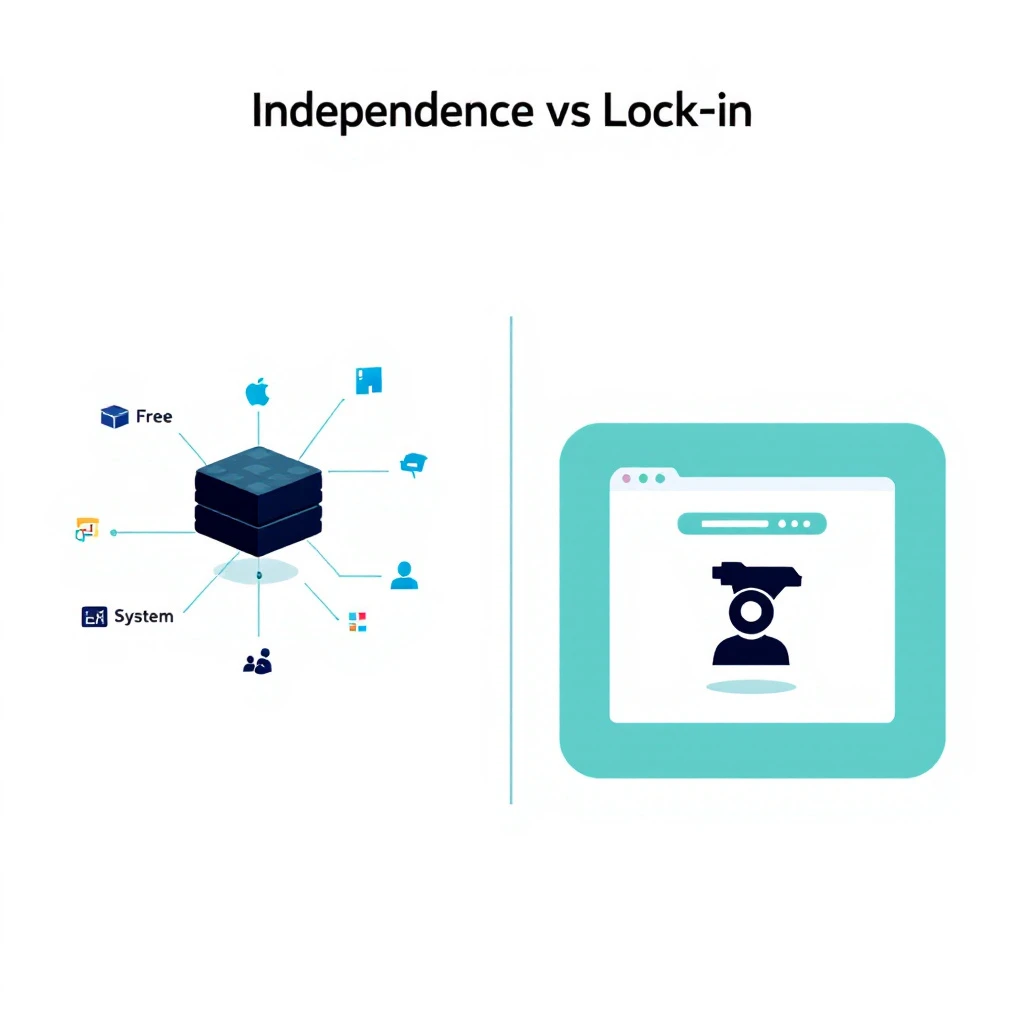
Independent platform versus a signal tool owned by a CRM suite

See what "WHO plus WHAT TO DO" looks like on your own dataโ€‹

The Warmly acquisition proved the thesis: buying-signal intelligence is where the value is. It also removed one of the few independent options from the market. If your CRM is turning into a passive database while your reps guess who to call, that is exactly the gap this whole market just admitted is the problem.

We built MarketBetter to close it, on whatever stack you already run, with no forced migration into anyone's ecosystem.

Book a demo and we will show you your own in-market accounts, ranked, with the next action already written.

Relay.app Is Shutting Down: The Alternative for Marketing Teams [2026]

ยท 9 min read
sunder
Founder, marketbetter.ai

On July 16, Relay.app told its customers it's winding down. Free accounts and their data get deleted after August 15. Paid accounts run through September 14, with prorated refunds and a 60-day credit bump to help people move. You can export your workflows, sequences, and MCP servers as JSON and prompts, then rebuild them somewhere else.

I want to say the honest thing first: this one stings. Relay.app was the kind of product people genuinely loved. AI-native from the ground up, a chat-based builder that non-technical teams could actually use, and human-in-the-loop controls that made AI outputs something you could trust instead of something you had to babysit. That's hard to build and rare to get right.

I never used it in production, so I won't pretend to know exactly why the plug got pulled. But the shape of it is familiar. Great product, real users, and the runway ran out before profitability did. That's the VC game. You win or you lose, and patience usually isn't on the menu. It's a shame, because with a lower burn rate a team like that probably turns it around. Good companies disappear that shouldn't.

None of that helps you if you've got live workflows to move before your data gets deleted. So let's be useful.

Relay.app to MarketBetter migration path for marketing teams

First, answer one question: what were you actually using Relay for?โ€‹

Relay.app was a horizontal automation platform. It connected to 200-plus apps and let you wire together more or less anything: internal ops, approvals, data cleanup, notifications, plus marketing and sales. Because it did everything, "what's the replacement?" doesn't have one answer. It has two.

If you used Relay for general operations โ€” routing internal requests, syncing tools, approval chains, back-office glue โ€” your replacement is another horizontal automation tool. Zapier, Make, n8n, or Gumloop will map closest to what you built. Export your JSON, rebuild the workflows, done. MarketBetter is not the right tool for automating your HR approval flow, and I'm not going to pretend it is.

If you used Relay to run marketing and outbound โ€” enriching leads, building audiences, personalizing outreach, sending sequences, chasing follow-ups, reacting to buyer signals โ€” then rebuilding all of that as a pile of workflow blocks in the next generic automation tool is the wrong move. That's where MarketBetter comes in, and it's a genuinely better answer than a like-for-like swap.

The rest of this guide is for that second group.

The difference between a workflow builder and a purpose-built systemโ€‹

Here's the core distinction, and it's the whole reason to consider MarketBetter instead of just moving your blocks to the next canvas.

A workflow builder gives you an empty canvas and a box of connectors. You are the architect. You decide what a good outbound motion looks like, you wire every step, you maintain it when an API changes, and you own every gap between the blocks. That flexibility is the point, and for a lot of jobs it's exactly right.

But marketing and outbound aren't a blank canvas problem. They're a solved-shape problem. Almost every B2B team is trying to do the same core thing: figure out who is worth reaching, and what to do about them. A workflow builder hands you a canvas and wishes you luck. A purpose-built system already knows the shape of the job and does the assembly for you.

That's the one line I'd tattoo on this whole category:

MarketBetter tells you WHO and WHAT TO DO. A generic workflow tool just runs the steps you already figured out yourself.

When you rebuild your Relay marketing workflows as raw automation blocks somewhere else, you're re-solving a problem that's already been solved โ€” and you're signing up to maintain that solution forever. When you move to a purpose-built platform, the who-and-what-to-do engine comes standard.

What you rebuild by hand vs. what comes standardโ€‹

If you're mapping your old Relay marketing automations to their replacements, here's the honest side-by-side.

What you built in RelayRebuild in a generic automation toolIn MarketBetter
"Find companies that fit our ICP"Chain enrichment APIs, dedupe, filterDescribe your ICP in chat, get an audience
"Identify who's visiting our site"Wire a visitor-ID vendor + resolution logicBuilt-in visitor identification
"Personalize the first-touch message"Prompt an LLM step per contact, manage contextPersonalization tied to the actual signal
"Send across email and LinkedIn"Separate connectors, separate logic, separate limitsOne multi-channel outreach engine
"Follow up when someone replies or goes quiet"Build branching logic and timers by handSignal-driven follow-ups and next-best-action
"Keep humans in the loop on approvals"Add manual approval stepsReview and approval where it matters

Notice the pattern. The thing Relay users loved โ€” human-in-the-loop, AI that assists instead of running wild โ€” isn't something you have to give up. It's how MarketBetter is designed to work too. The difference is you're not hand-assembling the marketing motion around it. The motion is the product.

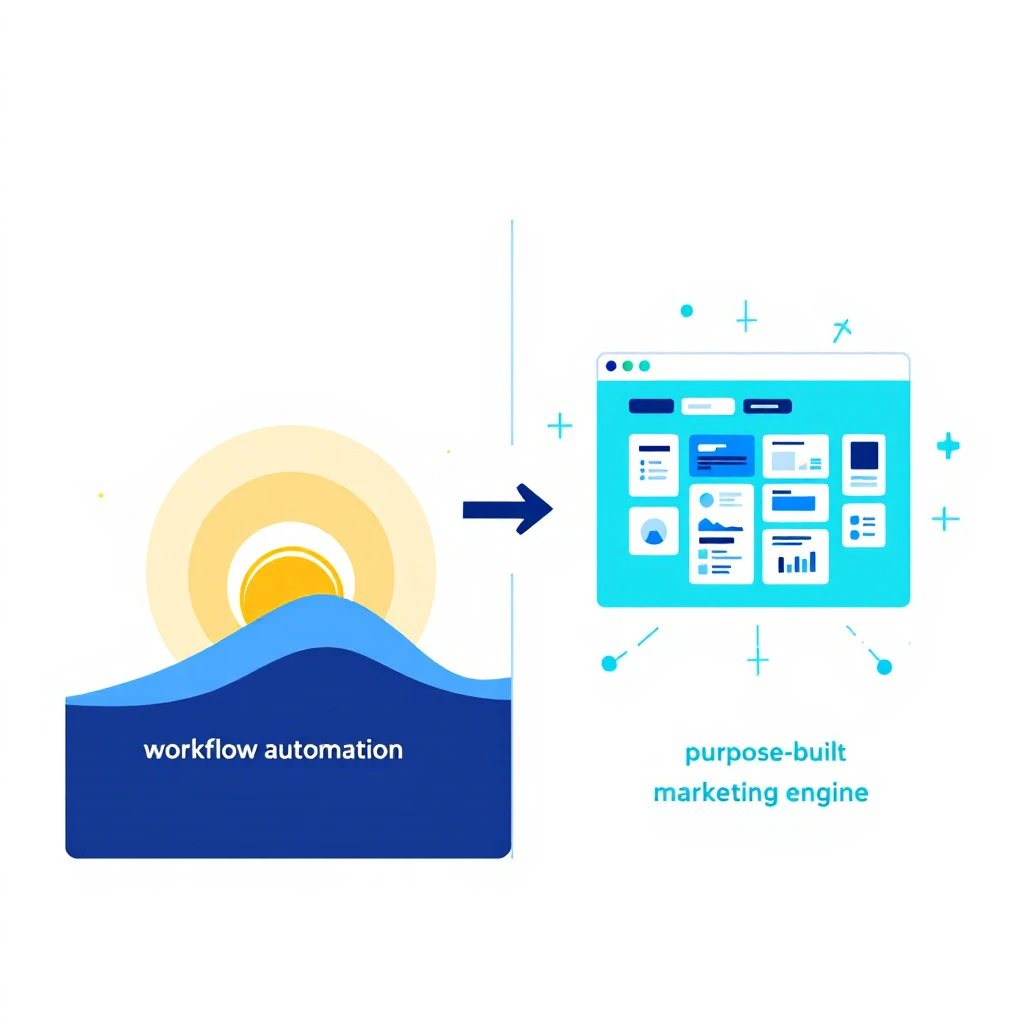
Relay workflow blocks versus a purpose-built GTM engine

What "purpose-built for marketing" actually buys youโ€‹

Concretely, here's what you stop maintaining the day you move a marketing use case off a workflow canvas and onto MarketBetter.

Audience building without the plumbing. In Relay you'd chain enrichment and filtering steps to assemble a target list. In MarketBetter you describe who you want in plain language and get a real audience back โ€” the same chat-first ease Relay was praised for, pointed at the marketing job specifically. If you liked building Relay workflows by describing them, this will feel familiar.

Signals, not just triggers. A workflow trigger fires when an event happens. A buying signal tells you something changed in the market and what it means for outreach. MarketBetter is built around real-time signals โ€” including website visitor identification โ€” so the system reacts to intent, not just to a webhook you set up.

Multi-channel out of the box. Running email and LinkedIn as two hand-wired branches in a workflow tool is a maintenance tax. MarketBetter treats outbound as one motion across channels, with the personalization and sequencing built in rather than bolted on.

Personalization anchored to why you're reaching out. Dropping an LLM step into a workflow gives you generated text. Tying the message to the actual signal that surfaced the lead gives you relevance โ€” the difference between "an AI wrote this" and "this is clearly about me."

The next action, decided for you. This is the part generic tools never solve, because it isn't a connector problem. When a prospect replies, goes cold, or shows new intent, MarketBetter surfaces what to do next. A workflow tool can only do what you pre-scripted. If you want the deeper version of this idea, our take on using AI for lead generation and AI marketing automation walks through it.

Being fair to Relay โ€” and to the alternativesโ€‹

I'm not going to trash a product on its way out, and I'm not going to oversell mine. So, straight:

Relay.app was better than MarketBetter at being a general-purpose automation platform, because that's what it was. If your Relay account was mostly internal ops and integrations, MarketBetter is the wrong replacement โ€” go look at general marketing automation tooling or a horizontal builder. I'd rather tell you that than win a customer who churns in a month.

But if your Relay account was where your marketing and outbound lived, moving to another blank canvas just re-creates the maintenance burden you had. MarketBetter is purpose-built for exactly that job, which means less to wire, less to babysit, and a system that already knows the shape of good B2B outreach. That's a better trade for a marketing team than "same DIY work, new logo." For the fuller landscape, we keep an updated view of the best AI marketing tools and where each one fits.

There's also a quieter reason to prefer a focused tool right now. The last year has been consolidation season โ€” HubSpot absorbed Warmly, Clearbit became a suite feature, and now a beloved independent is shutting down. Betting your GTM motion on a tool whose whole company is aimed at your problem is a different kind of bet than betting on a feature inside someone else's roadmap.

How to migrate before your data is deletedโ€‹

You've got a hard deadline, so move in this order:

  1. Export everything from Relay now. Pull your workflows, sequences, and MCP configs as JSON and prompts while you still have access. Do this today โ€” free accounts are gone after August 15.
  2. Sort your exports into two buckets: general ops vs. marketing/outbound. Ops goes to a horizontal tool. Marketing/outbound is your MarketBetter candidate list.
  3. Map each marketing workflow to a job, not a set of steps. "Enrich and message net-new ICP accounts" is a job. Don't rebuild your ten Relay steps โ€” hand the job to a system built to do it.
  4. Bring a human-in-the-loop mindset with you. The thing you liked about Relay โ€” reviewing AI output before it goes out โ€” is a first-class idea in MarketBetter too. You don't have to trade trust for automation.
  5. Run one motion end to end before you cut over. Pick your highest-value marketing use case, stand it up in MarketBetter, and prove it before the September 14 paid deadline.

The bottom lineโ€‹

Relay.app shutting down is a real loss, and if you built on it, you have my genuine sympathy and a real deadline. For general automation, grab a horizontal tool and rebuild your JSON. But for the marketing and outbound work โ€” the who-to-reach and what-to-say engine at the center of your GTM โ€” don't rebuild blocks on a new canvas. Move to something that already knows the job.

That's what MarketBetter is for: it tells your team who's worth reaching and exactly what to do next, instead of handing you an empty workflow and wishing you luck.

Moving off Relay.app before the deadline? Book a demo and we'll help you map your marketing use cases across in one session.

HubSpot Just Bought Warmly. Here's What It Means If You're Not on HubSpot [2026]

ยท 7 min read
sunder
Founder, marketbetter.ai

On July 1, HubSpot acquired Warmly. If you sell for a living, you should read this as two things at once: a validation and a warning.

The validation is obvious. HubSpot spent real money to buy real-time buying-signal detection, visitor identification, and automated engagement, and folded it straight into the core CRM. When the largest CRM platform on the market decides that "who is in-market right now, and what should we do about it" is worth acquiring rather than building, the debate is over. Intent-driven, signal-first selling isn't a feature anymore. It's the category.

That's the thesis we've been building MarketBetter on since day one. So thank you, HubSpot, for settling the argument.

The warning is quieter, and it's aimed at buyers. When an incumbent buys a challenger, the challenger stops being a product and becomes a feature. And features serve the suite that owns them, not the mission they were founded on.

What actually happens when a suite acquires a signal toolโ€‹

Acquisitions get announced as "the best of both worlds." What buyers experience is more specific, and it follows a pattern you've seen before with every category that consolidated into the big platforms.

The roadmap changes owners. Warmly's engineers now build what HubSpot's suite needs, not what a standalone buying-signal platform would build to win on depth. Integrations with non-HubSpot systems drift to the bottom of the backlog. The sharpest edges of the standalone product get sanded down so it plays nicely inside the suite.

The product gets pulled toward the ecosystem. The whole point of a suite acquisition is lock-in. Warmly inside HubSpot is most valuable to HubSpot when it makes leaving HubSpot harder. If you run Salesforce, Pipedrive, or a mixed stack, you were never the customer this deal was designed to serve.

"Included" quietly becomes "tiered." Signal detection that was Warmly's entire reason to exist becomes one more line item gated behind the right HubSpot plan. Great intent data has a way of migrating up into the enterprise tier once it's part of a bundle.

None of this is a knock on HubSpot. It's just what suites do. Suites optimize for "good enough, all in one place, hard to leave." That's a legitimate strategy, and for a lot of teams it's the right call. But it's a fundamentally different promise than "the best possible tool for the one job that decides whether you hit quota."

The market is consolidating faster than most teams realizeโ€‹

Warmly isn't an isolated deal. Zoom in and the whole signal-intelligence layer is being absorbed into suites:

  • Clearbit went to HubSpot and became Breeze Intelligence.
  • 6sense and the enterprise intent vendors keep rolling up smaller data players.
  • And now Warmly, one of the more visible independent warm-outbound and visitor-ID platforms, is inside HubSpot too.

Every one of these deals sends the same signal to the market: buying intelligence is where the value is. And every one of these deals removes an independent option from the board. The teams that wanted a best-of-breed signal layer that answers to its own roadmap have fewer places to turn each quarter.

That's the real story here, and it's why this acquisition matters beyond the two companies involved. The independent, intelligence-first platforms are becoming rare. MarketBetter is one of the few left standing.

Independence isn't a slogan, it's an architecture decisionโ€‹

"Independent" gets thrown around as a marketing word. Here's what it actually buys you, concretely:

Your roadmap answers to your problem, not a suite's cross-sell. We build for one outcome: getting your reps in front of the right account at the right moment with the right message. We don't have a marketing cloud, a CMS, and a ticketing product all competing for engineering time and all designed to keep you from leaving.

We work across your stack, not against it. MarketBetter syncs bidirectionally with Salesforce, HubSpot, and Pipedrive. Not "HubSpot first and everyone else eventually." Your CRM stays your source of truth, and the intelligence layer sits on top of whatever you already run.

No lock-in tax. Because your data lives in your CRM and syncs both ways, switching costs stay low by design. The value has to come from the product being genuinely better, not from making it painful to leave. That keeps us honest.

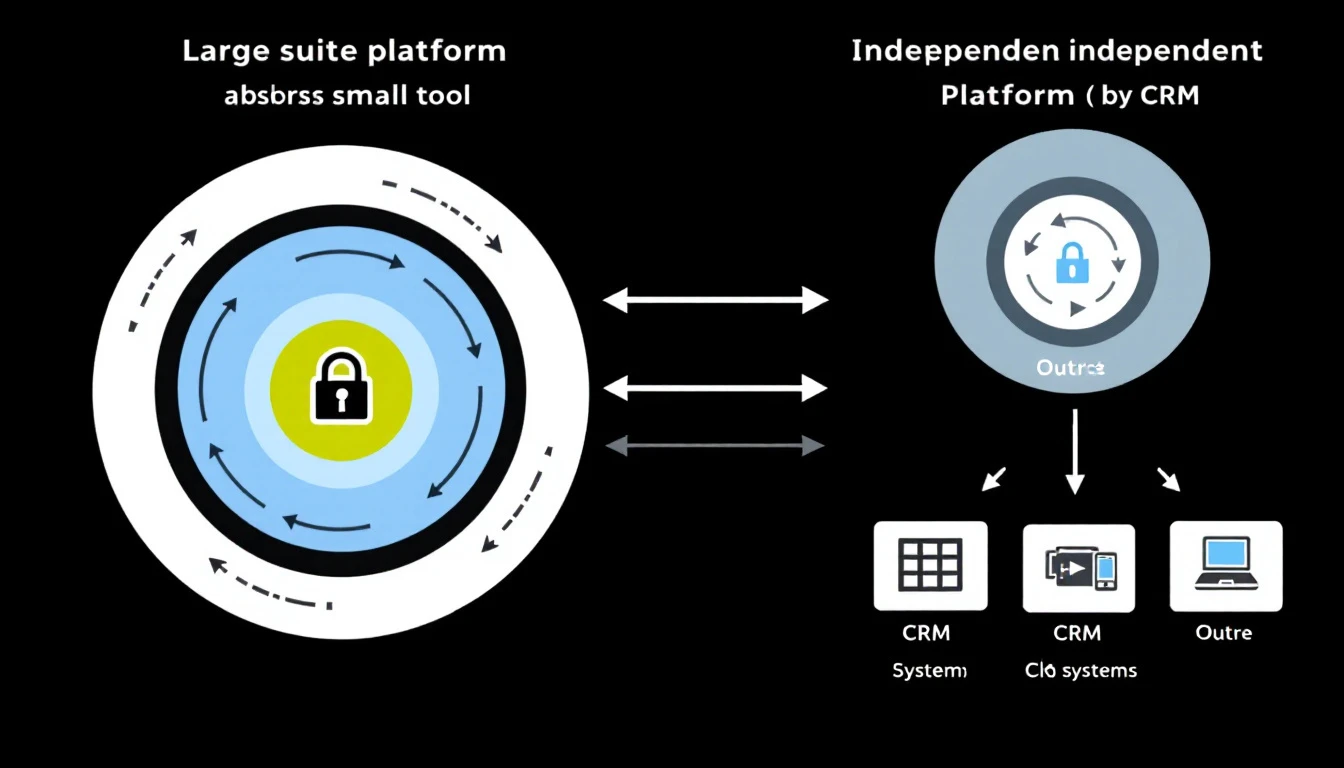
Suite acquisition versus independent platform: where the roadmap points

The difference that actually shows up in a rep's dayโ€‹

Here's where the suite-versus-independent gap gets real, and it's the thing most "we do intent too" announcements gloss over.

Detecting a signal is the easy 20 percent. A dashboard lighting up to say "this account visited your pricing page" is table stakes now, and after this acquisition it's something HubSpot will do fine for HubSpot customers.

The hard 80 percent is what happens next. Which of the twelve accounts that lit up today actually matters? Who's the right person to reach inside that account? What do you say to them, given what they looked at, who they are, and where the deal is? Most signal tools, standalone or bundled, hand your rep a list and a shrug.

This is the line we've organized the entire product around:

Most platforms tell you WHO. MarketBetter tells you WHO and WHAT TO DO.

MarketBetter turns a raw signal into a prioritized daily playbook: the specific accounts to work today, ranked by real first-party and third-party intent, with AI-generated outreach that reflects the actual research, across email, phone, and LinkedIn in one workflow. Your rep opens the morning not deciding who to call, but calling the account that hit pricing three times this week, with the first line already written. That's the part a dashboard doesn't do, and it's the part that moves pipeline.

From signal to action: the daily playbook a dashboard can't give you

So what should you actually do about this deal?โ€‹

Three honest reads, depending on where you sit:

If you're all-in on HubSpot and happy there: the Warmly acquisition is genuinely good news for you. You'll get more native signal capability inside a platform you already run. Use it. Just go in clear-eyed that it will be scoped to what serves the suite, and priced accordingly as it matures.

If you run Salesforce, Pipedrive, or a mixed stack: this deal wasn't built for you, and one of the independent options you might have considered just left the market. That makes evaluating a genuinely independent, CRM-agnostic platform more urgent, not less.

If you care about the intelligence layer being the best, not just present: understand the difference between a signal feature bolted into a suite and a platform whose entire reason to exist is turning signals into pipeline. A suite will always treat intent as one capability among fifty. An independent treats it as the whole job.

The consolidation wave is a compliment to the category and a squeeze on buyer choice at the same time. HubSpot buying Warmly proves the thesis. It also proves why the handful of independent, intelligence-first platforms left standing matter more now than they did a week ago.

We intend to be the last one standing. Not because we're against the suites, but because someone has to build the intelligence layer for the whole market, not just one ecosystem's customers.

See what "WHO plus WHAT TO DO" looks likeโ€‹

If your CRM is turning into a passive database while your reps guess who to call, that's exactly the gap this whole market just admitted is the problem. We built MarketBetter to close it, on whatever stack you already run.

Book a demo and we'll show you your own in-market accounts, ranked, with the next action already written.
Further reading: MarketBetter vs Warmly: visitor ID and SDR workflow, compared feature by feature, and 7 of the best Warmly alternatives in 2026.