
AI Revenue Attribution for GTM Teams: Track What Actually Drives Pipeline [2026]

Your marketing team claims the webinar drove $500K in pipeline. Sales says it was their cold calls. The CEO wants to know where to invest next quarter's budget.
Sound familiar?
Revenue attribution is broken at most B2B companies. You're either flying blind or drowning in conflicting reports from tools that each claim credit for the same deals.
Here's the truth: Traditional attribution models (first-touch, last-touch, even "multi-touch") are built for a world that doesn't exist anymore. B2B buyers touch 20+ channels before talking to sales. They read your blog, see your LinkedIn ads, attend your webinar, get cold emailed, AND get a referral—all for the same deal.
The good news? AI coding agents like OpenAI Codex can build custom attribution systems that actually reflect your business. Not generic SaaS attribution—your attribution model.
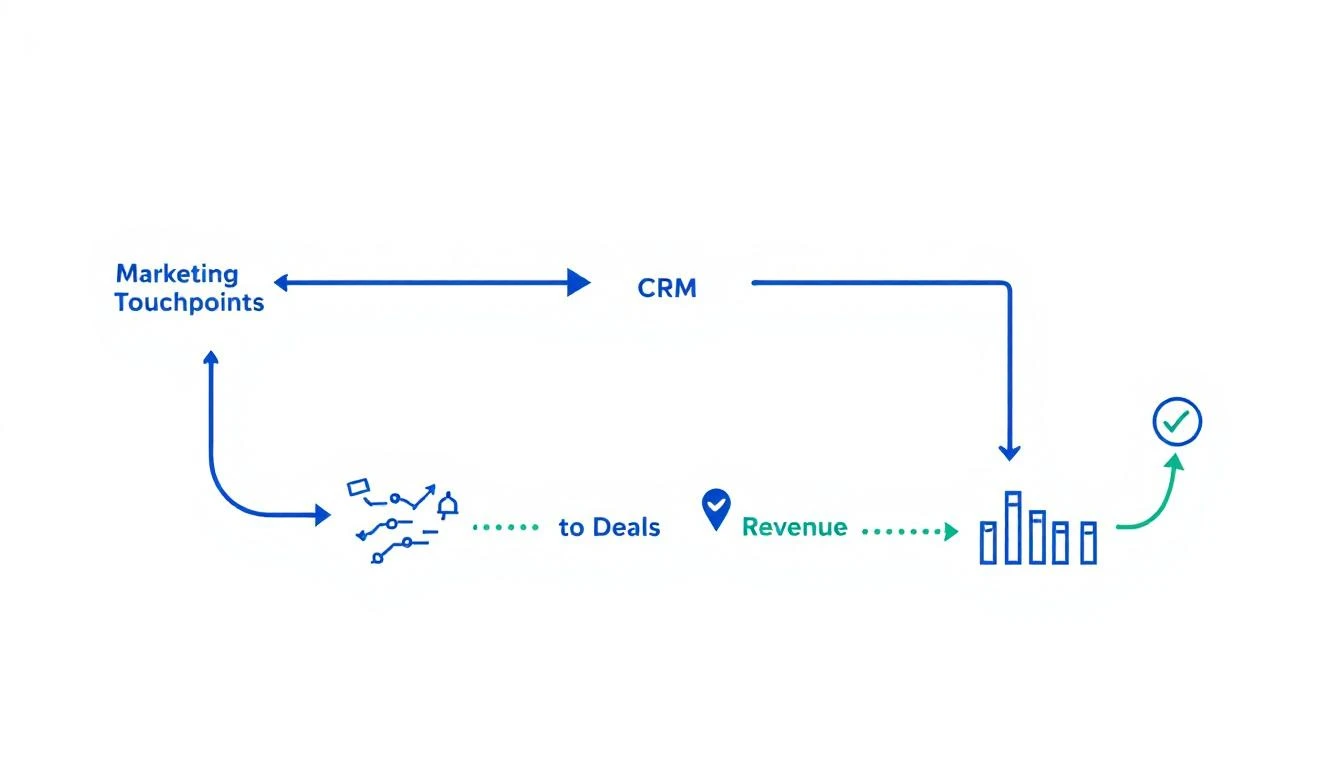
Why Traditional Attribution Fails GTM Teams
Let's be honest about what's wrong with current approaches:
First-Touch Attribution
Credits the first interaction. Problem: That blog post from 18 months ago gets credit for a deal that actually closed because of a killer demo.
Last-Touch Attribution
Credits the final interaction before conversion. Problem: Your SDR's call gets all the credit while the content marketing that warmed up the lead gets nothing.
Linear Multi-Touch
Splits credit equally across all touchpoints. Problem: A random email open counts the same as a 45-minute product demo? That's not how influence works.
Time-Decay Models
More recent touches get more credit. Problem: What about the case study that sat in their inbox for 3 months before they finally read it and decided to buy?
The real issue: These models were designed for e-commerce, not B2B. When someone buys shoes online, you can track a clean path from ad → click → purchase. When an enterprise company buys your software, there are 5 stakeholders, 6 months of evaluation, and touchpoints across every channel you have.
The AI-First Approach to Revenue Attribution
Here's what changes when you use Codex to build custom attribution:
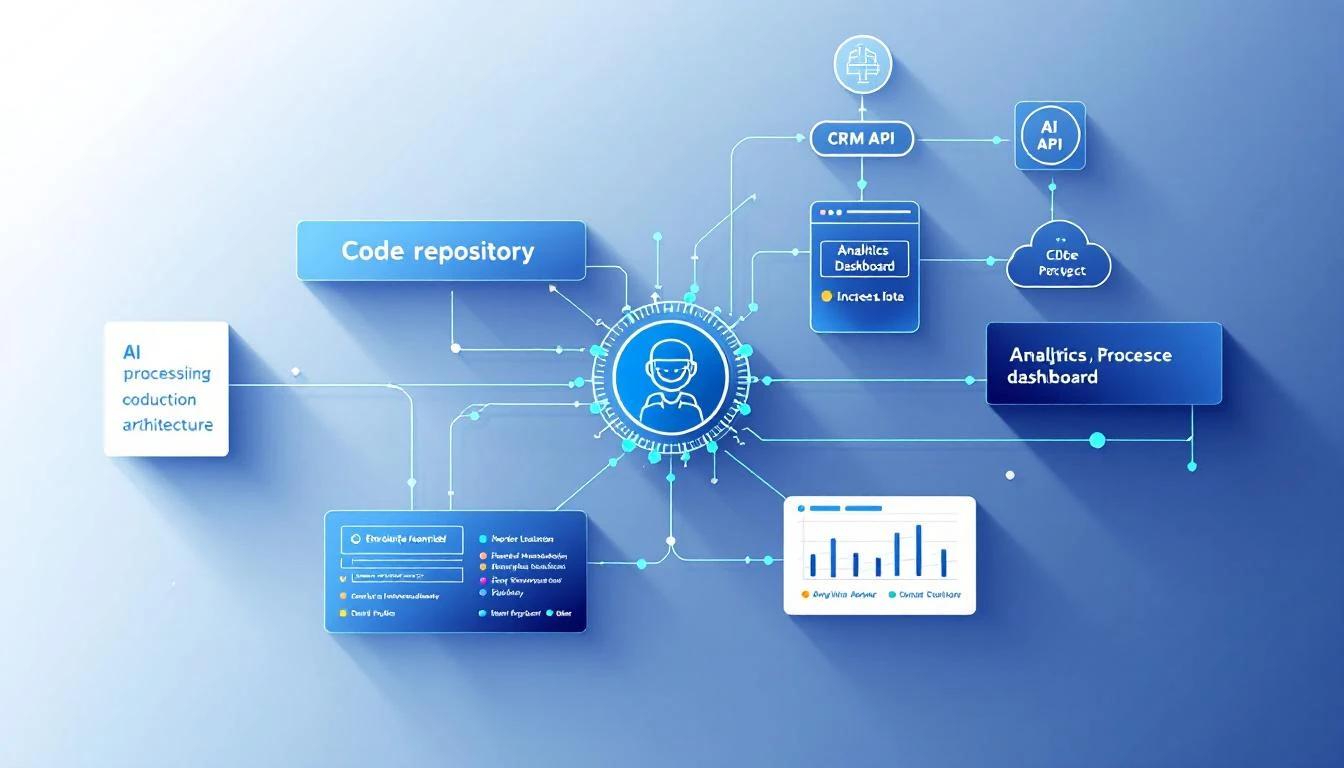
- Pull data from everywhere — CRM, marketing automation, ad platforms, website analytics, call tracking, all unified
- Build custom models — Weight touchpoints based on YOUR sales cycle, not generic assumptions
- Automate the analysis — Daily/weekly attribution reports without manual data wrangling
- Iterate fast — Test different models, see which one best predicts future revenue
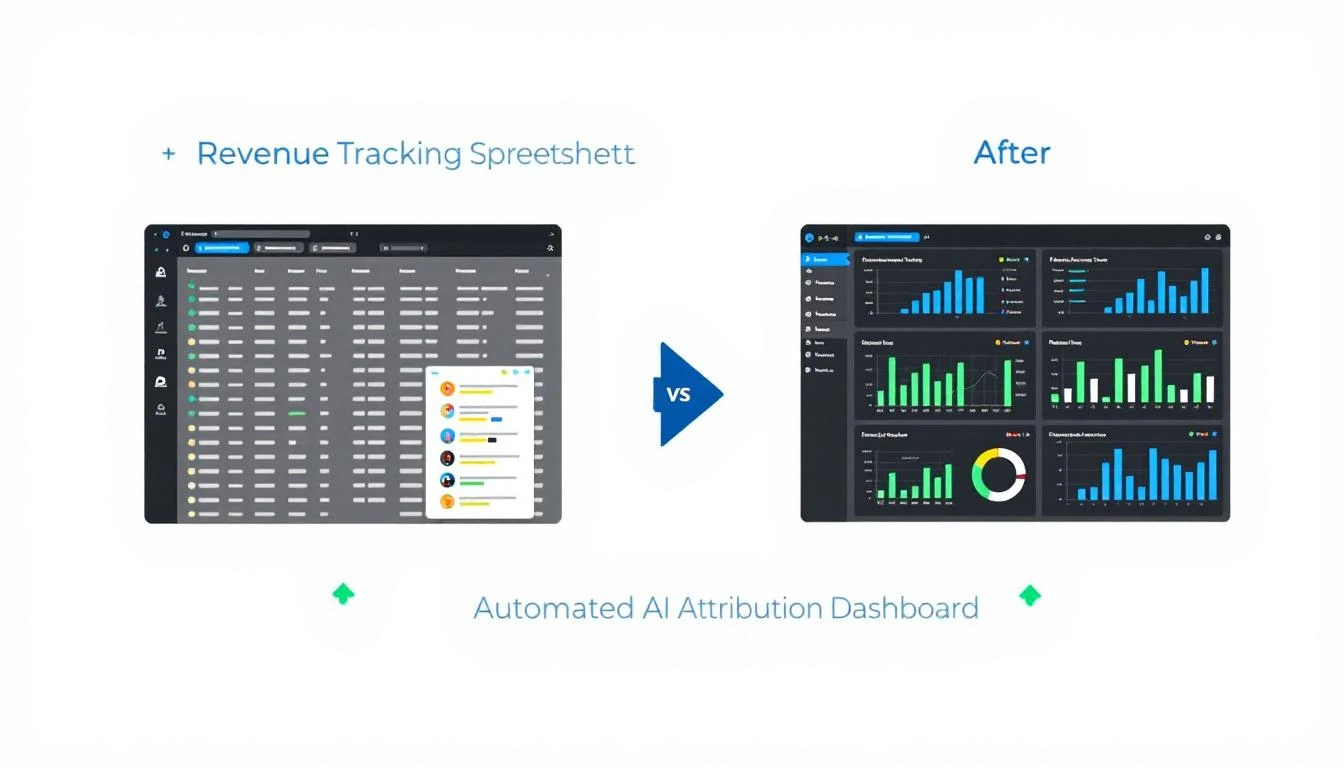
Building Revenue Attribution with OpenAI Codex
Let me walk you through a practical implementation. We'll build a system that:
- Pulls deal data from HubSpot
- Collects touchpoint data from multiple sources
- Applies custom attribution logic
- Outputs actionable reports
Step 1: Set Up Your Environment
First, install the Codex CLI:
npm install -g @openai/codex
Create a project directory:
mkdir revenue-attribution && cd revenue-attribution
codex init
Step 2: Define Your Data Sources
Create a configuration file that maps all your touchpoint sources:
// config/sources.js
module.exports = {
  crm: {
    type: 'hubspot',
    apiKey: process.env.HUBSPOT_API_KEY,
    objects: ['deals', 'contacts', 'companies']
  },
  marketing: {
    type: 'hubspot_marketing',
    events: ['email_open', 'email_click', 'form_submission', 'page_view']
  },
  ads: {
    type: 'google_ads',
    conversionActions: ['demo_request', 'trial_signup']
  },
  calls: {
    type: 'gong', // or your call tracking tool
    outcomes: ['meeting_scheduled', 'demo_completed']
  },
  website: {
    type: 'google_analytics',
    events: ['page_view', 'scroll_depth', 'time_on_page']
  }
};
Step 3: Build the Attribution Model
Here's where Codex shines. You can describe your attribution logic in plain English and have it generate the code:
Prompt to Codex:
Build a revenue attribution model with these rules:
1. Demo attendance = 30% weight (high-intent signal)
2. Content downloads = 15% weight (research phase)
3. Email engagement = 10% weight (nurture)
4. Website visits = 5% weight (awareness)
5. Direct sales touch = 25% weight (relationship)
6. Referral source = 15% weight (trust signal)

Apply time decay: touchpoints in last 30 days get 2x weight.
Handle multi-stakeholder deals by attributing to the primary contact's journey.
Output should show attribution by channel and by campaign.
Codex generates something like:
// models/customAttribution.js
const WEIGHTS = {
  demo_completed: 0.30,
  content_download: 0.15,
  email_engagement: 0.10,
  website_visit: 0.05,
  sales_call: 0.25,
  referral: 0.15
};

const TIME_DECAY_WINDOW = 30; // days
const TIME_DECAY_MULTIPLIER = 2;

function calculateAttribution(deal, touchpoints) {
  const closeDate = new Date(deal.closeDate);
  let totalWeight = 0;
  const attribution = {};

  touchpoints.forEach(touch => {
    const touchDate = new Date(touch.timestamp);
    const daysBeforeClose = (closeDate - touchDate) / (1000 * 60 * 60 * 24);

    let weight = WEIGHTS[touch.type] || 0.05;

    // Apply time decay bonus
    if (daysBeforeClose <= TIME_DECAY_WINDOW) {
      weight *= TIME_DECAY_MULTIPLIER;
    }

    totalWeight += weight;

    const channel = touch.channel || 'direct';
    const campaign = touch.campaign || 'none';

    if (!attribution[channel]) {
      attribution[channel] = { weight: 0, campaigns: {} };
    }
    attribution[channel].weight += weight;

    if (!attribution[channel].campaigns[campaign]) {
      attribution[channel].campaigns[campaign] = 0;
    }
    attribution[channel].campaigns[campaign] += weight;
  });

  // Normalize to percentages
  Object.keys(attribution).forEach(channel => {
    attribution[channel].percentage =
      (attribution[channel].weight / totalWeight * 100).toFixed(1);
  });

  return {
    dealId: deal.id,
    dealValue: deal.amount,
    attribution
  };
}

module.exports = { calculateAttribution };
Step 4: Automate Data Collection
Use Codex to write the data pipeline:
// pipelines/collectTouchpoints.js
const HubSpot = require('@hubspot/api-client');

async function collectTouchpointsForDeal(dealId) {
  const hubspot = new HubSpot.Client({ accessToken: process.env.HUBSPOT_TOKEN });

  // Get deal and associated contacts
  const deal = await hubspot.crm.deals.basicApi.getById(dealId, [
    'amount', 'closedate', 'dealstage'
  ]);

  const associations = await hubspot.crm.deals.associationsApi.getAll(
    dealId, 'contacts'
  );

  const touchpoints = [];

  for (const assoc of associations.results) {
    // Get contact's marketing timeline
    const timeline = await hubspot.crm.timeline.eventsApi.getEventsByContactId(
      assoc.id
    );

    timeline.results.forEach(event => {
      touchpoints.push({
        type: mapEventType(event.eventType),
        timestamp: event.timestamp,
        channel: extractChannel(event),
        campaign: event.properties?.campaign || null,
        contactId: assoc.id
      });
    });

    // Get email engagement
    const emails = await getEmailEngagement(assoc.id);
    touchpoints.push(...emails);

    // Get call/meeting history
    const calls = await getCallHistory(assoc.id);
    touchpoints.push(...calls);
  }

  return touchpoints;
}
Step 5: Generate Attribution Reports
// reports/weeklyAttribution.js
async function generateWeeklyReport() {
  const closedDeals = await getClosedDealsThisWeek();
  const results = [];

  for (const deal of closedDeals) {
    const touchpoints = await collectTouchpointsForDeal(deal.id);
    const attribution = calculateAttribution(deal, touchpoints);
    results.push(attribution);
  }

  // Aggregate by channel
  const channelSummary = aggregateByChannel(results);

  // Aggregate by campaign
  const campaignSummary = aggregateByCampaign(results);

  return {
    period: 'weekly',
    totalRevenue: results.reduce((sum, r) => sum + r.dealValue, 0),
    dealCount: results.length,
    byChannel: channelSummary,
    byCampaign: campaignSummary
  };
}
Real Example: What This Looks Like in Practice
Here's a sample output from a real attribution run:
Weekly Revenue Attribution Report
=================================
Period: Feb 3-10, 2026
Closed Deals: 8
Total Revenue: $247,000

Attribution by Channel:
-----------------------
Sales Calls/Meetings    34.2%   $84,474
Demo Attendance         28.7%   $70,889
Content Marketing       18.3%   $45,201
Email Nurture           11.4%   $28,158
Paid Ads                 7.4%   $18,278

Top Performing Campaigns:
-------------------------
1. "AI SDR Playbook" ebook     $62,400 influenced
2. January Webinar Series      $48,200 influenced
3. LinkedIn Retargeting        $31,100 influenced
4. Cold Email Sequence A       $28,900 influenced
Now you can answer the CEO's question: "Where should we invest next quarter?"
Advanced: Mid-Turn Steering with GPT-5.3 Codex
One of the killer features in the new GPT-5.3 Codex release (Feb 5, 2026) is mid-turn steering. This lets you adjust your attribution model while Codex is running the analysis.
Example scenario:
- You kick off a large attribution run across 6 months of data
- Halfway through, you realize you forgot to include LinkedIn engagement
- With mid-turn steering, you can add that data source without restarting
# Start the attribution run
codex run attribution --period="2025-08-01 to 2026-02-01"

# Mid-run, add LinkedIn data
codex steer "Also include LinkedIn company page engagement as a touchpoint with 8% weight"
This is massive for iterating on attribution models. You don't have to guess the perfect model upfront—you can adjust based on what you're seeing.
Why Build vs. Buy?
You might be thinking: "Why not just use a tool like Bizible, Attribution, or CaliberMind?"
Here's why building makes sense for many GTM teams:
| Factor | SaaS Attribution Tool | Custom with Codex |
|---|---|---|
| Cost | $2,000-$10,000/month | ~$100/month API costs |
| Customization | Limited to their models | Build exactly what you need |
| Data ownership | Data lives in their cloud | Your data, your infrastructure |
| Integration | Whatever connectors they support | Connect anything with an API |
| Time to value | Weeks of implementation | Days with Codex |
The trade-off is maintenance. But with Codex, you can also automate the maintenance—have it monitor for data quality issues, alert on anomalies, and even suggest model improvements.
Getting Started This Week
Here's a practical starting point:
Day 1: Export your closed-won deals from the last 90 days with associated contacts Day 2: Use Codex to map all touchpoints for those contacts (email, calls, web visits) Day 3: Define your initial weight model based on what you think matters Day 4: Run attribution and compare to gut feel—adjust weights Day 5: Automate weekly reports to Slack
Within a week, you'll have better attribution than most companies get from $50K/year tools.
The Bigger Picture
Revenue attribution isn't just about knowing what worked. It's about building a feedback loop that makes your entire GTM motion smarter.
When you know that demo attendance drives 3x the revenue of webinar attendance, you stop running generic webinars and start running webinars designed to book demos.
When you know that a specific cold email sequence influenced 40% of Q1 revenue, you double down on that messaging.
When you know that LinkedIn ads drive awareness but never close deals, you reallocate budget to channels that do.
AI coding agents like Codex make this level of insight accessible to teams that couldn't afford enterprise BI tools or couldn't hire data engineers.
Try our AI Lead Generator — find verified LinkedIn leads for any company instantly. No signup required.
Ready to See What's Actually Driving Your Pipeline?
MarketBetter helps B2B teams track the signals that matter and turn them into action. Our AI-powered playbook shows your SDRs exactly what to do next—based on the touchpoints that actually correlate with closed deals.
Related reading: