
Automated Slack Deal Rooms: Real-Time Pipeline Collaboration with OpenClaw [2026]
Your biggest deals don't close in the CRM. They close in the conversations—the Slack messages, the quick syncs, the "hey, can you jump on this call?" moments.
But most sales teams still treat Slack as an afterthought. Deal updates live in CRM fields that nobody checks. Critical signals get buried in email threads. By the time someone notices a deal is at risk, it's too late.
What if Slack became your deal cockpit instead of your distraction?
With OpenClaw, you can build intelligent deal rooms that:
- Auto-populate with relevant deal context
- Alert the right people at the right moments
- Surface risks before they become losses
- Coordinate multi-stakeholder deals seamlessly
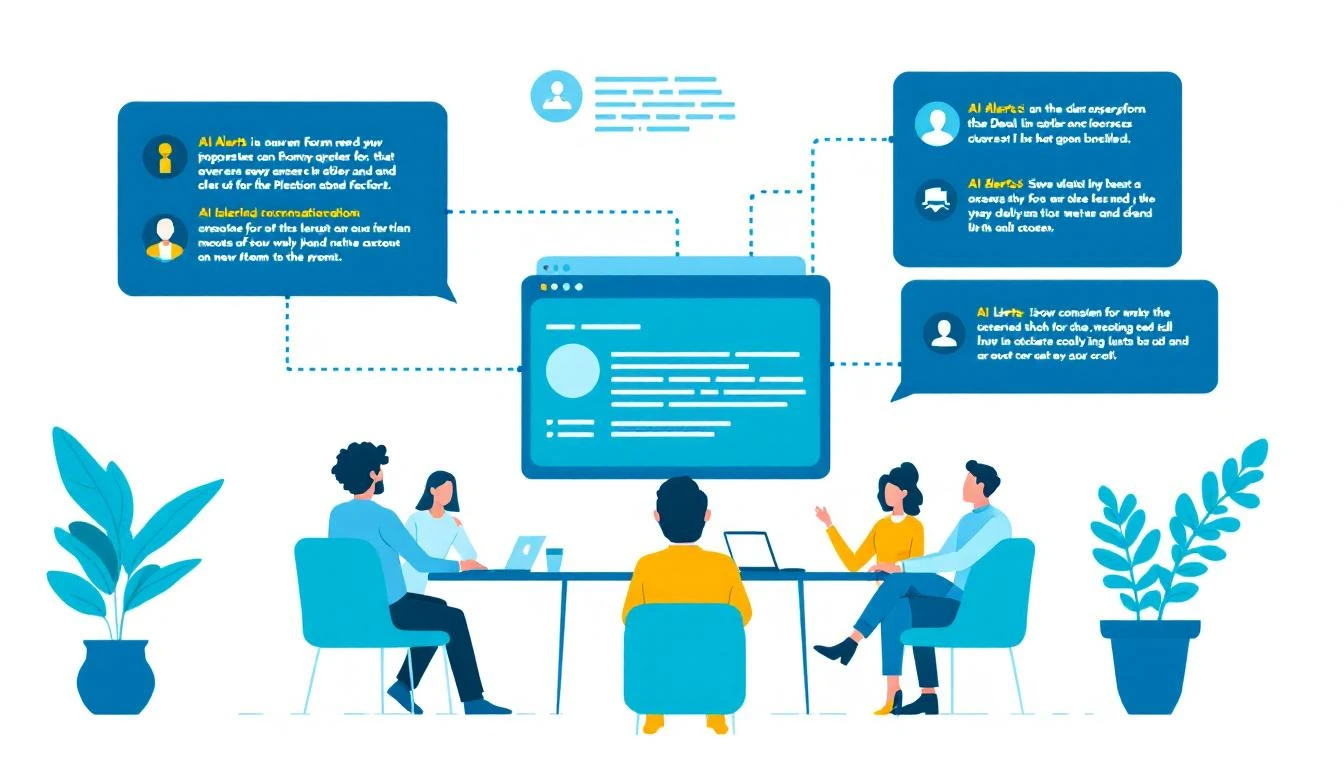
The Problem with Manual Deal Collaboration
Here's how most sales teams collaborate on deals today:
Scenario: The $80K Deal
Week 1: AE creates opportunity in CRM. Mentions it in #sales channel. "Got a good one, Acme Corp, $80K potential."
Week 3: AE needs SE help. Slacks the SE directly. SE asks 15 questions that are already in the CRM. AE spends 20 minutes catching them up.
Week 5: Prospect goes quiet. AE mentions in standup. Manager asks for context. AE gives verbal update that's different from CRM. Nobody writes it down.
Week 7: Champion reaches out to support with a question. Support doesn't know there's an active deal. Responds with generic answer. AE finds out 3 days later.
Week 9: Deal slips. Everyone asks "what happened?" Nobody has the full picture.
Sound familiar?
The AI-Powered Deal Room
Here's the alternative: an AI-managed Slack channel for every deal above a certain threshold.
What It Does
- Auto-creates a channel when deals hit Stage 2 or $50K+
- Populates context from CRM, emails, calls, and support
- Invites relevant people based on deal stage and needs
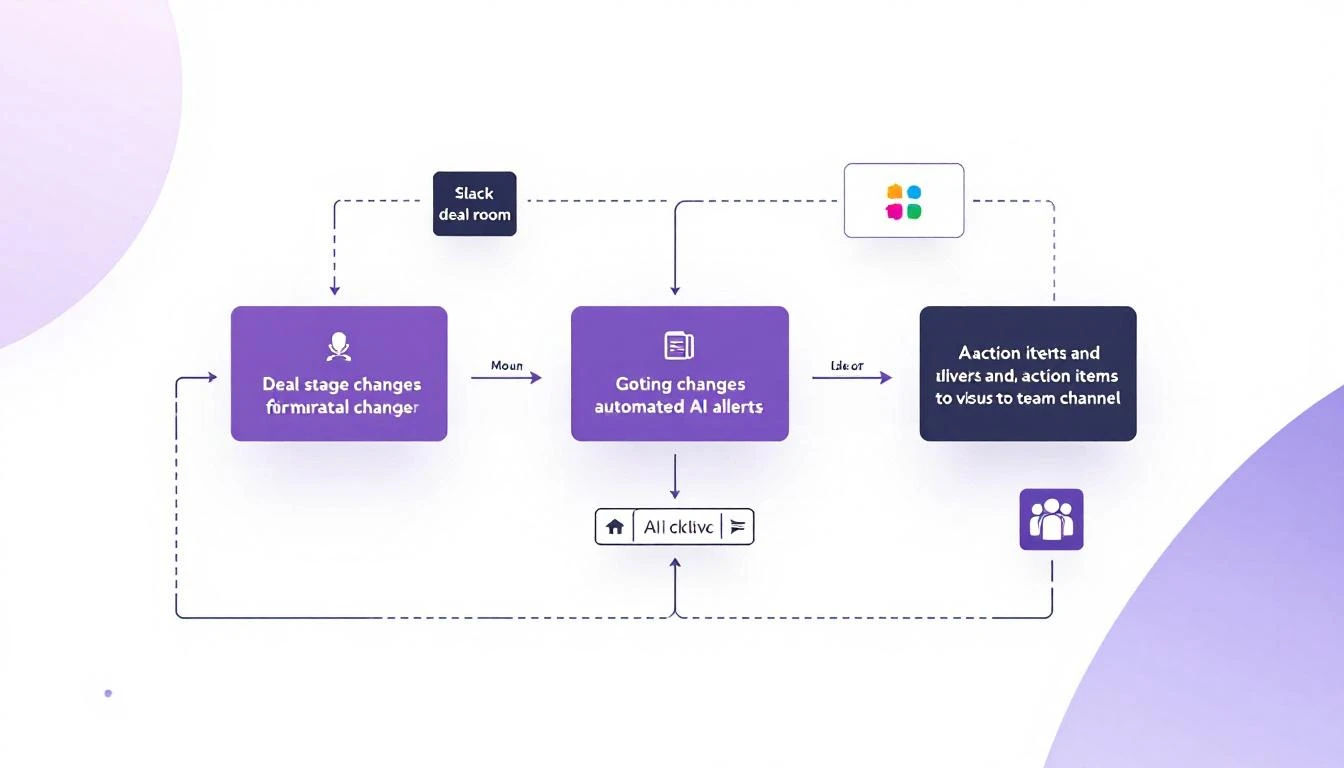
- Sends intelligent alerts when signals change
- Summarizes status on request or on schedule
- Logs updates back to CRM from Slack conversations
The Experience
#deal-acme-corp-80k
🤖 OpenClaw Deal Bot
──────────────────────────────
📋 DEAL OVERVIEW
Company: Acme Corp
Amount: $80,000
Stage: Demo Scheduled
Close Date: Mar 15, 2026
Owner: Sarah Chen

👥 BUYING COMMITTEE
• John Smith (VP Sales) — Champion
• Lisa Wong (CFO) — Economic Buyer
• Mike Johnson (IT) — Technical Evaluator

📊 ENGAGEMENT SCORE: 78/100 ⬆️ (+12 this week)

📝 RECENT ACTIVITY
• [Today] Call scheduled for Thursday 2pm
• [Yesterday] John opened proposal email 4x
• [3 days ago] Lisa viewed pricing page

⚠️ RISKS
• CFO hasn't attended any calls yet
• Competitor (Warmly) mentioned in discovery

🎯 RECOMMENDED ACTIONS
1. Invite CFO to demo call
2. Prepare competitive displacement deck
──────────────────────────────
Now everyone in the channel has context. No catch-up needed.
Building This with OpenClaw
Let's build the automated deal room system.
Step 1: Channel Creation Trigger
# deal_room_manager.py
import os
from slack_sdk import WebClient
from datetime import datetime

slack = WebClient(token=os.environ["SLACK_BOT_TOKEN"])

DEAL_ROOM_THRESHOLD = 50000
STAGE_THRESHOLD = "demo_scheduled"

def should_create_deal_room(deal: dict) -> bool:
    """Determine if deal qualifies for a deal room"""
    return (
        deal["amount"] >= DEAL_ROOM_THRESHOLD or
        deal["stage"] == STAGE_THRESHOLD
    ) and not deal.get("deal_room_channel")

def create_deal_room(deal: dict) -> str:
    """Create Slack channel for deal"""

    # Generate channel name
    company_slug = slugify(deal["company_name"])[:20]
    amount_k = int(deal["amount"] / 1000)
    channel_name = f"deal-{company_slug}-{amount_k}k"

    # Create channel
    result = slack.conversations_create(
        name=channel_name,
        is_private=True
    )
    channel_id = result["channel"]["id"]

    # Set channel topic
    slack.conversations_setTopic(
        channel=channel_id,
        topic=f"🎯 {deal['company_name']} | ${deal['amount']:,} | {deal['stage']} | Owner: {deal['owner_name']}"
    )

    # Add initial members
    member_ids = get_deal_room_members(deal)
    slack.conversations_invite(
        channel=channel_id,
        users=member_ids
    )

    # Post initial context
    post_deal_overview(channel_id, deal)

    # Update CRM with channel link
    crm_client.update_deal(deal["id"], {
        "deal_room_channel": channel_id,
        "deal_room_created": datetime.now().isoformat()
    })

    return channel_id

def get_deal_room_members(deal: dict) -> list:
    """Determine who should be in the deal room"""

    members = [deal["owner_slack_id"]]  # Always include owner

    # Add manager
    if deal["amount"] >= 100000:
        members.append(get_manager_slack_id(deal["owner_id"]))

    # Add SE if technical requirements
    if deal.get("requires_technical_validation"):
        members.append(get_available_se_slack_id())

    # Add SDR if they sourced it
    if deal.get("sourced_by_slack_id"):
        members.append(deal["sourced_by_slack_id"])

    return list(set(members))  # Dedupe
Step 2: Context Posting
def post_deal_overview(channel_id: str, deal: dict):
    """Post initial deal context to channel"""

    # Gather all context
    contacts = get_deal_contacts(deal["id"])
    activities = get_deal_activities(deal["id"], limit=10)
    risks = analyze_deal_risks(deal)
    engagement_score = calculate_engagement_score(deal)

    # Format message
    blocks = [
        {
            "type": "header",
            "text": {"type": "plain_text", "text": "📋 DEAL OVERVIEW"}
        },
        {
            "type": "section",
            "fields": [
                {"type": "mrkdwn", "text": f"*Company:*\n{deal['company_name']}"},
                {"type": "mrkdwn", "text": f"*Amount:*\n${deal['amount']:,}"},
                {"type": "mrkdwn", "text": f"*Stage:*\n{deal['stage']}"},
                {"type": "mrkdwn", "text": f"*Close Date:*\n{deal['close_date']}"},
            ]
        },
        {"type": "divider"},
        {
            "type": "header",
            "text": {"type": "plain_text", "text": "👥 BUYING COMMITTEE"}
        },
        {
            "type": "section",
            "text": {"type": "mrkdwn", "text": format_contacts(contacts)}
        },
        {"type": "divider"},
        {
            "type": "header",
            "text": {"type": "plain_text", "text": f"📊 ENGAGEMENT SCORE: {engagement_score}/100"}
        },
        {"type": "divider"},
        {
            "type": "header",
            "text": {"type": "plain_text", "text": "📝 RECENT ACTIVITY"}
        },
        {
            "type": "section",
            "text": {"type": "mrkdwn", "text": format_activities(activities)}
        }
    ]

    if risks:
        blocks.extend([
            {"type": "divider"},
            {
                "type": "header",
                "text": {"type": "plain_text", "text": "⚠️ RISKS"}
            },
            {
                "type": "section",
                "text": {"type": "mrkdwn", "text": format_risks(risks)}
            }
        ])

    slack.chat_postMessage(
        channel=channel_id,
        blocks=blocks,
        text=f"Deal overview for {deal['company_name']}"
    )
Step 3: Intelligent Alerts
This is where AI makes the difference:
from anthropic import Anthropic

claude = Anthropic()

ALERT_ANALYSIS_PROMPT = """
You are a sales deal analyst monitoring deal health. Given the recent activity and deal context, determine if an alert should be sent to the deal room.

Alert ONLY for significant events:
- Champion goes dark (no engagement in 7+ days after regular contact)
- New stakeholder enters (especially C-level or procurement)
- Competitor mentioned
- Timeline changes (close date moved)
- Negative sentiment in communications
- Unusual engagement spike (could indicate urgency or comparison shopping)
- Risk factors emerging

DO NOT alert for:
- Normal activity cadence
- Minor email opens
- Routine meetings scheduled
- Small CRM updates

If alerting, provide:
1. Alert severity (🔴 critical, 🟡 warning, 🟢 positive)
2. Clear headline
3. Context (what happened)
4. Recommended action
5. Who should be tagged
"""

def analyze_deal_event(deal: dict, event: dict) -> dict | None:
    """Determine if event warrants an alert"""

    recent_context = get_deal_recent_context(deal["id"])

    prompt = f"""
    Deal context:
    {json.dumps(deal, indent=2)}

    Recent history:
    {json.dumps(recent_context, indent=2)}

    New event:
    {json.dumps(event, indent=2)}

    Should this trigger an alert? If yes, format the alert. If no, respond with "NO_ALERT".
    """

    response = claude.messages.create(
        model="claude-sonnet-4-20250514",
        max_tokens=500,
        system=ALERT_ANALYSIS_PROMPT,
        messages=[{"role": "user", "content": prompt}]
    )

    result = response.content[0].text

    if "NO_ALERT" in result:
        return None

    return parse_alert(result)

def post_alert(channel_id: str, alert: dict):
    """Post alert to deal room"""

    severity_emoji = {
        "critical": "🔴",
        "warning": "🟡",
        "positive": "🟢"
    }

    emoji = severity_emoji.get(alert["severity"], "ℹ️")

    message = f"""
{emoji} *{alert['headline']}*

{alert['context']}

*Recommended Action:* {alert['action']}
"""

    # Tag relevant people
    if alert.get("tag_users"):
        mentions = " ".join([f"<@{uid}>" for uid in alert["tag_users"]])
        message = f"{mentions}\n\n{message}"

    slack.chat_postMessage(
        channel=channel_id,
        text=message
    )
Step 4: Status Updates
def post_daily_summary(channel_id: str, deal: dict):
    """Post daily deal status summary"""

    # Gather 24-hour activity
    activities = get_deal_activities(deal["id"], hours=24)
    score_change = get_engagement_score_change(deal["id"], hours=24)

    # Skip if no activity
    if not activities and score_change == 0:
        return

    summary = f"""
📊 *Daily Update* | {datetime.now().strftime('%b %d')}

*Engagement Score:* {deal['engagement_score']}/100 ({'+' if score_change >= 0 else ''}{score_change})

*Activity:*
{format_activities(activities) if activities else "No new activity"}

*Stage:* {deal['stage']}
*Days to Close Date:* {(deal['close_date'] - datetime.now()).days}
"""

    slack.chat_postMessage(
        channel=channel_id,
        text=summary
    )

def handle_status_request(channel_id: str, deal: dict, question: str = None):
    """Handle @bot status request in channel"""

    context = gather_full_deal_context(deal["id"])

    if question:
        prompt = f"""
        Deal context:
        {json.dumps(context, indent=2)}

        Question: {question}

        Provide a concise answer based on the deal data.
        """
    else:
        prompt = f"""
        Deal context:
        {json.dumps(context, indent=2)}

        Provide a brief status summary:
        1. Current health assessment (1-2 sentences)
        2. Key recent developments
        3. Biggest risk right now
        4. Recommended next action
        """

    response = claude.messages.create(
        model="claude-sonnet-4-20250514",
        max_tokens=400,
        messages=[{"role": "user", "content": prompt}]
    )

    slack.chat_postMessage(
        channel=channel_id,
        text=response.content[0].text
    )
Step 5: OpenClaw Configuration
# openclaw.yaml
agents:
  deal-room-manager:
    prompt: |
      You manage Slack deal rooms for the sales team. Your responsibilities:

      1. Create deal rooms when deals qualify (>$50K or Stage 2+)
      2. Post initial context and overview
      3. Monitor for alert-worthy events
      4. Post daily summaries for active deals
      5. Respond to status requests

      Be helpful but not noisy. Only alert when it matters.

    memory: true

    triggers:
      - event: deal_stage_change
      - event: deal_amount_change
      - event: email_received
      - event: meeting_completed
      - event: support_ticket_created

  deal-room-responder:
    prompt: |
      When someone asks a question in a deal room, provide helpful answers
      using the deal context. Be concise and actionable.

    triggers:
      - event: slack_mention
        filter: channel.startsWith("deal-")

cron:
  daily-summaries:
    schedule: "0 8 * * 1-5"  # 8am weekdays
    action: run_daily_deal_summaries
The Impact
Here's what teams see after implementing AI deal rooms:
Before
- 30+ minutes per deal for context gathering
- 3-5 people asking "what's the status?" per week per deal
- Risks surfaced at pipeline reviews (often too late)
- No single source of deal truth
After
- Instant context for anyone entering the deal
- Zero status questions (it's all in the channel)
- Risks surfaced in real-time when they emerge
- Slack channel IS the deal truth
| Metric | Before | After | Change |
|---|---|---|---|
| Time gathering deal context | 32 min/deal/week | 4 min/deal/week | -88% |
| Deals with "surprise" outcomes | 23% | 7% | -70% |
| Cross-functional collaboration score | 5.8/10 | 8.9/10 | +53% |
| CRM data accuracy | 64% | 91% | +42% |
Best Practices
1. Set Clear Thresholds
Don't create deal rooms for every deal. You'll create noise and nobody will pay attention. Start with:
- Deals over $50K, OR
- Deals in Stage 3+, OR
- Strategic accounts (regardless of size)
2. Auto-Archive on Close
When deals close (won or lost), automatically archive the channel after posting a summary. Keeps workspace clean.
3. Sync Both Ways
Updates in Slack should flow back to CRM. If someone posts "Call pushed to Friday," the CRM close date should update.
4. Train the Team
The bot is only useful if people use it. Do a 15-minute training on:
- How to ask for status
- What triggers alerts
- How to update deal info via Slack
5. Review and Refine
Monthly, check:
- Are alerts useful or noisy?
- Are deal rooms being used?
- What context is missing?
Adjust thresholds and prompts based on feedback.
Getting Started
- Day 1: Set up Slack bot with basic channel creation
- Week 1: Add context posting and member management
- Week 2: Implement alert system
- Week 3: Add status summaries and Q&A
- Month 2: Refine based on team feedback
The technology is straightforward. The value is in execution.
Try our AI Lead Generator — find verified LinkedIn leads for any company instantly. No signup required.
Want AI That Actually Drives Deals?
MarketBetter doesn't just alert you to deal signals—it tells your SDRs exactly what to do next. From signal to action, automatically.
Related Posts: