
Pricing Intelligence with AI: Track Competitor Pricing Changes in Real-Time [2026]
Your competitor just dropped their prices by 20%.
You find out when a prospect emails: "Why are you so much more expensive than [Competitor]?"
By then, you've already lost deals. Your sales team is blindsided. Your positioning is outdated.
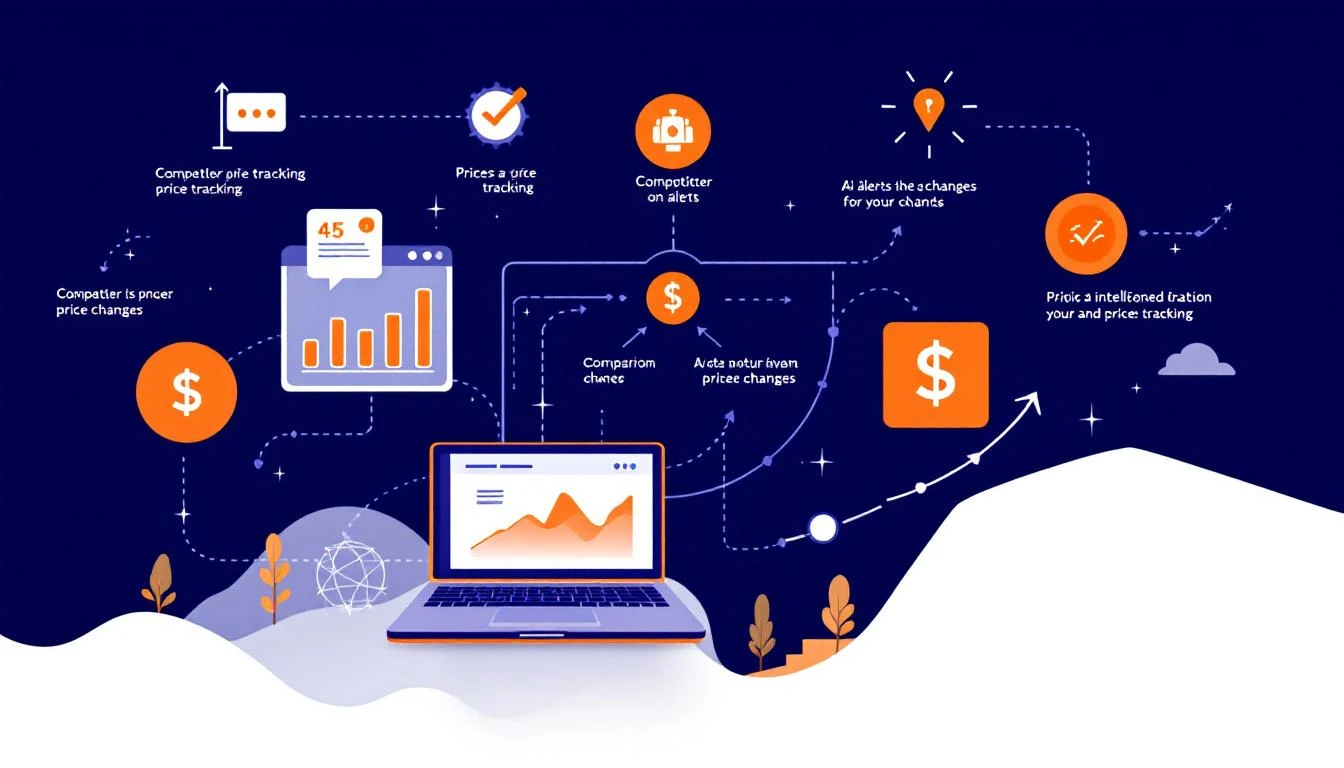
Pricing intelligence used to require expensive tools or manual monitoring. Now, AI agents can track competitor pricing 24/7 — and alert you the moment something changes.
Why Pricing Intelligence Matters More Than Ever
The reality of B2B pricing:
- 62% of buyers compare pricing before talking to sales (Gartner)
- 78% expect price transparency on websites (McKinsey)
- Pricing page changes often signal strategy shifts
- Your prospects are comparing you to 3-5 alternatives
What you're missing without monitoring:
- New pricing tiers competitors launch
- Promotional discounts and limited offers
- Feature bundling changes
- Free tier adjustments
- Usage-based pricing tweaks
- Contract term variations
The cost of being slow:
- Lost deals to cheaper alternatives
- Discounting when you didn't need to
- Missing opportunities to raise prices
- Sales conversations going sideways
Building Your AI Pricing Intelligence System
Component 1: Data Collection
What to monitor for each competitor:
Public pricing pages:
- Tier names and prices
- Feature lists per tier
- Usage limits
- Add-on pricing
- Enterprise "contact us" language changes
Secondary sources:
- G2/Capterra pricing mentions
- LinkedIn posts about pricing
- Press releases
- Job postings (pricing analyst = incoming changes)
- Customer reviews mentioning price
- Discount codes circulating
Deal intelligence:
- What prospects tell you they're being quoted
- Win/loss analysis pricing mentions
- Customer interview feedback
Component 2: Change Detection
Use AI to detect meaningful changes:
const analyzePricingChange = async (competitor, previous, current) => {
  const prompt = `
    Analyze this competitor pricing change:

    Competitor: ${competitor.name}

    Previous pricing (captured ${previous.date}):
    ${JSON.stringify(previous.pricing, null, 2)}

    Current pricing (captured ${current.date}):
    ${JSON.stringify(current.pricing, null, 2)}

    Determine:
    1. What specifically changed?
    2. Significance level (major/moderate/minor)
    3. Likely strategic intent
    4. Impact on our competitive position
    5. Recommended actions for our team

    Consider:
    - Price changes > 10% are significant
    - New tier additions signal market expansion
    - Feature changes indicate positioning shifts
    - "Contact us" changes often precede price increases
  `;

  return await claude.analyze(prompt);
};
Sample output:
🚨 PRICING CHANGE DETECTED: Apollo
━━━━━━━━━━━━━━━━━━━━━━━━━━━━━━━━━━━━━━

Change Type: MAJOR
Detected: Feb 8, 2026 at 3:42 PM UTC

What Changed:
├─ Professional tier: $79 → $99/user/month (+25%)
├─ Team tier: $39 → $49/user/month (+26%)
├─ New "Starter" tier added at $29/user/month
└─ Annual discount reduced from 25% to 20%

Strategic Analysis:
Apollo is shifting upmarket while adding an entry-level tier. The 25%
price increase on Professional signals confidence in their enterprise
positioning. The new Starter tier suggests they're also protecting
against low-end competition (likely us and Seamless.AI).

Impact on MarketBetter:
- Our pricing now 15% lower than Apollo Professional (was 8%)
- We're competing directly with their new Starter tier
- Their annual discount cut improves our relative annual value

Recommended Actions:
1. Update sales battlecards — highlight our pricing advantage
2. Consider marketing campaign around "Apollo raised prices" angle
3. Target Apollo Starter users for upgrade messaging
4. Brief SDR team on change before tomorrow's calls

Confidence: 94%
Component 3: Automated Monitoring with OpenClaw
# pricing-intelligence-agent.yaml
name: Pricing Intelligence Monitor
schedule: "0 */4 * * *"  # Every 4 hours

competitors:
  - name: Apollo
    url: https://www.apollo.io/pricing
    selectors:
      tiers: ".pricing-tier"
      prices: ".tier-price"
      features: ".feature-list"

  - name: ZoomInfo
    url: https://www.zoominfo.com/pricing
    selectors:
      tiers: ".pricing-card"
      prices: ".price-amount"

  - name: Outreach
    url: https://www.outreach.io/pricing
    selectors:
      tiers: ".plan"
      prices: ".plan-price"

workflow:
  1_scrape:
    action: web_scrape
    targets: competitors
    capture: [tiers, prices, features, last_modified]

  2_compare:
    action: ai_compare
    model: claude-3-5-sonnet
    against: previous_snapshot
    threshold: any_change

  3_analyze:
    action: ai_analyze
    model: claude-3-5-sonnet
    prompt: pricing_change_analysis

  4_alert:
    condition: change_detected
    actions:
      - slack_notify: "#competitive-intel"
      - email: ["[email protected]"]
      - update_battlecards: true
      - log_to_database: true

  5_archive:
    action: save_snapshot
    storage: pricing_history
Component 4: Trend Analysis
Don't just track changes — understand patterns:
const analyzePricingTrends = async (competitor, history) => {
  const prompt = `
    Analyze pricing trends for ${competitor.name}:

    Historical pricing data (last 12 months):
    ${JSON.stringify(history, null, 2)}

    Identify:
    1. Overall price trajectory (increasing/stable/decreasing)
    2. Pricing strategy pattern (premium/value/penetration)
    3. Common timing of changes (quarterly? annual?)
    4. Feature vs price trade-offs
    5. Market positioning shifts
    6. Predicted next move

    Context:
    - Industry average price increase: 5-8% annually
    - Funding rounds often precede price changes
    - Product launches typically add new tiers
  `;

  return await claude.analyze(prompt);
};
Output example:
📊 PRICING TREND ANALYSIS: ZoomInfo (12-month view)
━━━━━━━━━━━━━━━━━━━━━━━━━━━━━━━━━━━━━━━━━━━━━━━━━━━

Trajectory: ↗️ INCREASING
12-month change: +18% across all tiers
Pattern: Quarterly adjustments (Jan, Apr, Jul, Oct)

Key Observations:
1. Removed lowest tier in Q2 2025 (forcing upgrades)
2. Added "Lite" tier in Q3 2025 (response to competition)
3. Enterprise pricing became "contact us" only
4. Credits system introduced to limit data access

Strategy Assessment:
ZoomInfo is executing a classic "land and expand" price strategy:
- Entry tier for acquisition
- Usage limits force upgrades
- Enterprise opacity allows deal-specific pricing

Predicted Next Move:
Based on pattern, expect Q1 2026 adjustment:
- 5-10% increase on mid-tier (Professional)
- Possible new AI/enrichment add-on tier
- Further credit restrictions

Recommended Positioning:
Position against their credit model:
"Unlimited vs. ZoomInfo's metered access"
Advanced Use Cases
Use Case 1: Real-Time Deal Intelligence
When a prospect mentions competitor pricing:
const handlePricingMention = async (deal, competitorQuote) => {
  const currentPricing = await getPricingSnapshot(competitorQuote.competitor);
  const ourPricing = await calculateOurQuote(deal);

  const analysis = await claude.analyze(`
    Deal: ${deal.name} (${deal.value})

    Competitor quote mentioned:
    - Vendor: ${competitorQuote.competitor}
    - Amount: ${competitorQuote.amount}
    - Terms: ${competitorQuote.terms}

    Our current pricing:
    ${JSON.stringify(ourPricing)}

    Latest competitor public pricing:
    ${JSON.stringify(currentPricing)}

    Determine:
    1. Is their quote consistent with public pricing?
    2. What discount % are they likely offering?
    3. What's our competitive position?
    4. Should we match, beat, or hold firm?
    5. What value differentiation should we emphasize?
  `);

  return {
    recommendation: analysis.recommendation,
    discountSuggestion: analysis.discountSuggestion,
    talkingPoints: analysis.talkingPoints,
    riskLevel: analysis.riskLevel
  };
};
Use Case 2: Win/Loss Pricing Analysis
const analyzePricingWinLoss = async (deals) => {
  const prompt = `
    Analyze our win/loss data for pricing patterns:

    Last 100 deals:
    ${JSON.stringify(deals.map(d => ({
      outcome: d.outcome,
      ourPrice: d.ourPrice,
      competitorPrice: d.competitorMentioned,
      competitor: d.competitor,
      lossReason: d.lossReason,
      dealSize: d.value,
      segment: d.segment
    })))}

    Find patterns:
    1. Price sensitivity by segment
    2. Competitors we lose to on price vs. value
    3. Discount patterns in wins vs. losses
    4. Optimal pricing by deal size
    5. Feature gaps that justify price premium

    Actionable insights for sales and pricing strategy.
  `;

  return await claude.analyze(prompt);
};
Output:
💰 WIN/LOSS PRICING ANALYSIS
━━━━━━━━━━━━━━━━━━━━━━━━━━━━

Key Findings:

1. PRICE SENSITIVITY BY SEGMENT
   - SMB (<50 employees): HIGH sensitivity
     Lost 68% of deals where we were >20% more expensive
   - Mid-market (50-500): MODERATE sensitivity
     Won 55% even when 15% more expensive (value sold)
   - Enterprise (500+): LOW sensitivity
     Price mentioned in only 23% of losses

2. COMPETITOR-SPECIFIC PATTERNS
   - vs. Apollo: Lost 70% when price-focused; Won 80% when value-focused
   - vs. ZoomInfo: Price rarely competitive; Win on features
   - vs. Seamless.AI: Must be within 10% to compete

3. OPTIMAL DISCOUNT STRATEGY
   - SMB: Offer 15% discount proactively (win rate +34%)
   - Mid-market: Hold firm, discount only for annual (win rate same)
   - Enterprise: Discount range 10-25% acceptable

4. VALUE DIFFERENTIATION THAT JUSTIFIES PREMIUM
   - Playbook feature: +22% price tolerance
   - Visitor ID: +15% price tolerance
   - Integration depth: +18% price tolerance

RECOMMENDATIONS:
├─ Create SMB-specific pricing tier
├─ Train SDRs on value selling for Apollo comparisons
├─ Develop "Total Cost of Ownership" calculator
└─ Document feature premium justifications
Use Case 3: Pricing Change Simulations
Before making your own pricing changes:
const simulatePriceChange = async (proposedChange) => {
  const prompt = `
    Simulate the impact of this pricing change:

    Current pricing: ${JSON.stringify(currentPricing)}
    Proposed change: ${JSON.stringify(proposedChange)}

    Consider:
    1. Competitor likely response
    2. Customer segment impact
    3. New customer acquisition effect
    4. Existing customer reaction
    5. Revenue impact (short and long-term)

    Historical context:
    - Last price increase: ${lastPriceChange.date} (${lastPriceChange.reaction})
    - Competitor recent moves: ${competitorMoves}
    - Market conditions: ${marketConditions}

    Provide scenario analysis: best case, expected, worst case.
  `;

  return await claude.analyze(prompt);
};
Implementation Guide
Phase 1: Setup (Week 1)
Day 1-2: Identify competitors
- List 5-10 direct competitors
- Document their pricing page URLs
- Note their pricing models (per seat, usage, flat)
Day 3-4: Configure scraping
- Set up web scraping for each pricing page
- Test selector accuracy
- Handle dynamic content (JavaScript rendering)
Day 5: Baseline capture
- Capture current pricing for all competitors
- Verify accuracy against manual checks
- Store initial snapshots
Phase 2: Automation (Week 2)
Day 1-2: OpenClaw agent setup
- Configure monitoring schedule
- Set up change detection thresholds
- Test alert workflows
Day 3-4: Alert configuration
- Slack integration for real-time alerts
- Email digest for leadership
- CRM integration for deal context
Day 5: Team training
- Brief sales on using pricing intel
- Show how to access competitor comparisons
- Practice responding to pricing objections
Phase 3: Advanced (Week 3+)
- Add secondary source monitoring (G2, press, social)
- Build historical trend dashboards
- Integrate with deal intelligence
- Train win/loss pricing models
ROI Calculation
Costs:
- AI API: ~$50/month (monitoring + analysis)
- Web scraping infrastructure: ~$20/month
- Setup time: ~20 hours
Benefits:
- Faster response to pricing changes: Save 1 deal/month = $10K+ ARR
- Better discounting decisions: Reduce unnecessary discounts by 3% = $15K/year
- Competitive positioning: Win 2 extra deals/quarter = $40K ARR
- Strategic pricing moves: 5% price increase enabled = Variable
Conservative ROI: $50K+ annual value vs. $1K annual cost = 50x ROI
Try our Tech Stack Detector — instantly detect any company's tech stack from their website. No signup required.
Start Tracking Today
Your competitors are changing their pricing constantly. Without intelligence, you're always reacting.
AI makes pricing intelligence accessible to any team — not just enterprises with dedicated competitive intelligence staff.
Your next steps:
- List your top 5 competitors and their pricing URLs
- Set up basic web monitoring
- Book a demo with MarketBetter to see competitive intelligence automation in action
Because the best pricing strategy starts with knowing what you're competing against.